Missing land papers put rural incomes at risk
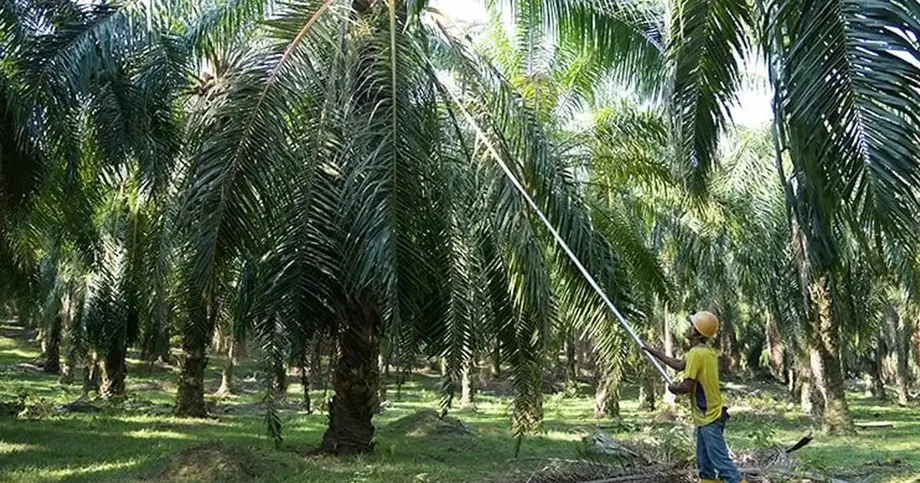
About 58,000 independent oil palm smallholders in Sarawak face a risk of exclusion from supply chains serving the European Union because they may struggle to document their customary land rights, according to the Sarawak Dayak Oil Palm Planters Association (DOPPA). Works Minister Alexander Nanta Linggi has urged the state government to accelerate land surveys and issue titles, while pursuing recognition of those rights with European authorities.
Contents
- Missing land papers put rural incomes at risk
- What growers need to demonstrate
- A coordinated case for customary ownership
- How the warnings developed
- Certification offers a starting point
- Who pays for maps and records?
- Land titles already affect access to replanting aid
- Forest protection and community rights remain central
- Key Points
The problem centres on Native Customary Rights (NCR) land, which families and communities hold through customary arrangements, including inheritance. Many growers lack formal ownership documents. Meeting the European Union Deforestation Regulation (EUDR) requires evidence about the legality of production and the location of the land where commodities were grown.
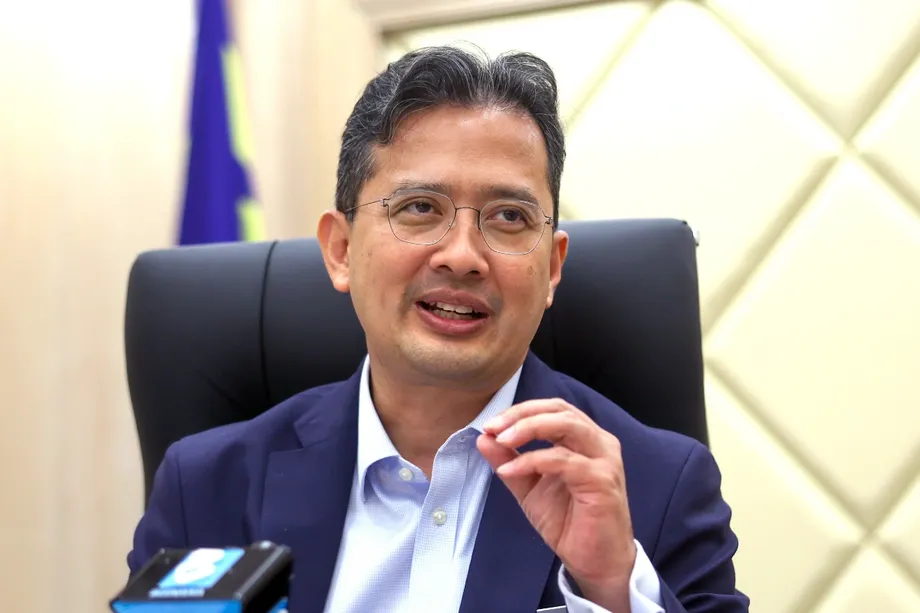
Nanta, who is also the member of parliament for Kapit, called on October 23 for faster boundary demarcation, individual titles and legally recognised interim documents where titles remain pending. He also sought practical help with mapping and tracing palm oil through the supply chain.
Nanta said administrative delays should not prevent customary landowners from earning a living from their land:
Our NCR landowners must not become victims of administrative delays. They should not be denied the opportunity to earn a decent livelihood from their own land simply because they have yet to receive formal land titles.
The immediate concern is access to the EU market and the buyers supplying it. DOPPA's estimate describes growers potentially exposed to documentation and compliance problems. For families cultivating inherited land, the challenge is to turn locally recognised rights into evidence that buyers can use when checking whether their palm oil meets European requirements.
What growers need to demonstrate
The EUDR seeks to stop European consumption from driving forest loss. It covers commodities including palm oil, timber, rubber, coffee, cocoa, soy and cattle, with restrictions tied to deforestation after December 31, 2020. Its requirements also address the legality of production and risks involving rights violations.
For a smallholder, compliance involves several connected tasks. Land documentation helps establish the right to cultivate a plot. Geolocation records identify exactly where that plot is. Traceability connects the crop from that location to the commodity moving through buyers and processors.
A farmer may know a boundary through rivers, paths and neighbouring holdings, while a buyer needs coordinates and records that can be checked. Nanta's proposals address both sides of that gap: formal evidence of land rights and technical assistance to record where production takes place.
DOPPA president Dr Napolean R Ningkos warned on October 18 that growers could struggle to provide the evidence required even when their plantations were not linked to deforestation. He described the risk in these terms:
Without the necessary documentation, smallholders risk losing market access not because of links to deforestation, but because they lack the evidence required to demonstrate compliance.
In their October warnings, DOPPA and Nanta described implementation as due the following year. No confirmed implementation date, EU decision on an NCR exemption, or agreed list of acceptable interim land documents was identified in those statements. Those details matter to growers deciding what paperwork and mapping they must complete.
A coordinated case for customary ownership
Federal discussions have focused on explaining Sarawak's customary tenure system to the EU. In the Dewan Rakyat on October 15, Deputy Plantation and Commodities Minister Chan Foong Hin said his ministry would engage the Sarawak government to develop a common position that NCR land is legally inherited land.
Chan was answering Richard Rapu, the Gabungan Parti Sarawak member of parliament for Betong, who asked what the government was doing to seek an exemption for NCR land. Chan identified the absence of ownership documents as the main difficulty and called for engagement between governments.
Sarawak Minister for Food Industry, Commodity and Regional Development Stephen Rundi Utom had also committed to working with the federal Plantation and Commodities Ministry and the Malaysian Palm Oil Certification Council to pursue special consideration or an exemption.
Nanta welcomed that effort but asked the state government to explain the appeal's progress and any response from the EU. He said negotiations and domestic work on land documentation should proceed together. His proposal would keep surveys and title issuance moving while authorities seek international acceptance of customary ownership.
How the warnings developed
The current market concerns follow earlier disputes about forest protection and the treatment of customary land. The main developments show how land rights, environmental checks and financial assistance have become connected:
- September 24, 2024: Environmental and rights organisations called for Sarawak to receive a high risk classification under the EUDR, citing forest conversion and alleged violations of Indigenous land rights.
- August 31, 2025: Malaysia's certification figures recorded 754,822.28 hectares certified in the smallholder category discussed in Parliament, representing 92.20% of that category.
- October 15: Chan outlined plans for federal engagement with Sarawak to present a coordinated case on the legal status of inherited NCR land.
- October 18: DOPPA warned that documentation gaps and compliance costs could threaten market access for about 58,000 independent smallholders.
- October 23: Nanta called for faster surveys, boundary demarcation, titles and practical interim documentation.
The October calls place responsibilities at several levels. Sarawak authorities handle the land documentation work being sought, federal officials lead engagement on commodity trade, and industry participants need records that allow them to trace production. Smallholders need those efforts to connect at the level of individual farms.
Certification offers a starting point
DOPPA has proposed incorporating the existing Malaysian Sustainable Palm Oil (MSPO) certification system into EUDR compliance procedures. Its aim is to reduce repeated paperwork, inspections and costs by building on a system growers already use.
Chan told Parliament that the government provides free MSPO certification for oil palm holdings below 100 hectares. Support also includes financial and technical assistance, personal protective equipment and racks for storing chemicals.
The figures he presented, dated August 31, 2025, included 754,822.28 certified hectares, or 92.20%, in the smallholder category under discussion. He separately listed 397,310.80 hectares for organised smallholders and 3,977,039.92 hectares for commercial plantations, with commercial coverage at 96.22%.
The commercial plantation coverage rate was 4.02 percentage points higher than the 92.20% figure. These national figures show the reach of certification across different producer categories, while DOPPA's proposal seeks to make existing certification work useful for European compliance.
Putting that proposal into practice would require agreement on how certification records support checks on location, legal production and forest history. Growers would benefit most where information already collected can be reused, rather than gathered again through a separate process.
Who pays for maps and records?
Napolean has warned that geolocation, certification and record keeping bring costs that smallholders may lack the technology, expertise or money to meet. Payments for mapping and administrative work would add to the expense of running a farm.
DOPPA is asking governments, palm oil companies and consumer countries to share those costs. Napolean said expenses passed down through the supply chain could reduce growers' earnings and increase pressure on their operations.
The association also wants assistance adapted to different communities. In Sarawak, it proposes community participation in planning and mapping, using residents' knowledge of land and the environment to help reduce costs. Technical teams could work with that knowledge when recording locations and boundaries.
Nanta's call for help with mapping, geolocation and traceability follows the same practical approach. A title addresses ownership documentation, while growers also need a usable record linking their farms to the palm oil they sell. DOPPA has urged cooperation involving EU member states, Malaysia and Indonesia, alongside companies and local authorities.
Land titles already affect access to replanting aid
DOPPA has identified another consequence of missing titles: difficulty obtaining federal support to replace ageing oil palms. In a statement dated March 18, Napolean said applications involving NCR land under the Oil Palm Replanting Incentive Scheme, or TSPKS 2.0, had an approval rate of 19%, compared with 60% for titled land.
The gap between those approval rates was 41 percentage points. Napolean also said that, among 78 NCR applicants seeking support for 265 hectares, only 35 hectares had been approved. That amounts to about 13.2% of the area requested; the 19% figure concerned the approval rate for applications.
Sarawak's independent smallholders cultivate approximately 246,000 hectares of oil palm, according to DOPPA. For growers needing to replace older trees, access to replanting assistance affects their ability to invest in future harvests.
TSPKS 2.0 offers a matching grant of RM18,000 per hectare through AgroBank. Napolean said NCR growers face difficulties because banks typically require formal titles as evidence of ownership or collateral, meaning property used to secure financing.
He proposed a direct incentive of RM9,000 per hectare for independent smallholders who complete replanting themselves, with payment following physical verification by the Malaysian Palm Oil Board. The proposed amount is half the stated RM18,000 scheme amount, with a different payment route. DOPPA has asked the Plantation and Commodities Ministry to revise the approval criteria.
Forest protection and community rights remain central
Environmental and Indigenous rights organisations have pressed for close scrutiny of Sarawak's timber and palm oil supply chains. In September 2024, a coalition called for the region to receive a high risk EUDR classification, which would bring greater scrutiny.
The groups alleged that plans existed to convert hundreds of thousands of hectares of natural forest into timber plantations. They also raised concerns about company leases in areas awaiting surveys for protection purposes, limits on recognition of customary land and the revocation of existing titles.
RimbaWatch, one of the participating organisations, warned that company concessions placed about 15% of Malaysia's natural forest at risk. That estimate concerned Malaysia's forests nationally, while the coalition's classification request focused on Sarawak.
Celine Lim, managing director of the Sarawak Indigenous organisation SAVE Rivers, linked the call for scrutiny to community consent:
Logging companies are still bulldozing Indigenous peoples' forests in Sarawak without consultation or consent from communities, which should translate into a 'high risk' classification.
The concerns give land documentation a dual role. Smallholders need records to demonstrate their right to cultivate inherited plots, while communities need their rights recognised when companies seek access to forests. Surveys, boundary records and decisions about whose rights are recognised therefore matter both to market access and to the protection of customary land.
Nanta's immediate request is for action within Sarawak alongside negotiations with the EU. Faster surveys, lawful interim documents, technical support and clearer responsibility for costs are the concrete measures sought to keep rural growers connected to buyers while meeting environmental and legal requirements.
Key Points
- DOPPA says about 58,000 independent oil palm smallholders in Sarawak could face market access problems because of documentation gaps and compliance costs.
- Nanta has called for faster NCR surveys, boundary demarcation, individual titles and legally recognised interim documents.
- Federal and Sarawak authorities are seeking recognition of customary ownership through engagement with the EU.
- DOPPA wants existing MSPO certification used to reduce repeated compliance work and costs shared among governments, companies and consumer countries.
- The association says NCR applications for replanting support had a 19% approval rate, compared with 60% for titled land.
- Environmental and rights groups have also called for scrutiny of forest conversion and the treatment of Indigenous land rights in Sarawak.