More than 6,000 patients remain in hospital
Bangladesh recorded four more dengue deaths and 1,512 new hospital admissions in the 24 hours ending at 8am on October 22, 2026, taking the year's death toll to 368 and cumulative admissions to 118,502, according to the Directorate General of Health Services (DGHS).
Contents
- More than 6,000 patients remain in hospital
- How quickly has the hospital burden grown?
- Where are new patients being admitted?
- October's deaths add to a heavy annual toll
- Why specialists are watching November and December
- The breeding places that street cleaning can miss
- What Dhaka's city corporations are doing
- Hospital preparation and earlier mosquito warnings
- A wider regional health challenge
- Key Points
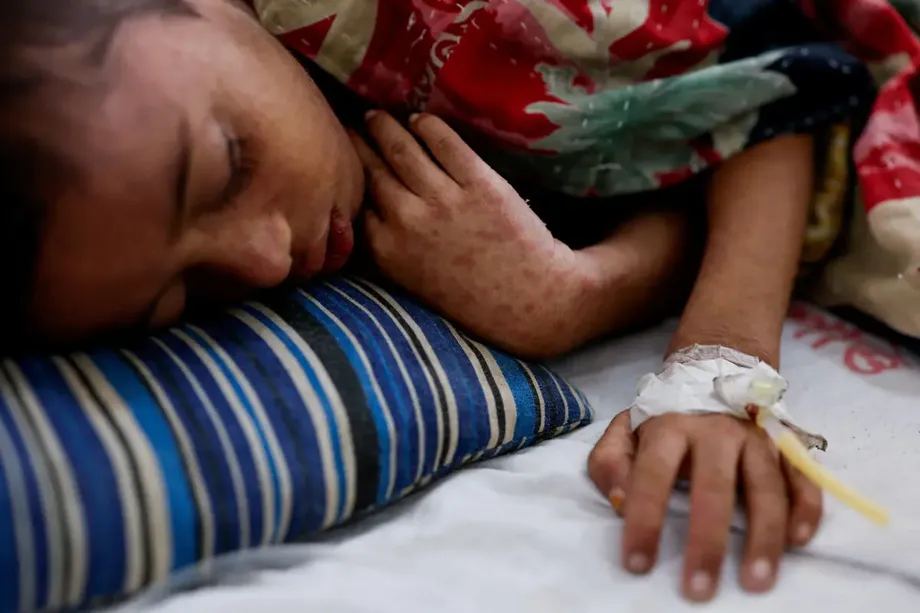
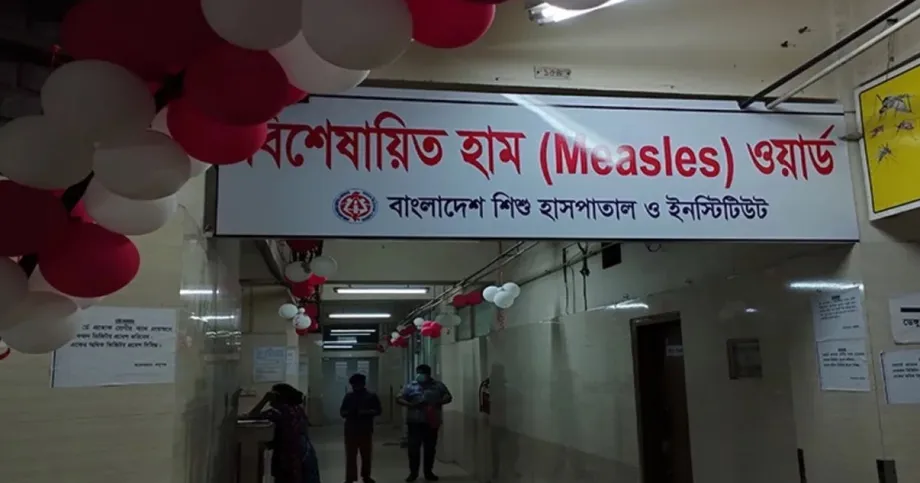
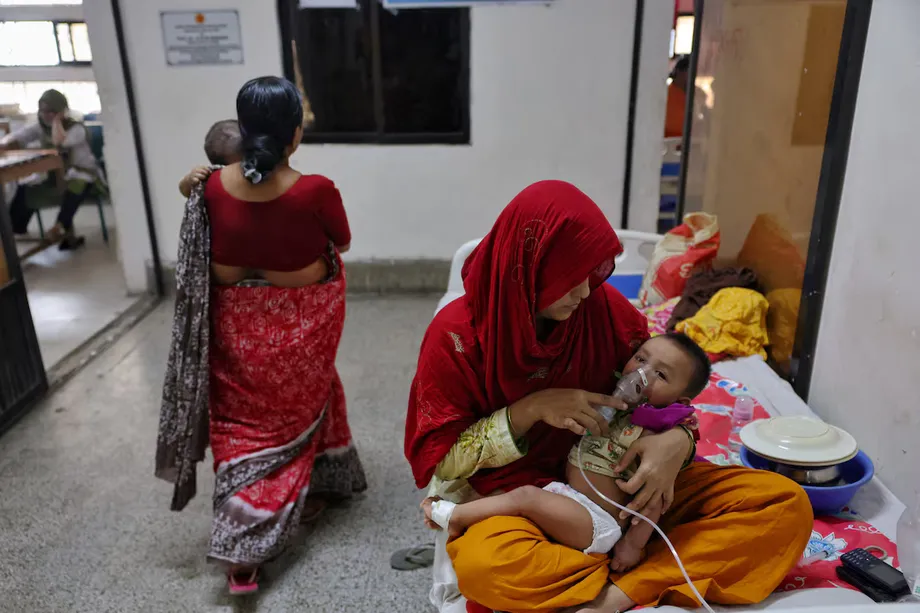
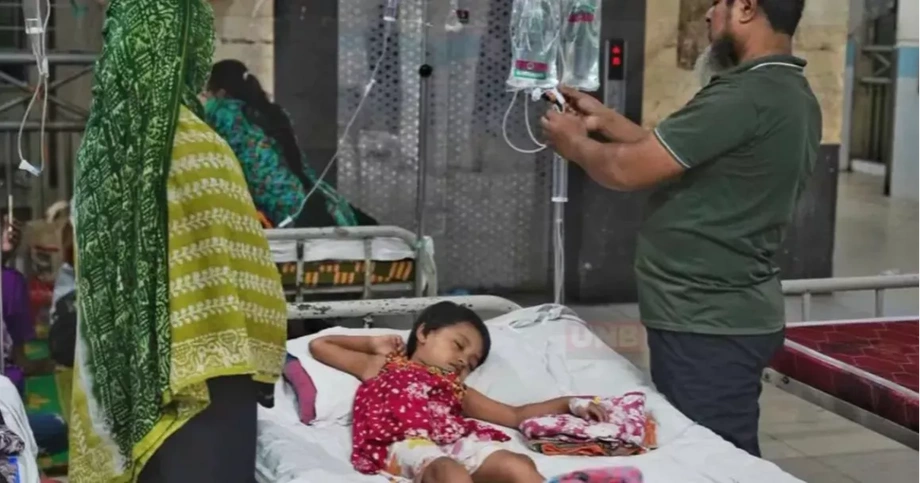
Hospitals were treating 6,023 dengue patients after 112,111 had been discharged since January. The figures show the continuing pressure on treatment services as mosquito specialists warn that transmission could remain a concern through November, with a more substantial improvement potentially taking until December.
Three of the four people who died in the latest reporting period were men and one was a woman. DGHS summaries placed two deaths in Mymensingh division and one each in the hospital systems serving Dhaka North City Corporation and Dhaka South City Corporation.
October has brought a particularly heavy toll. During the first 21 days of the month, 123 people died, accounting for roughly one third of the 368 deaths recorded by October 22. That concentration makes the coming weeks important for both hospital readiness and efforts to stop mosquitoes breeding.
The government has announced a public awareness programme lasting three months and refresher training for about 3,000 doctors. Dhaka's two city corporations are also stepping up mosquito control, although specialists say the work needs to reach water containers, construction sites and hidden spaces inside buildings, rather than concentrating on streets and drains.
How quickly has the hospital burden grown?
Bangladesh had recorded 99,275 admissions and 303 deaths by October 11, when admissions approached 100,000. By October 22, the totals had increased by 19,227 admissions and 65 deaths. That represents about 19 percent more admissions in 11 days.
DGHS figures for October 18 put cumulative admissions at 112,400, discharges at 106,026 and deaths at 348. The latest update therefore adds 6,102 admissions and 20 deaths over four days, alongside 6,085 additional discharges.
The main milestones show a sustained demand for hospital care:
- October 11: 99,275 cumulative admissions and 303 deaths.
- October 18: 112,400 cumulative admissions, 106,026 discharges and 348 deaths.
- October 22: 118,502 cumulative admissions, 112,111 discharges and 368 deaths, with 6,023 patients still in hospital.
Hospital admissions count people receiving inpatient treatment. The broader number of infections also includes people treated without admission and people who never receive a diagnosis. For families and health services, the admission figures describe the part of the outbreak requiring hospital beds, testing and clinical care.
Where are new patients being admitted?
Dhaka division recorded 507 of the latest admissions. Within that total, hospitals in Dhaka North City Corporation admitted 111 patients and those in Dhaka South City Corporation admitted 146. Another 250 were admitted elsewhere in Dhaka division.
Chattogram recorded 294 admissions, Barishal 231, Khulna 206, Mymensingh 60, Rangpur 44 and Sylhet eight. The regional breakdown that matches the national total lists 162 admissions in Rajshahi; another published breakdown gives 164.
Dhaka division's 507 admissions accounted for about one third of the national daily total. Hospitals outside the two Dhaka city corporation areas received 1,255 patients, or about 83 percent of all new admissions. That group includes hospitals elsewhere in Dhaka division as well as those across the other divisions.
The distribution puts district hospitals and local mosquito control services at the centre of the response alongside the capital. Patients are entering hospitals across the country, so the need for trained staff, testing supplies and treatment capacity extends far beyond Dhaka's municipal boundaries.
October's deaths add to a heavy annual toll
Women accounted for 52.9 percent of dengue deaths recorded so far this year, compared with 47.1 percent among men, according to the DGHS figures. The latest daily deaths had a different distribution, with three men and one woman dying during the reporting period.
Bangladesh began keeping national records of dengue hospital admissions and deaths in 2000. Its worst recorded year was 2023, when 321,179 patients were admitted and 1,705 died. Those remain the highest annual totals in the country's records.
Last year's figures were approximately 102,000 recorded patients and more than 400 deaths. This year's 118,502 hospital admissions have already passed that approximate annual patient total, although the current death toll remains below last year's figure.
October's 123 deaths during its first 21 days also follow a September toll of 148. With October still incomplete at the time of the latest update, hospitals and local authorities face an extended period of demand rather than a brief surge confined to the usual monsoon months.
Why specialists are watching November and December
Kabirul Bashar, an entomologist and professor in Jahangirnagar University's zoology department, warned that dengue conditions could remain concerning during October and November. He said infections might ease somewhat in November, while a substantial improvement could take until December.
Bashar called for continued prevention and closer monitoring in the field. His central recommendation is to find where Aedes mosquitoes are breeding, identify which types of places contain the most larvae and check whether the chemicals being used are working.
Aedes mosquitoes transmit dengue through their bites. Before becoming flying adults, they develop as larvae in water. Finding and treating those water sources can interrupt the production of new mosquitoes, which is why specialists are asking authorities to look beyond places where adult insects are already visible.
Bashar said regular surveys should assess insecticide quality, application methods and results in the field. He also called for better information sharing between health agencies and local government, helping mosquito control teams identify areas where illness and breeding activity are increasing.
The breeding places that street cleaning can miss
Homes, construction sites, basements, parking areas and rooftops can all contain water where Aedes mosquitoes breed, Bashar said. Flowerpots, tanks, discarded containers and spaces between buildings also need attention. Some of these locations sit beyond the reach of routine street cleaning.
Mushtaq Hossain, a public health specialist and former chief scientific officer at the Institute of Epidemiology, Disease Control and Research, called for regular destruction of larvae in unfinished buildings, abandoned vehicles, open drums, flowerpots and broken containers.
Fogging releases insecticide into the air to target adult mosquitoes. Larviciding targets their immature stages in water. Hossain said fogging and occasional inspections accompanied by fines were insufficient without repeated work at the places producing new mosquitoes.
Coastal communities face another practical issue because many households store rainwater for long periods. Hossain called for training and supplies for safe larva control or water treatment methods in those settings. He also urged stronger preventive work immediately after rain, when new collections of standing water can form.
For residents, the concrete tasks identified by specialists are to prevent water accumulating around homes, clean water containers regularly and remove standing water after rainfall. Municipal teams also need access to construction sites and shared building spaces that individual households cannot manage alone.
What Dhaka's city corporations are doing
Dhaka South City Corporation identified 63 of its 75 wards as vulnerable to dengue in its survey before the monsoon. That is 84 percent of its wards, showing how widely its prevention work needs to reach.
The corporation has divided its 75 wards into 10 zones for coordinated cleaning. It plans special operations every Saturday for the next three months, with stronger mosquito control in areas identified as vulnerable.
Dhaka South administrator Md Abdus Salam described dengue as a national crisis and said public participation was needed alongside government action. The planned operations combine municipal work with an appeal for residents to take responsibility for standing water around their properties.
Dhaka North administrator Shafiqul Islam Khan said the corporation was carrying out larviciding, fogging and awareness activities. Its work includes identifying breeding locations, cleaning campaigns and mobile court operations concerning Aedes larvae.
Dhaka North has also involved Bangladesh National Cadet Corps and Bangladesh Scouts members in awareness activities, and held discussions with religious leaders and school and college heads. Khan urged residents to prevent water collecting on roofs and balconies.
Hospital preparation and earlier mosquito warnings
The Health Ministry's response includes a public awareness programme lasting three months and refresher training for about 3,000 doctors in dengue patient management. Authorities have also taken steps to secure beds, testing kits and intravenous fluids in government hospitals.
Hossain called for rapid identification of patients and timely treatment for those with severe illness, alongside destruction of breeding sites. With 6,023 patients currently admitted, the response needs both immediate clinical capacity and prevention that reduces future demand.
Dhaka University researchers are also developing ways to detect rising mosquito activity earlier. Following the announcement of a smart mosquito trap on October 16, they plan to place 10 to 15 devices in residential areas under Dhaka South City Corporation during June and July 2027.
The device, MAST-CloudNet, uses sound to attract male Aedes mosquitoes, then photographs and counts them with artificial intelligence. A campus trial caught 49 Aedes mosquitoes with the sound lure, compared with one in a similar trap without sound. Its planned neighbourhood trial is intended to help turn mosquito counts into maps for directing preventive work.
The immediate timetable remains the municipal campaigns over the coming three months and continued hospital preparation. No precise date has been given for when the current outbreak will subside; Bashar's assessment points to possible improvement in November and a more substantial easing in December.
A wider regional health challenge
The World Health Organization's figures cited for January through August put dengue infections above 2.2 million across 97 countries and territories, with about 1,200 deaths. The Pan American Health Organization recorded approximately 1.6 million suspected cases and more than 500 deaths in the Americas during the year.
Brazil and Colombia continued to face transmission, although the Americas recorded fewer cases than in the previous year. Dengue also continued in Vietnam, Indonesia, Malaysia, Cambodia and Thailand. The figures cover different periods and include different case categories, including suspected infections and hospital admissions.
Hossain identified climate change, urban growth, rainfall patterns and local mosquito breeding conditions as factors shaping dengue's spread. In Bangladesh, the immediate priorities he set out are practical: find patients early, treat severe illness promptly and sustain coordinated work against the places where mosquitoes reproduce.
Key Points
- Bangladesh recorded four dengue deaths and 1,512 hospital admissions in the 24 hours ending on October 22.
- The annual totals reached 368 deaths and 118,502 admissions, with 6,023 patients still in hospital.
- October's first 21 days accounted for 123 deaths, roughly one third of the year's toll.
- Hospitals outside Dhaka's two city corporation areas received about 83 percent of the latest admissions.
- Dhaka South identified 63 of its 75 wards as vulnerable to dengue.
- Specialists called for regular destruction of breeding sites and warned that substantial improvement could take until December.