More than 75,000 young children among respiratory cases
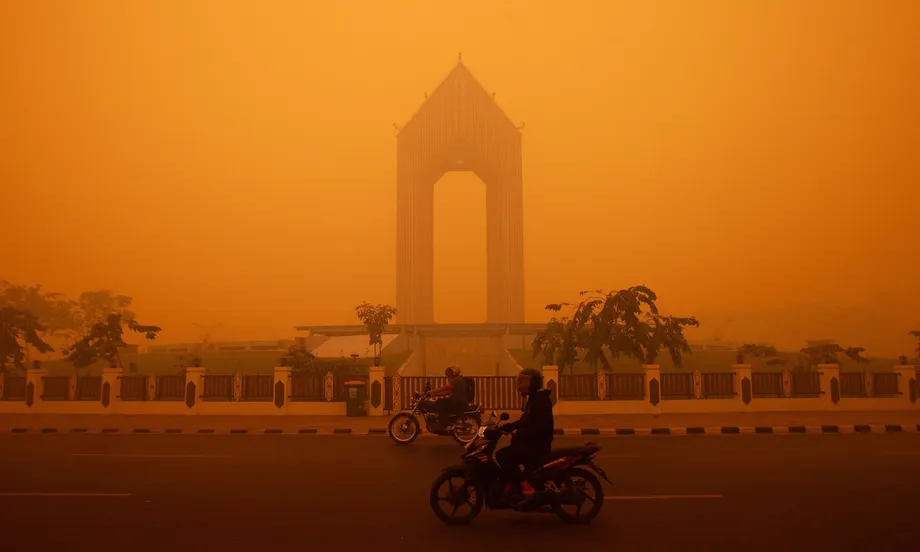
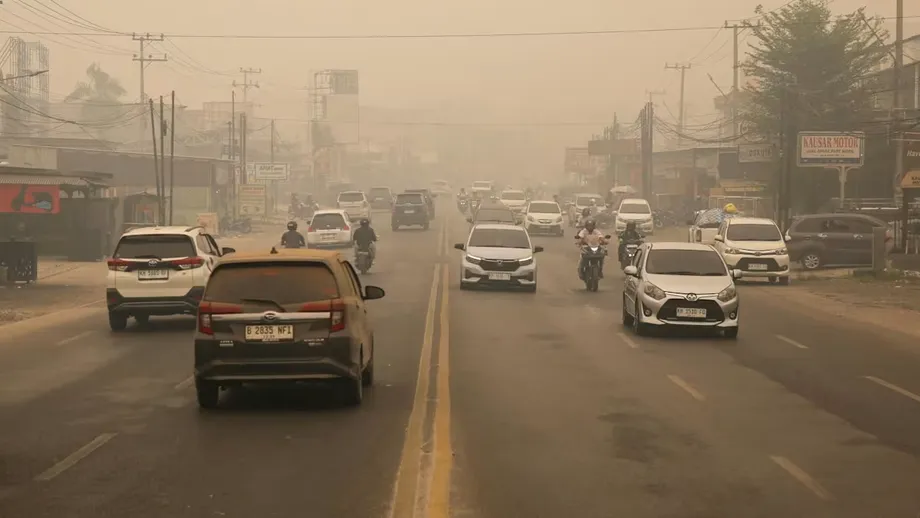
Indonesia's Health Ministry has recorded 333,470 cases of acute respiratory infection in areas affected by forest and land fires, as authorities expand emergency oxygen services and investigate companies linked to burning concessions. The latest ministry update included 75,172 cases among children under five and 4,522 cases recorded in a day.
Contents
- More than 75,000 young children among respiratory cases
- Where the health burden is greatest
- Oxygen services move closer to residents
- What the emergency funding provides
- Why the fires have spread so widely
- Farm losses reach from Kalimantan to Papua
- Recovery also means protecting land rights
- Companies face investigations and legal pressure
- Smoke crosses borders as scrutiny widens
- Fire crews, families and wildlife bear the cost
- What the aircraft operations are doing
- Key Points
The figures follow a tally of 314,124 cases across seven provinces and 65 districts and cities between August 20 and October 20, 2026. That earlier total included 70,890 cases among children aged zero to five. South Sumatra and South Kalimantan together accounted for more than half of those infections.
Indonesia announced Rp1.235 trillion in central government assistance, with the second installment transferred on October 22. Around 71,000 personnel were involved in operations ranging from fighting fires on the ground to dropping water from aircraft.
The emergency extends beyond breathing difficulties. Farmers have lost crops, schools have closed, homes have burned and smoke has crossed national borders. Police named 11 companies as suspects on October 21, while Singapore has issued preventive notices to 10 companies under its Transboundary Haze Pollution Act.
Nusantara Atlas, an independent monitoring platform, estimated that 1.92 million hectares had burned by the end of September, more than double its figure at the end of August. The Indonesian government had not confirmed that national estimate. The Indonesian Peasants' Union, known as SPI, is calling for health assistance and farmland restoration alongside protection against the loss of community land rights.
Where the health burden is greatest
South Sumatra recorded 82,177 respiratory infection cases through October 20, followed by South Kalimantan with 78,894. Their combined 161,071 cases represented about 51.3 percent of the 314,124 cases counted at that point.
West Kalimantan recorded 55,686 cases, Riau 36,433, East Kalimantan 27,688 and Central Kalimantan 26,740. The ministry described coverage across seven provinces, although the provincial breakdown accompanying the October 20 total listed figures for six.
Children aged zero to five accounted for 22.6 percent of that earlier total, while people older than five accounted for 243,234 cases, or 77.4 percent. In the later update, the ministry recorded 258,258 cases among people older than five, alongside the 75,172 among children under five.
Acute respiratory infection, known in Indonesia as ISPA, covers infections affecting the airways. Smoke can irritate those airways and worsen breathing problems. The ministry's surveillance records illness in communities affected by the fires, where medical teams must manage both smoke exposure and infections.
Central Kalimantan also recorded 1,400 pneumonia cases and 81 cases of illness with symptoms resembling influenza. West Kalimantan reported 4,314 cases of acute diarrhoea. In Riau, health services recorded 720 skin conditions, including itching and scabies, 232 eye complaints treated at community health centres and 52 cases of heatstroke.
Oxygen services move closer to residents
The Health Ministry has expanded emergency services to about 491 locations, particularly in Riau, Jambi, South Sumatra, West Kalimantan, Central Kalimantan and South Kalimantan. An October 21 ministry account put the number of oxygen facilities at 477.
Ten Suyanti, the ministry's director of environmental health, described oxygen houses as rooms or buildings equipped with oxygen cylinders or concentrators. A concentrator draws in surrounding air and supplies oxygen at a higher concentration. Nurses monitor patients and provide medicines to relieve symptoms when needed.
Many facilities operate within existing health centres. Local authorities are also using mobile vehicles carrying oxygen concentrators to reach residents, including children and older people. Suyanti said the public could locate facilities through the ICT Watch application.
At 3 p.m. Western Indonesian Time on October 20, Central Kalimantan had 295 oxygen houses, South Kalimantan 127 and West Kalimantan 35. Regional staffing figures listed 3,938 health personnel in East Kalimantan, 1,411 in Jambi and 487 in Central Kalimantan; an October 21 ministry account gave a total deployment of more than 2,600 without explaining the difference in coverage.
What the emergency funding provides
Coordinating Minister for Human Development and Cultural Affairs Sugiono said central assistance was distributed in two stages, beginning on September 7 and continuing on October 22. Health priorities include masks, portable oxygen, oxygen houses and treatment for respiratory infections.
Fire crews are receiving protective equipment, pumps, hoses and tools that inject water into peat, alongside support for drilled wells, transport and operational supplies. Peat is soil made from accumulated plant material. Once drained and dried, it can burn beneath the surface and keep producing smoke after visible flames disappear.
Between August 19 and October 20, the Health Ministry distributed 1,001,680 surgical masks, 89,050 N95 masks and 40,000 medical gloves. It also sent 3,632 protective goggles, 3,250 nasal cannulas, 2,450 nasal oxygen devices, 800 nebuliser masks and 200 oxygen masks.
Medicine shipments included 448,600 diarrhoea treatments, 60,700 antihistamines, 34,560 cough medicines, 24,900 bronchodilators, 4,500 fever medicines, 4,200 corticosteroids and 1,050 antibiotics. Bronchodilators help open narrowed airways. Oxygen, vitamins and ointments were also supplied.
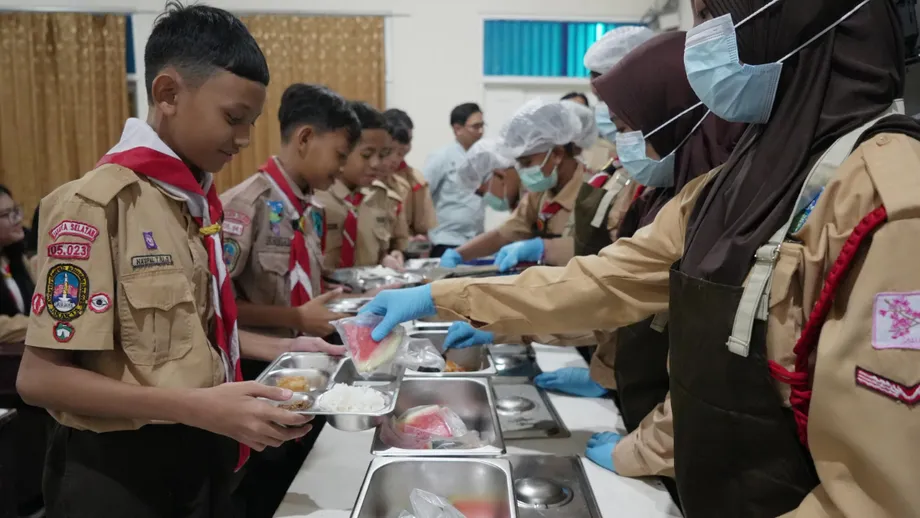
The ministry urged residents to reduce outdoor activity and work or study from home where possible. For people who must go outside, it recommended N95 or KN95 masks. It also advised nutritious meals, enough drinking water and adequate rest.
Why the fires have spread so widely
Dry conditions since June and a strong El Niño event have helped fires spread through forests, peatlands and plantations. El Niño is a warming pattern in the tropical Pacific that can reduce rainfall in Indonesia, leaving vegetation and soil drier.
Years of deforestation and peatland drainage have made previously wetter landscapes more vulnerable. Fires used to clear agricultural land can escape into neighbouring areas, while burning peat creates a persistent challenge for crews trying to reach the heat below ground.
WALHI, the Indonesian Forum for the Environment, mapped NASA fire detections classified as having high confidence and found about half inside concessions, areas licensed for commercial activities. Its October report listed 40 timber and palm oil concessions by the number of detected hotspots.
David Gaveau, founder of Nusantara Atlas, described what satellite images can reveal about ignition locations:
In some cases, the satellite photos clearly show that fire starts inside, but we cannot say whether it's by design or whether it's accidental.
Gaveau said imagery also showed instances in which fires began outside concessions and spread into them. Investigators therefore face questions about ignition, land management and the measures taken to stop flames spreading.
Farm losses reach from Kalimantan to Papua
SPI's regional fire assessment, published by La Via Campesina, documents damage across seven provinces. SPI chairman Henry Saragih called for public safety and farmers' livelihoods to take priority, with disaster assistance accompanied by protection for community land rights.
In Melawi, West Kalimantan, an October 20 assessment by SPI regional chairman Zulkarnaen Jais recorded approximately 629 hectares burned in Laman Bukit, 405 in Batu Nanta and 230 in Tekaban. Those figures total 1,264 hectares. Schools closed in Laman Bukit, where about 30 hectares of farmers' rubber and oil palm plantations burned. Tekaban lost about 80 hectares of such plantations.
SPI's Jambi chapter reported approximately 2,000 hectares burned in Simpang Datuk and about 5,000 hectares across several districts in Merangin. In Tebo, where members have a land dispute with a company, the union formed a fire response team and organised patrols around the clock.
South Kalimantan's SPI chapter recorded 11,208 hotspots from January through September and an estimated 64,155.8 hectares burned through August. In Central Sulawesi, the regional disaster agency recorded 231 fire incidents affecting about 1,838.88 hectares across 12 districts and cities through September. Smoke reduced visibility for flights, while fires in Poso reached homes and public facilities.
North Maluku's Independent Forestry Monitoring Network estimated about 3,314 hectares affected; local government figures recorded about 302 hectares between July and September 18. In Lalonga, North Halmahera, SPI reported losses of coconut, nutmeg and clove crops.
In Central Papua, SPI cited the Forestry Ministry's SiPongi monitoring system: approximately 561 hectares burned in Dogiyai, 687 in Paniai and 189 in Nabire. Damage included customary land, gardens and crops such as root vegetables, bananas and coffee. SPI linked farmland damage in Nabire with rising vegetable prices.
Recovery also means protecting land rights
South Sumatra's SPI chapter documented about 25 hectares of farmers' land burned at its Rengas base and another eight hectares at Lubuk Bandung. It also reported four to six hectares burned by a fire believed to have spread from sugarcane harvesting involving controlled burning in the State Plantation Company VII Cinta Manis area.
SPI wants investigations based on field evidence, land use records and ecological conditions, together with assistance that lets farmers restore production. Its assessment warns that burned land should not be treated as abandoned or taken over for large projects without protecting residents' rights.
The union recommends managing plant waste, composting, monitoring hotspots and supporting community patrols instead of clearing land by fire. For families who have lost productive trees and crops, recovery involves restoring income and food supplies as well as making land safe again.
Companies face investigations and legal pressure
National Police Chief General Suyudi Ario Seto announced 11 corporate suspects on October 21 after investigations into 98 reports of suspected company involvement. Three suspects were companies with foreign investment, which he did not identify. Police said they were examining ownership structures and evidence concerning owners and shareholders.
Indonesia has also announced administrative sanctions against dozens of firms and criminal proceedings involving 125 individuals and corporations. WALHI campaigners have urged stronger enforcement, including payment of fines and completion of restoration obligations imposed in earlier cases.
First Resources said fires starting outside its boundaries had spread into land it managed. Asia Pulp and Paper said fires in supplier concessions could have several causes, including accidental ignition or spread from elsewhere.
Azam Hawari, a lawyer with environmental organisation ClientEarth, explained that companies can face civil responsibility for their fire precautions and land management:
An external source of ignition or extreme weather does not necessarily absolve a company of civil liability.
Hawari said companies must maintain sufficient personnel and equipment to respond to fires, and activities such as peatland drainage can carry legal responsibilities because of environmental risks. WALHI also called for attention to Indonesian governance and enforcement rather than concentrating blame on foreign investment.
WALHI identified fires in and around Riau concessions held by PT Arara Abadi and PT Sekato Pratama Makmur, estimating about 616 hectares and 115 hectares burned respectively in March. Catholic student organisation PMKRI and the Javanese Christian Churches Synod have called for transparent investigations and reviews of permits and peatland protection.
Smoke crosses borders as scrutiny widens
Singapore issued preventive notices to seven Indonesian companies on October 16 and three more on October 19. Under its Transboundary Haze Pollution Act, the notices require action to fight fires, prevent further burning and submit plans. Failure to comply can bring legal action, including fines.
Haze forced school closures in Malaysia and East Timor and reached Singapore and the Philippines. Singapore also topped IQAir's live ranking of the most polluted major cities during the episode. Indonesia agreed to accept assistance from neighbouring countries, with operational arrangements still being finalised.
Holly Yang, an accounting professor at Singapore Management University, and student Ashmit Bansal mapped concession ownership, creditors, investors and commercial partners following WALHI's findings. Yang described the reach of those relationships:
The fires occur in Indonesia, but the ownership, financing and commercial relationships extend across borders.
Protesters have demanded a national disaster declaration and stronger government action. A court case in West Kalimantan targets President Prabowo Subianto and other officials. Demonstrators outside the Chinese embassy in Jakarta also called for solidarity from importers of Indonesian palm oil, mining and forestry products.
Fire crews, families and wildlife bear the cost
Five people were reported killed fighting a fire in Bromo Tengger Semeru National Park, with two others suffering severe burns; another account put the death toll there at four. In South Kalimantan, the Mahatir Mohammad Zain Foundation said a volunteer aged 51 died after experiencing chest tightness while fighting a fire in Barito Kuala.
In South Bangka, fires destroyed 305 houses, affected about 1,800 residents and forced roughly 500 to evacuate. MapBiomas Fire Indonesia recorded 82,400 hectares burned across 210 conservation areas through August, including 46 national parks. At least 20,360 hectares of habitat used by tigers, orangutans, rhinos and Sumatran elephants were affected.
The Forestry Ministry said 290 wild animals had received treatment by October 8. Orangutan rescue centres in Borneo reported increased admissions of animals found burned, stranded or struggling to breathe.
In East Java, the governor urged communities to pray for rain. About 250 pupils joined teachers in prayers at a vocational high school in Malang. Alongside those gatherings, authorities continued ground operations, aerial water drops and weather modification.
What the aircraft operations are doing
BNPB, Indonesia's disaster management agency, says its dry ice operations are intended to disperse dense smoke and improve visibility. Agency spokesman Berton Panjaitan said crews on the ground remain responsible for extinguishing the fires.
Aircraft release dry ice at heights of 5,000 to 7,000 feet beneath the smoke layer. BNPB says the operation is designed to cool and disperse the smoke, allowing sunlight through and helping smoke rise. Salt seeding is used when suitable clouds are present to encourage rainfall.
Central Kalimantan had 13 weather modification flights, including nine that dispersed 4,400 kilograms of dry ice and 3,800 kilograms of salt. Six flights in South Sumatra dispersed 4,000 kilograms of dry ice and 800 kilograms of salt around Palembang, Banyuasin, Ogan Komering Ilir and Ogan Ilir.
BNPB reported that visibility in South Sumatra improved from 300 metres at 9 a.m. to 2,800 metres in the afternoon. The agency described improved visibility and reduced particle concentrations as preliminary results.
The main developments have unfolded across several weeks:
- September 7: The first installment of central government fire assistance was distributed.
- End of September: Nusantara Atlas estimated 1.92 million hectares burned.
- October 16 and 19: Singapore issued notices to 10 companies.
- October 20: Indonesia's respiratory infection tally reached 314,124.
- October 21: Police announced 11 corporate suspects.
- October 22: The second aid installment was transferred, bringing central assistance to Rp1.235 trillion.
Key Points
- The latest Health Ministry update recorded 333,470 respiratory infection cases, including 75,172 among children under five.
- Emergency oxygen services expanded to about 491 locations, supported by mobile vehicles.
- Central government assistance totals Rp1.235 trillion, with around 71,000 personnel involved in the response.
- Police named 11 companies as suspects; Singapore issued preventive notices to 10 companies.
- SPI documented damage to farms and customary land and called for restoration and protection of community rights.
- Ground crews are fighting the fires while aircraft support water drops, rainfall efforts and smoke dispersal.