A proposed legal change as 68 companies face checks
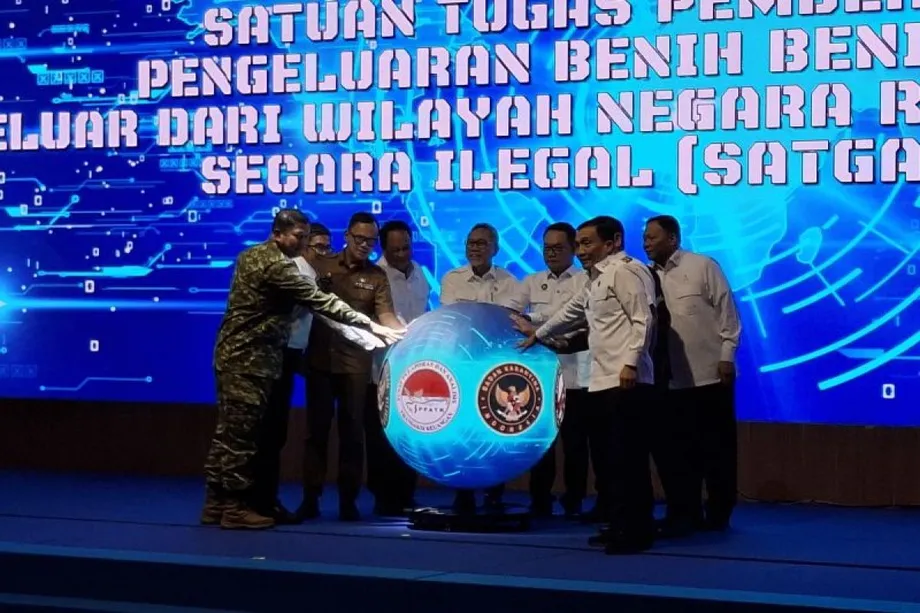
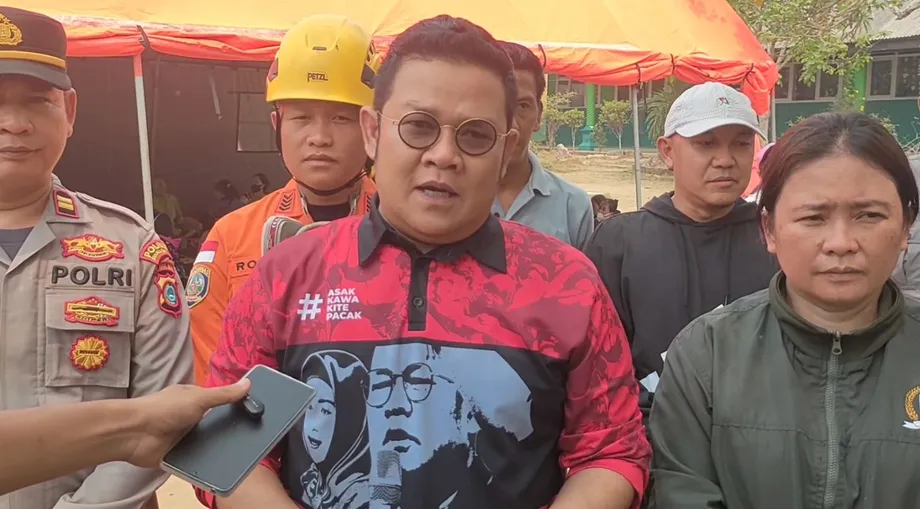
Indonesia plans to remove the local wisdom provision associated with burning up to two hectares of land per household, while authorities investigate fires in company concessions and seek to extinguish continuing forest and land blazes within weeks. Environment Minister Jumhur Hidayat said 68 companies holding concessions had been sealed and were undergoing verification, with dozens of people named as suspects.
Contents
- A proposed legal change as 68 companies face checks
- What the existing two hectare provision means
- How the proposal developed
- Why unplanted concessions are under scrutiny
- Sealed concessions are not findings of guilt
- Affordable alternatives are part of the plan
- What the 2023 fire analysis shows
- Water shortages complicate the firefighting target
- Health risks and climate claims need separate measures
- Key Points
The proposal targets Article 69(2) of Law No. 32 of 2009 on Environmental Protection and Management. It would remove the legal accommodation for certain traditional land clearing practices, rather than introduce Indonesia's first prohibition on burning. Article 69(1)(h) already prohibits clearing land by fire.
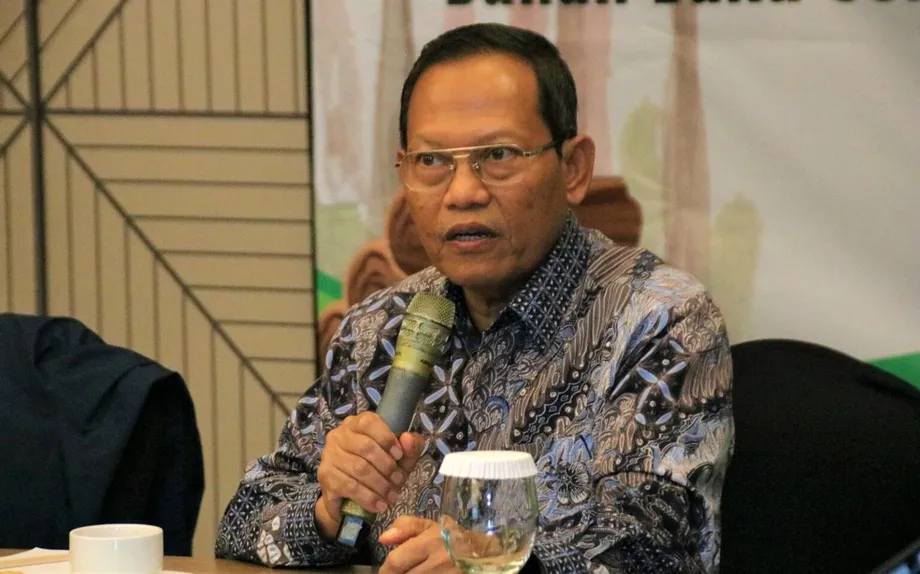
Jumhur said on October 12, 2026, that the government had agreed to propose a revision to the House of Representatives, known as the DPR. He discussed the initiative again after the Prasasti Indonesia Policy Forum 2026 in Jakarta on October 13. No enacted amendment or parliamentary timetable has been announced.
The environment minister described the provision as a possible starting point for fires that spread beyond the land being cleared.
"The government is initiating the removal of the article that allows burning fields up to two hectares. We will remove the provision for opening fields by burning," Jumhur said.
A separate proposal would prevent burned, previously unplanted concession areas from being converted into industrial plantations, including oil palm. Together, the measures seek to address two different incentives: cheap clearing for households and the potential commercial gain from fires on land awaiting development.
Both proposals remain subject to legal work. Suspicions about deliberate burning also require investigation, rather than conclusions based solely on where a fire occurred.
What the existing two hectare provision means
The distinction between the general prohibition and the local wisdom provision is central to the debate. Forestry and environmental law expert Sadino said the law must be read together with its explanatory text, which describes burning no more than two hectares per household for local crop varieties, surrounded by firebreaks to prevent flames spreading.
A firebreak is a strip intended to interrupt the movement of fire between areas. Its presence is one of the conditions described for traditional clearing, not a guarantee that burning will remain contained under every weather or land condition.
Sadino said the provision is not a general permit to burn forests or any two hectare plot. Its limits involve the purpose of cultivation, the household undertaking it and measures to contain the flames. One account describes the allowance as two hectares per household per year, while the other legal descriptions give a household limit without specifying an annual period. That detail needs clarification in the revision debate.
The government's stated target is the local wisdom provision associated with Article 69(2), not the removal of the existing prohibition in Article 69(1)(h). A draft amendment would be needed to establish the precise wording and scope of the change.
How the proposal developed
The October initiative follows earlier presidential directions to prevent burning and provide alternatives. It also extends a policy approach that has combined rapid fire response, support for communities and penalties for offenders across successive administrations.
- February 22, 2021: President Joko Widodo called for daily monitoring, immediate response, permanent alternatives to burning and strict penalties at a national coordination meeting in Jakarta.
- September 17, 2024: The United Nations Office for Disaster Risk Reduction published an analysis of Indonesia's 2023 wildfires, including the economic reasons for land burning and concerns about the treatment of traditional farmers.
- August 24, 2026: President Prabowo Subianto directed officials meeting in Pekanbaru, Riau, to reinforce the burning ban, organize clearing assistance and investigate suspected corporate involvement.
- October 12, 2026: Jumhur announced agreement to propose a legal revision during preparations for Indonesia's delegation to the COP31 United Nations climate conference.
- October 13, 2026: Jumhur discussed the revision, concession investigations and firefighting efforts at the Prasasti Indonesia Policy Forum in Jakarta.
Reports agree on October 13 for the forum remarks but differ on the weekday, with one describing Monday and others Tuesday. The policy announcement is consistently dated October 13, 2026.
Why unplanted concessions are under scrutiny
Jumhur has focused attention on fires in unplanted concession areas in Kalimantan, the Indonesian part of Borneo. A concession gives a company rights to operate within a defined area, subject to its permit and legal obligations. A fire inside that boundary can trigger scrutiny of how the area was managed and protected.
The minister said repeated fires on land not yet planted were suspicious because they might provide a shortcut to opening plantation areas. He contrasted that situation with fires in productive plantations, where flames destroy existing crops and directly damage the company's business.
That distinction is a reason to investigate, not proof of a crime. Field checks and evidence are needed to establish whether a fire was deliberately started, spread from elsewhere or occurred under other circumstances. The government says severe punishment would follow if intentional burning is proven.
The proposed planting restriction aims to remove the later benefit of a fire. If an unplanted area burns and can then be developed for oil palm or another industrial crop, authorities fear that burning may become an inexpensive route to conversion.
Accounts describe the measure variously as a ban on industrial crops and a prohibition on planting plantation commodities on burned, empty concessions. Its exact coverage, legal basis and decision process have not been settled publicly. Describing it as a restriction on future planting is more precise than replanting where no crop previously existed.
Sealed concessions are not findings of guilt
The sealing of 68 companies holding concessions is part of an enforcement and verification process. It does not establish that all 68 deliberately caused fires, nor does the announcement provide a completed finding against each company.
Jumhur said companies should be handled according to the principle of strict liability, particularly for fires within concession areas. In environmental law, strict liability concerns responsibility without the usual requirement to prove fault. It is distinct from establishing that someone intentionally committed a criminal act.
The minister also said verification was needed to distinguish companies suspected of setting fires from those whose land was affected by fire. Authorities therefore face separate questions about environmental responsibility, prevention duties and evidence of deliberate burning.
Prabowo's August directions called for police, prosecutors and intelligence agencies to investigate corporate involvement, with operational permits revoked for companies found responsible. Sadino said reviewing the household provision does not reduce business obligations to prevent and handle fires under existing regulations.
No company names, completed case findings or breakdown of the dozens of suspects were announced in the accounts of these remarks. The enforcement figures show the scale of scrutiny, but do not establish how many investigations will result in sanctions or prosecutions.
Affordable alternatives are part of the plan
The Indonesian Forest Concessionaires Association, known as APHI, supports revising the provision, but its chair, Soewarso, said communities need practical assistance to move away from burning. He called for equipment, technical guidance and access to financing that would make other clearing methods affordable.
Soewarso said plot size alone cannot determine safety. Weather, land characteristics, water supplies, equipment and available personnel also affect whether a fire can be controlled. His position links the legal change to the ability of communities and authorities to carry it out.
Jumhur said the government would seek solutions for local communities needing funds to clear land outside concession areas. Potential support would include South Sumatra, Kalimantan and other specified locations. He raised climate funding as a possible way to meet clearing costs while avoiding emissions from burning.
The proposed assistance is not yet a funded program with published eligibility rules, a budget or a starting date. Accounts also differ on its likely scale: one describes areas totaling fewer than thousands of hectares, while another quotes Jumhur saying the area would not reach hundreds of thousands of hectares. Neither establishes a verified total.
Prabowo's August proposal offered another route: residents would request assistance through local officials, with organized clearing managed by farmer groups and potentially funded through cooperatives using state subsidized KUR loans. Loans and climate funding are different instruments, and no final relationship between them has been announced.
Sadino called for consultation with Indigenous and local communities, regional governments and academics. He also said changes to the law must follow the statutory process, with related government and regional regulations adjusted where necessary.
What the 2023 fire analysis shows
The United Nations Office for Disaster Risk Reduction's 2023 wildfire analysis, published on September 17, 2024, provides a useful measure of the risks behind the current debate. It recorded 1.16 million hectares burned in 2023, five times the area burned in 2022.
The analysis attributed 98 percent of fires to human activities and identified cheap clearing for crops, particularly oil palm, as a key driver. It also described prolonged dry conditions associated with El Nino as a major contributor to the 2023 increase. Human ignition and dry weather can combine, with one starting fires and the other making them harder to contain.
The study recorded 2,608 hotspots between January and September 2023, compared with 441 during the same period in 2022. That is about 5.9 times as many. South Kalimantan, Central Kalimantan and South Sumatra were among the most affected provinces, overlapping with areas now being discussed for alternative clearing assistance.
Hotspots are detected heat signals, not a direct measurement of burned hectares or a count of proven deliberate fires. Different detection periods and methods also matter when comparing hotspot totals.
The analysis warned that fire bans have been criticized for disproportionately affecting traditional farmers, while major corporations have had a larger environmental impact. That finding supports the case for pairing legal restrictions with affordable alternatives and consistent enforcement across households and businesses.
Water shortages complicate the firefighting target
Jumhur said he expected fires to be extinguished within a few weeks, rather than a full month, following discussions with the National Disaster Management Agency, known as BNPB. This was a target expressed during the October forum, not confirmation that the fires had been brought under control.
He cited limited water supplies and operational difficulties for aircraft dropping water on fires. Indonesia had deployed tens of thousands of personnel, with district and provincial administrations among the bodies involved in the response.
The continuing challenge follows the August firefighting mobilization across Indonesia and the September peat fire response in Kalimantan, where volunteers used pumps, pipes and improvised wells to reach fires below the surface. Dry peat can smoulder underground and reignite areas that appear extinguished, making water access especially important.
Jumhur said offers of foreign assistance would be assessed according to their usefulness. Small additional personnel teams may have limited effect beside Indonesia's existing deployment, while extra aircraft need to match operational conditions and water availability.
The emphasis on early intervention is not new. The Cabinet Secretariat's 2021 prevention statement records President Joko Widodo directing officials to monitor hotspots daily, respond at village level and keep peatlands wet through reservoirs, canals, wells and other techniques.
Widodo, Indonesia's president at the time, warned against waiting until fires became difficult to extinguish.
"Do prioritize prevention, don't delay because if it's too late and we even deploy waterbombing as much as we want, from our experience, it will be hard to put out," the President said.
Health risks and climate claims need separate measures
The government says smoke related acute respiratory infections are part of its response, with children, older people and other vulnerable groups at particular risk. No current national count of such illnesses was given alongside the proposed legal revision.
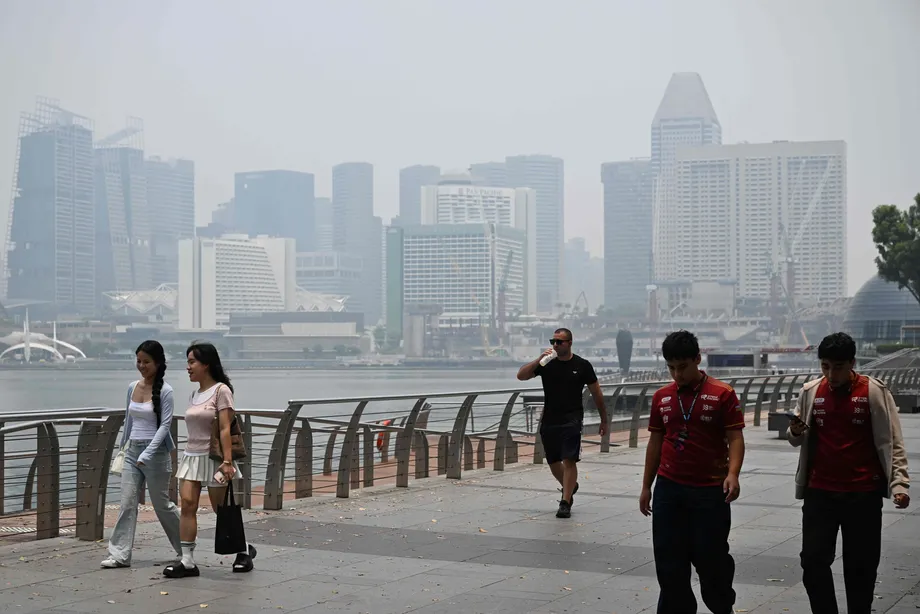
The UN disaster analysis describes severe air quality deterioration in Kalimantan and Sumatra, with haze also traveling across Southeast Asia. It identifies health effects from repeated smoke exposure and disruption to transport, tourism and daily life.
Jumhur linked alternative clearing support to climate finance because avoiding fires can prevent emissions. The UN analysis nevertheless shows why burned area alone cannot measure the climate effect: it reported that much of the 2023 burning occurred in scrubland and degraded forest, with lower greenhouse gas emissions than in 2022 despite a larger burned area.
The type of vegetation and soil burned matters. Peat contains accumulated organic material, so a fire reaching below the surface can release stored carbon as well as produce persistent smoke. Measuring avoided emissions would require more than counting hectares receiving assistance.
The next decisions are therefore concrete: the wording of a proposed amendment, consultation arrangements, funding for alternative clearing and the legal framework for restricting planting on burned concessions. No hearing, vote, assistance deadline or final implementation date has been announced. The immediate timetable remains Jumhur's ambition to extinguish continuing fires within weeks.
Key Points
- Indonesia plans to revise Article 69(2) of Law No. 32 of 2009, removing the local wisdom provision associated with burning up to two hectares per household.
- The law already prohibits clearing land by fire. The existing traditional practice provision includes local crops and firebreak conditions.
- Jumhur said 68 companies holding concessions had been sealed for verification and dozens of people named as suspects.
- A separate proposal would restrict industrial planting on burned, previously unplanted concession land. Its legal details remain unsettled.
- Alternative clearing assistance, including possible climate funding, is under discussion for communities in South Sumatra, Kalimantan and other areas.
- The UN recorded 1.16 million hectares burned in 2023 and warned that fire bans can disproportionately affect traditional farmers.
- The revision has not been enacted, and no parliamentary timetable has been announced. Jumhur aims to extinguish continuing fires within weeks.