
Smoke from Indonesian fires spreads across the region
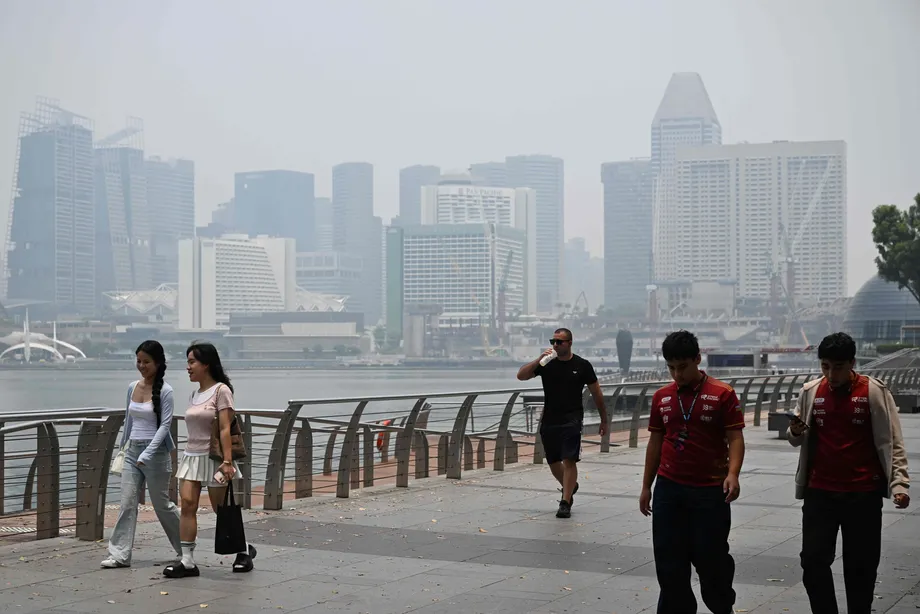
Smoke from wildfires in Indonesia pushed Singapore’s air pollution to the worst level recorded by a global city ranking on Wednesday, while haze prompted school closures in Malaysia. The pollution arrived days before the Singapore Grand Prix, putting public health and outdoor activities under scrutiny as dry weather threatened to keep fires burning.
Contents
- Smoke from Indonesian fires spreads across the region
- What do the air quality readings mean?
- Dry weather and land use fuel the fires
- Health risks extend beyond the cities
- Johor schools close as officials seek regional action
- Singapore Grand Prix prepares contingency measures
- Legal action tests accountability
- The Bottom Line
IQAir ranked Singapore as the world’s most polluted city on Wednesday afternoon, when its air quality was in the “very unhealthy” range. Kuala Lumpur, which had held the top position earlier in the day, ranked second. Singapore’s National Environment Agency (NEA), using its own measurements, said air quality had reached the unhealthy band in all five regions of the city-state.
In Malaysia’s Johor state, officials initially ordered educational institutions in Batu Pahat to close after the local Air Pollutant Index (API) reached 203, a very unhealthy reading. Reports put the district closures at around 200 schools, kindergartens and nurseries, with later accounts citing about 300 institutions. Johor subsequently announced a two-day closure of schools statewide, with home-based lessons planned during the shutdown.
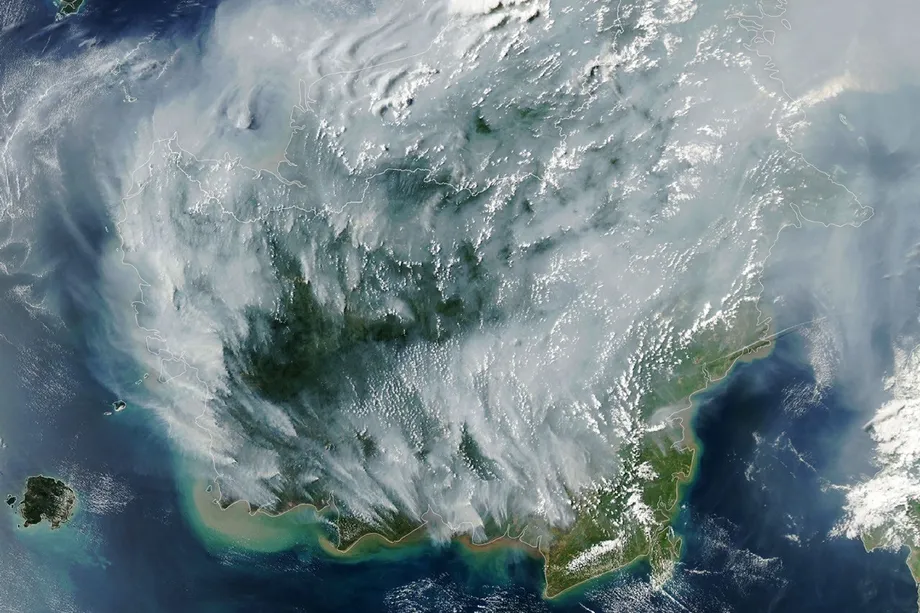
The episode is part of a wider haze crisis linked to fires in Indonesia. Smoke has spread across parts of Malaysia and Singapore, with reports of worsening air in other parts of Southeast Asia. Dry conditions across much of the southern region were forecast to continue, leaving the risk of fires and cross-border haze elevated.
What do the air quality readings mean?
Singapore tracks air quality using the 24-hour Pollutant Standards Index (PSI), which combines readings for six pollutants, including fine particles, ground-level ozone and sulphur dioxide. A PSI from 101 to 200 is classed as unhealthy; 201 to 300 is very unhealthy, and readings above 300 are hazardous. The index reflects pollution averaged over the previous 24 hours.
That measure is different from the 1-hour PM2.5 reading, which tracks fine particles averaged over a single hour. PM2.5 particles are 2.5 micrometres in diameter or smaller. Their size allows them to travel deep into the lungs, making them a key health concern during haze events.
NEA data on Thursday showed the 24-hour PSI remained in the unhealthy range across most of Singapore. The west recorded a high of 160 at 10am, while later readings ranged from 109 in the north to 159 in the central region. The agency also reported moderate transboundary smoke haze over parts of Singapore, Peninsular Malaysia, Kalimantan and Sumatra. Thick smoke and cloud cover made it difficult to determine the full extent of the fires.
Singapore’s readings and Malaysia’s API figures use separate national systems, so their numbers should not be compared directly. In Batu Pahat, Malaysia’s API of 203 crossed the threshold for very unhealthy air. Other Johor locations also recorded unhealthy readings, including Segamat and Pasir Gudang at 171, according to figures reported during the episode.
Dry weather and land use fuel the fires
El Niño, a natural climate pattern that can reduce rainfall in parts of Southeast Asia, has intensified drought conditions this fire season. Researchers have described the event as unusually strong. One regional climate assessment cited rainfall about 80 per cent below normal since June, helping create conditions for an intense fire season. Dry weather does not by itself explain where fires start, however. Land clearing, degraded forests and drained peatlands make many areas easier to ignite and harder to extinguish.
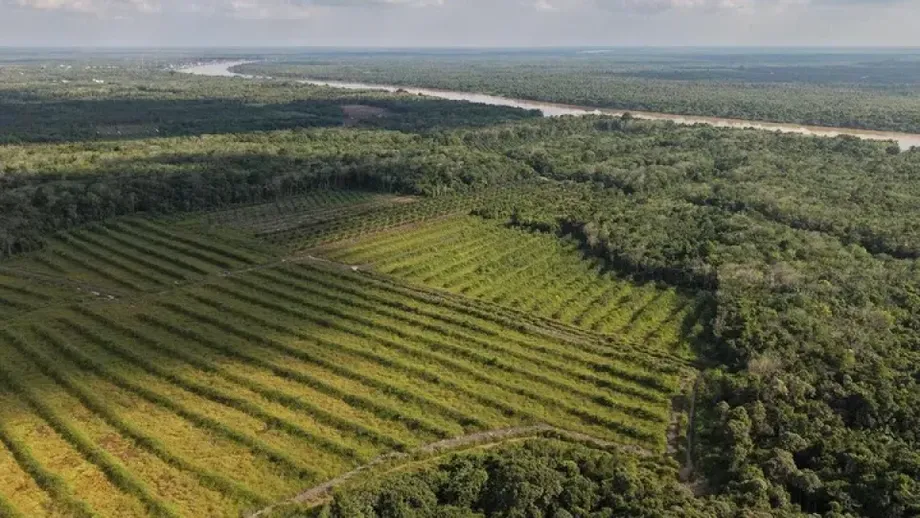
Peatlands are waterlogged ecosystems made up of partially decomposed plant material. When drained for agriculture or development, their organic soils dry out and can burn underground. Such fires may smoulder for long periods, reignite after surface flames appear to be out, and release large amounts of smoke and stored carbon.
Indonesia’s fires have a long history tied to land-use change, including logging, plantations and other large-scale development. Burning can be a cheap way to clear land, though the causes and responsibility for individual fires require investigation. Greenpeace has identified more than 20 palm oil, pulp and sugar companies whose land concessions included sources of smoke from fires during this episode. Indonesian authorities have also reported investigations into companies and individuals, alongside sanctions and permit suspensions.
Estimates of the area burned vary by date and method. Indonesian government figures cited for January through July put the burned area above 202,000 hectares, while satellite-based estimates suggested nearly 896,000 hectares by the end of August. These figures are not directly interchangeable, but both point to a severe season. The number of fire hotspots reported last month was the highest since 2015, according to Indonesia’s SiPongi monitoring platform.
Health risks extend beyond the cities
Haze can irritate the eyes and throat and cause coughing or sneezing. Exposure may worsen asthma and other heart or lung conditions. Children, older people, pregnant women and people with chronic illnesses face higher risks, while prolonged exposure can affect healthy people too.
Health reports from Indonesia have recorded a sharp increase in respiratory infections in fire-affected provinces. One report cited 113,336 cases across seven regions by September 9, more than twice the figure recorded eight days earlier. Other later reports put the cumulative toll above 170,000. The figures cover different reporting periods and areas, but indicate a substantial health burden. Children under five accounted for more than 26,500 cases in the September 9 tally.
Residents have described smoke entering homes and classrooms. In South Kalimantan, a teaching assistant said visibility in her classroom had become so poor that students could not see their own feet. A mother in the area reported that her young daughter developed a cough, sore throat and runny nose. The haze has also reached communities far from the main fires, including parts of the Philippines, where residents reported itchy eyes and throats.
NEA advises people to use the 24-hour PSI forecast when planning outdoor activities. When hourly PM2.5 is elevated, healthy people are advised to reduce strenuous outdoor activity; vulnerable groups should avoid it. The agency also recommends following current health advisories, since conditions can change with wind and rainfall.
Johor schools close as officials seek regional action
Johor’s statewide school closure followed the initial shutdown in Batu Pahat. State education officials said assessments scheduled during the closure would be postponed, subject to decisions by the education department and relevant parties. Home-based teaching was planned to help students continue lessons. Officials also acknowledged that closures could burden parents and guardians who still had to work.
Johor Chief Minister Onn Hafiz Ghazi called on the Association of Southeast Asian Nations (ASEAN) to convene an emergency meeting and take a more active role in addressing the haze. Malaysia’s foreign minister, Mohamad Hasan, separately said Malaysia wanted to speed up operational talks with Indonesia so a Malaysian team could assist with firefighting. Indonesia had accepted an offer of help, but the countries were still discussing how and where assistance would be deployed.
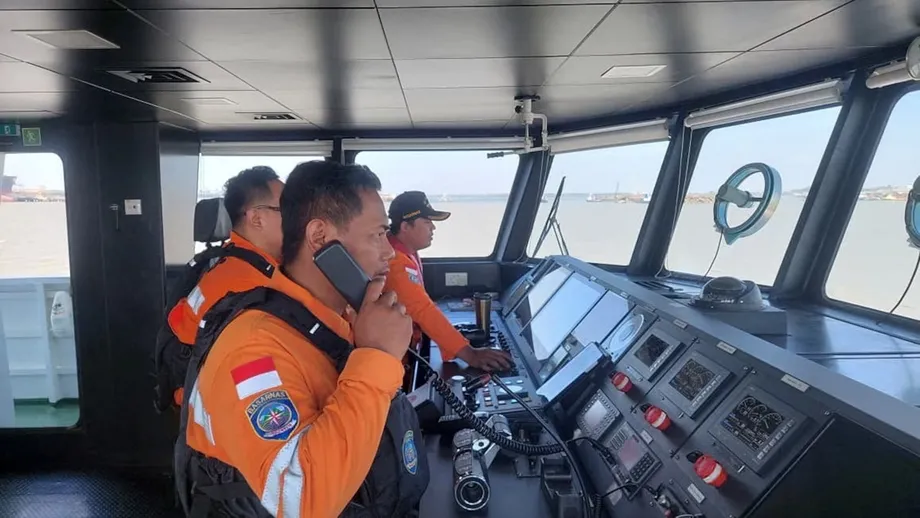
Indonesia has expanded firefighting operations beyond six priority provinces, using ground teams and aircraft, including water-bombing helicopters. Officials have also used cloud-seeding in some areas. The country’s disaster agency has warned that hotspot activity and smoke remain serious, while dry conditions and a delayed rainy season could prolong the fires into October or early November.
Regional coordination has limits. The ASEAN Agreement on Transboundary Haze Pollution is a binding treaty focused on prevention, monitoring and cooperation, but it does not provide a straightforward process for one member state to sue another. ASEAN’s emphasis on consensus and national sovereignty also constrains enforcement. A regional coordination centre established in Jakarta is intended to help countries share information and coordinate responses, though experts say stronger enforcement and prevention remain difficult.
Singapore Grand Prix prepares contingency measures
The Singapore Grand Prix was scheduled to begin on Friday as smoke drifted toward the city. Organisers said they would work with government agencies if haze created visibility, health or operational problems. The Singapore Tourism Board said contingency plans cover different PSI and hourly PM2.5 levels, with measures including updates for people at the Marina Bay Street Circuit and medical assistance and N95 masks on site if required.
The FIA said worsening conditions could lead to restrictions on outdoor activities such as entertainment, while it did not expect the race itself to be affected. Formula One’s spokesperson also said conditions were not at a level of concern. Organisers have faced haze before: the 2019 race went ahead with medical posts on standby and masks available to vulnerable groups. The 2015 event also proceeded, even as pollution worsened in the days afterward.
Drivers face a demanding combination of heat, humidity and a tight street circuit. Air pollution may add to that strain. Researchers cited in reporting on the event have warned that prolonged exposure can affect breathing and may impair cognitive performance, including reaction time. Drivers often train outdoors to prepare for Singapore’s climate, so coaches and medical teams may need to adjust routines if air quality remains poor.
Spectators may spend several hours outdoors, including at concerts and other events, and could have longer exposure than drivers during the race itself. Rain forecast for Friday and Saturday could temporarily reduce airborne smoke in some areas, but dry conditions elsewhere mean any improvement may be uneven.
Legal action tests accountability
The fires have renewed calls for accountability in Indonesia. Civil society and Indigenous groups in West Kalimantan have filed a class action lawsuit against national and local officials over the government’s handling of the fires. The plaintiffs argue that recurring fires were foreseeable and seek measures including health care for affected residents, stronger prevention and enforcement, and restoration. The first hearing was adjourned after defendants did not attend.
The government has said it will address the claims through the court process. Authorities have reported identifying people suspected of starting fires, investigating companies and imposing administrative sanctions, including permit suspensions and revocations. The scale of enforcement and the eventual outcome of the lawsuit remain unresolved.
Cross-border legal routes are difficult. The International Court of Justice generally needs the consent of both states to hear a dispute, and the ASEAN haze agreement does not create a mechanism for one member country to bring another before that court. Singapore’s Transboundary Haze Pollution Act allows action against companies whose activities abroad contribute to haze in Singapore, but gathering evidence across borders and enforcing penalties can be challenging.
Past haze crises show how costly the fires can become. The 2015 season burned more than two million hectares in Indonesia, with World Bank estimates placing damages at US$16.1 billion. That episode also strained relations between Indonesia and its neighbours. The current crisis has again exposed the difficulty of balancing national control over land management with the shared health costs of smoke crossing borders.
The Bottom Line
- IQAir ranked Singapore as the world’s most polluted city on Wednesday, while Singapore’s own index showed unhealthy air across all five regions.
- Johor closed schools first in Batu Pahat and then statewide as haze worsened; home-based lessons were planned during the closure.
- Indonesian fires are being worsened by dry El Niño conditions, while land clearing and drained peatlands make fires more likely and harder to control.
- Health authorities have reported a steep rise in respiratory infections in Indonesian fire-hit regions, with children among those affected.
- Singapore Grand Prix organisers have contingency plans for masks, medical support and possible restrictions on outdoor entertainment.
- Malaysia and Indonesia are discussing firefighting assistance, while legal and regional enforcement mechanisms remain limited.