
A broader definition of spying, and a wider debate over civil liberties
The Philippine House of Representatives has approved a bill that would extend espionage offenses into peacetime, sharply increase penalties and give authorities new investigative powers. Supporters say the measure would update laws written before modern cyber operations and surveillance technology. Journalists, opposition lawmakers and legal experts warn that its broad definitions could also make ordinary reporting, public scrutiny or advocacy vulnerable to prosecution.
Contents
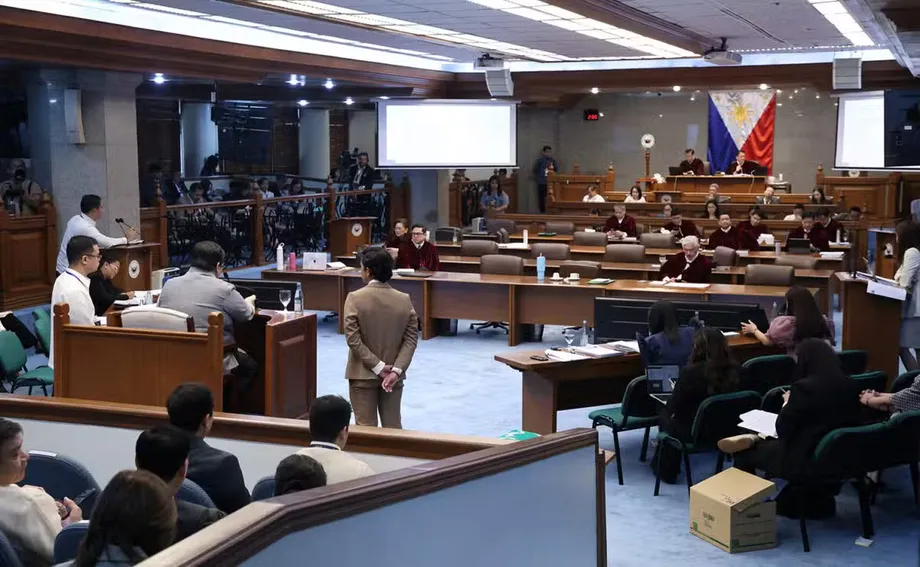
House Bill No. 9642, known as the proposed New Espionage Act, passed on third and final reading on September 17 by 247 votes to 10, with no abstentions. It would replace or expand rules rooted in Commonwealth Act No. 616, enacted in 1941, and provisions of the Revised Penal Code. The existing framework is widely seen as outdated: the 1941 law focuses on wartime spying, while the code’s definition centers on unauthorized entry into military facilities to obtain information for a foreign power.
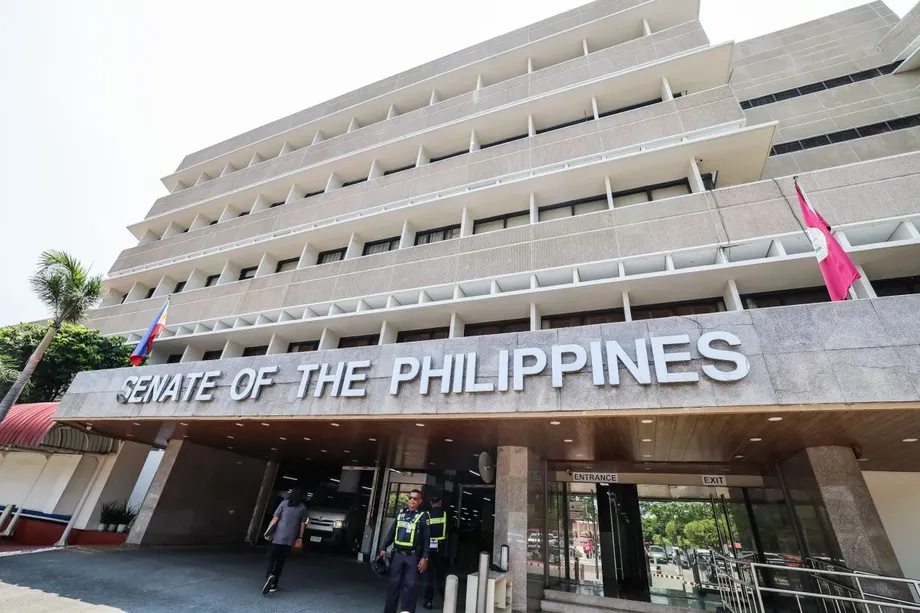
The measure is not yet law. It must pass the Senate and receive the president’s signature. The Senate is considering its own proposal, Senate Bill No. 33, filed by Senator Panfilo Lacson. The final provisions could change as lawmakers debate the bills.
The central dispute is how to protect sensitive information and infrastructure without giving the government powers broad enough to chill lawful speech. That question matters in a country where national security concerns are heightened by regional tensions, while journalists and rights advocates have raised concerns about the use of security laws against critics.
What would count as espionage?
HB 9642 would cover the unauthorized disclosure or handling of classified matter in either peacetime or war when disclosure could harm the Philippines by giving an advantage to a foreign or domestic actor. It would also cover conduct involving defense assets and critical infrastructure, along with certain forms of unlawful surveillance and interference.
The bill includes modern tools and methods that earlier laws did not anticipate, such as drones, cameras, listening devices, tracking equipment and digital or multimedia representations of facilities. Unauthorized access to a sketch, layout, blueprint or multimedia representation of critical infrastructure or defense facilities could qualify, subject to exceptions for material obtained from open sources or other lawful means.
Critical infrastructure generally refers to systems and facilities whose disruption could affect essential services or public safety. Telecommunications, energy and food systems are among the areas cited in the debate. The breadth of that category is one reason critics are concerned: investigations or reporting about industries central to everyday life could involve information that authorities regard as sensitive.
Supporters argue that the update addresses real gaps. The Department of National Defense has described the existing rules as archaic. Its spokesperson, Assistant Secretary Arsenio Andolong, has said modern spying can involve drone surveillance, cyber penetration, data scraping and signal interceptors near military bases or infrastructure. These methods can collect or transmit information without the physical break-ins associated with older definitions of espionage.
Senator Lacson has also cited arrests that he says show the need for a peacetime law. In an explanatory note for SB 33, he referred to five people arrested for spying in the previous year, including alleged drone photography of military facilities on Palawan. He also cited the April 2025 detention of a Chinese national near the Commission on Elections office, allegedly carrying a device capable of intercepting mobile phone traffic and tracking location data. The allegations are not proof of guilt, and the cases would be assessed under the law and evidence applicable to each one.
Penalties and investigative powers
Under the House measure, espionage and conspiracy to commit espionage would carry life imprisonment without parole and fines of P10 million to P20 million. Aiding or abetting a spy could bring up to 12 years in prison and a fine of up to P20 million, rising to P25 million if the offender is a government official.
Government officials convicted under the bill would be permanently disqualified from public office. Military personnel could also face court-martial proceedings. Foreign nationals convicted of covered offenses would be deported after serving their sentences and barred from returning to the Philippines.
The bill would let qualified military, law enforcement or intelligence personnel apply to the Court of Appeals for permission to wiretap suspected spies or intercept communications. The court could also authorize the Anti-Money Laundering Council to examine bank accounts and property linked to espionage offenses. These powers are subject to legal conditions and judicial authorization, but critics say their reach and safeguards will need close scrutiny.
The proposal also provides for prosecution in specified cases involving conduct abroad. These include offenses committed by Filipinos, aboard Philippine ships or aircraft, in Philippine diplomatic premises, against Philippine officials, or directly against the Philippine government. Extraterritorial jurisdiction means a country can apply its criminal law to certain conduct beyond its borders when a defined connection to that country exists.
If enacted, the Department of National Defense, Department of Justice and National Security Council would have 120 days from the law’s effectivity to issue implementing rules. The proposed measure would take effect 15 days after publication.
Why journalists and lawmakers see a risk
Opponents say that terms such as classified matter and critical infrastructure need precise limits. If definitions are broad or the threshold for prosecution is unclear, they argue, reporters could face pressure when investigating defense policy, infrastructure projects or government conduct. The same risk could extend to activists and citizens who document conditions at facilities or publish material they believe is already public.
ACT Teachers Representative Antonio Tinio said the measure’s definitions and coverage could threaten civil liberties in the name of national security. He warned that the provisions on critical infrastructure might be used against critics and people campaigning for their rights. Gabriela Women’s Party Representative Sarah Elago argued that covering industries such as telecommunications, energy and food security could restrict public scrutiny of sectors that affect daily life.
These concerns turn on the difference between deliberate spying for a foreign power and activities such as journalism, research or protest. A law can seek to punish the transfer of genuinely sensitive information while still creating uncertainty if it does not clearly distinguish harmful disclosure from legitimate public-interest work. Exceptions for information obtained from open sources or lawful means may help, but their practical value depends on how the terms are defined and applied.
Opposition lawmakers have compared the proposal with other national security laws that rights groups say have been used against dissidents. Kabataan Representative Renee Co pointed to the 2020 Anti-Terrorism Act and the 2012 Terrorism Financing Prevention and Suppression Act in warning about the potential for misuse. Rights advocates have also raised concerns about red-tagging, the practice of labeling people or organizations as communist or terrorist sympathizers, which they say can precede harassment or threats.
Those comparisons are warnings about enforcement, not findings that the proposed espionage law has already been used to target critics. The bill is still under consideration, and protections in its final text, the standards used by courts and the conduct of investigators would all shape how it operates.
The security case behind the bill
National security officials point to a changing threat environment. Since 2023, the Philippines has been examining cases involving Filipinos suspected of passing confidential or secret documents to foreign nationals. Security sources have told reporters that Chinese nationals were involved as recruiters or agents in at least three cases. Allegations in individual cases remain subject to investigation and legal process.
The 2024 arrest of a former town mayor accused of spying for China added urgency to calls for reform. In separate congressional hearings, Alice Guo faced questions about her identity and alleged links to Chinese interests, which she denied. A video documentary presented during a House inquiry included claims by Chinese businessman She Zhijang that he had funneled money to Guo Hua Ping, an identity believed by critics to be Guo’s. Those claims have not, on their own, established that Guo was a spy.
Defense officials say a modern law could support the Philippines’ Comprehensive Archipelagic Defense Concept, a strategy for protecting the country’s territory and maritime interests across its many islands. The proposal also comes amid persistent maritime tensions and a changing regional security environment. In this setting, the government argues that sensitive military plans, communications and infrastructure data may be targeted through digital methods as well as traditional human intelligence networks.
Some security specialists say legislation alone is not enough. A security source has called for stronger awareness programs and regular integrity and security audits of personnel and systems. Those steps address the internal vulnerabilities that legal penalties cannot prevent by themselves, such as weak access controls, poor data handling or attempts to recruit officials.
Related proposals and the Senate’s role
The House bill emerged alongside other efforts to update espionage law. Representative Rufus Rodriguez filed House Bills Nos. 10983 and 10988 to amend the Revised Penal Code and Commonwealth Act No. 616, extending coverage to peacetime and revising penalties. These proposals reflect a wider campaign to replace rules drafted for an earlier era, although HB 9642 is the measure approved by the House in the September vote.
The Senate’s SB 33, authored by Lacson, is expected to form the basis of the Senate version. Lacson has defended the need to address modern peacetime espionage, pointing to electronic surveillance and other methods that the current statutes do not expressly cover. The Senate’s examination will give lawmakers an opportunity to consider definitions, penalties, court oversight and protections for reporting and public-interest activity.
President Ferdinand Marcos Jr. has not yet reviewed the House measure, according to Palace Press Officer Claire Castro. She said the administration is open to amendments and would assess the bill’s contents. Castro acknowledged that restrictions involving liberty naturally draw objections, while arguing that the government does not want Filipinos to betray the country.
For the bill to become law, both chambers must approve the same text before it goes to the president. Any differences between the House and Senate versions would have to be reconciled. The legislative process is therefore a key point for deciding whether the measure’s national security purpose is matched by clear limits and meaningful safeguards.
What to Know
- The House approved HB 9642 on September 17 by 247 votes to 10; it still needs Senate approval and the president’s signature.
- The proposal would extend espionage offenses to peacetime and cover modern surveillance, cyber methods, classified information and critical infrastructure.
- Espionage and conspiracy could carry life imprisonment without parole and fines of P10 million to P20 million.
- Qualified investigators could seek Court of Appeals approval for communications interception, and the AMLC could examine assets linked to covered offenses.
- Critics warn that broad definitions could chill journalism, activism and public scrutiny; supporters say the current laws do not address modern spying methods.