
Medical ruling clears the way for trial
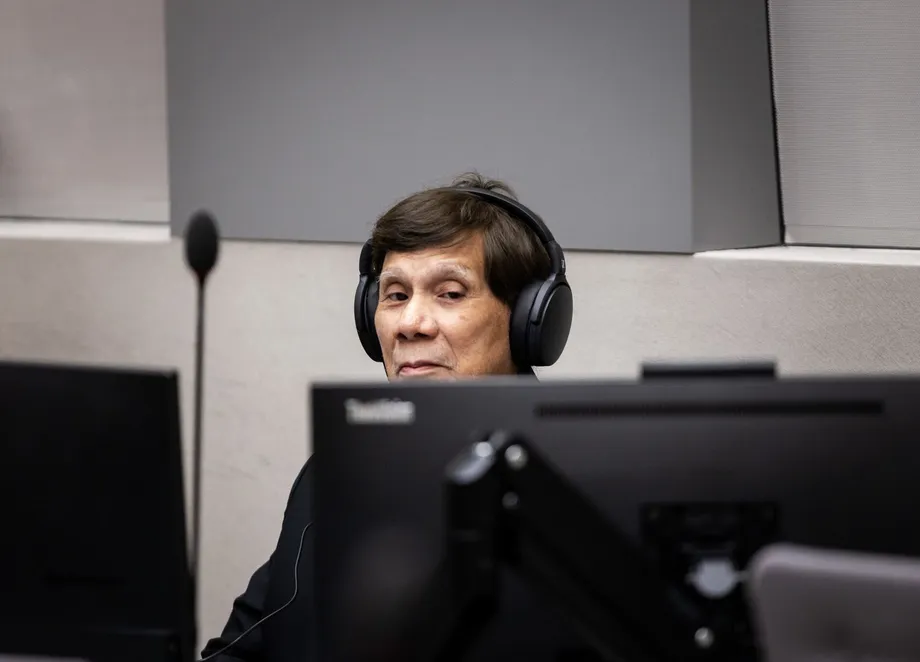
Rodrigo Duterte, 81, can understand the charges against him, follow evidence and instruct his lawyers, International Criminal Court judges have ruled, allowing his crimes against humanity trial to open on November 30, 2026. The decision also requires continued medical monitoring and adjustments to courtroom proceedings, making his fitness to participate an ongoing responsibility rather than a matter settled without conditions.
Contents
- Medical ruling clears the way for trial
- What the medical experts assessed
- Why the defense objections failed
- How hearings will accommodate his health
- What the three counts cover
- Seven added incidents, one excluded
- The dates that brought the case to trial
- Victim participation and the wider death toll
- What is still undecided
- Key Points
Trial Chamber III reached its decision on September 28, 2026, and made it public on October 8. According to the ICC's fitness ruling announcement, an independent panel of three medical experts unanimously found that the former Philippine president retained the abilities necessary to exercise his fair trial rights.
The ruling concerns Duterte's ability to defend himself, not whether he committed the alleged crimes. He faces three counts involving murder and attempted murder linked to the drug campaign and earlier killings in Davao City. He remains presumed innocent unless prosecutors establish guilt beyond reasonable doubt.
A separate decision dated October 9 also defined the scope of the approaching trial. Judges allowed seven additional alleged incidents, increasing the total from 49 to 56, but excluded another because it occurred outside the period covered by a confirmed charge. Prosecutors must update their witness list, evidence list and trial brief by October 16.
Together, the decisions address two distinct requirements before evidence is heard: whether Duterte can participate meaningfully, and which alleged events prosecutors may use within the charges already approved. Neither decision amounts to a finding that the alleged killings have been proved.
What the medical experts assessed
The medical panel considered practical abilities required in a criminal trial. These included understanding the accusations, the purpose and consequences of proceedings, the evidence, and the nature and consequences of entering a plea. It also assessed whether Duterte could communicate instructions to counsel preparing and conducting his defense.
In its public announcement, the ICC explained the judges' conclusion:
The Chamber was satisfied that the Accused is able to effectively exercise his fair trial rights in the proceedings.
The specialists were appointed in June to conduct an assessment for the trial stage, having also examined Duterte during the earlier proceedings. Their findings described an apparent improvement in his physical health since their previous assessment, attributed to medical and nursing care, thorough diagnosis and a review of medication.
The experts acknowledged physical and mental slowing consistent with his age and possible fatigue. They found no reliable evidence from formal testing that reduced memory prevented him from meeting the necessary legal capacities. Possible impairment was assessed as mild, incipient or present before clear clinical symptoms, rather than sufficient to make him unable to participate.
The panel also identified inconsistencies and performance below expected levels during cognitive tests for which it found no medical explanation. That finding should not be treated as an independent determination that Duterte deliberately deceived examiners. The judicial conclusion was narrower: the examinations did not establish an inability to understand proceedings or assist his defense.
Why the defense objections failed
Duterte's lawyers had argued that cognitive decline affected his memory and daily functioning. A September 2025 request sought an indefinite adjournment on grounds of cognitive impairment in multiple areas. His attorneys also described deteriorating health in detention and, in a June filing, invoked illness and advanced age as humanitarian grounds for interim release.
The trial judges rejected requests for additional neurological examinations, an oral hearing and questioning of the medical experts. They considered the panel's reports sufficiently conclusive to decide whether Duterte could participate and exercise his rights.
The defense also argued that memory difficulties would prevent him from reviewing hundreds of pages of witness material, hours of video and thousands of other pieces of evidence. The chamber distinguished between understanding the evidence with legal assistance and personally processing every item. It held that organizing and analyzing the large evidentiary record was primarily the responsibility of defense counsel.
Reports differ on how the medical findings describe physical frailty. Some accounts say the chamber found no basis for considering Duterte physically frail; another says the experts considered him still frail and in need of care. Other reporting describes age related fatigue and slowing. The ICC's public announcement does not resolve that wording dispute, but it does establish that participation measures and continuous health monitoring were ordered.
Fitness for trial and interim release are separate issues. A finding that Duterte can defend himself does not decide whether he should remain detained. The ICC states that he may request interim release under its legal framework, with judges deciding whether the requirements are met.
How hearings will accommodate his health
The chamber instructed the ICC Registry, the court's administrative body, to ensure that the Detention Centre Medical Officer continuously monitors Duterte's health. Any identified change in his medical condition must be reported immediately to the judges through the appropriate procedures.
The court declined to impose a fixed hearing schedule. Sitting hours will instead be assessed individually, taking account of both witnesses and the accused. This leaves room to adjust proceedings to medical needs and the circumstances of witnesses appearing remotely from the Philippines.
Reported participation measures include hearing assistance devices, hourly breaks, nursing support and help with food, rest, exercise and medication. These arrangements show why being legally fit for trial does not mean being free from age related limitations or needing no medical assistance.
Duterte appeared in person at a September hearing after previously missing hearings or participating by video. His appearance drew attention to his age and condition, but courtroom appearance alone was not the basis of the medical ruling.
Presiding Judge Joanna Korner expressed concern at a September status conference about the amount of evidence and the length of the prosecution case. She said the chamber was anxious for it to finish as swiftly as circumstances allowed so Duterte could live to see a verdict. The court has not announced a completion date.
What the three counts cover
The ICC's Duterte case record places the alleged crimes between November 1, 2011, and March 16, 2019. That period extends beyond the presidential drug campaign launched in 2016 and includes alleged conduct connected to Duterte's earlier leadership in Davao City.
The three counts concern alleged Davao Death Squad killings, alleged murders of people designated as high value targets during the drug campaign, and murder and attempted murder during barangay clearance operations. Barangays are local administrative communities in the Philippines.
The allegations include the murders of at least 76 people and the attempted murder of two others. Nineteen of those alleged murders occurred between 2013 and 2016, while Duterte was Davao mayor. These victim figures should not be confused with the number of incidents, the number of participating victims or estimates of deaths across the wider campaign.
Prosecutors allege that police and members of killing squads carried out murders at Duterte's direction, motivated by promised payments or fear of becoming targets themselves. Those claims form part of the prosecution case and remain subject to challenge at trial.
On April 23, 2026, Pre Trial Chamber I unanimously found substantial grounds to believe Duterte was responsible for murder and attempted murder as crimes against humanity under Article 7(1)(a) of the Rome Statute, the ICC's founding treaty. The alleged crimes were described as part of a widespread and systematic attack against civilians.
Confirmation of charges is a screening stage, not a conviction. It determines whether the evidence meets the threshold for proceeding to trial. The prosecution must meet the higher standard of proof beyond reasonable doubt to secure a conviction. Duterte faces a maximum sentence of life imprisonment if convicted.
Seven added incidents, one excluded
The October 9 decision partially accepted a defense challenge to eight additional incidents. Incidents 50 through 55 were allowed within Count 3, which concerns barangay clearance operations from around July 2016 to September 2018. Incident 56 was allowed within Count 2, concerning alleged murders of high value targets.
Incident 57 was excluded because it fell outside Count 2's July 2016 to July 2017 period. It reportedly occurred two weeks after that interval. Although the date was redacted in the public decision, the judges found it outside the confirmed charge.
The distinction turned on the difference between some flexibility over the date of an individual event and expansion of an entire charged period. The chamber would not allow the word describing an approximate date to extend the boundary prosecutors had established.
Defense lawyer Peter Haynes argued that the additional incidents introduced new material facts outside the case. The defense sought either a revised charging document or removal of all eight incidents. Judges rejected the broader request but removed the one event outside the confirmed period.
The chamber said it could not act as an appeal court over the earlier confirmation decision. Article 61(9) of the Rome Statute allows prosecutors to seek permission to amend charges before trial, but they had not sought such an amendment. Judges also found that the confirmed charges and accompanying information gave the defense sufficient notice to prepare.
The increase from 49 to 56 incidents is seven, or about 14 percent. It expands the factual material within the existing charges without creating a fourth count. Details of the added incidents were not publicly identified in the reporting, and witnesses connected to them were not expected to testify during the first months of trial.
The dates that brought the case to trial
The official chronology distinguishes the application for a warrant from Duterte's transfer into custody. Reports differ on the arrest month: some place it in February 2025, while others place it in March. The ICC records a warrant application on February 10, issuance on March 7 and surrender to the court on March 12.
- March 7, 2025: The arrest warrant was issued secretly. It became public on March 11.
- March 12, 2025: Duterte was surrendered to the ICC following arrest by Philippine authorities.
- March 14, 2025: He made his initial appearance by video link.
- September 8, 2025: Judges postponed the confirmation hearing to consider the defense fitness request.
- January 26, 2026: Judges found him fit for proceedings before trial and rejected an indefinite adjournment.
- February 23 to 27, 2026: The confirmation hearing took place. Duterte had permission to waive attendance.
- April 23 and 24, 2026: All three counts were confirmed, then Trial Chamber III was constituted.
- May 27, 2026: The chamber scheduled the trial opening for November 30.
- September 28 and October 8, 2026: The trial fitness decision was issued, then made public.
- October 16, 2026: Prosecutors must submit updated trial documents following removal of Incident 57.
The January ruling addressed participation in proceedings before trial. The September decision separately assessed participation in the trial itself, explaining why the medical issue returned after the charges had been confirmed.
Victim participation and the wider death toll
The ICC says 539 victims have been authorized to participate. Their appointed common legal representatives are Joel Butuyan, Gilbert Andres and Paolina Massidda of the court's Office of Public Counsel for Victims. Additional victims may apply through the court's Victims Participation and Reparations Section.
Participation gives victims a recognized role in proceedings, distinct from the prosecution and defense. The total of 539 does not mean Duterte faces 539 murder allegations. It is a procedural figure, separate from the alleged killings specified in the charges.
Kristina Conti, an ICC assistant to counsel helping victims' families, described mixed feelings about the fitness decision. She said families experienced pain at seeing Duterte alive while their relatives were dead, alongside relief that proceedings could continue. Some, she said, prayed for him to remain well enough to attend hearings.
Gilbert Andres, one of the victims' appointed lawyers, described their response:
For the victims, this is one step further towards their quest for truth and justice for their murdered loved ones.
The wider campaign's death toll remains disputed. Philippine police figures put it at at least 6,000, while broader estimates reach 30,000. Another reported range attributed to human rights groups, the United Nations and ICC investigators is 12,000 to 30,000, compared with more than 6,000 recorded by the government. These figures use differing scopes and are not interchangeable with the deaths charged in this case.
Human rights group KARAPATAN urged proceedings to begin and called for accountability beyond Duterte, including for Senator Ronald dela Rosa, the former national police chief during the campaign. The ICC says its Philippines investigation remains active. That statement does not establish the legal status of any other individual.
What is still undecided
At an October 9 briefing in Singapore, Palace Press Officer Claire Castro said the Philippine government hoped Duterte would remain physically and mentally well enough to face the allegations. She also suggested he might admit planned killings during a hearing. That was a government spokesperson's expectation, not an admission by Duterte or a court finding.
The ICC expressly protects the accused's right to remain silent and not to be compelled to testify or confess guilt. Its rules also provide for legal representation, adequate preparation time, presentation of defense evidence and disclosure of both incriminating and potentially exonerating material.
The next fixed milestones are the October 16 document deadline and the November 30 trial opening. Detailed directions, attendance arrangements and information about watching proceedings are to be issued closer to the opening. Hearing hours will remain subject to individual assessment.
The court has not decided guilt, announced when a verdict will be delivered or guaranteed that Duterte's health will remain unchanged. Continuous monitoring creates a mechanism for judges to respond if his condition changes while the case proceeds.
Key Points
- The ICC made Duterte's trial fitness decision public on October 8, 2026; trial is scheduled to open November 30.
- Three independent experts found he could understand proceedings, evidence and a plea, and instruct counsel.
- Medical monitoring, participation assistance and flexible hearing hours were ordered.
- Duterte faces three counts of crimes against humanity and remains presumed innocent.
- Judges allowed seven additional incidents, bringing the total to 56, but excluded Incident 57.
- Prosecutors must update their witness list, evidence list and trial brief by October 16.
- The ICC has authorized 539 victims to participate and continues its wider Philippines investigation.