Science draws young workers into a difficult business
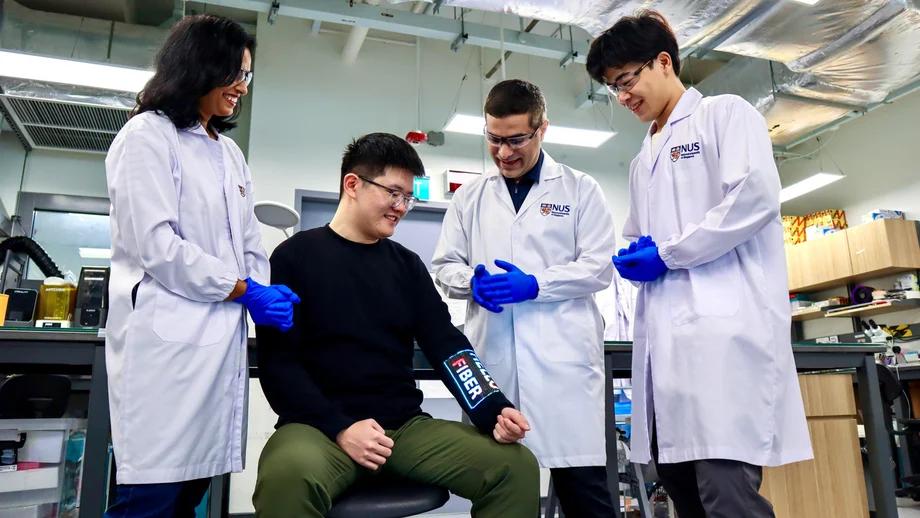
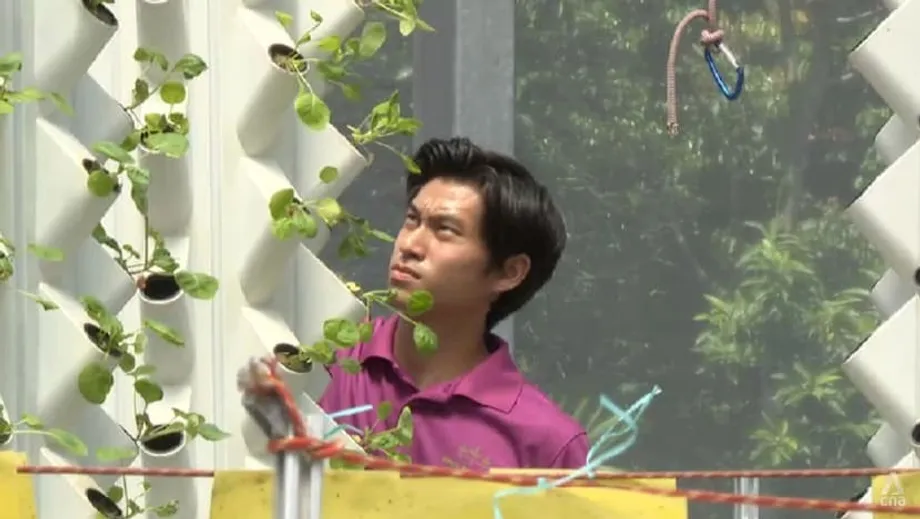
Nicholas Lee, 26, works on fish health and water quality at Qian Hu Fish Farm, applying the science he studied at university. Leonard Teo, 25, turned a rooftop vegetable plot started during the pandemic into a small farm. At Vertical Oceans, Crystal Lim, 29, has progressed from technician to assistant project manager, overseeing work to expand production.
Contents
- Science draws young workers into a difficult business
- What modern farm work looks like
- Why better equipment does not settle the finances
- Keeping young talent requires room to progress
- Singapore is reviewing its production target
- Healthier young fish and steadier buyers
- Farms are changing what they sell
- Changing farming's image starts before employment
- Making more food from limited space
- At a Glance
Their careers show why some young Singaporeans are choosing agriculture despite modest salaries, tight margins and limited opportunities for advancement. Farming offers a chance to work with biology, engineering and data while helping a country that imports more than 90 percent of its food build a stronger domestic supply.
Leong Jia Sheng, Lim's colleague at Vertical Oceans, is 25 and believes modern tools can change farming's public image. Instead of being seen mainly as manual work, the sector can offer jobs involving sensors, software, automated equipment and the care of living systems.
As of November 5, 2025, those opportunities sit alongside difficult business conditions. Electricity, rent, labour and equipment are expensive. Farms compete with cheaper imports, and some young workers leave when they find few opportunities to move up. Technology may improve production, but farms still need enough sales to pay their bills and keep skilled staff.
The attraction is both practical and personal. Some entrants want careers that combine physical work with science and data. Others want to improve freshness and taste while reducing waste. Growing food in ways that withstand changing climate conditions and use little space gives their work a purpose beyond the next harvest.
Singapore's farmers are therefore facing two connected tasks: producing more reliably in a crowded city and building businesses strong enough to support lasting careers. The young people entering the sector are part of both efforts.
What modern farm work looks like
Singapore's farms can be rooms lined with vertical growing racks, greenhouses with controlled conditions or coastal fish cages connected to software. Sensors, cameras and algorithms track temperature, light, nutrients, water chemistry and growth. Workers use those readings to adjust conditions and make harvests faster and more reliable.
Controlled environment agriculture means managing the conditions around a crop instead of leaving them entirely to the weather. Indoor plants can grow under efficient LED lights on structures with several levels, allowing production inside warehouses or on rooftops. Automation can handle seeding, transplanting and harvesting, reducing human error and making results more consistent.
Aquaculture, the farming of fish and other aquatic animals, uses similar ideas. Recirculating systems clean and reuse water, while tanks that clean themselves allow fish to be raised at high density. Keeping water conditions stable helps reduce disease and improve feed conversion, meaning how effectively fish turn the feed they eat into growth.
These systems change the work people do. Technicians must interpret dashboards, investigate equipment problems and adjust production settings. Software can monitor oxygen, pH and ammonia, then trigger changes to aeration or filtration. Aeration adds oxygen to water, while filtration removes unwanted material. The pH reading shows how acidic or alkaline the water is.
GroGrace uses a structure with several growing levels and dry hydroponics to produce a wide range of leafy greens throughout the year in a small area. Hydroponics supplies plants with nutrients through water rather than soil. GoFarm uses vertical racks, a thin film of circulating nutrients and advanced growing lights to produce hundreds of kilograms of vegetables a day.
GoFarm's development was accelerated by the 30 by 30 Express grant. Its approach uses far less water and electricity than conventional methods. Indoor fish systems also make production possible in industrial areas, giving farms options beyond traditional agricultural locations.
Why better equipment does not settle the finances
Leonard Teo taught himself to farm and sells his vegetables online, but he does not expect to break even soon. Breaking even means earning enough to cover costs. His planning is also shaped by leases that end in 2027, leaving a limited period in which to recover the cost of expansion or new equipment.
Many vegetable farms face similar lease horizons. A machine may raise output, yet take years to pay for itself through additional sales or lower expenses. Uncertainty about how long a farm can stay on its site can delay investment, particularly when the equipment is costly or requires major changes to a facility.
Electricity is central to the financial squeeze. Climate control, lighting and water circulation all require power. Facilities suitable for food production are expensive to build and maintain, and large systems need preventive maintenance and trained technicians. Rent and labour add further costs before a farm sells its first harvest.
Overseas producers often have cheaper land and labour. Producing large volumes can also spread their costs across more food, helping them sell at lower prices. Even efficient Singapore farms rarely match the cheapest imports item for item, so they compete on freshness, taste, reliability and sustainability.
Direct sales and subscriptions can give farmers closer relationships with customers. Hotels, restaurants and retailers may also value a dependable nearby supplier. Joint marketing and common brands can help small farms reach more buyers and assemble orders large enough for customers that require substantial volumes.
Some producers cut water use, choose simpler equipment or postpone expansion to control spending. Those decisions can also limit output. A workable business generally needs several pieces together: higher productivity, less waste, dependable sales channels and finance on terms it can afford. Enthusiasm and improved equipment can still be outweighed by costs that must be paid regardless of how much food is sold.
Keeping young talent requires room to progress
Crystal Lim's move from technician to assistant project manager shows that farm work can lead to greater responsibility. She also describes a retention problem: young recruits arrive with enthusiasm, then leave when they see few opportunities to climb. Starting salaries are often below those available to new graduates in engineering or finance.
Modern farming already overlaps with mechanical maintenance, data analysis, biosecurity, quality assurance and product development. Biosecurity involves protecting a farm from diseases and other biological threats. Quality assurance checks that production and products meet required standards. These jobs need different skills from routine manual tasks.
The Singapore Food Agency and education partners have been working on an agrifood skills framework, developed with industry, to map training and career routes. Its areas include aquaculture operations and health, farm automation, food safety and agronomy, the study and practice of growing crops.
Institutes of higher learning are expanding programmes and internships that connect students with farms and agricultural technology companies. Students can apply lessons in biology, data and mechanical systems to real equipment and living organisms. Graduates can then move into operations, maintenance, testing or software work.
Automation may help employees take on more demanding tasks by reducing repetitive work. Those tasks can include process engineering, product quality and sales. Some farms are developing roles that connect production with customers, allowing people who understand how food grows to help decide how it reaches the market.
Young professionals can find that mix attractive because it offers opportunities to learn and lead. Retention, however, depends on farms growing enough to support specialist and management positions. A skilled team can raise output and reduce waste, improving margins and creating room for better salaries. Businesses that survive and expand can offer a wider range of careers.
Singapore is reviewing its production target
Singapore previously set a goal of producing 30 percent of its nutritional needs locally by 2030. That goal is under review as the sector faces higher electricity prices, changes in investor interest and land constraints. Local production remains below 10 percent of total consumption.
Domestic farms are still a buffer when international supplies are disrupted. Singapore's wider food security strategy combines imports from nearly 187 sources with local production that can expand when needed and food companies developing new approaches. Diversifying imports spreads supply across more places, while local farms provide food closer to consumers.
The government's S$60 million Agri Food Cluster Transformation Fund, launched in 2021, supports improvements in farm capacity and capabilities through technology adoption. Recent changes extend support to marketing, branding and facilities for work before and after harvest. A longer maximum project duration gives farms more time to learn and put new systems into use.
New land tenders are planned in Sungei Tengah and Lim Chu Kang for producers with strong business cases. More aquaculture sites are due to open in the East Johor Strait from 2026, with the aim of increasing seafood output there to about 6,700 tonnes a year.
Farm land accounts for about 1 percent of Singapore's total land area. A planned hub for technologically advanced agrifood production covering 390 hectares in Lim Chu Kang, announced in 2020, has been delayed while planners work out how best to carry it out. Financial viability and productivity are now central to the policy focus, alongside production ambitions.
The key dates show how investment plans and farm decisions stretch across several years:
- 2020: Singapore announced the planned agrifood hub covering 390 hectares in Lim Chu Kang.
- 2021: The S$60 million Agri Food Cluster Transformation Fund was launched.
- November 5, 2025: The 30 by 30 goal is under review, while the Lim Chu Kang hub has been delayed.
- 2026: More aquaculture sites are planned to open in the East Johor Strait.
- 2027: The leases shaping Teo's farm planning are due to end.
- 2030: The original deadline for producing 30 percent of nutritional needs locally remains the reference point for the target under review.
Healthier young fish and steadier buyers
Fish farms face a problem that begins before their stock reaches harvest size. Inconsistent quality among fingerlings imported from overseas has contributed to high mortality. Fingerlings are young fish supplied to farms for further growth, so their health affects production from the outset.
National broodstock centres for Asian seabass and marine tilapia are being set up to provide young fish of reliable quality. Broodstock are the adult fish used for breeding. A more dependable supply of young fish should improve survival and growth, helping farm revenue and competitiveness.
Sales arrangements matter alongside biological performance. Officials encourage farms to secure buyers for longer periods and use common brands to reach larger retailers. Reliable customers make it easier to plan production, while combined supply can help small producers meet larger orders.
Singapore's approach therefore reaches beyond buying machinery. It includes the quality of the animals entering farms, the skills of the people caring for them, the facilities used around harvest and the channels through which food is sold. Each affects whether increased production becomes dependable income.
Farms are changing what they sell
GroGrace has spent three years building capacity and has increased direct sales by a large margin. It is also working with other farms to offer hotel groups a wider variety of produce. Combining products helps meet order volumes that a single small farm may struggle to supply.
Blue Ocean Aquaculture Technology uses an indoor recirculating system with tanks that clean themselves, supported by previous government funding. The company is branching into food manufacturing and equipment design, widening its business beyond raising fish.
Fish fillets, soups and noodles prepared for consumption can extend shelf life and help manage inventory when harvests are strong. Processing gives a farm more ways to sell what it produces, rather than relying entirely on customers buying fresh fish at the moment it is harvested.
New products and equipment businesses can also create jobs in product design, quality control and marketing. These activities help smooth cash flow and build closer relationships with buyers, both valuable in a small market where individual farms may struggle to reach enough customers.
Collaboration serves a similar purpose. Farms selling together under a common banner can approach large retailers and institutional kitchens that rarely buy from very small suppliers. Technology improves production, while shared sales arrangements help turn that output into orders.
Changing farming's image starts before employment
Young people in many countries still see farming as dirty, lacking technology and poorly paid. Digital tools are changing parts of that image, from satellites used to monitor crops to mobile platforms that connect farmers with equipment and buyers.
Research on youth participation in agriculture points to stronger engagement when training, finance and affordable tools connect with real jobs. Those jobs extend beyond growing food to processing, logistics, product design and equipment maintenance. Singapore's mix of science, machinery and commercial work follows that pattern.
Student visits to smart farms and centres demonstrating factory technology show the connection between automation and sustainable production. Such visits expose students to workplaces where maintaining a machine or understanding a sensor reading can be part of caring for plants and fish.
Creative groups are also developing digital games and augmented reality experiences that connect urban children with gardening at home and in schools. Augmented reality adds digital content to a view of the real world. One programme aims to involve one million children in Asia Pacific in practical gardening by the end of the decade through play, learning and real gardening kits.
These activities build early familiarity with growing food. Internships later give students a chance to test that interest in working farms. The connection between education and employment matters because the sector needs people comfortable with both living systems and the equipment used to manage them.
Making more food from limited space
Singapore cannot devote large stretches of land to conventional fields. Vertical structures, controlled environments and recirculating water systems instead aim to increase output from each square metre and each litre of water. Stacking growing levels creates more production space within the same floor area.
Thin films of nutrient solution reduce water requirements, while intelligent lighting adjusts its spectrum and intensity for different stages of plant growth. In fish farms, continuous monitoring and adjustments to filtration or oxygen supply make production more predictable and measurable. That reliability helps farms seek finance and attract workers who can improve operations through sensors and software.
Planners are also grouping farms into clusters where they can share waste and water treatment. Circular approaches aim to turn byproducts from one activity into useful inputs for another. Locating production near processing and packing can shorten transport and reduce spoilage.
A large glasshouse operation in England illustrates another approach described in the sector. It uses robotic systems, rotating growing structures and energy recovery at the site to produce fruit with close control of light and climate. Sensors guide the use of inputs, while robots assist with harvesting and pest control.
Those designs will not all suit Singapore. They nevertheless show how software, clean energy, precise irrigation and plant science can work together to reduce resource use and improve quality. Singapore's farms must select systems that fit local space, operating costs and customers.
For young workers such as Lee, Teo, Lim and Leong, the opportunity is to run automated systems, identify weak points in production and develop products and sales channels. Their careers depend on farms becoming durable businesses with steady buyers, sound operations and access to capital for upgrades. Government policy, education and private initiative all contribute to that work.
At a Glance
- Young Singaporeans are entering farming to apply science, engineering and data despite modest starting pay and difficult business conditions.
- Singapore imports more than 90 percent of its food, while local production remains below 10 percent of consumption.
- Vertical growing systems, automation and recirculating aquaculture aim to produce more food with less land and water.
- High electricity, rent, labour and equipment costs squeeze margins, while cheaper imports increase price pressure.
- Teo's leases end in 2027, limiting the time available to recover spending on expansion and equipment.
- The 30 by 30 target is under review, and the S$60 million transformation fund has broadened its support.
- More East Johor Strait aquaculture sites are planned from 2026, with seafood output targeted at about 6,700 tonnes annually.
- Broodstock centres, joint sales, food processing and clearer career routes are intended to strengthen production, income and employment.
- The planned agrifood hub covering 390 hectares in Lim Chu Kang has been delayed as planners work out implementation.