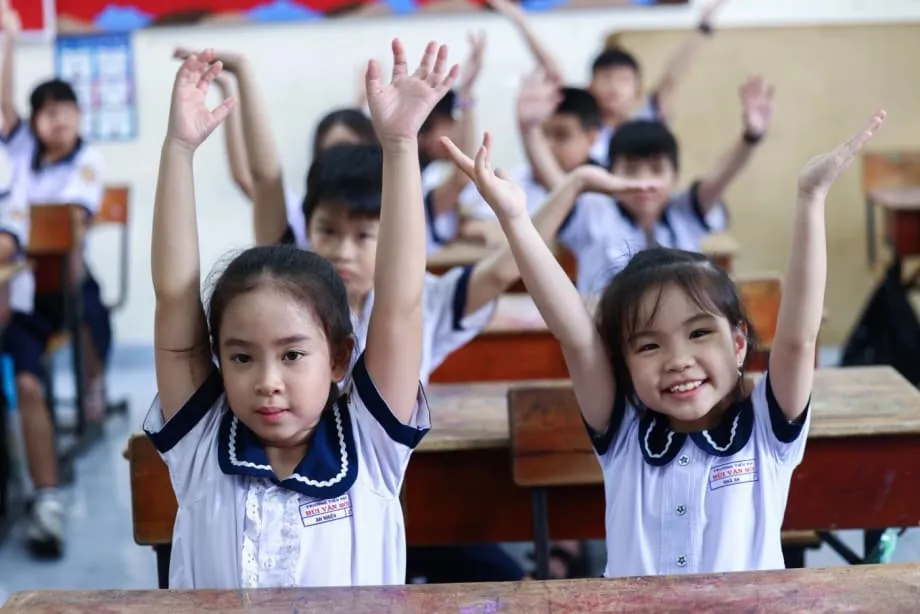
A school choice that reaches beyond the classroom
Vietnam's public school tuition waiver, announced for preschool through high school from the 2025 to 2026 academic year beginning in September 2025, has sharpened a major decision for families. Public education offers an affordable route rooted in Vietnamese language and community life. At the other end of the market, annual tuition at one international school system in Ho Chi Minh City reaches about 843 million VND, roughly 33,000 USD, depending on the child's grade.
Contents
- A school choice that reaches beyond the classroom
- What children learn and how they learn it
- Language, culture and the place of bilingual schools
- The tuition bill is only part of the cost
- What grades reveal, and which skills employers seek
- Why finances and oversight deserve close attention
- Online schooling offers another price point
- What expatriate families need to weigh
- Building a plan around the child
- Parents and teachers share responsibility for progress
- Key Points
Those prices buy different school experiences, not simply different buildings. The choice affects the language children use every day, their friendships, how they learn and the qualifications they may later take to a university or employer. Public schools generally provide a structured national curriculum. International schools typically offer foreign curricula, English immersion and greater emphasis on independent work.
Vietnamese parents who attended public schools before studying or working abroad often describe an academic foundation that served them well internationally. Their experiences point to a choice based on a child's needs and a family's resources, rather than a single route that suits everyone.
Vietnam's education landscape now includes public schools, private and international campuses, bilingual programs, online international high schools and routes leading to study abroad. Public schools remain its backbone. The country's literacy rate is above 95 percent, reflecting decades of investment and steady progress, while private and international schools have expanded to serve expatriate communities and Vietnamese families seeking other options.
Families therefore face two linked decisions: which school best suits their child now, and whether its costs, qualifications and teaching approach will still fit several years later. A comparison needs to cover daily classroom life as carefully as tuition.
What children learn and how they learn it
Public schools follow Vietnam's national curriculum, with a defined syllabus, a clear progression of knowledge and an exam schedule that helps organize the school year. Urban public schools tend to have experienced teachers and rigorous academic expectations. Lessons often center on the teacher, core subject knowledge and preparation for examinations.
International schools typically use the International Baccalaureate (IB), British programs such as IGCSE and A Level, or American style programs. These are different curriculum and qualification routes, so the label international alone does not tell a parent exactly what a child will study or which examinations they will take.
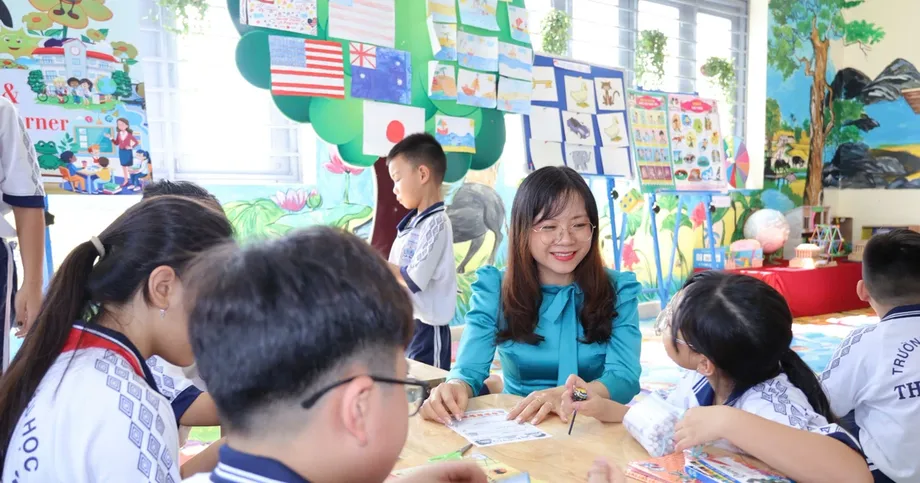
Students in these schools generally have more opportunities to present ideas, work in groups and conduct independent research. Extended projects, enterprise simulations and internships can carry learning beyond the classroom. Such activities give children practice in organizing work and explaining their reasoning, alongside learning subject content.
Public classrooms commonly contain 30 to 40 students. Space can be tight, particularly in large cities, and teachers often work with fewer resources. International schools usually invest in modern facilities, smaller classes and more support staff, making interactive lessons and individual academic guidance easier to organize.
Vietnamese schools, including public institutions, are also adding presentations, teamwork and critical thinking to lessons. The pace and form of those changes vary by campus. Parents comparing schools need to look at actual classroom routines, assessment and student support, because broad descriptions cannot capture every school's practice.
Language, culture and the place of bilingual schools
Public schools teach in Vietnamese. Children develop local language mastery while learning within the country's cultural and educational setting. For expatriate students, this can provide intensive language immersion and friendships with Vietnamese peers, although the classroom expectations may initially feel unfamiliar.
International schools teach primarily in English and recruit teachers who are native speakers or trained in the country associated with their curriculum. Students gain English proficiency and familiarity with international academic conventions, including the ways they are expected to research, present and complete assignments.
Bilingual schools combine Vietnamese and foreign curricula. Many prepare students for widely recognized qualifications such as IGCSE or A Level while retaining Vietnamese language, literature and civics. This offers a middle route for families seeking international qualifications without removing Vietnamese studies from the timetable.
Ho Chi Minh City and Hanoi have seen an expansion of bilingual schools. Their fees are often around 60 percent of those at fully international schools, and some campuses offer flexibility for families who may later move between public and international routes. That balance has attracted growing interest from local families.
British education groups have also formed partnerships with Vietnamese providers. A long established UK school announced a collaboration with a bilingual campus in Ho Chi Minh City, while other UK brands have launched or rebranded schools in Hanoi and Ho Chi Minh City. These developments point to a maturing bilingual sector with clearer routes toward overseas universities.
The tuition bill is only part of the cost
International tuition at the most expensive schools in Ho Chi Minh City can exceed the price of a small car. One school system charges up to about 843 million VND a year, approximately 33,000 USD, depending on grade level. Several other international schools publish annual tuition ranges of 10,000 to 25,000 USD.
Application charges, deposits, uniforms, meals, transport and extracurricular expenses can sit outside those headline figures. Early payment discounts are common, but families still need to compare the full annual bill rather than tuition alone.
Vietnam Finland International School, which operates under a public university, illustrates why ownership and price do not always fit a simple public versus private divide. Its international program fees can approach 25,000 USD annually in the upper grades, while its bilingual track costs less. Some public institutions therefore offer international or bilingual programs with substantial charges.
Public school families may spend on tutoring outside school, distributing education expenses across the year rather than paying one large school invoice. The announced tuition waiver for public preschool through high school, beginning with the 2025 to 2026 academic year, is intended to ease financial pressure for millions of families and could support further enrollment.
International school invoices can include a wide range of services, with details varying by campus:
- Enrollment and application processing fees.
- Uniforms, textbook deposits and examination fees.
- School buses and meals.
- Boarding or dormitory accommodation where offered.
- Technology, activities and trips.
Some families negotiate education allowances with employers. Others choose a bilingual program or seek a public school place. Admissions may involve tests or interviews, and popular international campuses encourage applications well in advance. Mapping deadlines early matters when places are limited.
What grades reveal, and which skills employers seek
Vietnam's leading public universities retain considerable prestige. Entry is highly competitive, and courses place strong weight on fundamentals in mathematics, science and economics. Graduates often bring discipline and mastery of subject content.
Employers also seek presentation skills, teamwork and confidence with technology. The World Economic Forum identifies critical thinking, adaptability, digital skills and communication as core competencies for young workers. International programs aim to develop these abilities through repeated practice and assessment beyond written examinations.
Pham Thanh Huong, a human resources leader at a multinational technology firm, described the qualities she sees in candidates from international programs:
Candidates from international programs do not just memorize. They express themselves confidently, manage time well, and work effectively in teams.
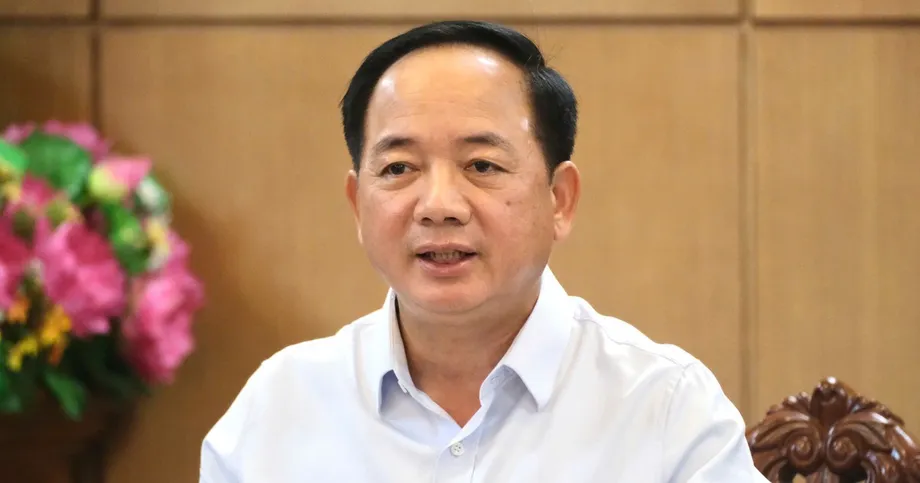
Assoc. Prof. Dr. Tran Xuan Nhi, a former Deputy Minister of Education and Training, has pointed to a gap between classroom theory and practical learning in some settings:
There is too much theory and too little practice.
International campuses try to build internships, capstone assignments and live projects into degree paths. A capstone is a substantial project that brings together what a student has learned. Live projects involve applying learning to an actual task. Both give students a chance to show what they can do, rather than relying entirely on examination marks.
Outcomes vary by subject and campus. Students aiming for global companies, creative industries or advanced technology work may benefit from extensive practical experience, English fluency and international accreditation. Academically focused students who prefer structured lessons and plan to work in Vietnam can find an affordable route with strong academic training in public education.
Families comparing school results should therefore consider both knowledge and practice. The relevant choice is how well a particular school prepares a child for the next stage, including university study, rather than whether one sector has a universal advantage.
Why finances and oversight deserve close attention
One prominent international school in Ho Chi Minh City faced suspension and a proposed dissolution after serious financial and staffing problems. The case involved unpaid insurance and investigations into fundraising arrangements. Parents reported having large sums tied up in complex education investment contracts that promised tuition without further payments until graduation.
Students transferred out, obligations remained unpaid and legal proceedings were brought against leaders of the school's operating company. For families, the disruption showed why the organization running a school matters alongside its brand, buildings and curriculum.
International schools have also faced pressures from outside their own operations. Enrollment declined at some campuses after the pandemic, as foreign workers left Vietnam, corporate education packages shrank and recruiting foreign teachers became harder. Those changes affected a market serving both expatriate and local families.
Vietnam introduced tighter oversight through regulations that took effect in late 2024. The changes increased transparency requirements for education institutions with foreign investment, clarified capital and staffing standards and strengthened supervision of domestic providers. Their purpose is to support growth while improving accountability and protecting students.
The policy and market changes span several dates:
- After the pandemic, some international schools faced declining enrollment, fewer foreign workers, reduced employer education packages and difficulties recruiting foreign teachers.
- In late 2024, new regulations on education providers took effect, including clearer requirements for transparency, capital and staffing.
- From September 2025, the announced public tuition waiver covered the 2025 to 2026 academic year, from preschool through high school.
Parents can ask for audited financial statements, clear withdrawal and refund policies and the identity of the school's governing entity. They should also confirm accreditation and access to external examinations. Conversations with current parents can reveal how the school communicates, whether teachers frequently leave and how it has handled disruption.
Online schooling offers another price point
Online international high schools have attracted families with tuition at about one tenth of the cost of traditional international campuses. They offer routes such as American high school diplomas, IB or A Level, widening the choices available beyond a daily journey to a physical school.
Students who direct their own learning and receive strong support at home may suit this approach. Parents need to check accreditation, access to examination centers and arrangements for practical work. Accreditation means checking that the program has the recognition needed for the educational route the family intends to follow.
Laboratory work, clubs and social development require attention when lessons take place remotely. Local sports, arts activities and volunteering can provide opportunities for students to meet peers and participate in community life. The lower tuition needs to be considered together with the support and activities a family would arrange outside the online program.
What expatriate families need to weigh
Foreign nationals living and working legally in Vietnam can enroll their children in public schools, particularly in major cities. This can reduce costs substantially while helping children learn Vietnamese and build friendships with local peers.
Public school adjustment may include a quieter classroom culture, attentive note taking and respect for hierarchy. Teaching can be more passive than an expatriate child is accustomed to. Some urban schools are experimenting with more dynamic methods, but the pace of change varies by campus.
International schools remain attractive to families staying for a short period or planning a university route abroad. Familiar curricula, English immersion and admissions counseling can help maintain a consistent educational path when families move between countries.
Popular international schools can be oversubscribed. Entrance examinations and interviews are common, while transport, uniforms and activities add to tuition. Families need to track application windows and keep a second choice ready in case a place does not become available in time.
Building a plan around the child
A child's language proficiency, learning style and longer term goals provide a practical starting point for choosing a school. Some children thrive with structured lectures and regular examinations. Others respond better to projects, discussion and frequent opportunities to present their own work.
Parents can compare schools against a shared checklist instead of relying primarily on advertising or rankings:
- The full budget, with a reserve for transport, meals, examinations and other expenses.
- The language of instruction and the child's current proficiency.
- Plans for university in Vietnam or overseas.
- The balance between structured lessons and learning through projects.
- Class size and the amount of individual attention required.
- Location, commute and daily schedule.
- The operator's governance, accreditation and financial transparency.
- A backup plan if leadership, fees or programs change.
Families considering overseas study should check external examination arrangements and university guidance. Those preferring a Vietnamese route should ask how a school develops Vietnamese language skills, meets national curriculum standards and prepares students for examinations.
A plan covering several years also needs room for a change in family circumstances. Bilingual, public, international and online routes each have strengths and tradeoffs. Comparing the actual campus or program, including support for a child who struggles, makes the decision more useful than comparing labels alone.
Parents and teachers share responsibility for progress
Parents can support learning more effectively when they understand school policies, classroom expectations and the curriculum. Attending meetings, learning about teaching methods and maintaining consistent routines at home help connect schoolwork with daily family life.
Respectful communication also makes it easier to respond early when a child has difficulties. Parents, teachers and students benefit from working toward the same expectations, whether the school is public, bilingual or international.
Many Vietnamese families pass down a reminder about the relationship between parents and teachers:
If you want your children to succeed, you must respect their teachers.
Respect in this setting means valuing teachers' work, reinforcing classroom expectations and showing children that education matters, rather than giving gifts. Trust between home and school can support progress in every school system.
Key Points
- Vietnam announced public school tuition waivers from preschool through high school beginning in the 2025 to 2026 academic year in September 2025.
- Public schools offer strong academic foundations, Vietnamese language immersion and community ties, with classes commonly containing 30 to 40 students.
- Annual tuition at one international school system in Ho Chi Minh City reaches about 843 million VND, roughly 33,000 USD, before additional charges.
- International schools typically combine foreign curricula and English instruction with smaller classes, projects and independent research.
- Bilingual schools often cost around 60 percent of fully international programs while retaining Vietnamese studies and offering international qualifications.
- Online international high schools can charge about one tenth of traditional international tuition, with accreditation, examinations and social activities requiring careful planning.
- A school suspension case and tighter regulations introduced in late 2024 underline the need to check finances, governance and refund terms.
- The most suitable choice depends on the child's needs, future plans, family budget and the quality of the individual school.