School safety plans reach all 34 provinces and cities
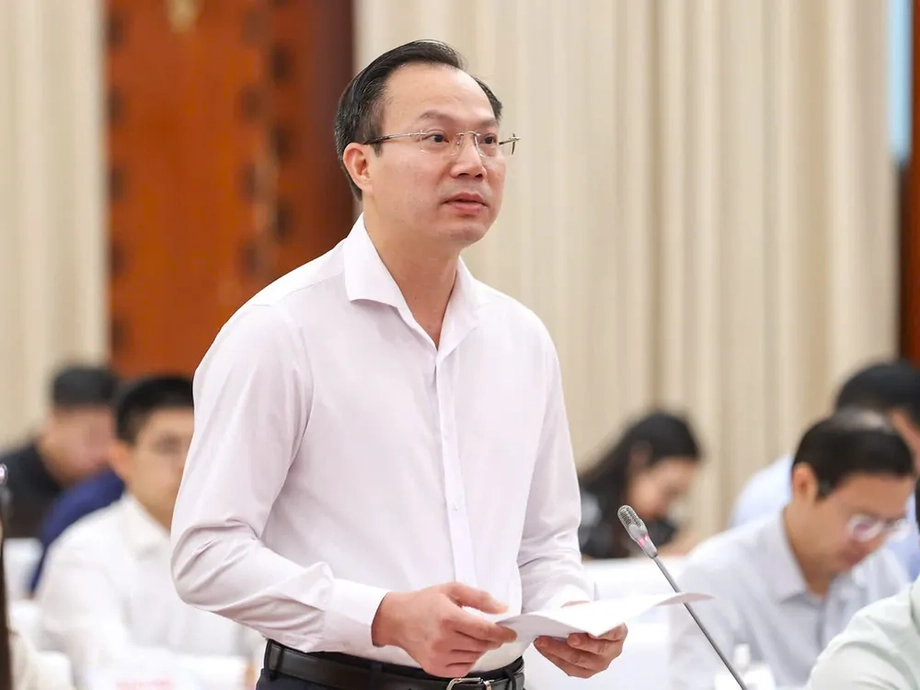
Vietnam's Ministry of Education and Training is reviewing rules on school violence to make clearer who is responsible when an attack occurs or a school responds too slowly. At a government press conference on November 4, 2026, Deputy Minister Đoàn Trung Kiên said cases showing signs of a crime must go to the competent authorities and must never be concealed or settled only within a school.
Contents
- School safety plans reach all 34 provinces and cities
- What school leaders would be accountable for
- What schools must do when violence occurs
- Prevention starts with students, teachers and families
- Police coordination extends beyond school gates
- Recovery continues after the immediate response
- Student discipline rules are under review
- How the measures developed
- Key Points
The ministry said a school safety coordination plan with the Ministry of Public Security had reached all 34 provinces and centrally governed cities. Under Plan 113/KHPH-BCĐ, dated July 30, 2026, 95.66% of educational institutions had signed coordination agreements with local police. That leaves 4.34% without signed agreements, based on the ministry's figures.
Kiên outlined four areas of action: preventing violence, intervening immediately, supporting recovery and preventing repeat behavior, and tightening security and management accountability. His response addressed concerns about school violence, including students assaulting teachers, and whether student disciplinary rules should change.
The proposed work reaches beyond punishment after an attack. It covers how staff recognize danger, who alerts families and authorities, how schools preserve information, and what support allows an affected teacher or student to return safely.
The November announcement also follows Directive 03/CT-TTg, issued on January 30, 2026, and signed by Deputy Prime Minister Lê Thành Long. That directive already assigns school heads direct and comprehensive responsibility for safety in their schools. The ministry now wants responsibilities and response procedures to be more precise.
What school leaders would be accountable for
School heads are central to both the January directive and the ministry's proposed regulatory review. The directive requires clear assignments for homeroom teachers, subject teachers, youth organization staff, other employees and students in carrying out school safety measures.
At the November briefing, Kiên said inspections would examine the responsibilities of school leaders and other people involved when violence occurs or is handled late. Schools are also expected to review security arrangements, control entry and exit, and identify risks at school gates, across school grounds and online.
The ministry is considering proposing amendments to Government Decree 80/2017/NĐ-CP, dated July 17, 2017. The decree concerns safe, healthy and friendly educational environments and the prevention of school violence.
The proposed revisions would clarify the duties of educational institutions, their leaders and relevant agencies. They would also improve coordination between agencies and set out procedures for receiving information, issuing warnings, intervening, handling incidents and supporting people afterward. No adoption date or final wording was announced.
What schools must do when violence occurs
Schools must first stop the violence and protect the people affected. Kiên said the immediate response should include first aid, emergency care where needed, and other support, alongside notification of families and coordination with competent authorities.
Staff must also preserve necessary information and documents. This gives the authorities responsible for handling a case material to examine while the school addresses immediate safety and care needs.
Kiên, the deputy minister of education and training, set out the requirement to refer cases showing signs of a crime:
Cases showing signs of a crime must be referred to the competent authorities; there must be absolutely no covering up, concealment or handling solely within the school.
For a school, this means internal disciplinary action and referral to authorities have different purposes. A school can address a student's conduct through its educational responsibilities, while authorities examine suspected criminal conduct through the legal process.
Kiên also said case handling and the release of information must protect privacy, dignity and lawful rights, especially those of children. Teachers and students affected by violence need protection during the response as well as during the incident itself.
Prevention starts with students, teachers and families
The ministry's first area of action focuses on preventing disputes from becoming violent. Schools are being asked to teach ethics, respectful behavior, conflict resolution, personal safety and recognition of online bullying.
Conflict resolution means learning to handle disagreements without threats or physical force. Recognizing online bullying means being able to identify harmful behavior through digital messages and other online activity, so students and adults can respond before the situation grows worse.
Teachers are also expected to receive training in handling difficult classroom situations. The January directive calls for training school managers, teachers and other staff in psychological counseling, managing their own emotions and responding to problems involving students.
Families have a continuing role. Kiên said schools should work with parents to follow changes in a student's emotional state, recognize difficulties and arrange timely support. School counseling rooms are part of that response.
The January directive similarly calls for regular communication between schools and families about learning, behavior and unusual changes in a student. Together, these measures put attention on the period before an incident, when a concern can be shared and support arranged.
Police coordination extends beyond school gates
Plan 113/KHPH-BCĐ brings the education and public security ministries together on school safety, child abuse prevention, early detection of violence and responses to students breaking the law. Its reach across all 34 provinces and cities gives the ministry a nationwide coordination framework.
The reported 95.66% signing rate describes how widely formal agreements with local police have been established. The next practical task is carrying out the work those agreements cover: sharing concerns, receiving reports and responding promptly when a student or teacher faces danger.
Directive 03/CT-TTg expressly covers violence involving students outside school and in cyberspace. A dispute that begins beyond the campus, or continues through online messages, therefore falls within the coordination duties described in the directive.
Police are instructed to work with education authorities, local governments, social organizations and families on receiving crime reports, investigating incidents and handling violations. They are also assigned work on safety around schools, student protection skills and preventing repeat violations.
Recovery continues after the immediate response
Teachers and students affected by violence are to receive psychological support and follow-up care. Kiên said schools should work with health facilities, specialists and families, monitor recovery and provide conditions for a safe return to teaching and learning.
This gives schools responsibilities after immediate injuries have been treated. A teacher returning to the classroom or a student returning to lessons may still need counseling, contact with family members and checks on whether the environment is safe.
Students who commit violence are also to receive education, counseling and monitoring alongside disciplinary action. The ministry's stated aim is to correct behavior and prevent it from happening again.
Kiên described that approach at the briefing:
For those who commit acts of violence, handling must go hand in hand with education, counseling and monitoring to correct behavior and avoid repeat offenses.
The January directive assigns a supporting role to health authorities through child protection policies and coordination on intervention. Its wider instructions also involve local governments, broadcasters and youth organizations in prevention and response, placing duties across several public bodies rather than leaving every task to teachers.
Student discipline rules are under review
Circular 19/2025/TT-BGDĐT is being reviewed following concerns about appropriate disciplinary measures for serious student misconduct. The ministry has asked its Department of Student Affairs to examine implementation and gather views from teachers, schools, parents and experts before considering amendments or replacement.
A circular is a ministry regulation that provides rules within the ministry's authority. A government decree, such as Decree 80/2017/NĐ-CP, operates at the government level. The two reviews address connected parts of the response: student discipline and the broader responsibilities for a safe educational environment.
The ministry's proposed work on Decree 80 also includes standardizing reporting data. In practical terms, common reporting rules would give authorities a consistent basis for tracking incidents and assessing how prevention and response measures are being carried out.
Kiên's announcement places discipline alongside protection, counseling, police referral and management responsibility. The review therefore concerns both how misconduct is handled and how institutions organize the steps before and after violence.
How the measures developed
The November briefing was the government's regular press conference for October 2026. It brought together an existing decree, a directive issued earlier in the year, the police coordination plan and proposed further regulatory work.
- July 17, 2017: Government Decree 80/2017/NĐ-CP established rules concerning safe, healthy and friendly educational environments and the prevention of school violence.
- 2025: Circular 19/2025/TT-BGDĐT was issued. Its implementation is now being reviewed before possible amendment or replacement.
- January 30, 2026: Directive 03/CT-TTg assigned school heads direct and comprehensive responsibility for school safety and called for coordinated action across public bodies.
- July 30, 2026: Plan 113/KHPH-BCĐ set out coordination between the education and public security ministries on school safety.
- November 4, 2026: Kiên outlined the ministry's four areas of action and its plans to clarify responsibilities and review regulations.
For schools, the immediate requirements are to prevent harm, act quickly, protect those affected and refer suspected criminal cases. The regulatory reviews would make the allocation of duties and the procedures for carrying them out more detailed.
Key Points
- The education ministry wants clearer responsibility for school leaders when violence occurs or responses are delayed.
- Cases showing signs of a crime must be referred to competent authorities, not settled only within a school.
- The police coordination plan has reached all 34 provinces and cities; 95.66% of educational institutions have signed local police agreements.
- Schools must provide immediate protection and care, preserve necessary information and protect privacy.
- Recovery support covers affected teachers and students, while disciplinary action is to be combined with education and counseling.
- Circular 19/2025/TT-BGDĐT is under review, and amendments to Decree 80/2017/NĐ-CP are being considered.