Beauty Shops and Coffee Join the Market Alleys
At Seoul's Gwangjang Market, a plate of yukhoe can now be the start of a shopping trip that includes Korean skincare, contemporary fashion and a Starbucks coffee. Founded in 1905 as Korea's first permanent market, the landmark has more than 5,000 shops and stalls and provides work for thousands. Its latest arrivals are changing what visitors do between meals without replacing the food counters, fabric sellers and hanbok seamstresses that made it famous.
Contents
- Beauty Shops and Coffee Join the Market Alleys
- Why Retailers Want a Place Here
- Fashion and Skincare Extend the Visit
- Cafes Find Space Beside the Griddles
- Street Food Still Sets the Pace
- The Textile Market Keeps Working
- How Global Attention Changed the Crowd
- More Customers Bring More Pressure
- Planning a Visit Around Both Sides of Gwangjang
- At a Glance
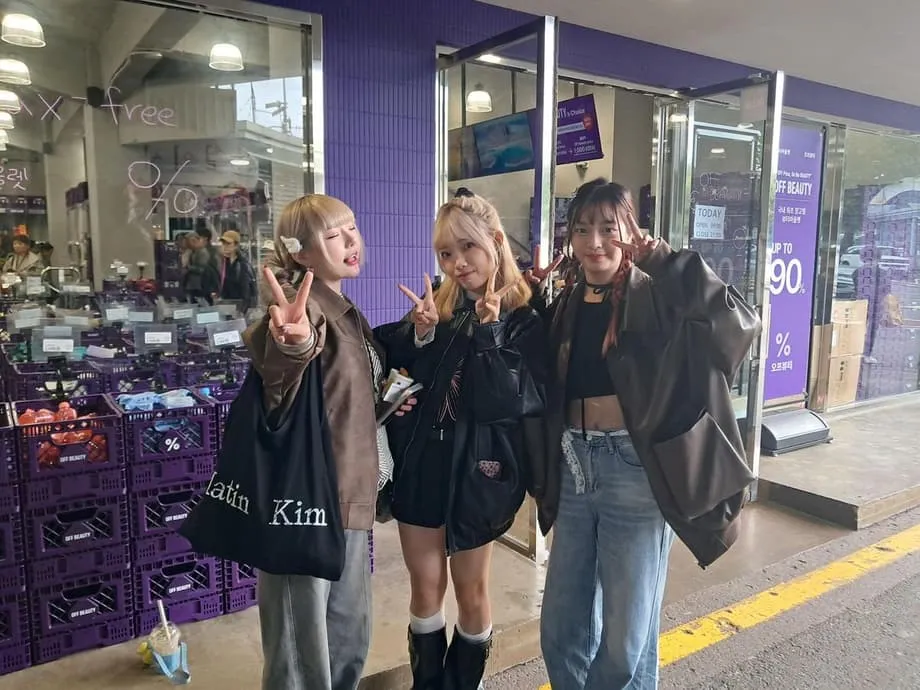
On a recent afternoon, Suzy and two friends from Taiwan stopped for yukhoe, a dish of raw beef, before browsing Off Beauty, a beauty outlet with a warehouse format. Their route took them through alleys that once sold only textiles and household goods and now also contain corporate fashion and beauty stores, convenience shops and coffee chains.
Afiqah Razak, visiting from Brunei after a decade away, noticed more storefronts aimed at tourists and more branded experiences. Those changes are especially visible at the busy western end, where Matin Kim, The North Face, RAWROW and Marithe Francois Girbaud have joined the market's retail mix.
The Starbucks branch that opened inside the market in May has become a draw for local customers and travelers. Its exclusive menu items take inspiration from traditional market foods and textile patterns, connecting a familiar international brand with the setting around it.
Many merchants see the combination as a way to keep people inside longer and encourage them to spend more, providing a boost after the difficulties of the pandemic years. Other vendors worry about rents, crowds and whether independent stalls can maintain their place as branded stores attract attention.
Why Retailers Want a Place Here
Gwangjang brings together several groups that retailers want to reach: Seoul residents, families on weekend outings and international travelers looking for an experience that feels local. Its central location, near Cheonggyecheon and a short walk from Jongno 5 ga Station and Euljiro 4 ga Station, makes it accessible by subway.
For brands, a shop inside the market offers access to heavy pedestrian traffic and an association with a place that carries cultural meaning. Temporary shops allow companies to test designs and limited releases. Permanent stores give visitors, including those encountering a brand for the first time, a place to become familiar with it.
The western end has become a particular focus. Major crosswalks, bus stops, wider sidewalks and entrances that are easy to spot make it a natural first stop for many visitors. New retail concepts have gathered there, close to the strongest flow of people.
Seoul's policies have also helped shape the setting. Over the past decade, the city has worked to protect traditional markets while improving safety and the visitor experience. Work has included roof repairs, brighter lighting, clearer directions, better sanitation and more signs in multiple languages.
Many stalls now accept cards and mobile payments, while some provide basic information in English and Chinese. These changes aim to support small vendors and preserve the market's heritage while making everyday shopping easier for residents and travelers accustomed to modern retail spaces.
Fashion and Skincare Extend the Visit
Off Beauty adds rows of cleansers, toners and sunscreens to a market long associated with cloth, household purchases and meals. Its format appeals to shoppers looking for familiar Korean skincare at accessible prices, with testers helping newcomers compare textures and scents.
Matin Kim and Marithe Francois Girbaud attract younger fashion shoppers. RAWROW stocks bags and accessories suited to travel, while The North Face brings outdoor clothing into the mix. Together, these shops can turn a stop for food into an afternoon of browsing.
Beyond the textile corridors, newer storefronts sell contemporary clothing, beauty products, travel gear and branded souvenirs. Temporary shops such as Kodak Gwangjang Market and 365iljang bring seasonal changes and displays that invite visitors to take photographs.
The shift is also visible among established merchants. Some hanbok and textile sellers focus on fabrics and custom work for special occasions while displaying a few pieces with modern cuts. Card readers and menus accessed through QR codes are becoming more common, and bilingual signs help explain ingredients and portion sizes.
For those businesses, adapting can be practical and modest: make an unfamiliar purchase easier to understand, then give the customer a reason to return. The newer stores may bring people through the entrance, but traditional sellers still have opportunities to turn that passing interest into a purchase.
Cafes Find Space Beside the Griddles
Starbucks has attracted attention both for its address and for a menu that draws on Gwangjang's food culture and textile heritage. The branch places an international coffee chain within a market where longstanding stalls remain central to the experience.
Other food businesses offer different reasons to pause. Gwangjang Market Chapssal Kkwabaegi serves hot doughnuts made with rice flour and a crisp exterior. Cafe Onion and Abebe Bakery offer pastries and coffee, joining craft bakeries and specialty cafes among the familiar smells of griddles and broth.
For travelers moving between shops and food counters, these cafes serve as meeting points and places to rest before returning to the alleys. A coffee or dessert stop fits into a visit that may also include skincare shopping, a tote bag purchase and several traditional dishes.
The effect extends beyond the newest storefronts. Visitors who stay for another stop have more time to explore adjoining lanes. Many merchants say those longer visits encourage spending across different types of businesses, although concerns remain about how the benefits are shared.
Street Food Still Sets the Pace
Gwangjang's busiest food lanes remain filled with sizzling bindaetteok, or mung bean pancakes, small mayak gimbap rolls, chewy tteokbokki, hearty soondae and sweet hotteok. Yukhoe remains another draw, including for visitors such as Suzy and her friends who combine a traditional meal with newer shops.
Many stalls cook to order. Seating often means sharing a bench or taking a stool beside the cooking area, close to hot pans and the movement of other customers. The market offers sit down counters, places to eat a quick snack while standing, and simple restaurants that remain part of family routines.
The name mayak gimbap refers to how quickly the small rolls disappear. Mayak means addictive in this context; the nickname describes their appeal rather than a special ingredient.
Long queues gather at vendors featured in viral videos, but similarly appealing food can be found only a few steps from the busiest corners. Exploring beyond the first famous counter can lead to an open seat without abandoning the dishes that brought visitors to the market.
Food has long been central to Gwangjang's identity. The arrival of coffee chains, bakeries and fashion shops gives customers more stops to make, while pancakes, gimbap and other familiar dishes continue to anchor the visit.
The Textile Market Keeps Working
Gwangjang began in 1905 as a permanent base for sellers of produce, fabrics and hanbok, traditional Korean clothing. Beneath the newer signs, it remains a working market where goods move through the aisles and customers arrive with practical purchases in mind.
Early in the day, bolts of silk, cotton and linen pass through its corridors. Families visit favored seamstresses for hanbok worn at weddings and holidays. Many stalls have remained at the same addresses for decades, with skills handed down through generations.
Prices for textiles and basic goods often compare favorably with department stores. Beyond the main alleys, small workshops welcome customers willing to browse carefully and talk about what they need. Those quieter transactions remain part of the market alongside the crowds drawn to its best known food counters.
Most shops operate during the day, commonly opening around 9 a.m. and continuing into the early evening, although individual schedules vary. Food lanes often remain busy until late at night, when the street food atmosphere becomes especially festive.
Some sections close on Sundays while others remain open. Visitors planning a fabric purchase or a particular meal need to check the relevant shop's schedule rather than assume every part of the market keeps the same hours.
How Global Attention Changed the Crowd
Gwangjang's food gained worldwide attention after appearing in a popular Netflix documentary series in 2019. Clips of sizzling pancakes and grandmothers rolling gimbap spread across social media, helping make the market a stop on international travel itineraries.
Influencers followed with filmed tasting tours. Lines lengthened at well known counters, while visitors learned that walking farther into the grid could lead to less crowded stalls serving similar flavors. For Seoul residents, the market continued to serve as a place for casual meals and for bringing friends visiting from elsewhere.
Afiqah's return after a decade and Suzy's combination of yukhoe, beauty shopping and a coffee break reflect different sides of the same change. More visitors now move between traditional food, cafes and branded retail during a single outing.
The western edge often feels busiest, but the activity can spread as customers move into neighboring lanes. The market's recent changes sit within a much longer history:
- 1905: Gwangjang was founded as Korea's first permanent market, serving sellers of produce, textiles and hanbok.
- Over the past decade: Seoul worked on market protection, safety and visitor improvements, including roofing, lighting, sanitation and signs.
- 2019: A Netflix documentary appearance brought wider international attention to the market's food.
- May 2025: Starbucks opened a branch inside the market with exclusive menu items inspired by its surroundings.
- By October 23, 2025: Fashion, beauty and travel brands had become part of a retail mix still anchored by food and textiles.
More Customers Bring More Pressure
Some merchants welcome corporate tenants because they draw shoppers who might otherwise skip a traditional market. A customer arriving for a branded store may still sit down for pancakes or gimbap afterward. More time spent browsing can mean additional purchases at nearby stalls.
Other vendors worry that rising rents and attention focused on branded spaces could make it harder for family businesses to compete. Some fear that rapid change could weaken the atmosphere that brings visitors to Gwangjang in the first place. No rent figures or timetable for further retail changes were given.
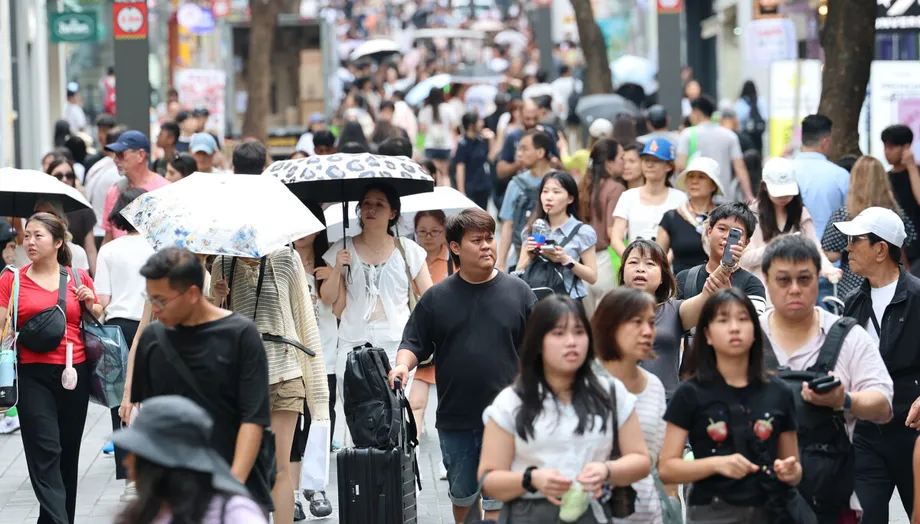
Crowds create immediate practical problems. During peak hours, queues stretch through narrow aisles, movement becomes more difficult and finding a seat for a quiet meal can take longer. A few longstanding sellers prefer the earlier pattern of steady local custom to the sharp rises in visitor numbers they now experience.
The challenge is to keep the benefits of new customers while maintaining space for the businesses that give the market its identity. A considered mix of tenants, support for family counters and practical improvements such as clearer maps, waste sorting and seating can help keep the alleys welcoming.
Merchants are already making adjustments of their own. Some are improving menus and signs or joining apps for delivery and takeaway orders. Others are changing displays or making payments easier. These are concrete ways for established businesses to serve a changing crowd while continuing their usual work.
Planning a Visit Around Both Sides of Gwangjang
A daytime visit offers the best chance to see fabric lanes, hanbok shops and supplies moving through the market. An evening return brings a different atmosphere, with grills working and the smell of pancakes and sesame oil filling the food alleys.
Weekdays are generally calmer than weekends. Late morning or late evening can help visitors avoid the largest groups. Walking past the first famous food counters is also worthwhile: a similar stall with available seats may be just around the corner.
Cash remains useful for small purchases even though many vendors accept cards and mobile payments. In crowded lanes, visitors need to watch for hot pans, keep personal belongings close and be ready to share tables. Asking before filming staff respects the people whose daily workplace has become a tourist attraction.
Jongno 5 ga and Euljiro 4 ga stations are both a short walk away. Schedules and notices can be checked through the official market website, with individual opening hours worth confirming, particularly on Sundays.
The choice of stops depends on the purpose of the trip. Textile lanes and hanbok shops serve fabric purchases and custom orders; newer stores offer skincare, clothing and travel accessories. Food choices range from bindaetteok, mayak gimbap and tteokbokki to soondae, hotteok and yukhoe for those who enjoy raw beef.
Gwangjang's appeal now rests on that range. A working textile market, familiar family food businesses and newer branded shops occupy the same network of lanes. For visitors, the change creates more reasons to stay. For merchants, its value depends on whether those longer visits continue to reach the traditional stalls as well as the new arrivals.
At a Glance
- Founded in 1905, Gwangjang is Korea's first permanent market, with more than 5,000 shops and stalls and thousands of workers.
- The central Seoul market is near Cheonggyecheon, Jongno 5 ga Station and Euljiro 4 ga Station.
- Starbucks opened inside the market in May 2025, joining a growing mix of cafes, fashion shops and beauty retail.
- Newer brands include Off Beauty, Matin Kim, The North Face, RAWROW and Marithe Francois Girbaud.
- Kodak Gwangjang Market and 365iljang add temporary retail displays and seasonal merchandise.
- Food, textiles and hanbok remain core attractions, with international food interest growing after a 2019 Netflix documentary.
- The western end draws especially strong pedestrian traffic and contains many newer storefronts.
- Merchants see opportunities for longer visits and extra spending, alongside concerns about rents, crowds and the market's atmosphere.
- Shop hours vary, many food stalls operate late, and some sections close on Sundays.
- Many vendors accept cards and mobile payments, but cash remains useful for snacks and smaller purchases.