Thirteen airlines hit as passengers wait hours
Check-in services at Incheon International Airport resumed late on Friday, October 30, 2026, after disruptions affecting 13 airlines delayed 38 flights and left about 1,200 passengers waiting. Services to Shanghai, Guangzhou and Qingdao were among those affected at South Korea's main international gateway.
Contents
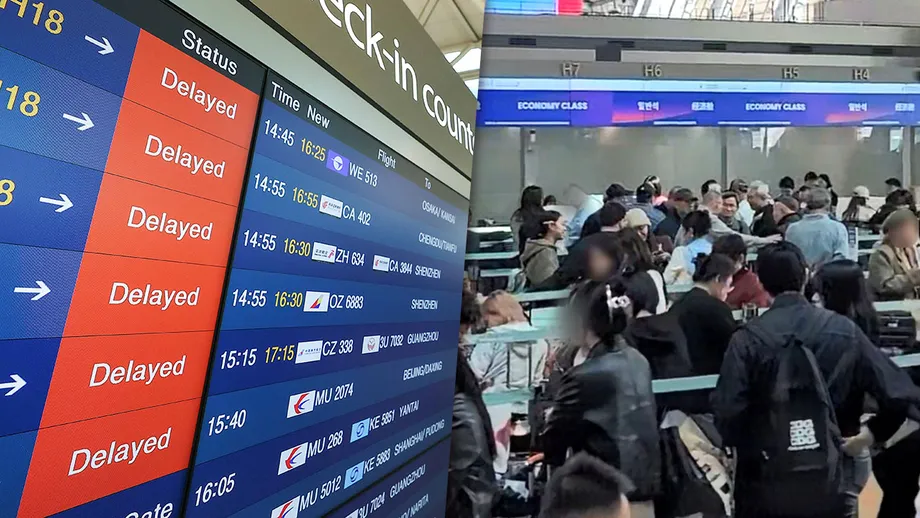
The trouble began around 4:30 a.m., with intermittent communication failures affecting eight airlines in Terminal 1 and five in Terminal 2. By the afternoon, regular ticketing at China Southern Airlines, China Eastern Airlines and Air China had effectively stopped, creating long queues at their Terminal 1 counters.
Incheon International Airport Corporation initially pointed to instability in the global network of American aviation communications provider ARINC. Its later explanation described two technical problems during the day: an ARINC network malfunction that was fixed at noon, followed by a failure involving TravelSky, the electronic ticketing system used by the three Chinese carriers.
The airport corporation said all airlines' check-in procedures were operating normally as of 5 p.m.; it also gave around 5:20 p.m. as the restart time for the three carriers. Their regular ticketing operations had been effectively halted for about five hours.
The disruption delayed 38 flights, while the airport corporation also gave a figure of 35 affected flights. Around 1,200 passengers were estimated to be waiting at check-in counters by 3:30 p.m., with some facing approaching departure times and little information about when service would return.
Two failures prolonged the disruption
ARINC's network connects airline ticketing systems, allowing information needed for passenger processing to move between systems. When those connections repeatedly dropped on Friday morning, staff at affected counters could not consistently carry out their normal work.
Incheon International Airport Corporation described its initial assessment of the disruption in a statement:
We believe the disruption occurred due to instability in the global network of the U.S. company ARINC, which provides the network for the airline ticketing system.
The corporation later said the ARINC malfunction had been repaired at noon. A subsequent TravelSky failure affected China Southern Airlines, China Eastern Airlines and Air China, prolonging disruption for passengers using those carriers at Terminal 1.
That sequence explains why repairing the morning network problem did not immediately restore every airline's service. The three carriers still needed their electronic ticketing system to work before regular processing could resume.
The airport operator initially said the specific cause and expected restoration time had not been confirmed. It also said whether hacking was involved had not been established. No detailed technical explanation for the failures was announced alongside the restoration updates.
What happened during the day?
Friday's disruption stretched from the early morning departure period into the evening. The most severe interruption was concentrated at three airlines, although connectivity problems reached both passenger terminals.
- About 4:30 a.m.: Communication failures began on the network linking airline ticketing systems, affecting eight airlines in Terminal 1 and five in Terminal 2.
- Noon: The airport corporation said the ARINC network malfunction was fixed. A subsequent TravelSky failure affected the three Chinese carriers.
- After noon: Regular ticketing at China Southern Airlines, China Eastern Airlines and Air China was effectively suspended.
- 3:30 p.m.: About 1,200 passengers were estimated to be waiting at affected check-in counters.
- Around 5 p.m. to 5:20 p.m.: Restoration updates confirmed the return of normal check-in procedures and the restart of the three carriers' ticketing operations.
The three carriers' roughly five hours without regular ticketing came within a much longer day of intermittent network trouble. For passengers, the practical result was an extended wait before they could complete the first stages of departure.
Why some airlines kept processing passengers
Korean Air, Jin Air and Air Busan also experienced some communication interruptions on the shared network. Their ticketing operations were nevertheless functioning normally during the afternoon, while the three Chinese carriers faced much more severe disruption.
Thirteen airlines experiencing connection problems therefore meant different things at different counters. Some staff could continue processing travelers despite interruptions. At China Southern Airlines, China Eastern Airlines and Air China, regular ticketing had reached a near standstill.
Incheon International Airport Corporation said it had used ARINC's common check-in system since 2014. A common system is infrastructure that several airlines use at an airport to handle functions such as check-in and ticketing, rather than each airline relying entirely on its own equipment at every counter.
ARINC's services are used by more than 300 airlines and more than 150 airports worldwide. At Incheon, the breadth of the local disruption showed how a shared connection can affect several carriers at once. The additional TravelSky failure then left the three Chinese airlines facing a further obstacle after the morning malfunction was repaired.
Queues grew as departure times approached
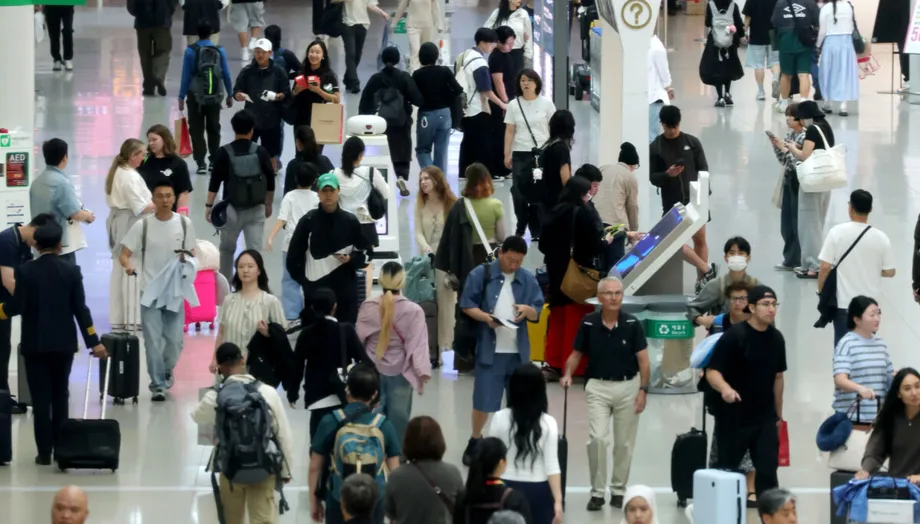
Passengers gathered in long lines at the affected check-in counters, with some complaining that airlines had not told them when systems were expected to recover. The lack of a reliable restoration time became especially pressing for travelers whose flights were due to depart soon.
Check-in is the stage when an airline confirms a passenger's journey, issues the documents needed to board and accepts any checked baggage. A delay there can hold passengers back from later steps, including immigration and boarding, even when they have arrived at the airport on time.
The three Chinese carriers introduced limited manual check-in procedures for passengers with imminent departures. Staff could process some urgent cases while the regular systems were unavailable, but long queues remained and about 1,200 people were estimated to be waiting by midafternoon.
Flights bound for Shanghai, Guangzhou and Qingdao were among those delayed. The impact on travelers extended beyond time spent at a counter: a late departure can also squeeze the time available for a connecting flight or disrupt arrangements at the destination. The airport was still assessing the effect on passenger itineraries after services resumed.
Extra staff and immigration support
Incheon International Airport Corporation deployed about 50 additional staff to guide passengers and manage queues. Their immediate task was to help people move through crowded departure areas while airlines worked through the technical problems.
The operator also requested support from the Justice Ministry to increase immigration processing capacity. Once check-in restarted, passengers who had waited for hours would still need to complete the remaining departure procedures.
Restoring the computers was therefore one part of getting the terminal moving again. Airlines needed to process the waiting passengers, while airport staff had to manage the flow toward immigration and boarding gates.
The airport's response combined technical repairs with measures to handle crowding. Manual processing addressed some urgent departures, additional staff helped organize the queues, and the request for immigration support addressed the next stage of the passenger journey.
Services restored, travel impact still being assessed
Incheon International Airport Corporation initially said it had identified no flight departure delays and was checking conditions further. By later in the day, dozens of flights had been delayed as the disruption continued.
The return of normal check-in services ended the immediate processing failure. Passengers who had spent hours waiting could begin moving through regular departure procedures again, and the three Chinese carriers could resume their usual ticketing work.
The airport corporation continued assessing the full effect on travel itineraries after the technical issues were resolved. Its restoration announcement confirmed that check-in was working again, while airlines still had the task of clearing the accumulated passenger queues and managing delayed departures.
Key Points
- Check-in disruptions began at about 4:30 a.m. on October 30, affecting 13 airlines across Incheon's two passenger terminals.
- China Southern Airlines, China Eastern Airlines and Air China faced about five hours without regular ticketing at Terminal 1.
- The airport corporation said an ARINC malfunction was fixed at noon, followed by a TravelSky failure affecting the three carriers.
- Thirty-eight flights were delayed; the airport corporation also gave a figure of 35 affected flights. About 1,200 passengers were left waiting.
- Normal check-in services returned around 5 p.m. to 5:20 p.m., with about 50 extra airport staff deployed to help manage passengers.
- The airport continued assessing disruption to passenger itineraries after the systems were restored.