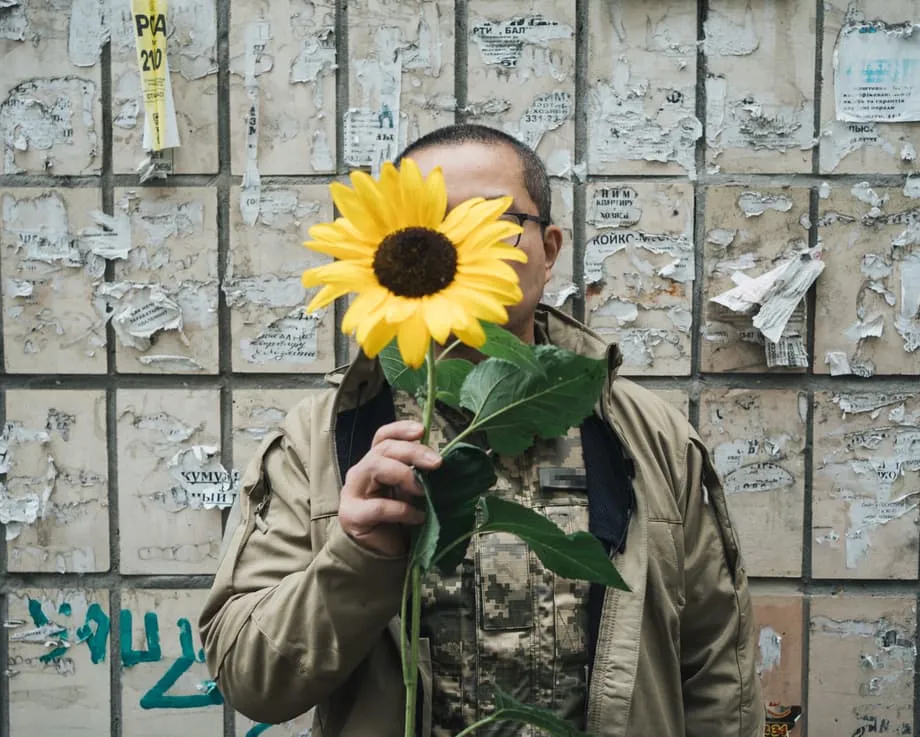
From a Kyiv hospital's rubble to Ukraine's armed forces
Tim, a Chinese national aged 43, spent hours helping with recovery efforts in the wreckage of a children's ward after the July 8, 2024 missile strike on Kyiv's Okhmatdyt children's hospital. The attacks that day killed at least 43 people across Ukraine. For Tim, who had been delivering aid near Kyiv, the destruction became a reason to move from civilian volunteer work into military service.
Contents
- From a Kyiv hospital's rubble to Ukraine's armed forces
- Why Tim left China and stayed in Ukraine
- Fan's route from business losses to military service
- How foreign volunteers enter Ukrainian units
- Drones create demand, while language limits roles
- Chinese citizens are also fighting for Russia
- Beijing's denial and Washington's assessment
- Why military status matters for captured foreigners
- Peng Chenliang's reported death and the risks at home
- Individual choices challenge a single picture of China
- Key Points
Within weeks, he joined Ukraine's armed forces. By October 20, 2025, he was serving in southern Ukraine, working on drones and engineering tasks. Such skills are in constant demand near the front. His work is safer than infantry service, but it still carries real risks.
Tim belongs to a small group of mainland Chinese citizens who have chosen to fight for Ukraine despite Beijing's warnings against joining military operations abroad. Only a few dozen are believed to serve on Ukraine's side, among about 8,000 foreign volunteers in its land forces. Their choices run against the generally favorable view of Russia in Chinese public opinion, shaped by state media that lean toward Moscow.
Tim, now serving in a Ukrainian unit focused on drones, described the purpose he had found:
I wanted to do something more meaningful.
His experience brings together several parts of the war that are often discussed separately: attacks on civilians, foreign recruitment, China's information controls and the personal cost of opposing the political direction at home. Another Chinese volunteer, Fan, reached Ukraine after business failures and debt. Both men describe a search for useful work and a different future for their families.
Why Tim left China and stayed in Ukraine
Tim first arrived in Ukraine in July 2023 on a business visa. He had been unemployed in China and dissatisfied with its political climate. Before leaving, he used a virtual private network, or VPN, to reach foreign media beyond China's internet restrictions. He distrusted state outlets that presented Russia as a friend and Ukraine as the aggressor.
Friends warned him to be careful about what he read or shared. He continued using VPN access to watch videos and read reports from outside the restrictions commonly called the firewall. News and social media at home were tightly controlled, and the contrast between those accounts and his experiences in Ukraine became important to him.
Ukraine offered a welcome he had not expected in a country under attack. Air raid sirens sounded, cruise missiles struck cities and blackouts interrupted daily life, yet strangers treated him warmly. He began to imagine bringing his wife and child to Europe.
For months, Tim transported donations and medical supplies to cities under fire. He developed contacts with local volunteers and aid organizations, watched people adapt to attacks and heard accounts of emergency workers pulling survivors from rubble while missiles continued to arrive. Ukraine gradually became more than a place he was visiting.
The hospital strike turned that attachment into a decision to enlist. After helping in the debris, he told friends that he would seek a formal army role and put his technical skills to work. The sequence of his journey stretches across more than two years:
- July 2023: Tim arrived in Ukraine on a business visa and began a period of civilian aid work.
- July 8, 2024: He helped with recovery efforts at Okhmatdyt after the hospital strike, during attacks that killed at least 43 people across Ukraine.
- Within weeks of the strike: He joined Ukraine's armed forces.
- By October 20, 2025: He was working on drones and engineering tasks in southern Ukraine.
Fan's route from business losses to military service
Fan left China after business setbacks and mounting debt. He wanted to be useful and searched online for practical information about joining Ukrainian forces. His search included guidance from an AI assistant about routes into the International Legion and military support roles.
After reaching Ukraine, Fan initially worked as a drone operator. Language difficulties made service near the front difficult, and he later moved to guarding a warehouse while studying Ukrainian. His reassignment shows how communication can determine the work a foreign recruit is able to do, even when that recruit has useful technical skills.
Fan describes himself as neither outspoken nor interested in political theory. His concern was more immediate: he felt that the space for free expression in China had narrowed. He did not want his child growing up watching bloggers taken away by police over comments that could be interpreted as dissent.
Tim and Fan arrived with different personal troubles, unemployment in one case and business losses and debt in the other. Both also describe unease about political life in China. Their decisions combined a wish to help Ukraine with hopes of finding meaning, personal safety and opportunities for their families.
How foreign volunteers enter Ukrainian units
Ukraine created the International Legion in early 2022 to organize volunteers arriving from abroad. Foreign nationals can serve in that formation or sign contracts with regular Ukrainian army units. The Legion screens applicants, checks criminal records and examines previous military service.
Applicants who are accepted must sign contracts, undergo medical assessments and commit to a unit. Training varies with previous experience. Volunteers with battlefield experience may receive further instruction in Ukrainian procedures and command systems before going to the front. Those with limited language skills often begin in support work.
Military service involves obligations rather than a short visit to a war zone. Pay, benefits and leave follow the contract and Ukrainian law. The state supplies basic equipment, although many foreign volunteers raise money for better gear.
Foreign recruits can bring skills in drone operations, communications, engineering and language support. Tim's technical work and Fan's changing responsibilities show the range of jobs available, as well as the practical limits that determine where someone can serve.
Drones create demand, while language limits roles
Drone warfare has expanded rapidly enough that Ukrainian units continually need operators and technicians. Soldiers use drones with a first person view to attack armored vehicles, drop munitions and scout Russian positions. Operators see through the drone's camera, allowing them to guide it toward a target or inspect an area.
Engineers also work to make drones more resistant to jamming and adapt equipment for conditions in the field. Volunteers with technical backgrounds can contribute even with limited Ukrainian, provided translators or teammates who speak both languages can help them communicate.
Language remains a serious practical problem. Units bring together Ukrainian and foreign personnel, and commands or safety briefings are not always easy to translate. A misunderstood instruction near the front can put people in danger. Many volunteers therefore spend their free time learning Ukrainian.
Commanders may move recruits into logistics or guard duties when communication creates a risk. Fan's move from operating drones to protecting a warehouse was one such adjustment. Tim's drone and engineering work places him in another area where foreign volunteers can contribute without serving as infantry, although proximity to the war still exposes him to danger.
Chinese citizens are also fighting for Russia
Ukraine's small Chinese contingent sits alongside a larger reported Chinese presence in Russian units. In April 2025, President Volodymyr Zelensky said Ukrainian troops had captured two Chinese nationals fighting for Russia in Donetsk. He said Ukraine had identified more than 150 Chinese citizens serving under contract in Russian forces, many recruited through social media.
Ukrainian officials described recruits traveling to Moscow, passing brief medical checks and undergoing one to two months of training before being sent to fight. Videos circulated on Douyin showing Chinese citizens at Russian training grounds, in field camps and under artillery fire.
Ukrainian intelligence has said that Chinese recruits often cite unemployment, debt or a desire for quick earnings. Some reportedly pay intermediaries to arrange travel and contracts. Recruiters promise steady income, while service can involve harsh conditions and communication problems.
Zelensky used the captures and the wider recruitment claims to appeal for more help from Ukraine's partners and demand clarity from Beijing. He argued that Russia was drawing China into the war. During one briefing, the Ukrainian president said:
China is now militarily supporting Russia, and the United States should pay attention.
Ukraine has publicized Chinese nationals among captured Russian soldiers to draw international attention and press Beijing to curb private recruitment. Their presence also gives Kyiv a way to challenge China's position on the war in its diplomatic appeals.
Beijing's denial and Washington's assessment
China rejects the suggestion that its government is sending troops or directing citizens to fight. Beijing says people who reached the battlefield went independently. Its Foreign Ministry maintains that China is not a party to the conflict and instructs citizens to avoid war zones and military operations.
Lin Jian, a spokesperson for China's Ministry of Foreign Affairs, set out that position:
China is not a party to the Ukrainian crisis. We ask our citizens to stay away from conflict zones and not take part in military operations.
U.S. officials describe the Chinese nationals fighting for Russia as mercenaries or paid recruits without a direct connection to the Chinese state. Senior officers have said that the two men captured in eastern Ukraine were of Chinese origin and that more than 100 such recruits were serving on Russia's side.
American assessments describe their training as minimal and their effect on the battlefield as limited. There is no confirmation that China has deployed combat units to Ukraine. Washington's broader accusation concerns Chinese support for Russia's military industry through commercial supplies.
China and Russia describe their partnership as having no limits. Trade between them has surged since 2022, including goods with both civilian and military uses. U.S. officials say Chinese companies have supplied machine tools, drone components, engines and microelectronics that feed Russian arms production.
Washington has sanctioned several Chinese firms and warned Beijing of diplomatic costs. Those economic ties form the backdrop to the dispute over individual fighters: Beijing maintains close relations with Moscow while telling its own citizens to stay out of the fighting.
Why military status matters for captured foreigners
Foreign recruitment also brings a legal issue into the discussion. A mercenary is generally described as a person recruited to fight for private gain who is not integrated into a state's armed forces. Many countries deny mercenaries the protections given to prisoners of war.
Foreign volunteers serving under contract as members of a state's military are usually treated as lawful combatants. In simple terms, a person's nationality is only part of the picture; their role, reasons for fighting and relationship with the armed forces also matter.
For prisoners, the distinction affects the protections they can receive. It also helps explain why governments use different language when describing citizens found in foreign armies. Ukrainian service contracts, Russian recruitment arrangements and official descriptions of paid fighters all form part of this debate.
Peng Chenliang's reported death and the risks at home
In 2024, accounts circulated that Peng Chenliang, a Chinese volunteer aged 29, had been killed while serving in Ukraine's International Legion. His story passed through volunteer networks and church contacts in Taiwan.
Huang Chunsheng, a Presbyterian pastor in Taipei who had contact with Taiwanese volunteers in the same cluster of units, described Peng's opposition to authoritarian rule. The pastor also recounted Peng's burial wish:
He wished to be buried in a free Ukraine under Taiwans national flag.
Friends said Peng had spent months in detention in China over online posts criticizing Russia and the ruling party. They also said another Chinese national defrauded him after he arrived in Ukraine. His experience illustrates the isolation, financial shortages and exposure to scams that foreign recruits can face before reaching the front.
Other Chinese volunteers supporting Ukraine fear pressure on relatives and possible legal exposure if they return home. Several said police questioned family members after they enlisted. Volunteers use nicknames and withhold identifying details about relatives to reduce that exposure.
For some, settling in Europe is therefore both a personal ambition and a plan for safety. Tim hopes to bring his family there and continue work that saves lives. The decision to join Ukraine can reshape a volunteer's future far beyond the length of a military contract.
Individual choices challenge a single picture of China
Tim and Fan say they want to show that many Chinese people value freedom and compassion. Their service represents a small current of opinion in a country where censorship shapes what people can see and say, and where public attitudes generally favor Russia.
Their choices complicate any simple picture of Chinese citizens following the direction of their government. Some have entered Russian units through recruitment networks that promise income. A much smaller group has joined Ukraine, describing political disillusionment, sympathy for civilians and a wish to make their lives useful.
For Tim, the turning point remains the children's hospital in Kyiv. Months of carrying aid had brought him close to people living under attack; helping in the rubble led him to put on a uniform. His work now combines technical military duties with the hope of eventually building a life with his wife and child in Europe.
Tim also wants people outside China to distinguish its government from its population. The Chinese volunteer offered this appeal:
Do not give up on China. There are many good people, and many positive ideas, in my homeland.
Key Points
- A few dozen mainland Chinese citizens are believed to serve with Ukraine, among about 8,000 foreign volunteers in its land forces.
- Tim, aged 43, enlisted after helping at Okhmatdyt children's hospital following the July 8, 2024 strike. He now works on drones and engineering in southern Ukraine.
- Fan began as a drone operator and later moved to warehouse security while learning Ukrainian.
- In April 2025, Zelensky said Ukraine had captured two Chinese nationals fighting for Russia and identified more than 150 serving under Russian contracts.
- Beijing denies directing citizens to fight and tells them to avoid conflict zones. U.S. officials describe the Russian recruits as paid fighters without a direct state connection.
- Washington also accuses Chinese companies of supplying goods used by Russia's military industry and has sanctioned several firms.
- Peng Chenliang's reported death in 2024, alleged fraud against him and police questioning of other volunteers' families illustrate risks beyond combat.
- Tim and other volunteers hope to build lives in Europe while expressing support for Ukraine and concern about political freedoms in China.