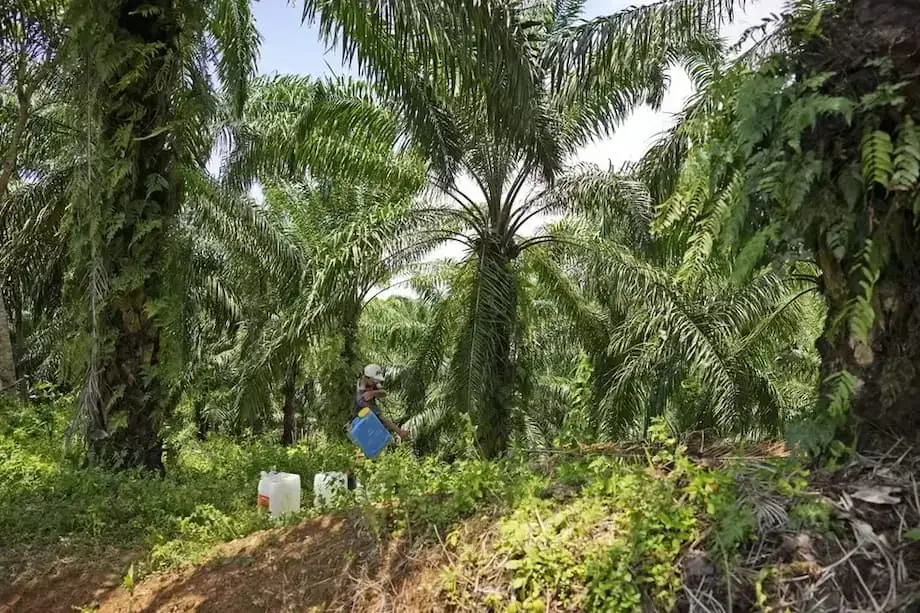
A vast plantation transfer with production at stake
Indonesia has assigned 1.8 million hectares of seized oil palm plantations to Agrinas Palma Nusantara, a new state company tasked with keeping estates operating while authorities resolve their legal status. As of October 10, 2025, officials count 1.5 million hectares physically handed over in four stages, within the larger area assigned for management.
Contents
- A vast plantation transfer with production at stake
- Why plantations and mines are being seized
- How the handovers have grown
- Agrinas faces a large repair and expansion task
- Why uninterrupted tree care matters
- Forest restoration and biofuel goals pull in different directions
- Communities report losses alongside enforcement
- Who controls the land, and who owns it?
- Investors watch exposure across the region
- At a Glance
The Attorney General's Office is transferring estates confiscated for operating illegally inside forest zones or for their connection to corruption cases. An interagency task force has secured 3.4 million hectares across palm oil and mining, against a government target of 4 million hectares under state control. That puts the campaign at 85% of its stated target.
Indonesia, the world's largest palm oil producer and exporter, is trying to recover state assets without interrupting a commodity that supplies cooking oil, biofuel and export earnings. Officials want productive trees maintained and plantation income directed into public coffers while courts and regulators settle questions about ownership, permits and land use.
Defense Minister Sjafrie Sjamsoeddin, who oversees the task force established through a presidential regulation, has instructed Agrinas to maintain supply during the transition. His message reflects concern about disruption to both domestic and export markets.
Production must not drop. It should even be increased.
The government initially relies on administrative penalties, including fines and repayment of illicit gains. Criminal prosecution will follow where owners refuse to cooperate or investigators connect estates to fraud, money laundering or other criminal activity.
Authorities are also encouraging people to report unlicensed operations still active inside forest zones. More estates could be secured, checked and transferred as the campaign continues. Boundaries, ownership chains and forest status remain under verification, so the scale and timing of subsequent handovers are still evolving.
Why plantations and mines are being seized
Indonesia divides land into two broad categories: forest zones controlled by the state and areas outside those zones that can be used for agriculture, urban development or other activities. Establishing an oil palm plantation within a forest zone requires the land to be formally released from the forest estate, along with the necessary permits.
Many seized plantations lacked those requirements. Some operated in protected areas, others had not obtained forest releases, and some extended beyond their concession boundaries. A concession defines the area an operator is authorized to use; planting beyond it can bring land outside that authorization into production.
The government created the Forest Area Control Task Force through a presidential regulation in early 2025. Its mandate includes identifying and reclaiming plantations and mines developed illegally within forest zones, mapping boundaries, checking permits and calculating state losses. Confiscated assets pass to the Attorney General's Office for control.
The campaign covers Sumatra, Kalimantan and Sulawesi. Officials say nearly 370 companies are involved in cases concerning oil palm established inside forest zones without complete permits. Estates associated with suspected corruption or money laundering have also been targeted.
Authorities want to recover illicit profits, reduce environmental damage in protected areas and resolve overlapping land claims that have complicated the industry for years. Plantations that can operate lawfully are intended to remain under state management. Land unsuitable for continued planting is slated for rehabilitation and reforestation.
Illegal mining sites face separate audits. Where mining has damaged watersheds or habitats, the land is destined for restoration. State control during proceedings is intended to prevent further degradation while maintaining oversight of production that supports farmers, mills and local economies.
How the handovers have grown
The transfer to Agrinas has proceeded in stages, with earlier assignments followed by larger additions. The distinction between land assigned for management and land physically handed over explains the two current figures: 1.8 million hectares and 1.5 million hectares.
- Early 2025: A presidential regulation established the Forest Area Control Task Force.
- Earlier in 2025: Prosecutors placed more than 221,000 hectares linked to a major graft case under Agrinas management.
- Subsequent stages: Transfers added hundreds of thousands of hectares, including a tranche of nearly 400,000 hectares.
- By the middle of 2025: Agrinas had been assigned more than 800,000 hectares, with later transfers taking its portfolio well beyond 1 million hectares.
- By October 10, 2025: Officials counted 1.5 million hectares physically handed over in four stages and 1.8 million hectares assigned for management.
The task force first secures effective control of an estate, inventories its trees and facilities, and determines whether it lies in a forest zone eligible for conversion or in a protected zone. The Attorney General's Office then appoints a manager to operate the plantation on behalf of the state. In many cases, that manager is Agrinas.
Agrinas is directed to collect revenues, pay workers and maintain plant care. Those responsibilities continue while officials verify permits and decide whether the land can remain in agricultural use.
Authorities are still finalizing a uniform system of fines. Companies are expected to pay penalties connected to illegal gains and unpaid dues. Cooperation with settlement may keep cases at the administrative level, while evidence of criminal activity or obstruction can lead to prosecution.
Some plantations will be retired and restored. Decisions depend on environmental value, legal status and the cost of bringing an estate into compliance. Productive blocks outside protected zones may continue operating under state oversight, while estates within protected forest or unable to meet legal requirements are candidates for reforestation.
Agrinas faces a large repair and expansion task
Agrinas Palma Nusantara is a new state company focused on oil palm management and green energy. It was created to operate confiscated plantations, preserve their value and channel proceeds into public programs. The company plans to align its operations with sustainability standards and Indonesia's strategy of using palm oil in biofuel to reduce fossil fuel imports.
The company has acknowledged that a substantial portion of seized land needs rehabilitation. Within one large block inventoried, only about half was immediately productive. Other areas were damaged, poorly planted or in need of replanting.
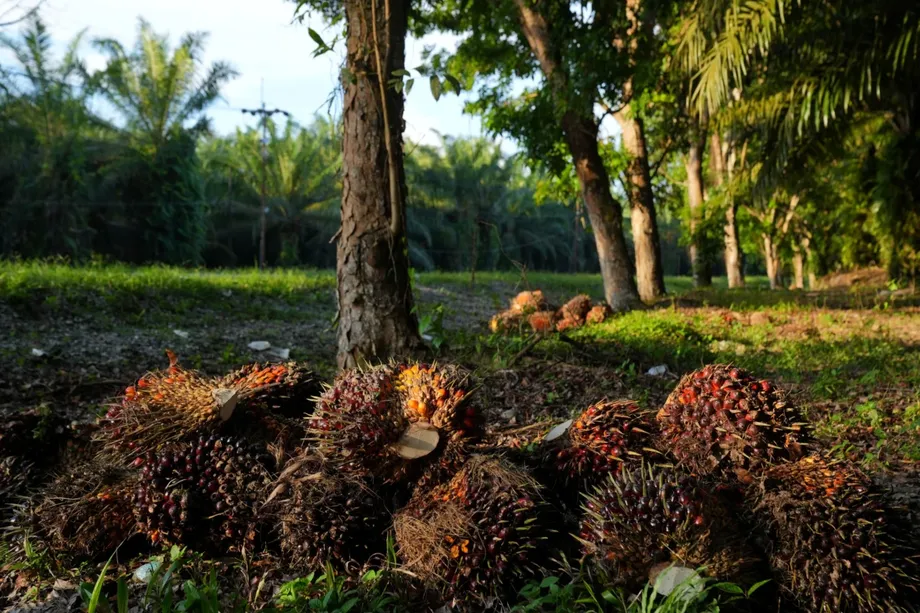
Agrinas reports output of roughly 6,000 metric tons of fresh fruit bunches a day across the estates it operates. Fresh fruit bunches are the harvested clusters sent to mills for processing into palm oil. Their weight is a different production measure from the amount of crude palm oil mills produce.
The company operates 17 mills and plans to add dozens more during subsequent phases of expansion. Output could grow as damaged areas are restored, but that will require improvements to estates as well as enough processing capacity to handle their harvests.
Government task force estimates suggest the entire assigned area could eventually produce several million tons of crude palm oil annually if it is rehabilitated and managed well. Authorities have asked Agrinas to support the affordable cooking oil program and supply feedstock, the raw material used in production, for bioenergy.
Agrinas must balance those production goals with decisions to restore land where continued cultivation is unlawful or unsuitable. Its expanding portfolio therefore includes both estates intended to remain productive and areas whose future depends on legal and environmental decisions.
Why uninterrupted tree care matters
Oil palms need regular pruning, pest control and fertilizer application. Officials say the staged transfer is designed to limit disruption because a sudden halt in care can damage yields for months or years. State managers must stabilize operations while courts and ministries determine the longer term status of the land.
Private operators under investigation are handing estates to a state company still building its capacity. Interruptions to procurement or agronomy, the practical work of growing and maintaining crops, can reduce output before recovery begins. Keeping fruit moving to mills is an immediate challenge.
Agrinas also faces work beyond routine harvesting. Crews need to replant older stands, repair roads and arrange new contracts with smallholder suppliers. Damaged or poorly planted blocks need investment before they can contribute more fruit.
The chairman of the Indonesian Palm Oil Association, which represents large growers and millers, has warned that disrupted maintenance could reduce yields. He also pointed to the need for estate improvements and the possibility of restoring some land to forest.
When previous owners stop care regimes, including fertilizer application, yields can fall quickly. The estates that are transferred will need upgrades and rejuvenation. Some areas may be better returned to forest.
Industry leaders caution that some seized areas may be unsuitable for oil palm under current regulations. Authorities may choose reforestation over agricultural recovery where land lies in protected forest or where trees are too old or too sparsely planted.
Indonesia accounted for a majority of world palm oil shipments in 2024. Palm oil and its derivatives contribute a material share of the country's gross domestic product, the value of goods and services produced by its economy, and support millions of workers in plantations, mills and downstream industries.
Stable output matters for domestic cooking oil, biodiesel blending and foreign exchange earnings. Biodiesel blending uses fuel made from biological materials alongside conventional diesel, linking plantation output to Indonesia's energy supply as well as its food markets.
Market participants will monitor monthly production and exports. Continued harvesting alongside rehabilitation could contain the effect on national supply over the medium term. Delays could tighten supplies and support prices until rehabilitation and replanting restore volumes.
Forest restoration and biofuel goals pull in different directions
Conservation groups and land rights advocates question the continued operation of oil palm estates created inside forest zones without proper permits. They argue that seized plantations in those areas should return to natural cover to protect biodiversity, reduce fire risk and cut carbon emissions.
Environmental organizations also say the selection of a new state company to manage confiscated estates should have followed a transparent process. Their concerns extend beyond who operates the plantations to which estates are permitted to continue and which are required to close.
The government presents biofuel made from palm oil as an energy security measure that can replace imported diesel. Critics argue that supplying more biofuel could work against environmental goals if it encourages continued planting on land that should be restored.
Green groups want detailed restoration plans for protected areas and strict criteria for deciding when plantations will be retired and reforested. Those decisions will determine how much of Agrinas's assigned land remains available for production and how much returns to forest.
Officials say restoration will proceed where required and that the task force is mapping the different outcomes. They also point to the need to preserve evidence, maintain trees and protect jobs during litigation. The government views Agrinas as an interim manager while investigators complete cases, ministries resolve land status and courts issue judgments.
Communities report losses alongside enforcement
Civil society groups say communities have borne the brunt of enforcement in some provinces. They describe seizures of smallholder plots planted in forest areas while action against large corporate estates with overlapping claims has moved more slowly.
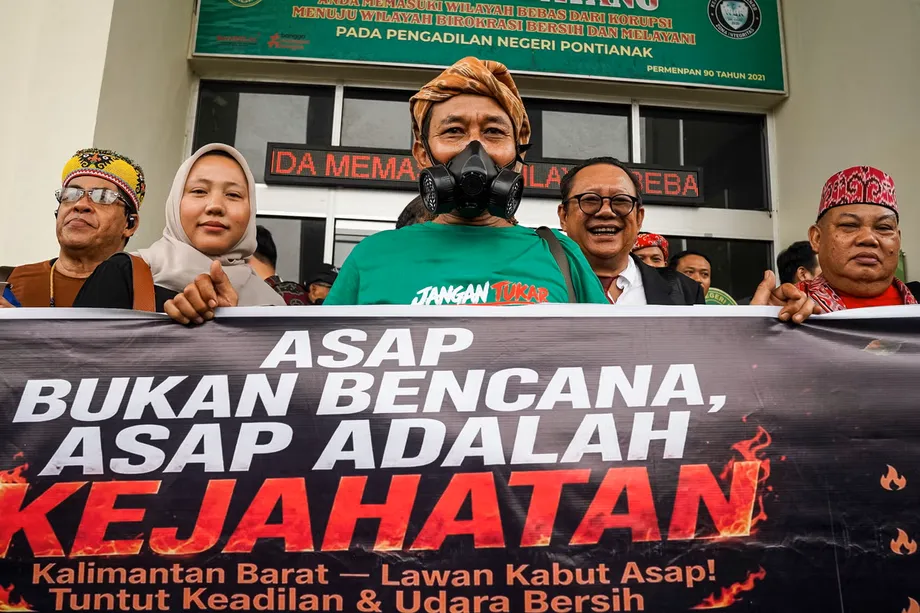
Community representatives in Aceh, Jambi, West Kalimantan and Riau report evictions and local school closures during enforcement. They also describe proposed arrangements for sharing profits that they consider unfavorable.
Free, Prior, and Informed Consent is a recurring concern. The principle requires consultation with Indigenous peoples before projects alter land they claim. It means consultation should happen before decisions are implemented, with information available and without coercion.
Many customary territories lack full legal recognition. Residents can therefore become vulnerable when official maps change or authorities act against land uses classified as illegal. Advocates call for meaningful consultation and clear routes to recognition of those territories to prevent fresh grievances.
Workers, smallholders and nearby communities depend on functioning estates and mills, while residents asserting customary rights need a way to have their claims considered. For them, the transfer changes both who manages production and who makes decisions about access to land.
Who controls the land, and who owns it?
Legal scholars and industry veterans have raised concerns about transparency in asset control and ownership during the transition. A state manager can operate an estate while questions about title, concession debts and overlapping claims remain unsettled.
Authorities need to clarify how and when assets held as evidence in a case become state assets for the longer term. Without clear arrangements, former owners could remain informally involved even while a state firm holds legal control.
Register 40 in Padang Lawas, North Sumatra, is one case cited by activists. The Supreme Court determined that the area should revert to forest status. Civil society groups argue that placing such land under a state plantation manager runs against the spirit of that ruling.
Those groups want definitive lists of seized areas destined for restoration and plans with deadlines for retiring oil palm where court decisions or environmental laws require it. Such lists would allow affected communities to understand whether continued operation is temporary or intended to last.
Indonesia's plantation sector has also faced uncertainty from mismatches between forestry maps and spatial plans. Overlapping claims can leave operators and communities facing conflicting descriptions of the same land.
Cleaning up boundaries and regularizing estates that meet legal and environmental criteria could give the sector greater certainty. That process requires published decisions, an explanation of the criteria for restoration or continued planting, and opportunities for communities and civil society to review and contest maps before they become final.
Investors watch exposure across the region
Singapore listed plantation companies with Indonesian assets are assessing their exposure to seized or disputed land. Some have disclosed discussions with regulators, while others have declined to comment pending reviews. The uncertainty has encouraged investors to apply stricter environmental, social and governance checks to holdings connected to Indonesian estates.
Malaysian plantation groups with substantial operations in Indonesia are also watching the campaign. Analysts warn that firms with unresolved land status inside forest zones could face a higher regulatory risk premium, meaning investors may demand a greater return to compensate for the possibility of penalties or asset losses.
Companies able to demonstrate compliance and transparent permitting may benefit over time. Operators with questionable estates face higher costs, legal exposure or the loss of assets.
Agrinas could quickly become one of the largest oil palm operators by area under management if it consolidates control across the assigned land. That scale brings scrutiny of its estate maps, concession documents, mill lists, contractors and sustainability certifications.
Investors and watchdogs will also expect disclosure of how revenues reach the state, what share supports social programs and how restoration commitments are fulfilled in protected areas. The financial and environmental results will depend on decisions made estate by estate, not simply on the total area transferred.
Indonesia is trying to combine governance reform with stable commodity production. Success would mean preserving jobs and supply while reducing deforestation, respecting community rights and advancing biofuel targets. The immediate tasks are to keep lawful production functioning, settle land status and identify the areas that must return to forest.
At a Glance
- Indonesia has assigned 1.8 million hectares of seized oil palm plantations to Agrinas Palma Nusantara; 1.5 million hectares have been physically handed over in four stages.
- The task force has secured 3.4 million hectares across palm oil and mining, reaching 85% of its 4 million hectare target.
- Nearly 370 companies are involved in cases concerning oil palm planted inside forest zones without complete permits.
- Enforcement initially uses fines and recovery of illicit gains, with criminal proceedings for noncooperation or evidence of crimes.
- Agrinas reports about 6,000 metric tons of fresh fruit bunches daily, operates 17 mills and plans dozens more.
- Some estates may remain productive under state management; protected or unsuitable areas are candidates for restoration.
- Industry leaders warn that delayed fertilizer application, maintenance and replanting could reduce output.
- Community representatives report evictions and school closures, while advocates seek consultation and recognition of customary land.
- Investors are monitoring disputed estates and seeking clearer disclosure of land status, revenues and restoration commitments.