Foreign shoppers bring a new purpose to the pharmacy counter
Medical transactions by international visitors in South Korea rose from 593,577 in 2020 to 2,929,831 in 2024, according to Korea Tourism Data Lab. Pharmacies accounted for close to 60 percent of foreign medical consumption in the first half of 2025, ahead of dermatology clinics, with pharmacy spending exceeding 60 billion won, about $43 million.
Contents
- Foreign shoppers bring a new purpose to the pharmacy counter
- How the change gathered pace
- Why visitors choose pharmacies alongside beauty chains
- Social media turns recommendations into shopping lists
- Inside the pharmacies adapting to tourists
- Five products that keep appearing on shopping lists
- Manufacturers see demand beyond individual stores
- Why the clinic visit often comes first
- Where the shoppers come from
- Stronger ingredients require more careful shopping
- A practical checklist for pharmacy visits
- Key Points
The annual transaction total was nearly five times its 2020 level. In August 2025 alone, foreign visitors recorded more than 309,000 medical transactions. Behind those figures is a change in what travelers put on their itineraries: alongside sightseeing and cosmetic treatments, many now schedule a pharmacy visit.
In Myeongdong, Hongdae and Gangnam, tourists arrive with shopping lists, screenshots and requests from friends at home. They seek creams for acne, pigmentation and wound recovery, often asking for a particular product rather than browsing for a familiar beauty brand.
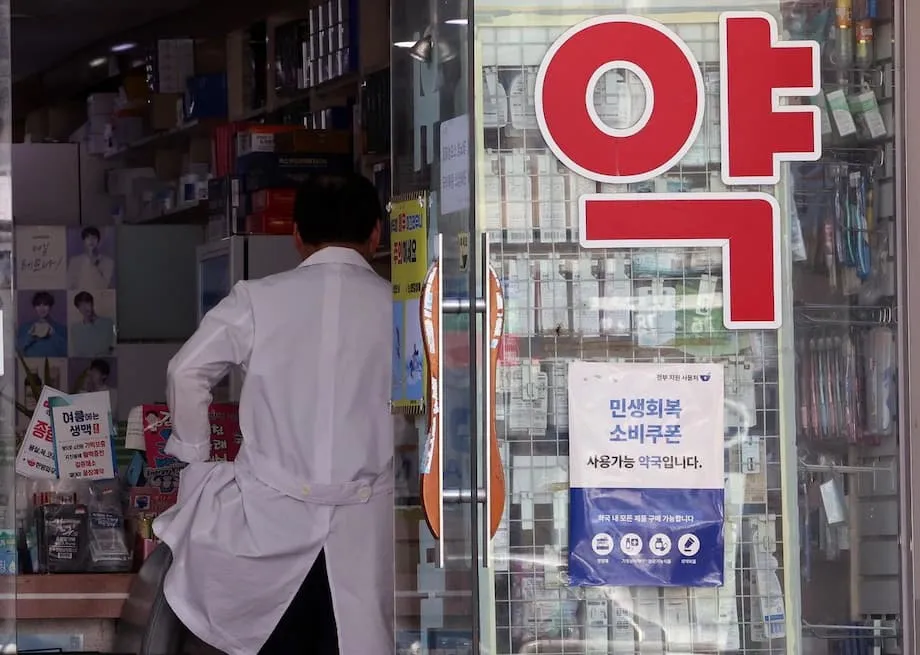
Neighborhood pharmacies that once mainly served local residents now display dedicated shelves of functional skincare. Windows advertise tax free shopping, while multilingual staff and labels help visitors identify products and understand their use. Health and beauty experiences, from dermatology appointments to wellness shopping, have become part of the same trip.
The appeal combines access to products sold through pharmacies, advice from pharmacists and the expectation of visible results. For many visitors, the pharmacy is also the last stop after a skin treatment, where they collect the products intended to support their recovery.
How the change gathered pace
Korea Tourism Data Lab figures trace the growth in foreign medical transactions, while developments during 2025 show pharmacies becoming a travel category of their own. The milestones span several years:
- 2020: International visitors recorded 593,577 medical transactions.
- 2024: The annual total reached 2,929,831. Figures from that year also showed a large share of foreign medical tourists visiting for dermatology or plastic surgery.
- First half of 2025: Pharmacies represented close to 60 percent of foreign medical consumption, with spending above 60 billion won.
- August 2025: Foreign visitors recorded more than 309,000 medical transactions.
- September 2025: Travel platform Creatrip recorded a spike in bookings for pharmacy visits after introducing a pharmacy category.
Creatrip, a travel service used by foreign visitors, lists selected pharmacies in Seoul and Busan. Its pharmacy category connects shoppers with licensed pharmacists, provides language support in English, Chinese and Japanese, and presents curated selections of products described as cosmeceuticals.
The company reported a sharp weekly rise in pharmacy bookings after the launch. A task that travelers might once have fitted between other activities is becoming an experience they arrange in advance.
Why visitors choose pharmacies alongside beauty chains
Large health and beauty chains remain destinations for mainstream skincare. Pharmacy shoppers, however, often want products associated with stronger active ingredients, a specific skin concern or care following a procedure. Products available only through pharmacies give them another reason to make a separate stop.
Prices for popular creams and gels can be competitive with those at beauty chains. Pharmacist guidance also matters to travelers whose skin is sensitive or recovering from treatment: they can ask how often to apply something, how it fits with other products and whether it suits their immediate needs.
Cosmeceuticals is the term used for products that combine cosmetic appeal with therapeutic claims. They borrow from clinical dermatology and contain active ingredients intended to produce visible changes, such as calming inflammation, fading spots or supporting wound repair. In this shopping category, customers can buy products without a prescription while receiving advice about use, frequency and interactions.
Tourist districts increasingly provide multilingual shelf tags and printed guides. Staff explain products for concerns ranging from active acne to scar management. Visitors leaving dermatology consultations often arrive looking for the healing creams or scar gels recommended during their appointments.
Kim In young, a Seoul pharmacist, described the connection between nearby clinics and pharmacy purchases, and the reasons visitors give for choosing these products:
Visiting a pharmacy after getting treatment at a nearby dermatology clinic has become a standard course for foreign tourists. They are popular because they are perceived as more effective and often priced lower than large beauty chains.
Social media turns recommendations into shopping lists
Amanda Min, a visitor from Singapore aged 32, built her pharmacy shopping list through TikTok searches for Korean pharmacy recommendations. Fukui Marie, a Japanese tourist aged 25, wanted a regenerative cream after a dermatology appointment in Seoul.
Their plans reflect a broader pattern at pharmacy counters. Tourists show phone galleries filled with product names and reference photographs, sometimes checking that an item matches exactly what friends have asked them to bring home. Pharmacists describe shopping with screenshots as a familiar habit among international customers.
Videos about a Korea glow up now feature pharmacy shelves alongside other travel stops. Shopping hauls show scar gels and regeneration creams next to sheet masks. Vlogs and short clips filmed in Myeongdong and Hongdae spread product names to prospective visitors, who then buy the items and post their own finds.
The Seoul Tourism Foundation has also recorded a surge in foreign spending on beauty services compared with the years before the pandemic. Together with pharmacy bookings and the growing volume of social content, that spending places skincare shopping within a wider demand for beauty experiences in Korea.
Inside the pharmacies adapting to tourists
Optima Wellness Museum Pharmacy in Gangnam illustrates the newer retail format. Spacious displays organize acne treatments, scar care, products for the skin barrier and vitamins in surroundings closer to a minimalist lifestyle shop than a traditional medicine counter.
Labels often appear in Korean, English, Chinese and Japanese. Digital tax refund services and counters accepting cards simplify payment. Some pharmacies warn customers when viral products may sell out, helping travelers decide which shops to visit and in what order.
Over the counter medicines are sold through pharmacies rather than online in Korea, making price comparisons less straightforward for visiting shoppers. Stock, promotions and export limits vary by location. Some tourists compare two or three pharmacies in the same neighborhood before buying larger quantities.
Major cards are accepted, and contactless payments have become widely used by travelers accustomed to tapping their cards at home. Currency exchange kiosks are common in shopping districts, although most pharmacy purchases can be handled by card. Contactless payments have also gained ground as more Korean terminals support them.
Many pharmacies in tourist areas offer tax free shopping. Visitors should bring a passport, ask staff to process the refund at purchase and retain receipts in case checks are required at the airport. Payment and refund arrangements are part of the convenience, alongside language support and help finding the right product.
Five products that keep appearing on shopping lists
Acne spot treatments, scar gels, moisturizers that support the skin barrier and pigmentation products feature prominently in customer requests and travel videos. The appeal is usually a specific task: calming an inflamed pimple, caring for a healing area or addressing a lingering dark mark.
- Madecassol Care: A familiar product for cuts, burns and wounds after procedures. Its Centella Asiatica extract is used to calm inflammation and support skin repair. Travelers also seek it to protect a sensitized skin barrier and reduce redness during recovery.
- Acnon Cream: Intended for red, inflamed pimples and pustular acne. It combines ingredients with anti inflammatory and antibacterial functions, including ibuprofen piconol and isopropyl methylphenol. Pharmacists recommend it for sudden painful breakouts rather than whiteheads or blackheads.
- Noscarna Gel: Sought for softening and flattening scars, including acne and surgical scars. Heparin sodium, allantoin and dexpanthenol help hydrate the area, improve texture and gradually lighten the appearance of scars with consistent use.
- Melatoning Cream: Used for dark spots and uneven tone, including sun spots and marks left after acne. Some versions contain hydroquinone, making pharmacist guidance and careful sun protection part of its use.
- Rejuvenex Cream with PDRN: Bought for skin barrier support and regeneration. PDRN is derived from salmon DNA. Visitors describe calmer redness and a more even tone after overnight use, and the cream is popular among patients following dermatology treatments.
Other shelves carry acne gels for clogged pores, barrier creams containing panthenol and brightening products with niacinamide. Similar packaging and product names make ingredient lists and pharmacist explanations useful, particularly when a shopper is buying from a photograph.
Manufacturers see demand beyond individual stores
One major manufacturer reported that three pharmacy skin treatments, covering acne, scars and pigmentation, generated 35.5 billion won in sales during the first half of 2025. Sales rose by more than a third from the corresponding earlier period.
Other companies have introduced lines sold only through pharmacies, with sales reaching hundreds of thousands of units across pharmacies nationwide. These figures show how demand extends beyond a handful of busy stores in Seoul's tourist districts.
Pharmacy exclusivity gives travelers a reason to seek out a particular retail channel, while social media supplies recognizable names and packages. Pharmacist consultations then connect those requests with a practical discussion about the customer's skin and intended use.
Why the clinic visit often comes first
Foreign visitors increasingly combine cosmetic dermatology with pharmacy shopping. Travelers book procedures in Seoul, receive instructions for care afterward and walk to a nearby pharmacy to purchase the recommended items. The pattern is familiar in the main tourist corridors of Seoul and Busan.
Several clinics arrange treatment days around procedures using energy devices, injectables and protocols intended to allow quick recovery. The large share of foreign medical tourists visiting for dermatology or plastic surgery in 2024 helps explain why pharmacies have become part of the same journey.
PDRN creams occupy a prominent place in this recovery shopping. PDRN stands for polydeoxyribonucleotide, a chain of DNA fragments often sourced from salmon. Injectable polynucleotides have been used in clinical settings for regeneration and wound healing. Pharmacy creams are topical products formulated for daily application to skin that feels delicate after laser treatments or other energy devices.
Dr. Park, a licensed pharmacist who advises travelers at Incheon International Airport, described the intended role of PDRN in these creams:
The PDRN used in popular regeneration creams is clinical quality, designed to support elasticity, reduce redness, and encourage collagen in skin that needs recovery.
Travelers seek these products as part of an approach centered on calming the skin, supporting its barrier and improving texture gradually. The skin barrier is the protective outer surface that helps skin retain moisture and withstand irritation.
Pharmacists also explain the order of care: how to space active ingredients, whether to pause acids and retinoids, and how to layer ointments that form a protective covering during the first nights after treatment. Scar gels often enter the routine after initial healing, followed by pigmentation care when the skin can tolerate brightening ingredients.
Where the shoppers come from
Visitors from Singapore, Hong Kong, Taiwan, the United States, Japan and China feature strongly in payment data associated with beauty and healthcare. Card spending across those categories increased as inbound travel recovered, with especially strong growth among travelers from Taiwan and Hong Kong.
Pharmacists describe differences in the products visitors request. Many Asian shoppers ask for acne and brightening care, while European travelers often seek moisturizers, barrier repair and regenerative products. Interest in pharmacy exclusives in Taiwan and Hong Kong also aligns with recommendations circulating on social media.
The shopping pattern has a familiar international parallel. Korean travelers once made famous French pharmacies a destination for sought after skin treatments. Foreign visitors now give Korean pharmacies a similar place on their Seoul itineraries.
Lee Young ae, a consumer studies professor, linked the shift to confidence in Korean skincare and a desire for products with a more specific purpose:
Foreign consumers trust Korean skincare and now want products with more function and more results, and they are finding them at pharmacies. Just as Koreans once crowded into a landmark pharmacy in Paris, tourists now come to Seoul for these pharmacy products.
Stronger ingredients require more careful shopping
Hydroquinone, found in some pigmentation formulas, can irritate skin and is regulated or banned in certain countries. Travelers should confirm the ingredients in the exact product they plan to buy and check the rules where they will take it home.
Some acne and scar treatments may contain ingredients unsuitable during pregnancy or nursing. A pharmacist should explain whether a product is appropriate, how frequently to apply it and which other treatments to avoid combining with it. People recovering from a procedure also need advice suited to their treatment and stage of healing.
Brightening and exfoliating products require attention to sun protection. Broad spectrum sunscreen, with reapplication when outdoors, belongs alongside the treatment rather than being an afterthought. New active ingredients can be introduced cautiously, with a patch test on the inner arm or behind the ear and, for sensitive skin, use every other night at first when appropriate to the instructions.
Product formulations, stock, promotions and export restrictions vary, so the exact ingredients, usage instructions, price and permitted quantity need checking for each purchase. A photograph identifies a desired item; the consultation establishes how it fits into the shopper's care.
A practical checklist for pharmacy visits
Visitors can make the consultation more useful by starting with a short list of concerns: active acne, recovery from a recent procedure or dark marks that remain after a breakout. Screenshots and ingredient lists help avoid confusion between products with similar names.
Travelers planning to buy several treatments should settle the order and frequency of use before leaving the counter. The same visit can cover payment, tax refunds and the documents needed for the journey home.
- Show the pharmacist your main skin concerns, product photographs and ingredient lists.
- Explain any recent dermatology treatment and ask how to sequence products, including whether to avoid acids or retinoids during recovery.
- Ask how often to apply each treatment and what should not be mixed with it.
- Patch test unfamiliar active ingredients and follow advice for sensitive skin.
- Use daily sunscreen with brightening or exfoliating products and reapply outdoors.
- Check home country import rules, including restrictions affecting medicines or hydroquinone.
- Bring a passport and keep receipts for tax refunds and airport checks.
- Compare nearby pharmacies for expensive or popular purchases because prices, promotions and stock vary.
- Choose visible multilingual support and consultations with licensed pharmacists, especially for sensitive skin or care after procedures.
Key Points
- Foreign medical transactions in Korea rose from 593,577 in 2020 to 2,929,831 in 2024, nearly a fivefold increase.
- Pharmacies accounted for close to 60 percent of foreign medical consumption in the first half of 2025, with spending exceeding 60 billion won.
- Tourists seek acne treatments, scar gels, pigmentation creams and PDRN products, often after dermatology appointments.
- Creatrip introduced pharmacy listings in Seoul and Busan with multilingual support and reported a sharp rise in bookings.
- Social media recommendations, screenshots and requests from friends help shape shopping lists.
- One manufacturer's three pharmacy skin treatments generated 35.5 billion won in sales in the first half of 2025, up by more than a third.
- Pharmacist guidance, sun protection, ingredient checks and home country import rules are practical considerations before buying.