Every seat comes into focus
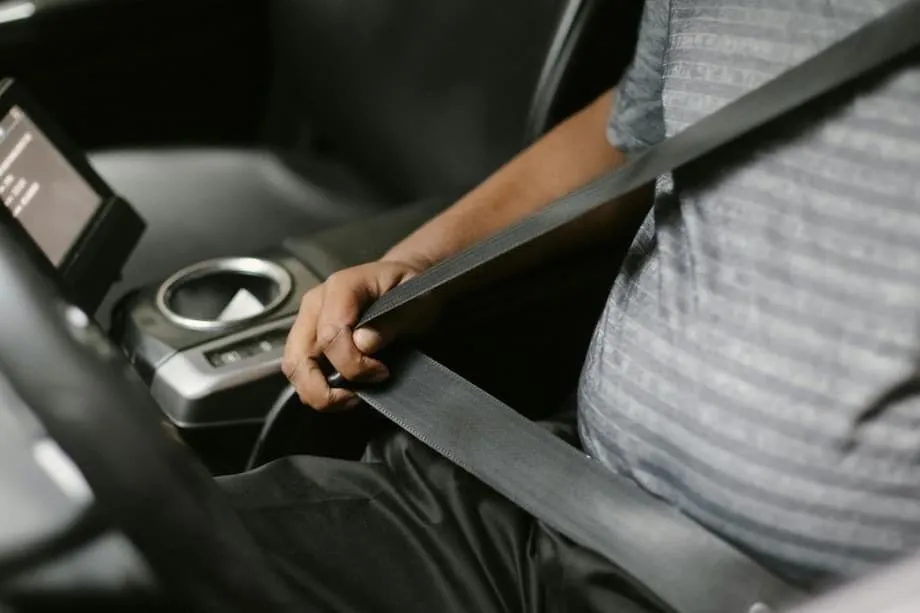
Malaysia's Road Transport Department, known as JPJ, is preparing to step up seatbelt enforcement for drivers and passengers in private cars, with compound fines of up to RM300 for those who fail to buckle up. As of September 12, 2025, the department had not announced an exact starting date. Its Klik Sebelum Gerak campaign is the first step, using education and reminders before the renewed enforcement drive begins.
Contents
- Every seat comes into focus
- The rules already on the books
- Why rear passengers are a priority
- What private car enforcement will involve
- Buses face checks now
- Devices that silence warnings face an import ban
- Children need restraints that fit
- Pregnant passengers and proper positioning
- How wearing rates can be measured
- Making compliance routine and enforcement fair
- What to Know
The push comes as rear seatbelt use has fallen to about 2 percent, according to a recent survey by a road safety researcher at Universiti Putra Malaysia. That compares with about 20 percent when the rear seat requirement was first enforced in 2009. The decline leaves a large gap between a rule that has existed for years and what passengers actually do.
JPJ director general Datuk Aedy Fadly Ramli said at a press conference that enforcement for private car passengers would follow the current campaign. He described the order of those steps:
We will announce the enforcement of seatbelt use for passengers of private cars soon. For now, we are beginning with this campaign first.
Drivers and families are being asked to make fastening a belt part of every departure, including short journeys and trips with familiar passengers. The campaign aims to build that habit among families and people who regularly share cars.
Research by the Malaysian Institute of Road Safety Research, or MIROS, indicates that wearing a seatbelt can halve an occupant's risk of dying in a crash. A belt also keeps a passenger from being thrown into other people inside the vehicle during a collision. Its protection therefore matters to the person wearing it and to those sitting nearby.
The rules already on the books
Malaysia has required drivers and front passengers to wear seatbelts since 1978. The requirement expanded to rear passengers in 2009. The current announcement concerns a stronger enforcement effort for private vehicles, with the Klik Sebelum Gerak campaign preparing motorists for checks and penalties.
Rear seat exemptions remain part of the rules. Cars registered before 1995, or vehicles without rear seatbelt anchor points, are exempt from the rear seat requirement. Anchor points are the places where a belt is secured to the vehicle. When the rear seat rule was introduced in 2009, owners received a grace period through 2011 to install belts where possible.
Front seatbelt requirements still apply in vehicles exempt from the rear seat rule. For owners of those vehicles, fitting rear belts remains a safety upgrade where the vehicle's structure allows it. In cars that have rear belts, every rear passenger must use them.
The main dates behind the safety drive are:
- 1978: Seatbelt use became compulsory for drivers and front passengers.
- 2009: The requirement expanded to rear passengers, with exemptions for certain older vehicles and vehicles without rear anchor points.
- 2011: The grace period for fitting rear belts where possible ended.
- June 9, 2025: A bus crash near Gerik killed 15 Universiti Pendidikan Sultan Idris students.
- July 1, 2025: Mandatory seatbelt use began for drivers and passengers on express and tour buses covered by the current requirements.
- December 31, 2025: Enforcement of the gazetted import ban on devices that bypass seatbelt reminders is scheduled to begin.
Why rear passengers are a priority
The Universiti Putra Malaysia survey puts rear seatbelt wearing at about 2 percent, down from about 20 percent in 2009. Using those figures, the recent rate is about one tenth of the earlier level, a fall of roughly 18 percentage points.
Researchers attribute the decline to weak enforcement and persistent mistaken beliefs about safety. One is that passengers in the back of a modern car are safe without restraints. MIROS research explains why the seat a person chooses does not remove the need to buckle up: an unrestrained occupant can suffer a fatal injury and can strike someone else during a crash.
The fatal crash near Gerik on June 9 also increased public concern about road safety. The deaths of 15 Universiti Pendidikan Sultan Idris students accelerated a clampdown on buses and set the tone for the wider effort now reaching private cars.
JPJ's approach brings together education, engineering and enforcement. Education explains why restraints matter, engineering covers the safety equipment in vehicles, and enforcement gives the rules practical force. Global studies find that wearing rates improve most when clear requirements, visible checks and simple safety reminders reinforce one another over time.
What private car enforcement will involve
Drivers and passengers who are unbelted can face a compound fine of up to RM300 when the announced enforcement drive begins. Checks are expected at roadblocks, highway rest stops and periodic safety operations in urban areas.
Drivers will be expected to remind their passengers to buckle up before the car moves. That makes safety inside the vehicle a shared responsibility: each passenger needs to use a belt, while the driver needs to make the reminder part of preparing to leave.
The rule applies regardless of who is driving or why the trip is being made. Company cars, taxis and ride hailing journeys are included. Visitors should also expect to wear belts in both front and rear seats.
Motorists can prepare now by checking the equipment as well as changing their habits:
- Fasten every occupant's belt before the car moves, including passengers in the back.
- Ask passengers to buckle up before shifting into gear.
- Secure children in an approved child restraint system suited to their weight and height.
- Check belts for fraying, make sure buckles latch and release smoothly, and check that anchors are secure.
- Avoid dummy buckles, alarm stoppers and clip extenders that defeat seatbelt reminders.
- Wear a seatbelt when travelling as a passenger in a taxi or ride hailing vehicle.
Families and regular carpool groups are a particular focus of Klik Sebelum Gerak. Making the check before departure gives everyone the same expectation, whether the journey is a school run, a shared commute or another routine trip.
Buses face checks now
Malaysia moved first on long distance buses. Since July 1, drivers and passengers on express and tour buses have been required to use seatbelts. The rule applies to buses registered from January 1, 2020, which must have belts at every seat.
Older buses have been given time to fit seatbelts. Operators are expected to make belts available and ensure they work as soon as possible. The safety effort therefore involves both passenger behaviour and the condition of the equipment provided.
Enforcement teams are checking buses at terminals and along major routes, with onboard cameras used in some cases. An unbelted passenger can be fined RM300. Drivers and operators may also face fines if they fail to remind passengers or do not follow the required procedures before departure.
JPJ has told operators that drivers should prompt passengers to fasten their belts. Officers can review bus CCTV footage to check whether that reminder was given, making the departure procedure part of the enforcement process.
JPJ Kedah has carried out covert checks at the Alor Setar Toll Plaza, issuing compound notices and warnings for failures to comply. State director Stien Van Lutam urged operators to maintain their equipment and explained the fairness problem when passengers are provided with belts they cannot use:
In many cases, seatbelts are present on the seats, but they are damaged or unusable. That is unfair when enforcement is being carried out, but the facilities are inadequate.
Working belts and reminders need to go together. Passengers are expected to use the restraints, while operators need to keep them usable and drivers need to make the required announcement before setting off.
Devices that silence warnings face an import ban
The government has gazetted a ban on imports of dummy buckles, seatbelt alarm stoppers, clip extenders and similar devices. Enforcement is scheduled to begin on December 31, 2025. These products can bypass a vehicle's seatbelt reminder while leaving the occupant unrestrained.
The move follows concern about widespread use of the devices and their connection to seatbelt violations during major travel periods. In one state level operation, roughly a third of seatbelt offences were tied to dummy buckle use. A JPJ director reported that many drivers admitted using them because of discomfort or habit.
Paediatric specialists have warned that the devices create a false sense of security while leaving children without protection. A silenced alarm does not change the child's position in the vehicle or provide a restraint during a crash.
Drivers should keep seatbelt reminders working and avoid accessories that defeat them. Once the import ban takes effect, such products could also breach customs rules. The announced measure addresses the entry of these devices into the country as part of the wider safety push.
Children need restraints that fit
The Malaysian Paediatric Association has warned about the combined risks of absent or improperly used restraints, children travelling in front seats and weak compliance in private vehicles. It supports stronger enforcement and public education, along with better access to approved child restraint systems for families needing financial help.
Parents and caregivers should keep children in the back seat and use an approved child seat matched to the child's size. Installation needs to follow the manufacturer's manual. When a vehicle belt is routed through a child seat, slack should be removed and the buckle should sit flat and secure.
Children should never travel on an adult's lap, even on a short journey. Belts should not be placed behind the back or under the arm. Those practices leave passengers without the proper restraint that the safety campaign is asking every family to use.
The association's call for financial support also places access to suitable equipment alongside enforcement. Families need an approved restraint that fits the child, and they need to use it correctly each time the car moves.
Pregnant passengers and proper positioning
Research in the region shows that pregnant passengers are less likely to wear seatbelts and that some lack guidance on correct positioning. Discomfort and fear of harming the fetus are among the reasons people avoid them, even though correct use protects both mother and baby.
The lap belt should sit low across the hips, below the belly. The shoulder belt should cross the chest between the breasts and run to the side of the belly. The belt needs to be snug and free of twists.
Airbags should remain active unless a doctor advises otherwise. Healthcare providers and public campaigns can help expectant parents address fears and understand how to position a belt properly, bringing this advice into the same effort to make every occupant safely restrained.
How wearing rates can be measured
Global reviews show that seatbelt use varies with age, gender, time of day, trip length, and the design of roads and vehicles. Those differences help explain why a single reminder may not reach every group equally.
Researchers commonly measure compliance through observational surveys at intersections. Newer methods use roadside cameras or cameras inside vehicles, and some pilot projects apply machine learning to detect belt use. Machine learning allows computer systems to examine images for patterns, such as whether an occupant appears to be wearing a belt.
Malaysia is already using CCTV on buses to verify driver reminders and monitor compliance. For private cars, regular national surveys and open data on wearing rates can help identify where education and enforcement are most needed.
Visible operations at places with greater safety risks can help target that work without placing unnecessary burdens on drivers whose behaviour presents less risk. Global studies point to the strongest gains when technology in cars and on roads, consistent education and clear enforcement are used together. Countries investing in all three typically see higher wearing rates and fewer deaths.
Making compliance routine and enforcement fair
Anecdotal accounts from riders and visitors describe ride hailing drivers who skip belts and friends who question why a rear passenger would wear one. Such behaviour reflects the challenge facing the campaign in places where rear seat wearing has fallen.
JPJ's renewed push aims to make buckling up a reflex again, supported by visible checks and clear communication. Families can set the same belt rule for school runs and carpools, while employers can include reminders in fleet policies and driver briefings.
Community groups can reinforce the message during holiday travel periods. These reminders connect the public campaign to the moments when people actually get into a vehicle, rather than leaving the rule as something they hear about only during an enforcement operation.
Authorities can build trust by publishing wearing rates and citation data showing where and when checks take place. Focusing on behaviours and locations with greater safety risks can help show that operations are intended to prevent injuries, while equipment maintenance keeps the requirements fair for passengers.
The practical message remains the same across private cars, taxis, ride hailing vehicles and buses: use the restraint provided, keep it in working condition and make the check before departure. Every reminder and every properly fastened belt lowers the chance of an injury that changes a person's life.
What to Know
- As of September 12, 2025, JPJ was preparing stronger seatbelt enforcement for private car occupants, with fines up to RM300 and no announced starting date.
- Front seatbelt rules date to 1978. Rear seat rules began in 2009, with exemptions for cars registered before 1995 or vehicles without rear anchor points.
- A recent Universiti Putra Malaysia researcher survey found rear wearing at about 2 percent, compared with about 20 percent in 2009.
- MIROS research indicates that wearing a seatbelt can halve an occupant's risk of dying in a crash.
- Express and tour bus enforcement began on July 1 for buses covered by the requirements. Checks include verifying reminders through CCTV.
- The import ban on dummy buckles, alarm stoppers, clip extenders and similar devices is scheduled for enforcement from December 31, 2025.
- Children should travel in the back in suitable approved restraints. Pregnant passengers need belts positioned correctly across the hips and chest.
- Drivers should remind passengers before departure, check belts and buckles, and keep seatbelt warning systems working.