A €25,000 watch and a more cautious customer
A Chinese shopper in a Paris boutique operated by a Swiss watchmaker spent several attempts on the phone with her bank before a payment for a €25,000 watch finally cleared. Staff described a scene that had been rare a few years earlier, when spending by Chinese luxury customers felt more effortless and exuberant.
Contents
- A €25,000 watch and a more cautious customer
- How the mainland market lost momentum
- Why smaller growth changes the business
- Travel, culture and wellness win more spending
- Stores become places to visit
- Overseas prices pull purchases away from China
- Daigou adds pressure on prices and distribution
- Chinese labels and quieter signs of status
- Younger customers ask for technology and better value
- Brands rebuild around fewer, stronger locations
- What could shape the rest of 2025
- Key Points
Salespeople now see more Chinese visitors browsing before moving to more accessible brands nearby, or choosing modest models instead of expensive showpieces. They also say customers from the United States and the Middle East often spend more than Chinese tourists in their stores.
By September 12, 2025, those observations fit a wider change in a market that once drove growth for European makers of watches, jewelry and leather goods. Chinese consumers are making sharper judgments about price and usefulness, while a shakier economy and weaker property market weigh on household confidence.
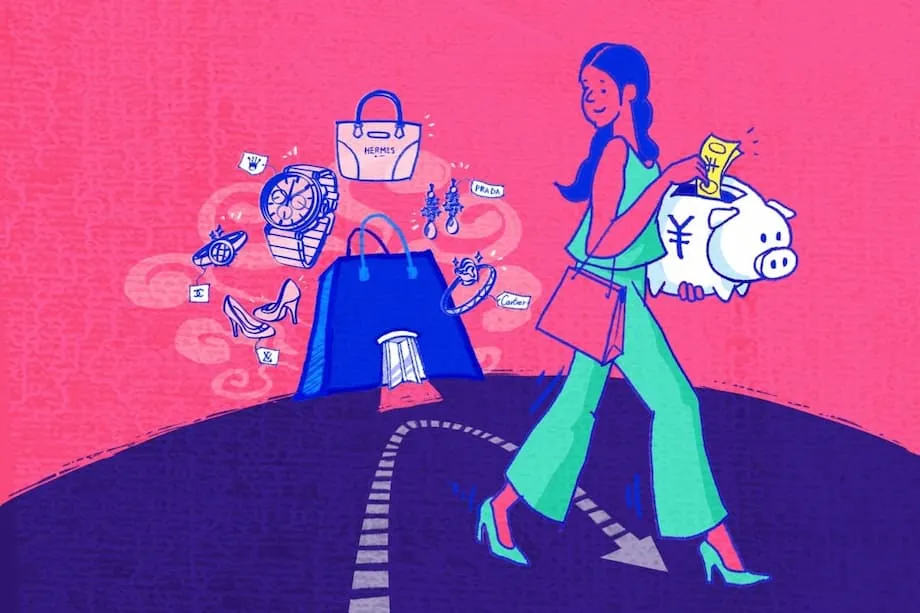
Mainland luxury sales fell an estimated 18 to 20 percent in 2024, returning spending roughly to 2020 levels. Yet the change reaches beyond how much people buy. Wealthy travelers are directing more money toward restaurants, culture and wellness, while shoppers who still want luxury goods are increasingly interested in discreet designs, resale and Chinese labels with a strong cultural identity.
Luxury companies are adjusting their stores, prices and service to match. The challenge is to retain customers who remain interested in quality and craftsmanship but have become more selective about what deserves their money. A memorable trip, a special meal or better service can now compete directly with another handbag.
How the mainland market lost momentum
China's luxury market rebounded strongly in early 2023 before retreating in 2024. Consultancy estimates put the subsequent decline in domestic sales at 18 to 20 percent, with low consumer confidence, repeated price increases and renewed shopping abroad all contributing.
Every major product category came under pressure. Beauty held up best because it offered an emotional reward at a lower price than many other luxury purchases. Jewelry and watches suffered the most as consumers redirected money toward experiences or other ways of holding value.
Hainan's duty free market shrank by about 29 percent in 2024. The island faced fewer visitors, lower spending per shopping basket and growing competition from international tourism and domestic ecommerce. For retailers, that meant pressure both on the number of customers arriving and on what each customer bought.
The base case for 2025 was a flat mainland market, with a softer first half and a better second half if stimulus measures and consumer sentiment improved. That outlook described a market trying to stabilize after a steep decline, while brands concentrated on making their existing operations perform better.
The sequence helps explain why an early rebound did not translate into sustained growth:
- Late 2022: An index tracking sentiment among high income households stood at 81.
- Early 2023: Mainland luxury demand rebounded strongly.
- 2024: Domestic luxury sales fell an estimated 18 to 20 percent, while overseas purchases recovered to about 40 percent of Chinese luxury spending.
- May 2025: The high income household sentiment index stood at 69.
- September 12, 2025: The prevailing outlook remained a flat year, with a better second half dependent on stronger confidence and policy support.
Why smaller growth changes the business
Luxury houses are putting performance ahead of expansion. Their priorities include narrowing price differences between countries, controlling wholesale distribution more closely, strengthening relationships with customers and improving service after a purchase. These measures seek to rebuild desire for their products while protecting the money retained from each sale.
Pascal Morand, executive president of the Federation de la Haute Couture et de la Mode, described the slowdown as a test of management discipline. He placed the industry's difficulties alongside economic growth of around five percent:
A main challenge is to manage the macroeconomic and revenue effects of the smaller growth rate, although the current stabilisation at around five per cent remains appreciable compared to many other parts of the world.
Zino Helmlinger, who leads China retail at CBRE, said some moderation followed an unusually rapid period of growth for the largest brands:
If you look at the megastars, they almost tripled their profit within five years. At some point, there is some counterbalancing, there is only so much you can grow, only so much you can generate.
Companies are consequently trying to operate with fewer stores while using personal service and visits built around memorable experiences to maintain customer interest. Innovation still matters, but so does making ownership feel worthwhile after the initial purchase.
Travel, culture and wellness win more spending
Surveys of wealthy Chinese consumers show a preference for longer and more frequent overseas trips, including visits to Dubai and Japan. History, architecture and art are becoming stronger attractions, with itineraries giving more space to cultural experiences and less to shopping sprees.
Restaurants, local activities and wellness retreats are taking a larger share of these budgets. Even travelers who continue to buy luxury products are becoming more selective, often waiting for something that feels particularly useful or special.
Confidence helps explain that caution. The index tracking high income households fell from 81 in late 2022 to 69 in May 2025. Expectations of an improvement in the near term economy had not fully recovered after the pandemic, encouraging families to save more and think carefully before making large discretionary purchases.
Travel demand remains resilient, though spending decisions are more deliberate. Domestic trips are strong, while international travel is rebuilding with a preference for closer destinations that are easier to reach. Currency movements also make some destinations cheaper places to shop.
Younger travelers in major Chinese cities show a particular interest in experiences that feel personal and connected to local culture. For these customers, luxury can mean what they do and remember, as well as what they own.
Stores become places to visit
Louis Vuitton's ship shaped flagship in Shanghai brings shopping together with an exhibition space and a cafe. Dior and Prada are also adding cafes and restaurants, giving visitors reasons to spend time with a brand beyond looking at products.
Other approaches include ticketed shows, private salons for very important clients and temporary museums. These formats turn a store visit into an event. Spending on experiential luxury, including travel tailored to individual clients, fine dining and wellness, grew in 2024 even as spending on personal luxury goods contracted.
Natalie Chen, a 31 year old Shanghai resident, described why another product had become less compelling than time spent exploring restaurants and travel with friends:
Truthfully speaking, I do not feel that buying another bag will improve my life,
Chen said she had moved more of her budget toward those experiences. Her choices capture the competition facing luxury retailers: a handbag now has to justify its place against other purchases that can make daily life more enjoyable.
Patrice Nordey, CEO of Shanghai innovation consultancy Trajectry, said the purpose of new flagships and cultural spaces extends beyond selling an item during a single visit:
If your purpose is not only to feed your client with consumer products, but more than that, you might actually resonate more strongly with them.
Brands are using these spaces to build an ongoing relationship with visitors. Exhibitions, meals and private events offer different ways to keep customers interested while they buy goods less frequently.
Overseas prices pull purchases away from China
Chinese consumers made roughly 40 percent of their total luxury purchases outside the mainland in 2024. Spending in Europe recovered to about half its 2019 level, while some destinations in Asia Pacific exceeded their 2019 levels. Japan benefited especially from favorable exchange rates.
A weaker yen made Japan attractive to shoppers comparing the cost of the same product across countries. When an overseas purchase looks better value, a mainland store has to compete with both the price difference and the appeal of the trip itself.
Some brands are moving toward global pricing to narrow these gaps. Several have also introduced purchase limits or adjusted launch prices outside China to reduce the opportunity to buy cheaply in one market and sell at a higher price in another. These changes take time to reach customers.
Mainland stores face two pressures at once: fewer visitors and more intensive price comparisons. Hong Kong faces a related task. Its opportunity lies in stronger service and exclusivity, particularly for travelers from smaller mainland cities who may still see it as a valuable luxury shopping destination.
Daigou adds pressure on prices and distribution
Daigou, the gray market in which shoppers buy goods abroad to resell at home, recovered alongside overseas shopping. Revenue linked to the practice grew by about five percent in 2024, particularly in fashion and leather goods.
For luxury houses, this trade makes it harder to control where products are sold and at what price. It can weaken the sense of exclusivity, reduce margins and complicate decisions about how much stock to send to each market.
Policymakers in places such as South Korea have tightened oversight. Brands are also changing wholesale arrangements and tightening distribution, seeking better control over products after they leave their own stores.
Further action on daigou was expected in 2025 as companies tried to protect their brands while maintaining fair access and good service for loyal customers. The wider pricing challenge remains delicate: narrowing international gaps may encourage purchases at home, but customers are already sensitive to repeated increases.
Chinese labels and quieter signs of status
Shang Xia and emerging designers such as Shu Shu Tong are attracting attention from consumers interested in Chinese identity, craftsmanship and cultural storytelling. A local point of view gives these labels a way to connect with buyers looking beyond familiar international logos.
Affluent consumers are also showing taste through art fairs, museum memberships and private gallery tours. These choices make cultural participation part of luxury consumption, alongside clothing, accessories and other possessions.
Consultants describe a rise in what some call luxury shame. Wealthy shoppers still buy, but many prefer understated designs, discreet logos and limited items that attract less attention. Status is being expressed through quieter choices rather than conspicuous branding.
The market for used luxury goods continues to grow, supported by authentication platforms and younger customers who view resale as a practical and sustainable choice. Authentication services help buyers assess whether a product is genuine, an important concern when purchasing outside a brand's own stores.
Large stores laid out like warehouses, filled with previously owned bags and shoes, allow shoppers in their twenties to maintain a luxury appearance at a lower cost. They can also try favorite brands before deciding whether to buy a new item at full price later.
Younger customers ask for technology and better value
Gen Z and Millennials account for a large majority of luxury spending in China. Their preferences are pushing companies toward experiences, stories connected to their lives and more useful combinations of digital and physical shopping.
Augmented try on tools, livestreamed shows and interactive games are among the ways brands seek their attention. Augmented try on lets a shopper use a digital image to see how a product might look. Many younger consumers are open to paying more for products they consider innovative.
Wellness has become another marker of status. Surveys show that a significant share of young luxury consumers plan to increase spending on health, fitness and recovery. A wellness resort or training program may take priority over a new leather item.
Sustainability also shapes their choices. Interest in previously owned goods remains strong, while information about sourcing and access to repair services can make a purchase feel more valuable. These consumers continue to buy jewelry, watches, handbags and premium beauty products, but do so less often and with closer attention to quality, price and service.
Brands rebuild around fewer, stronger locations
Global luxury houses are rebalancing their store networks instead of pursuing store numbers alone. Several have closed weaker locations while investing in larger flagships or cultural venues in strategic districts. The goals are to create scarcity, improve service and sustain customer interest.
Training sales teams to offer personal attention is becoming more important. Brands are also investing in customer relationship tools, often called clienteling, that help staff maintain contact with individual shoppers and respond to their preferences.
China's Tier 2 and Tier 3 cities offer pockets of resilience, though tastes and spending limits differ from those in the largest cities. Companies are adapting product selections and increasing digital content on platforms such as Douyin. Connecting ecommerce with store service helps customers move between browsing online and buying or receiving assistance in person.
Stock control is another priority. Tighter inventories and reserving the strongest product selections for leading stores can reduce pressure to discount. Closer oversight of wholesale distribution serves a similar purpose by limiting the flow of goods into channels where prices may fall.
Price harmonization and better service after purchase support the same objective: making ownership feel more rewarding in China than buying abroad. A store's value increasingly rests on its selection, personal attention and continuing support, as well as the product itself.
What could shape the rest of 2025
Consumer confidence remains fragile. The property market continues to weigh on household wealth, while younger urban consumers face a difficult job market. Currency swings can quickly reopen international price gaps, and travel capacity and visa policies influence where Chinese tourists go and spend.
Pricing decisions carry risks in both directions. Aggressive increases can push away customers already scrutinizing value, while deep discounts can weaken a brand's appeal over time. Companies are trying to protect premium positioning without making purchases harder to justify.
Policy support could help demand in the second half. Meaningful stimulus, clearer timelines for the Hainan Free Trade Port and improvements to the duty free shopping experience could encourage more spending within China. No firm recovery date or detailed policy timetable was given.
The priorities for brands are concrete: keep investing in creativity and service, match products and prices more closely to Chinese preferences, and manage stores and stock carefully. The market still contains buyers for luxury goods, but their money now faces stronger competition from travel, culture, wellness and better value alternatives.
Key Points
- Mainland luxury sales fell an estimated 18 to 20 percent in 2024, returning roughly to 2020 levels.
- The outlook for 2025 was flat, with a better second half dependent on confidence and stimulus.
- Hainan's duty free market shrank by about 29 percent in 2024.
- Overseas purchases represented about 40 percent of Chinese luxury spending in 2024, with Japan benefiting from favorable exchange rates.
- Revenue linked to daigou grew by about five percent in 2024.
- Wealthy consumers are directing more spending toward travel, dining, culture and wellness.
- Chinese labels, discreet designs and previously owned luxury goods are attracting greater interest.
- Brands are consolidating stores, narrowing price gaps and investing in personal service and cultural experiences.