A trillion yuan in sales, but little early growth
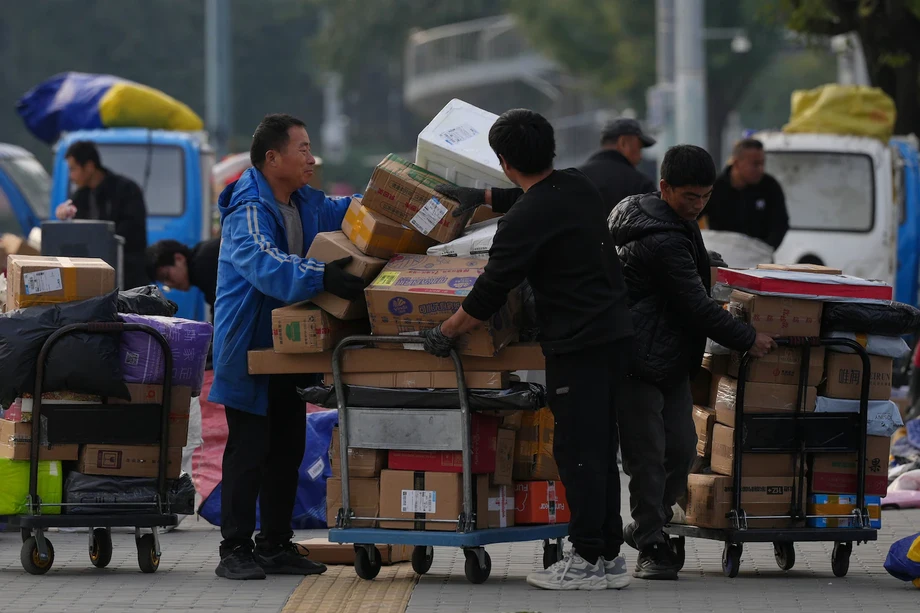
China's Singles' Day shopping campaign generated just over 1 trillion yuan in sales through October 31, 2026, according to retail data platform Syntun, broadly matching the same period last year. For retailers trying to persuade anxious households to spend more, the early result points to a difficult season despite weeks of promotions.
Contents
- A trillion yuan in sales, but little early growth
- How one shopping day became a month of promotions
- Why familiar bargains are losing their pull
- Falling home values weigh on household decisions
- Exports race ahead of spending at home
- What official figures show about the festival's timing
- Subsidies help households replace expensive goods
- Health and lasting quality still attract buyers
- AI changes how shoppers find products
- Key Points
The festival centres on November 11, but competing platforms now start their campaigns in October. Last year's event produced a record 1.695 trillion yuan across platforms between October 7 and November 11, up 14.2%. That growth was already slower than the 26.6% recorded in 2024, and extending the selling period helped lift the total.
Households face falling property values, pressure on incomes and less reason to wait for a special shopping day when discounts are available throughout the year. Retail sales of consumer goods rose just 1.1% in January through September, while the economy expanded 4.6% over the same period.
Yet spending is moving in several directions. Imported health supplements are attracting buyers, some expensive clothing is selling strongly, and platforms are using artificial intelligence to help customers choose products. The emerging picture is of shoppers becoming more selective about both price and purpose.
Max Zenglein, Asia Pacific senior economist at The Conference Board, described the fragile confidence behind those decisions.
Optimism over a recovery in domestic demand has faded.
The final sales total for this year's campaign is not yet known. November 11 remains the central date, although the longer promotional calendar spreads purchases across several weeks and makes the daily sales rush less central to the event.
How one shopping day became a month of promotions
Alibaba launched Singles' Day in 2009. Its November 11 date, written as 11/11, uses four ones to symbolise singlehood. The event grew into the world's largest online shopping festival, with retailers once competing to register huge sales immediately after midnight.
Platforms have gradually replaced that frantic start with earlier evening openings, simpler prices and longer campaigns. The changes also mean a larger festival total can reflect more selling days, alongside changes in what customers buy.
- 2021: Alibaba moved the start of presales to 8 p.m.
- 2022: Alibaba's main sales windows also began opening at 8 p.m.
- 2023: JD.com ended its presale model, replacing deposits and later balance payments with direct purchases of goods in stock.
- 2025: Syntun recorded 1.695 trillion yuan in sales during October 7 to November 11.
- 2026: Kuaishou began its campaign on October 7, Xiaohongshu on October 10, JD.com on October 12, and Alibaba and Douyin on October 15.
Alibaba has also replaced complicated coupons covering purchases from several shops with straightforward discounts of 15%. Jason Yu, managing director at CTR Market Research, said platforms were responding to complaints about pressure and confusing promotional rules.
For sellers, a flatter sales curve can still bring savings. Shanghai livestreamer Fang Jun said her company might normally spend 1 million yuan on advertising to generate 2 million yuan in sales. During major promotions, traffic supplied by platforms can reduce that advertising bill to about 300,000 yuan, a saving of roughly 70%.
Why familiar bargains are losing their pull
Zhang Ya, a 29-year-old pottery teacher in Shanghai, has lost interest in collecting coupons and buying large quantities during the festival. She said complicated deals can leave customers with products that take a long time to use.
Yaling Jiang, founder of market research company ApertureChina, described shoppers as experiencing discount fatigue. Promotions run throughout the year, weakening the attraction of waiting for November. Shaun Rein, managing director of China Market Research Group in Shanghai, also said many festival discounts are less attractive than before.
Faster delivery is changing the calculation too. Yu said services that deliver within an hour make it easier to buy small quantities when needed, rather than stockpile during a major sale.
Fang has seen that preference in the products her customers choose. Gift sets costing 300 yuan once sold briskly, but struggled during this year's June shopping festival, known as 618. Products priced below 100 yuan, including items costing 40 or 50 yuan, sold much better.
Some shoppers still see a reason to participate. Cao, a 22-year-old intern looking for a discounted computer, considered the deals worthwhile. The festival retains appeal when a planned purchase meets a useful price, even as spontaneous buying becomes harder to encourage.
Falling home values weigh on household decisions
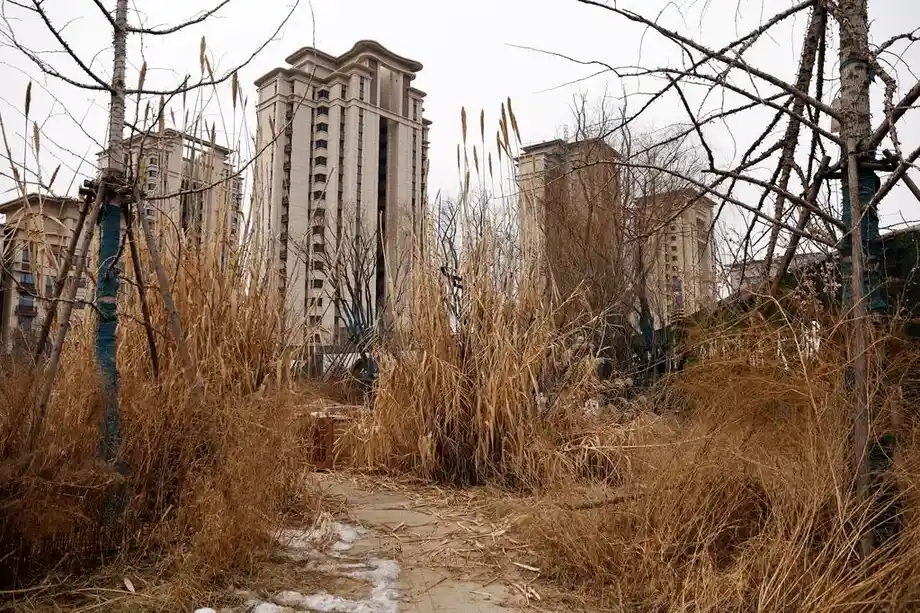
China's prolonged property downturn sits behind much of the caution. Home prices are roughly 20% or more below their 2021 peak, with smaller cities and the market for existing homes suffering larger declines.
A family whose home has lost value may feel less financially secure even if its monthly earnings have not changed. That helps explain why cheaper goods alone may fail to persuade homeowners to loosen their budgets.
Andy Rothman, founder of advisory firm Sinology, said housing prices appear to be stabilising in larger cities, but many owners remain worried about further falls. Youth unemployment of about 18% and sluggish income growth add to the pressure on spending.
Gabby Liang, 24, works in furniture sales in Foshan, a manufacturing centre in southern China. She plans to buy fewer skincare products than last year and has removed cameras and game consoles from her shopping list.
Liang described the limits of her household budget.
It's still enough to make a living, but there's just not much extra to splurge.
Her experience connects the consumer slowdown with local business conditions. Liang said furniture business has stalled as Chinese customers cut spending, even while exports to markets such as the Middle East and Africa have increased.
Exports race ahead of spending at home
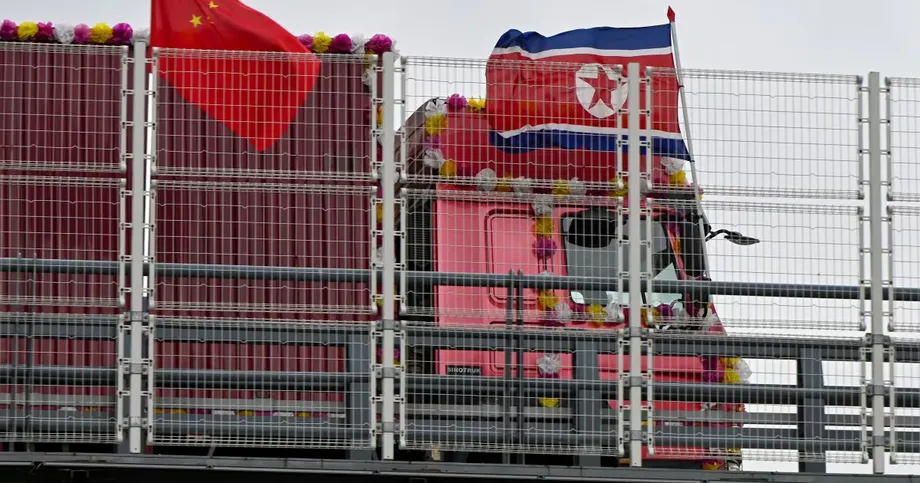
China's economic growth increasingly reflects a sharp contrast between foreign and domestic customers. Exports rose 35% in October from a year earlier, supported by products including semiconductors and electric vehicles. The country is on course to exceed last year's record trade surplus of $1.2 trillion, the gap between the value of exports and imports.
Passenger cars show the split particularly clearly. Industry data indicate that sales inside China fell almost 25% in January through September, while passenger car exports rose 71%. Reduced government subsidies contributed to the domestic decline.
Manufacturers of cars, televisions, shoes and electronics face intense competition as production outstrips what domestic customers want to buy. Selling abroad provides another outlet, helping factories even while spending at home remains subdued.
Luxury companies are feeling the domestic pressure too. LVMH, whose brands include Louis Vuitton, Dior and Fendi, and Kering, which owns Gucci, Balenciaga and Saint Laurent, have both reported weaker customer demand in China in recent months.
Zenglein said success in industrial and technological development gives policymakers less incentive to shift the economy towards household demand. His assessment points to a tension: strong exports can sustain growth while families continue to spend cautiously.
What official figures show about the festival's timing
China's National Bureau of Statistics documented the effect of earlier promotions in its November consumption assessment, published on December 15, 2025. Yuan Yan, chief statistician in the bureau's trade and external economic relations department, wrote that November retail sales rose 1.3% from a year earlier, slowing by 1.6 percentage points from October, mainly because of factors including Singles' Day promotions starting earlier.
Those figures describe 2025 and provide a historical comparison for the current campaign. They show how moving purchases into October can leave November looking weaker, even when customers still buy during the extended festival.
For January through November 2025, the bureau recorded retail sales growth of 4.0%. Online retail sales increased 9.1%, while online sales of physical goods rose 5.7% and accounted for 25.9% of total consumer goods retail sales.
Services were another area of growth. Service retail sales increased 5.4% during those 11 months. Cinema ticket revenue rose 19.5% and admissions increased 20.3%, according to film authority figures cited by the bureau. Those results provide a concrete example of spending expanding beyond goods sold during shopping festivals.
Subsidies help households replace expensive goods
Government support remains part of the shopping calendar. China's 2026 consumer trade-in subsidy programme totals 250 billion yuan and covers products including home appliances and computers. The National Development and Reform Commission said in late September that it had released the fourth and final allocation of 62.5 billion yuan.
The programme helps customers replace eligible products by reducing the amount they pay. Its final allocation represents one quarter of the annual funding, arriving before the October campaign openings.
Home appliances were the largest product category during last year's Singles' Day campaign, generating 266.8 billion yuan in sales, according to Syntun. Against total festival sales of 1.695 trillion yuan, that was about 15.7%, or nearly one yuan in every six.
Yu said subsidies have become part of the festival's shopping landscape. For a household already considering a new appliance or computer, combining public support with a promotion can make a planned replacement more affordable.
Health and lasting quality still attract buyers
WPIC Marketing + Technologies recorded nearly 43% growth in online sales of imported fish oil during the 12 months ending in September. Supplements aimed at sleep, joint health and bone strength grew between 28% and 37%.
Jacob Cooke, chief executive of the Beijing consultancy, said products related to health are performing relatively well and expected some growth in this year's Singles' Day sales. Yu also identified spending shifts towards travel, concerts, football and outdoor activities.
Premium clothing offers another example of selective demand. Fashion brand CHICJOC generated more than 61 million yuan in store sales during an event lasting two days in late October. A single alpaca coat attracted more than 10 million yuan in orders.
Co-founder Wei Yujing said customers were willing to pay more for clothing they believed would last. The brand does not offer discounts, illustrating a different way to compete from sellers focused mainly on low prices.
Other shoppers are seeking cheaper alternatives to branded goods. Taobao is connecting them with factories selling directly and merchants based in manufacturing clusters. Value can mean paying less immediately or paying more for something expected to remain useful longer.
AI changes how shoppers find products
Alibaba integrated Taobao and Tmall with its Qwen artificial intelligence system before this year's campaign, using it to assist with orders and product recommendations. WPIC's October data indicate that links from chatbots drove roughly 5% of purchases.
AI usage plans have also become festival products. A livestream by prominent seller Li Jiaqi reportedly sold plans equivalent to roughly 2 trillion tokens within half an hour. Tokens are small units of text that AI systems process; a token allowance gives customers a quantity of usage.
Retailers are changing their presentation as well as their technology. CHICJOC's livestream used models wearing coats and responded to questions about colours and combinations. Liu Manting, a brand marketing manager at Taobao Fashion, said consumers were tired of aggressive sales pitches built around countdowns and claims that stock was about to disappear.
Cooke considers Singles' Day a useful measure of consumer confidence. Olivia Plotnick, founder of Wai Social, disputes that view because promotions now stretch across such a long period. Their disagreement captures the challenge of interpreting the event: its results reflect household budgets, changing tastes, subsidies and a shifting sales calendar.
Syntun's broadly flat sales through October 31 offer an early reading of those pressures. The final total will show how much customers spent during the campaign, while the products they choose will help explain where China's cautious households still see value.
Key Points
- Singles' Day sales exceeded 1 trillion yuan through October 31, broadly matching the same period last year, according to Syntun.
- The 2025 campaign generated 1.695 trillion yuan, with growth slowing to 14.2% from 26.6% in 2024.
- Falling home values, income pressure and frequent discounts are encouraging more selective purchases.
- China's 2026 consumer trade-in subsidy programme totals 250 billion yuan.
- Health supplements and some premium clothing remain areas of stronger demand.
- Longer promotions and AI shopping tools are changing how the festival operates and how its sales should be measured.