Hundreds of Villas Proposed for Protected Padar Island
Plans for 619 buildings, including 448 luxury villas, on Padar Island have put Indonesia's Komodo National Park at the center of a dispute over tourism, conservation and indigenous rights. The proposed development would cover more than 274 hectares, about 20% of the island, within a UNESCO World Heritage Site established to protect one of the world's rarest reptiles and its habitat.
Contents
- Hundreds of Villas Proposed for Protected Padar Island
- What Would Change on Padar?
- Why the Concern Extends Beyond Komodo Dragons
- Residents Challenge Who Gets a Say
- What UNESCO Wants Indonesia to Address
- Environmental Review Comes Before Construction
- Visitor Limits Are Also Being Tightened
- Tourism Benefits Face a Conservation Test
- How the Dispute Reached This Point
- Key Points
PT Komodo Wildlife Ecotourism (KWE), backed by government-linked interests, is leading the proposal. Its blueprint includes a hilltop chateau, swimming pools, restaurants, gyms and spa facilities. Supporters say the project would strengthen tourism and economic growth in the region, particularly in Labuan Bajo, the main gateway town for visitors to the park.
Environmentalists and local communities fear a different outcome: a protected landscape reshaped for luxury tourism, greater pressure on fragile habitats and fewer opportunities for residents to influence decisions about ancestral land. International conservation bodies have also raised concerns about the park's protection.
As of August 25, 2025, the project remains in the planning stages and no construction has begun. Indonesian authorities say environmental assessments, international review and public consultation must come before development proceeds. Opponents remain skeptical about whether those processes will protect the island and give its communities a meaningful voice.
What Would Change on Padar?
Padar is known for its dramatic views from the hills, beaches with pink sand and turquoise waters. Those features have made it a major attraction within Komodo National Park. The proposed villas and resort facilities would introduce extensive tourism infrastructure into a landscape whose natural appearance is central to its appeal.
The concession covers more than 274 hectares, but the Ministry of Forestry says only a small portion of that area can be used for construction. It also requires structures that are not permanent and are designed to limit environmental damage. The concession area and the land that buildings would physically occupy are therefore different measures of the project's size.
The number of proposed structures remains a point of public dispute. Some government officials have dismissed claims about the scale of development as exaggerated. Documents and media accounts nevertheless identify more than 600 structures in the current blueprint, including the 448 villas, making transparency about the plans central to public trust.
Supporters see the resort as a way to attract spending and support the surrounding economy. Critics argue that the scale and location could change the qualities that draw people to Padar in the first place, especially its open scenery and panoramic views.
Why the Concern Extends Beyond Komodo Dragons
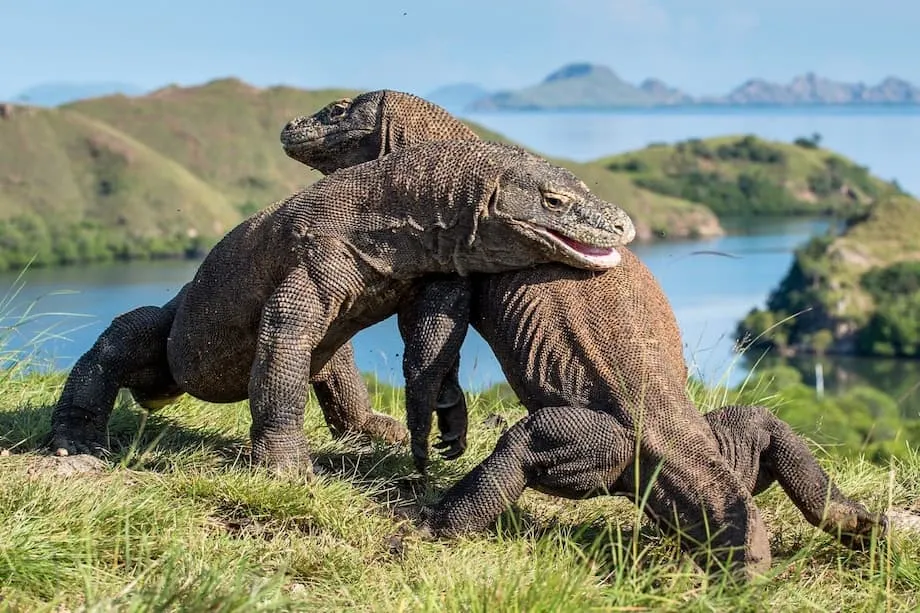
Komodo dragons do not inhabit Padar, but the island belongs to the larger national park ecosystem, which supports around 3,000 wild Komodo dragons as well as a rich variety of marine and terrestrial life. The endangered reptile depends on suitable habitat and a stable supply of prey.
Environmentalists warn that construction on an island without dragons can still affect the wider protected area. Islands, surrounding waters and wildlife form connected ecological networks. Increased tourism, pollution and disruption of habitats can place pressure on those connections.
Padar's landscape is itself a major concern. Opponents fear that building villas and other facilities could alter its appearance irreversibly. They also warn that more visitors could strain resources, disturb wildlife and damage sensitive marine habitats.
Komodo National Park was established in 1980 and received UNESCO World Heritage recognition in 1991. Its original purpose was to protect the Komodo dragon and its habitat. Over time, it also became an international symbol of biodiversity and sustainable tourism, meaning tourism managed so that visitors can enjoy a place while its natural features remain protected.
For critics, the central issue is whether a large luxury resort fits that conservation purpose. They fear that commercial development could weaken the promises associated with the park's protected status.
Residents Challenge Who Gets a Say
Local opposition includes members of the indigenous Ata Modo community, who say decisions about tourism have too often excluded the people who live with their consequences. Residents argue that corporations stand to gain more than communities that have historically had limited access to tourism profits and decision-making.
Many residents have boycotted public consultations because they regard them as formalities rather than genuine opportunities to shape the project. An online petition calling for the cancellation of all business concessions in the park has also gained traction, reflecting concerns about environmental damage and continued access to ancestral land.
The dispute draws on older grievances. When the national park was established, many indigenous families were displaced and received only a small portion of land in return. Some residents see the current development push as a continuation of that marginalization, with little meaningful consultation or benefit for local people.
An indigenous leader described the community's concern about losing influence over land it has occupied for generations:
We have lived in harmony with this land for generations. Now, decisions are being made without us, and our future is at stake.
For these residents, the argument concerns more than the appearance of a resort. It involves who can use the land, who receives the income from tourism and whether indigenous communities can help decide what happens in places tied to their history and livelihoods.
What UNESCO Wants Indonesia to Address
UNESCO and the International Union for Conservation of Nature (IUCN) have expressed serious concerns about the proposed development. During its 47th session in Paris in July 2025, the UNESCO World Heritage Committee asked Indonesia to ensure that tourism in Komodo National Park is genuinely sustainable and consistent with international conservation standards.
The committee also called for a detailed progress report and a thorough evaluation of the project's effect on the park's Outstanding Universal Value. That term describes the exceptional natural or cultural importance for which a place receives World Heritage recognition. For Komodo National Park, the review concerns whether development would damage the qualities that its international status is intended to protect.
UNESCO has intervened over development in the park before. In previous years, it raised alarms about similar projects on Rinca Island and urged a halt to development because of risks to Komodo dragon habitat.
The Padar proposal has renewed debate about UNESCO's ability to protect the park and hold member states accountable for their conservation commitments. The current dispute brings the island's scenery, its place in the wider ecosystem and the government's tourism plans into the same international review process.
Environmental Review Comes Before Construction
Indonesian authorities and KWE say the project remains subject to a rigorous Environmental Impact Assessment (EIA), as well as approval from UNESCO and the IUCN. An EIA examines how a proposed development could affect the environment before work begins, allowing its likely consequences to be assessed during planning.
The environmental assessment is under review by Indonesian authorities and international bodies. Public consultations are continuing, while the government has promised to review permits and ensure that development neither damages the park's ecology nor disrupts Komodo dragon habitat.
Forestry Minister Raja Juli Antoni has said tourism activities must not harm the environment or disturb the dragons' habitat. He has also stated that construction will not proceed without UNESCO review and public consultation.
The government has pledged to reassess construction permits and work with provincial and local authorities, alongside the Ministries of Environment and Tourism. Its stated goal is a solution that balances development with environmental protection and community interests.
The project's future remains undecided. No construction has begun, and the assessment and consultation processes are still underway. Many local residents remain unconvinced that their views will influence the outcome.
Visitor Limits Are Also Being Tightened
The Ministry of Forestry has announced plans to tighten the quota system for tourists visiting Padar Island. The aim is to reduce overcrowding and limit environmental strain at one of the park's most popular destinations.
Visitors will be required to queue, while fences and signboards are being introduced to protect sensitive areas and popular places for photographs. These measures address the pressure created by tourism already taking place on the island.
Padar therefore faces two related management challenges: controlling current visitor numbers and deciding whether to permit a substantial new resort. Both affect how many people use the island, where they go and how the landscape is protected.
The government's visitor measures sit alongside its promises of environmental review and permit reassessment. Critics continue to seek clearer information about the development itself, particularly the number of buildings, the extent of construction and the protections that would apply.
Tourism Benefits Face a Conservation Test
Tourism operators and experts in the region have called for alternatives centered on ecotourism, conservation and community participation. Their concern is that damaging the park's natural beauty or displacing local people could reduce its appeal to responsible travelers and harm Indonesia's reputation as a guardian of world heritage.
Supporters of the proposed resort point to economic growth around Labuan Bajo. Opponents argue that tourism income must be weighed against lasting changes to protected landscapes and the position of communities that have already experienced displacement.
Rahayu Saraswati, deputy chairperson of the House of Representatives Commission VII, called for tourism development to respect both environmental protection and local rights:
Tourism development is important, but it should not compromise environmental sustainability or the rights of local communities.
A conservationist with the Indonesian Forum for the Environment (WALHI) urged the government to protect Padar's landscape and involve communities in decisions:
Padar Island's unique landscape and biodiversity are irreplaceable. Once lost, they cannot be restored. We urge the government to prioritize sustainable tourism and genuine community participation.
The competing positions reflect a wider challenge for protected areas facing economic pressure and growing tourism. In Komodo National Park, the immediate choice concerns a specific concession, hundreds of proposed buildings and the people and habitats affected by them.
How the Dispute Reached This Point
The park's conservation history helps explain why the Padar proposal has drawn such strong reactions. Protection of the Komodo dragon came first, international recognition followed, and tourism development has since brought repeated scrutiny.
- 1980: Komodo National Park was established to protect the Komodo dragon and its habitat. Many indigenous families were displaced when the park was created.
- 1991: UNESCO recognized the park as a World Heritage Site.
- In previous years: UNESCO raised concerns about development on Rinca Island and urged a halt because of risks to dragon habitat.
- July 2025: At its 47th session in Paris, the World Heritage Committee called for sustainable tourism, a detailed progress report and an evaluation of effects on the park's Outstanding Universal Value.
- August 25, 2025: The Padar development remains in planning, with no construction begun and environmental review and public consultation continuing.
The next decisions concern the environmental assessment, construction permits and the government's response to international and community concerns. Authorities face pressure to make those decisions transparently and to demonstrate how any approved development would meet the park's conservation commitments.
The outcome will shape tourism on Padar and the relationship between development, conservation and indigenous rights in the wider park. It will also contribute to the debate about sustainable tourism in Southeast Asia and the protection of natural heritage elsewhere.
Key Points
- KWE proposes 619 buildings, including 448 luxury villas, within a concession covering more than 274 hectares, about 20% of Padar Island.
- The plan includes a hilltop chateau, pools, restaurants, gyms and spas. Supporters expect economic benefits, particularly around Labuan Bajo.
- Environmentalists warn of damage to scenery, habitats and the wider ecosystem of a park supporting around 3,000 wild Komodo dragons.
- Ata Modo residents and other local opponents say consultation and access to tourism benefits have been inadequate.
- UNESCO has requested sustainable tourism, a progress report and an assessment of effects on the park's World Heritage value.
- The government promises permit reviews, environmental safeguards and tighter visitor quotas. As of August 25, 2025, no construction has begun.