A Sacred Mountain Welcomes a Busy Summer
Quang Ninh Province welcomed more than 9.1 million tourists in the first five months of 2025, while Yen Tu attracted more than 1.5 million visitors during major events, including the ceremonial procession of the Buddha's sacred relics. As of June 26, the mountain destination is drawing Buddhist pilgrims, families and young travelers seeking culture, time in nature and a quieter break.
Contents
- A Sacred Mountain Welcomes a Busy Summer
- The History Behind the Pilgrimage
- New Hospitality Around an Ancient Setting
- Why Families and Young Travelers Are Coming
- Dao Thanh Y Families Share Their Traditions
- Festivals Shape the Calendar
- Protecting Forests, Heritage and Local Life
- Planning the Journey and Mountain Ascent
- How Yen Tu Fits Vietnam's Tourism Growth
- Key Points
About 50 kilometers from Ha Long Bay, Yen Tu brings together ancient religious buildings, forested mountains and newer tourism facilities. Visitors can climb toward a bronze pagoda, join meditation sessions, take part in traditional crafts or spend time in villages where local families share their food and customs.
The summer activity reflects a wider recovery in Vietnamese tourism. For Yen Tu, it also brings a practical challenge: welcoming more people while protecting the religious places, forests and community traditions that draw them there.
Provincial authorities are pursuing tourism growth alongside cultural preservation, with Quang Ninh targeting 20 million visitors in 2025, including 4.5 million international arrivals. At the mountain's foothills, local cooperatives are seeking a place in that growth through herbal treatments, weaving and food.
The History Behind the Pilgrimage
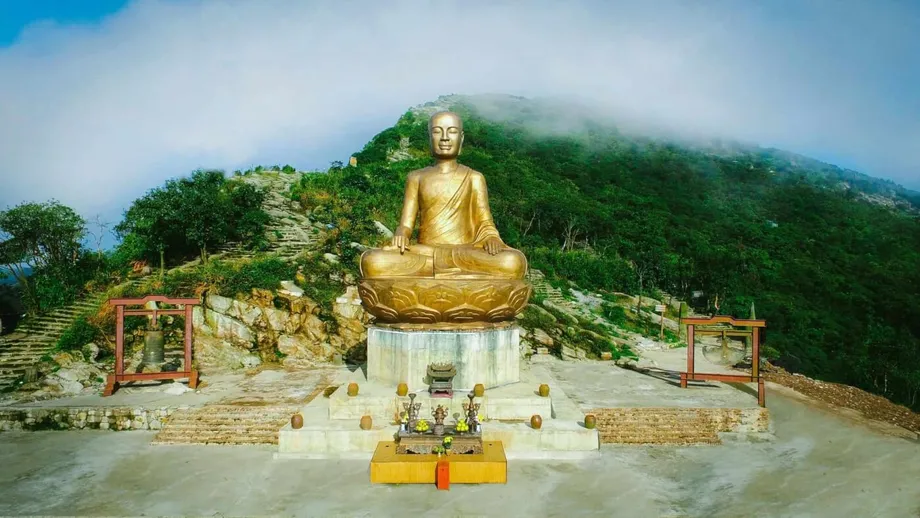
Yen Tu is revered as the birthplace of Truc Lam Zen Buddhism, a distinctly Vietnamese school founded by King Tran Nhan Tong after he gave up his throne to pursue meditation and teaching. That connection makes the mountain a place of religious devotion as well as a destination for sightseeing.
Pagodas, hermitages and towers are scattered across the landscape, with many dating to the Tran Dynasty of the 13th and 14th centuries. Together, they connect the mountain's present religious life with its royal and Buddhist history.
Dong Pagoda, cast entirely in bronze, stands on the highest peak. The Hue Quang Golden Stupa is another prominent landmark, reflecting the religious and artistic heritage that visitors encounter along the mountain routes.
Forests, misty peaks and quiet streams surround these buildings. For pilgrims, the journey offers space for prayer and reflection. Other visitors come for the scenery, cultural history or a break from their daily routines. Yen Tu's appeal rests on the combination of those experiences in one place.
New Hospitality Around an Ancient Setting
The Truc Lam Cultural Center is a major part of Yen Tu's more recent tourism development. Architect Bill Bensley, Tung Lam Development Joint Stock Company and local artisans collaborated on a setting that recreates the character of ancient Vietnamese villages.
The center combines accommodation, cultural activities and access to the mountain. Its design seeks to keep the area's historical and spiritual identity present even as visitors use modern services.
- Legacy Yen Tu – MGallery draws on the appearance of palaces from the Tran era and provides spa treatments, meditation and yoga in a quiet setting.
- Yen Tu Village is a resort modeled on traditional rural communities, with folk games, craft workshops and opportunities to explore local food.
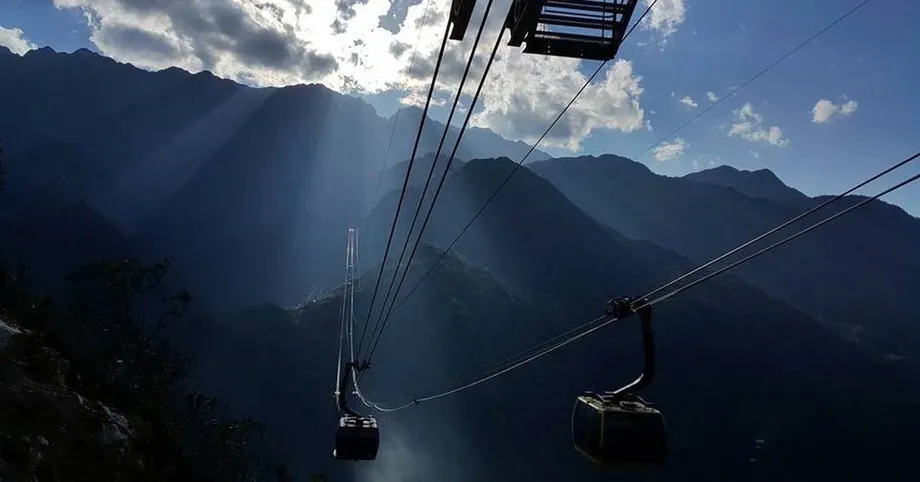
- A cable car system provides a less strenuous route up the mountain, with views over the primeval forest.
These facilities broaden the reasons to stay at Yen Tu. A visit can include a pilgrimage, a family holiday or time devoted to rest and wellness. The development is intended to support physical and mental well-being while retaining the site's cultural character.
Why Families and Young Travelers Are Coming
Summer programs are helping Yen Tu attract visitors beyond its established pilgrimage audience. Yen Tu Village has introduced camps such as "Understanding and Loving" for young people aged 11 to 15, with activities focused on emotional development and stronger family relationships.
Outdoor activities, meditation and cultural workshops form part of those programs. Their purpose is to help parents and children understand one another while spending time together away from their usual routines.
Families can also join traditional craft workshops, play folk games, explore local cooking and watch cultural performances throughout the summer. These activities give children and adults ways to participate in the destination's traditions, rather than simply visit its landmarks.
An official from the Yen Tu Management Board invited visitors to experience both the heritage and the setting:
Yen Tu warmly invites visitors to explore its rich heritage, immerse in its cultural and natural wonders, and rediscover peace of mind.
Wellness activities add another reason to come. Meditation, yoga and therapies using native herbs are offered amid forested mountains and fresh air, with the aim of helping visitors rest and regain a sense of balance.
Yen Tu's summer audience therefore includes people with different priorities: religious practice, family time, cultural learning or relaxation. The range of activities allows those interests to sit alongside the mountain's longstanding spiritual role.
Dao Thanh Y Families Share Their Traditions
Dao Thanh Y people make up about 60% of the population at Yen Tu's foothills. Their knowledge of herbal medicine, brocade weaving and cooking is central to efforts to connect tourism with local livelihoods.
In Khe Su 2 village, Truong Thi Thanh Huong's cooperative offers herbal foot baths, traditional brocade products and cultural experiences. Such businesses give visitors opportunities to encounter local customs while creating income for residents.
Food is another link between tourism and village life. Colorful sticky rice, stir-fried bamboo shoots and river fish specialties have become popular with visitors. Local apricots are made into beverages and snacks, adding another outlet for produce associated with the area.
These goods are sold at the destination and in local markets. Spending on a meal, a woven product or a herbal foot bath can therefore reach community businesses as well as the larger tourism facilities.
Many of the initiatives remain small and need more funding, training and infrastructure. Provincial authorities are working on cultural exhibition spaces, support for homestays and immersive visits, investment in traditional Dao houses, and the development of cultural villages to common standards.
The aim is to make local culture a lasting part of tourism while supporting residents who maintain those traditions. For small cooperatives, further support would help them serve visitors and build more dependable livelihoods.
Festivals Shape the Calendar
The annual Yen Tu Festival begins on the ninth day of the first lunar month and lasts for three months. Its schedule brings religious observances and public cultural activities together over an extended spring season.
Offerings and prayers for peace sit alongside dragon and lion dances, traditional music, folk games and exhibitions. The festival draws pilgrims and tourists from Vietnam and abroad, making it a major occasion for sharing the area's spiritual and artistic traditions.
In neighboring Bac Giang Province, the Tay Yen Tu, or West Yen Tu, Spring Festival adds to the region's cultural calendar. Its events include processions honoring the ancestors of the Truc Lam Zen Sect, cycling races and art performances depicting the life of King Tran Nhan Tong.
Both festivals honor historical and religious figures while providing opportunities for cultural exchange and tourism promotion. They also connect present celebrations with the people and teachings associated with Yen Tu.
Spring is often considered the best season to visit, when ancient apricot trees bloom with fragrant yellow flowers. Summer brings green landscapes and outdoor activities, while autumn and winter offer quieter scenery and opportunities for reflection. The destination's appeal extends beyond its busiest festival months.
Protecting Forests, Heritage and Local Life
Growing visitor numbers increase the need to care for Yen Tu's natural and cultural assets. The management board and local authorities have introduced measures covering waste, food and community participation in conservation.
- Visitors are encouraged to dispose of rubbish responsibly and reduce their use of disposable plastics.
- Tourism businesses are encouraged to use local and organic ingredients in their cooking.
- Communities are involved in protecting landscapes and preserving cultural traditions.
These measures connect daily tourism activity with the condition of the destination. Waste disposal affects the mountain environment, while the use of local ingredients and community participation links visitor spending with the people living nearby.
Quang Ninh's broader ambition is to become a regional and global tourism hub by 2030, with sustainable growth central to that plan. The province has introduced dozens of new tourism products, expanded travel routes and strengthened relationships with international partners to attract a wider range of visitors.
Authorities have also prepared a dossier nominating the Yen Tu – Vinh Nghiem – Con Son, Kiep Bac complex for UNESCO World Cultural Heritage status. The nomination seeks international recognition of its outstanding universal value and support for preserving it for future generations. As of June 26, 2025, the effort remained a bid for recognition; no decision date was given.
For Yen Tu, preservation and tourism development are closely connected. Its religious buildings, forests and village traditions are the reasons people visit, and protecting them is part of keeping the destination viable as visitor numbers grow.
Planning the Journey and Mountain Ascent
Yen Tu is about 130 kilometers from Hanoi and can be reached by bus or private vehicle. Many buses heading toward Ha Long Bay pass by Yen Tu, making it a possible stop on a journey through northern Vietnam.
The traditional pilgrimage involves a climb of about 6 kilometers up stone steps. Visitors who prefer a less demanding ascent can use the cable car system, which also provides views of the forest below.
Cable car prices vary by route, with discounts available for children, seniors and veterans. The choice between walking and taking the cable car lets visitors plan a journey suited to their circumstances and the experience they want.
Light, breathable clothing and comfortable shoes suitable for hiking are recommended. Modest dress respects the religious setting. Water, snacks and a small backpack are useful for the journey, and bamboo walking sticks are available at the mountain's base for extra support.
Accommodation ranges from Legacy Yen Tu – MGallery to homestays in local villages. Visitors can choose the services of a luxury resort or a stay more closely connected with community life.
Practical care remains necessary, especially during crowded festivals. Visitors are encouraged to dispose of rubbish responsibly, stay alert in busy areas and avoid buying unverified herbal products from mountain vendors. Preparation helps make room for the walking, scenery and moments of reflection that form part of the visit.
How Yen Tu Fits Vietnam's Tourism Growth
Vietnam's tourism recovery was visible during the first days of May 2025, when millions of domestic travelers visited destinations including Hanoi, Ho Chi Minh City, Da Nang and Quang Ninh. Airlines increased flight frequencies, while hotels in many regions recorded occupancy above 80%.
Quang Ninh's first five months brought more than 9.1 million tourists, against a target of 20 million for the full year. The province's separate international arrivals target is 4.5 million, equivalent to 22.5% of its planned total.
The Ha Long Bay Heritage Marathon and the Yen Tu Mountain Climb are among the events helping raise the province's profile with domestic and international participants. They form part of efforts to diversify tourism activities, improve service quality and support sustainable development.
The main milestones place the summer activity within a longer provincial plan:
- Early May 2025: Domestic travel surged across major Vietnamese destinations, with more flights and hotel occupancy exceeding 80% in many regions.
- First five months of 2025: Quang Ninh welcomed more than 9.1 million tourists, while Yen Tu attracted more than 1.5 million during major events, including the procession of the Buddha's sacred relics.
- Full year 2025: Quang Ninh aims to receive 20 million visitors, including 4.5 million international arrivals.
- By 2030: The province aims to become a regional and global tourism hub with sustainable growth.
Yen Tu contributes a combination of pilgrimage, culture, wellness and village experiences to that wider tourism economy. For visitors, the choice of activities has expanded. For local communities and managers, the task is to turn growing interest into livelihoods while caring for the places and traditions at the center of the journey.
Key Points
- Yen Tu is drawing summer visitors for Buddhist heritage, mountain scenery, family activities and wellness programs.
- The mountain is the birthplace of Truc Lam Zen Buddhism, founded by King Tran Nhan Tong after he left the throne.
- Quang Ninh received more than 9.1 million tourists in the first five months of 2025 and is targeting 20 million for the year.
- Dao Thanh Y cooperatives offer herbal foot baths, brocade products, food and cultural experiences, but need further funding, training and infrastructure.
- The annual Yen Tu Festival starts on the ninth day of the first lunar month and lasts three months.
- Conservation measures cover waste reduction, local ingredients, landscape protection and community involvement.
- A nomination dossier seeks UNESCO World Cultural Heritage status for the Yen Tu – Vinh Nghiem – Con Son, Kiep Bac complex.