A Summer Harvest Opens the Orchard Gates
Across more than 29,800 hectares of lychee orchards, Bac Giang is turning a major agricultural harvest into a reason to visit northern Vietnam. With estimated annual production exceeding 170,000 tonnes, the province is drawing thousands of visitors who want to pick the fruit, meet its growers and explore the countryside where it is produced.
Contents
- A Summer Harvest Opens the Orchard Gates
- Visitors Follow the Fruit From Branch to Box
- Lakes and Local Culture Extend the Visit
- Tourism Builds on a Large Export Business
- Quality Standards Connect Farming and Visitor Growth
- Festivals Put Growers and Their Skills in Focus
- Digital Tools Support a Target of Three Million Visitors
- Infrastructure and a Tourism Strategy Through 2030
- A Wider Destination Beyond the Lychee Season
- Key Points
Luc Ngan, Tan Yen and Chu township are central to this effort. Each summer, orchards become places where tourists can follow the journey of a lychee from its branch to a package prepared for sale abroad. The experience connects a fruit known in international markets with the farming skills, food and hospitality of the communities that grow it.
Bac Giang, Vietnam's leading lychee province, is using this combination of agriculture and tourism to create more ways for rural residents to earn money. Farmers can sell their harvest while also welcoming visitors for meals, activities and guided experiences. The approach is positioning the province as a model for sustainable rural development.
The financial results already extend beyond fruit sales. Over the past two years, Tan Yen district welcomed nearly 10,000 tourists during the lychee season and generated around 3 billion VND, nearly $115,000, in tourism revenue. Across the province, the 2023 lychee crop and related services brought in a record 6.87 trillion VND, about $286 million.
Those figures describe different parts of the economy: Tan Yen's visitor spending and the much larger provincial business built around the crop. Together, they show why local authorities are developing tourism alongside farming, with plans that reach from orchard improvements to digital promotion and a broader tourism strategy for 2030.
Visitors Follow the Fruit From Branch to Box
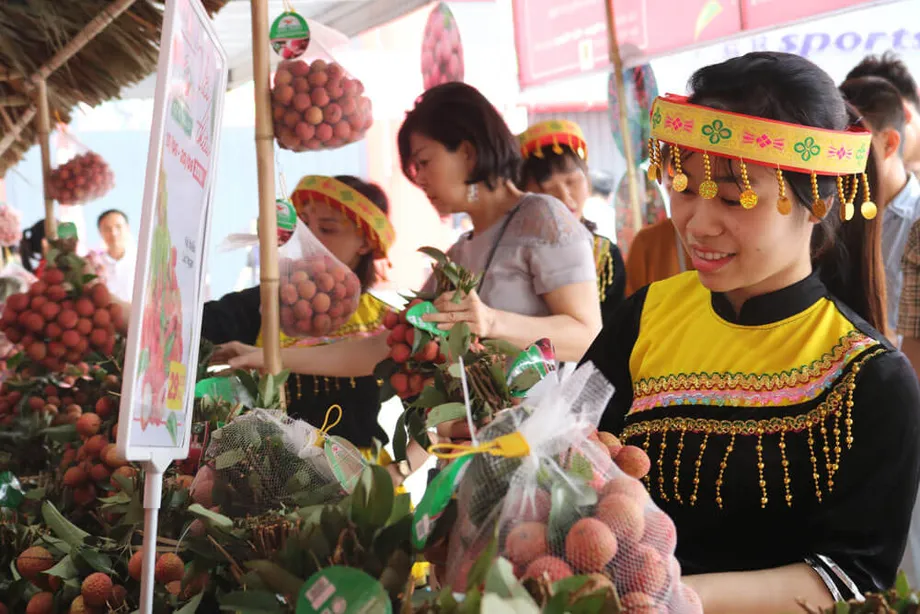
Lychee tours in Bac Giang go beyond picking fruit and taking it home. Visitors can join several stages of the harvest, including gathering and bundling lychees, chilling them in ice water and packaging them for export. These activities offer a close look at the work behind fruit that reaches distant markets.
Luc Ngan's program, Luc Ngan Lychee: The Essence of Vietnamese Fruits, brings those tasks together with demonstrations of grafting and breeding techniques. Visitors can also see displays of traditional farming tools, connecting current production with the agricultural practices that shaped the area.
The food is another part of the attraction. Lychee and bitter melon soup, lychee smoothies and lychee wine show how the fruit can appear in meals and drinks as well as being eaten fresh. Tasting these dishes gives visitors another reason to spend time in the growing areas.
Tour packages commonly cost between 150,000 and 350,000 VND per person. They include orchard visits, fruit tastings, local food and opportunities to learn about agricultural practices. Luc Ngan, which has the province's largest lychee growing area, has become a focal point for visitors from Vietnam and abroad.
The Garden Viet Cooperative in Thanh Hai ward is one example of how a full day can be built around the harvest. It has welcomed numerous tour groups for activities that combine lychee picking with kayaking and regional dishes such as ant egg cake and roast pork. The orchard becomes the starting point for a wider rural visit.
Lakes and Local Culture Extend the Visit
Cam Son Lake adds an outdoor dimension to the lychee season. Often described as a miniature Ha Long Bay, it is among the scenic settings associated with trips that can include camping, fishing, cycling and kayaking.
Traditional music and cultural performances also form part of the experience. Then singing by the Tay ethnic group gives visitors a connection to local heritage alongside the harvest. These activities broaden the appeal of a trip beyond the fruit itself and introduce the communities who live around the orchards.
Local authorities are prioritizing Thanh Hai, Giap Son, Ho Dap, Tan Moc and Tan Son for community tourism development. Their aim is to spread the benefits of visitor spending across more communities, while building experiences around local food, farming and cultural life.
Hospitality training for farmers, improvements to orchard facilities and the development of new experiential tours are part of that work. As growers take on the additional role of welcoming visitors, these investments support the services that turn an orchard stop into a more complete trip.
Tourism Builds on a Large Export Business
Bac Giang's tourism push rests on an agricultural economy with substantial international reach. More than half of the province's lychee output was exported in 2023, the year when the crop and related services generated the record 6.87 trillion VND.
The fruit reaches more than 30 countries and territories and is praised for its taste and safety standards. Bac Giang has more than 300 growing area codes eligible for export. These codes identify production areas approved to supply export markets, connecting the fruit sold abroad with the orchards where it was grown.
Bac Giang lychees also have trademark and geographical indication protection in eight countries: China, the United States, Japan, Australia, South Korea, Singapore, Laos and Cambodia. A geographical indication connects a product's identity with the place it comes from, making the growing region part of what buyers recognize.
That connection matters to tourism. Visitors are coming to the landscape behind a product already sold internationally. Harvest activities, farming demonstrations and local meals give the name on the fruit a visible setting, while farmers gain another way to earn income from the reputation of their crop.
Weather and pests can still cause yields to fluctuate. In 2024, farm prices ranged from 55,000 to 90,000 VND per kilogram, three times higher than the previous year. Strong demand at home and abroad supported those prices despite the production challenges, reinforcing the fruit's premium position.
Quality Standards Connect Farming and Visitor Growth
Thousands of hectares in Bac Giang follow VietGAP, Vietnamese Good Agricultural Practices, and GlobalGAP, international standards for safe and sustainable agriculture. These standards guide production practices intended to protect food safety and support environmental sustainability.
For growers, meeting those requirements helps open access to valuable international markets. For tourists taking part in harvesting and packaging, the standards provide context for the careful work involved in producing fruit for sale beyond Vietnam.
Integrated pest management and sustainable farming practices are also part of the province's response to environmental pressures. Alongside VietGAP and GlobalGAP, they support efforts to manage the effects of increasing visitor numbers on the local ecosystem.
Bac Giang faces the practical task of expanding tourism while protecting the farms and rural settings that attract visitors. Agricultural quality and the condition of the surrounding environment are both part of the experience the province is developing.
Festivals Put Growers and Their Skills in Focus
The annual Luc Ngan Lychee Festival draws thousands of visitors with activities built around the harvest. Lychee harvesting competitions, culinary demonstrations and exhibitions of traditional farming tools make the event a showcase for both the fruit and the people producing it.
Recognition for outstanding lychee farmers is a festival highlight. A costume contest celebrating the fruit's cultural significance adds another way for residents to take part. Together, the events honor agricultural heritage and strengthen community pride while attracting tourists.
Local authorities work with cooperatives, businesses and digital platforms to promote the festivals. Social media and livestreaming extend their reach beyond those who can attend in person, bringing orchard activity to wider audiences.
The festivals also bring several parts of the tourism strategy together in one setting. Farming skills, local dishes, cultural activities and direct contact with growers all become part of the same visit, giving the harvest a public celebration as well as a commercial role.
Digital Tools Support a Target of Three Million Visitors
Bac Giang aims to welcome up to three million tourists in 2025. To support that ambition, the province is investing heavily in a smart tourism ecosystem using artificial intelligence, virtual reality and digital marketing.
Planned and developing initiatives include the digitization of cultural heritage sites, VR360 tours and QR codes at tourist locations. The virtual tours present places through views covering 360 degrees, while the codes give visitors an easy way to access information at a destination.
The Bac Giang Digital Tourism Information Portal provides details about attractions, accommodation and local cuisine. Mobile applications help visitors plan itineraries and navigate the region, connecting the promotion of a destination with the practical information needed to visit it.
TikTok and Facebook are among the platforms being used to promote lychee tourism. Farm Tours and Mega Live events connect online audiences with experiences taking place in the orchards in real time, helping farmers and businesses reach potential visitors and new markets.
The three million figure is a target for tourism across Bac Giang, covering its wider range of attractions as well as the lychee season. Digital promotion links the orchards with that broader visitor economy, which also includes historical sites, lakes and cultural destinations.
Infrastructure and a Tourism Strategy Through 2030
Some areas of Bac Giang still have limited accommodation and entertainment services, and infrastructure remains underdeveloped. The province is addressing these gaps through road upgrades, expanded tourism facilities and training for local guides and service providers.
The broader strategy aims to make tourism a key economic driver by 2030. Plans include large tourism and service areas, protection of cultural and natural heritage, and the promotion of community tourism and ecotourism. These approaches place local communities and natural settings at the center of the visitor experience.
The key dates show how the tourism effort is developing alongside the lychee business:
- 2023: The lychee crop and related services generated a record 6.87 trillion VND, about $286 million, with more than half of the crop exported.
- 2024: Farm prices reached 55,000 to 90,000 VND per kilogram, three times the level of the previous year.
- 2025: Bac Giang aims to welcome up to three million tourists as it develops digital tools and visitor experiences.
- 2030: The provincial tourism strategy aims to establish the sector as a key economic driver.
For farming communities, the work involves both physical improvements and service skills. Better roads and facilities support access, while training helps growers, guides and other local providers welcome the visitors drawn by the harvest.
A Wider Destination Beyond the Lychee Season
Bac Giang has nearly 2,300 historical sites, giving the province attractions beyond its summer orchards. They include the ancient citadel of Bac Giang, the Yen The peasant uprising relic and the UNESCO recognized Vinh Nghiem Pagoda.
Suoi Mo scenic area, Khuon Than Lake and Ba Tia Waterfall add opportunities for ecotourism and adventure travel. Along with Cam Son Lake, these places give visitors reasons to explore more of the province during a trip centered on the lychee harvest.
The Tay, Nung, Hoa, San Diu and San Chi communities contribute to the region's festivals, cuisine and traditional arts. Community tourism initiatives are being developed to present those cultural assets to visitors while supporting local livelihoods.
Bac Giang is also pursuing partnerships with neighboring provinces and international organizations to raise its profile as a destination. Efforts to secure UNESCO World Heritage recognition for key sites are underway. Those ambitions sit alongside the more immediate work of preparing orchards, training hosts and improving visitor services.
The province's appeal now joins several experiences in one journey: seeing how an export crop is grown, tasting regional dishes, spending time on lakes and encountering local cultural traditions. Lychees bring visitors into the orchards, while the surrounding places and communities give them more to explore.
Key Points
- Bac Giang has more than 29,800 hectares of lychees and estimated annual production exceeding 170,000 tonnes.
- Orchard tours combine harvesting and export preparation with local food, cultural performances and outdoor activities.
- Tan Yen welcomed nearly 10,000 lychee season tourists over two years, generating around 3 billion VND in tourism revenue.
- The 2023 provincial lychee crop and related services brought in a record 6.87 trillion VND, with more than half of the crop exported.
- Lychees reach more than 30 countries and territories, supported by agricultural standards and more than 300 growing area codes eligible for export.
- Bac Giang is targeting up to three million tourists in 2025 and developing tourism as a key economic driver by 2030.
- Roads, accommodation, visitor services and environmental protection remain central to the province's tourism development work.