Regional Disparities Challenge Global Elimination Goals
The World Health Organization has issued a stark warning that the South-East Asia region, home to 23 percent of the global population, is accounting for nearly half of all measles cases worldwide in 2025. This finding comes from a comprehensive report released on 27 November 2026, which highlights that high overall vaccination coverage can create a false sense of security if small pockets of unprotected communities are missed. The region recorded an estimated 4.6 million measles cases and 16,800 deaths last year, underscoring the fragility of progress made since the turn of the century.
Contents
While global measles deaths have reached a historic low of 72,000, down 91 percent from 2000, the virus remains highly contagious and dangerous. Dr Tedros Adhanom Ghebreyesus, WHO Director-General, stated that while vaccine power has saved over 60 million lives, the disease does not forgive complacency. Countries that had eliminated measles are now losing that status because vaccination coverage remains insufficient and uneven across many nations. The report emphasizes that elimination is not a finish line but a status that must be defended with two doses of vaccine for every child, everywhere.
Dr Nilesh Buddha, Officer-in-Charge of the WHO South-East Asia Region, emphasized that high vaccination coverage at the regional level can mask underlying vulnerabilities. He noted that even small pockets of unvaccinated or under-vaccinated populations can sustain transmission and trigger outbreaks. Countries must ensure that every child receives both doses of the measles vaccine, wherever they live and whatever their circumstances. The region achieved 96 percent coverage with the first dose of the measles-containing vaccine and 93 percent with the second dose, yet approximately 1.1 million infants still missed their first dose.
The disease spreads through the air when an infected person coughs or sneezes, and it requires about 95 percent of a community to be vaccinated to prevent outbreaks. When coverage drops, the virus can move quickly through crowded homes, schools, and public spaces. Complications such as pneumonia, brain inflammation, deafness, and blindness can affect even healthy children, and the virus can weaken the immune system for months or years, a condition known as immune amnesia.
Timor-Leste vaccination stalls
Immunity Gaps and the Persistence of Childhood Vulnerability
The WHO report stresses that immunity gaps acquired during childhood can persist into adulthood, leaving older age groups susceptible to infection and contributing to continued transmission. Identifying these populations and exploring opportunities to extend vaccination to adults will become increasingly important as countries progress towards measles elimination. The organization called for sustained efforts to strengthen routine immunization and ensure the timely administration of both vaccine doses.
Targeted catch-up vaccination activities are essential to reach zero-dose and under-immunized children. The use of district-level data is critical to identify underserved communities, including older children and adolescents who may have missed vaccination opportunities due to disruptions in health services or lack of awareness about the second dose. Barriers to access, such as distance to clinics, transport costs, and time off work, remain significant challenges in many areas.
More than 29 million children were unvaccinated or under-immunized against measles in 2025, making them vulnerable to the disease. The distribution of outbreaks reveals stark inequalities, with 18 low-income countries, 34 middle-income countries, and seven high-income countries experiencing large or disruptive outbreaks. Eleven of these outbreaks occurred in countries that had previously been declared measles-free, indicating that the virus can quickly regain a foothold even in nations with strong health systems.
Global Trends Mask Regional Declines and Inequities
While global immunization coverage remained largely unchanged in 2025, with 84 percent of children receiving a first dose and 77 percent receiving a second dose, these global trends mask regional and national declines. The Region of the Americas saw immunization coverage decline from levels above 90 percent before the COVID-19 pandemic. Most concerning is the recent loss of measles elimination status in several countries within the Americas, including the United States, Mexico, and Bolivia.
The United States, Mexico, and Bolivia lost their measles elimination status after the Pan American Health Organization found the virus had been circulating continuously in each country for at least 12 months. The UK also lost its status in January 2026. These setbacks are not failures of the measles vaccine but failures to reach every child with the vaccine, according to Dr Kate O'Brien, the WHO director of immunization. Some recent graduates of health systems have never seen a case of measles, but the disease is back.
In the European Region, several countries recorded some of the lowest measles immunization coverage rates despite the overall regional coverage rate for the first dose remaining high at 92 percent. Armenia, Austria, Azerbaijan, Spain, and Uzbekistan lost their designation in early 2026 based on 2024 epidemiological data. The Americas is the only region where cases have risen since 2000, reaching about 73,000 in 2025, which is about eight times the figure at the turn of the century.
Low-income countries reported coverage of just 69 percent for the first dose and 57 percent for the second, compared with 93 percent and 91 percent, respectively, in high-income countries. Children in conflict and crisis settings remain far less likely to be vaccinated and bear a disproportionate burden of measles outbreaks. The World Health Organization warned that these immunity gaps do not disappear on their own but grow cumulatively larger every single year.
Elimination is Not a One-Time Achievement
By the end of 2025, four countries in the South-East Asia region had been verified as having eliminated measles: Bhutan, Maldives, the Democratic People's Republic of Korea, and Timor-Leste. However, the WHO cautioned that elimination was not a one-time achievement. Sustained high and equitable vaccination coverage and sensitive surveillance were necessary to prevent the re-establishment of transmission.
It can take years to regain elimination status, whereas it takes only a 12-month period to lose it, Dr O'Brien noted. These are hard-fought gains that countries have made, and protecting them now is more important than ever. The goal must be not just high coverage but no missed communities, no immunity gaps, and no preventable measles deaths.
Strong surveillance systems are critical to detect cases early, confirm infections through laboratory testing, and track transmission through genomic surveillance. Timely outbreak investigations, response immunization, effective risk communication to counter misinformation, sustained political commitment, and adequate financing are also essential to interrupt transmission and protect the progress made. The Measles and Rubella Partnership is working with governments to build community trust in measles vaccination.
Key Measures to Sustain Protection
Health officials are urging member states to strive towards consistent and high vaccination coverage for every birth cohort. Investments to increase access to immunization in low-income countries remain essential, and they must continue. In higher-income countries, small drops in coverage caused by pockets of unvaccinated communities can create risks that spread well beyond those areas.
The most cost-effective solution is investing in routine vaccination. Achieving a measles-free world is only possible if every child, everywhere, has access to and is fully protected with the benefit of immunization. Responding to a measles outbreak diverts funding and expertise that could otherwise protect or treat people elsewhere in the health system.
The COVID-19 pandemic disrupted routine vaccinations around the world, and many countries are still catching up to pre-pandemic levels. The Big Catch Up initiative, launched in April 2023 by the WHO, Unicef, and Gavi, gave more than 17 million children their first dose to help those who missed vaccinations during the pandemic. However, coverage has not fully recovered to the 95 percent threshold needed to stop the virus spreading.
The Road Ahead for Global Health
As countries navigate the post-pandemic landscape, the lessons from the current measles resurgence are clear. The virus is highly infectious and can make people very sick and dead, particularly among the unvaccinated. The world is learning just how serious measles can be, and the recent setbacks serve as an alarm bell for everyone around the globe.
Experts warn that the losses of elimination status in the Americas and Europe signal that the world is less prepared to prevent, detect, and respond to serious disease threats than previously thought. The measles situation should be considered the canary in the coal mine for what could happen in even more severe scenarios if immunization programs falter.
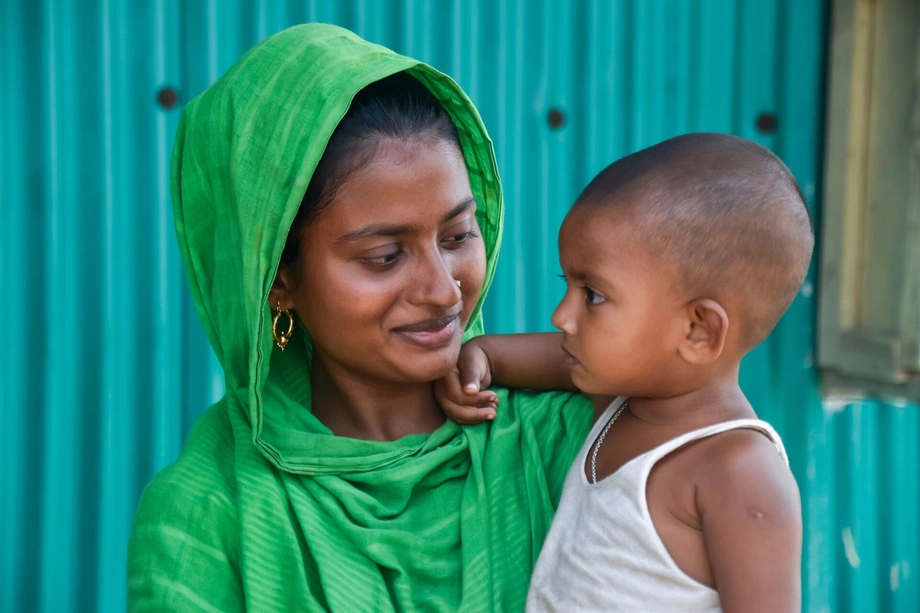
Addressing the challenges requires a multifaceted approach that includes improving access, affordability, and trust, while also exposing families to effective risk communication to counter misinformation and political polarization. Governments must find ways to reach homes, particularly in areas where women vaccinators can play a crucial role in reaching young children.
The Bottom Line
- South-East Asia accounted for 47 percent of global measles cases in 2025 despite high vaccination coverage.
- Global measles deaths hit a historic low of 72,000, but immunity gaps remain a significant threat.
- Over 29 million children were unvaccinated or under-vaccinated in 2025, leaving them vulnerable to outbreaks.
- Four South-East Asian countries verified as having eliminated measles by the end of 2025.
- Elimination status can be lost quickly, as seen in the US, Mexico, Bolivia, and several European nations.
- WHO urges sustained investment in routine immunization and strong surveillance to prevent re-establishment of transmission.
- Disparities in access to vaccines between low-income and high-income countries continue to widen, affecting global progress.