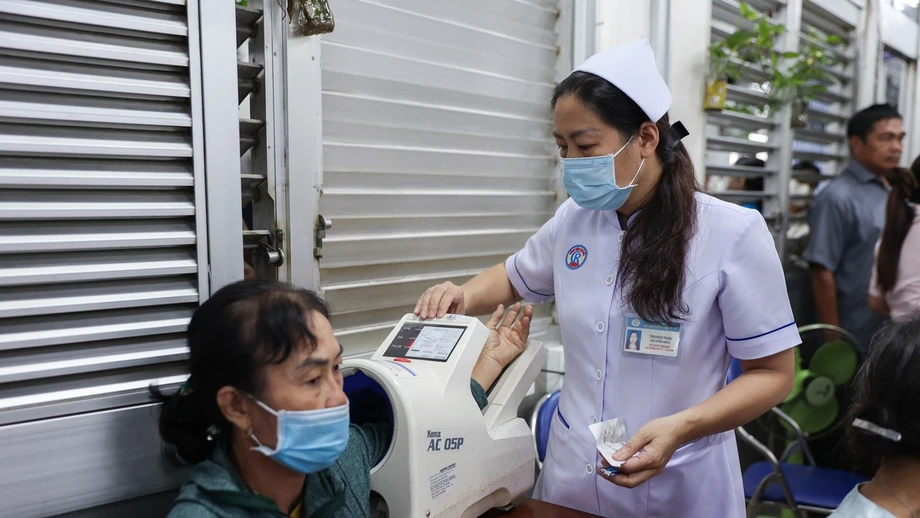
The Rising Cost of Silent Pressure
For decades, high blood pressure has been a manageable condition. Today in Vietnam, it has become a leading cause of death, with the number of stroke fatalities doubling in just four years. The National Statistics Office recorded 33,100 stroke deaths in 2025, a sharp increase from approximately 16,000 in 2021. Between 2021 and 2025, the country recorded a total of 109,400 stroke deaths, making the disease the leading cause of death among circulatory conditions.
Contents
The statistics reveal a critical gap in public health management. While nearly half of the adult population is expected to have hypertension detected by 2025, only about one in five of those patients will have their blood pressure under control. This disparity means millions of people are living with undetected risks or failing to sustain the treatment needed to prevent a catastrophic event.
The trend is not limited to the elderly. Men aged 60 to 69 account for the highest number of stroke deaths, representing a peak period for circulatory conditions. However, the risk is spreading younger. The proportion of stroke deaths among those aged 30 to 54 rose significantly, and nearly 1,800 people aged 20 to 29 died from stroke during the five-year period. This broadens the scope of the crisis beyond traditional geriatric care to working-age adults whose health may be compromised by lifestyle factors.
The Gap Between Detection and Control
A recent report from the Provincial Center for Disease Control and Prevention highlights the specific numbers behind this growing challenge. The agency expects hypertension detection to reach 49 percent in 2025, with 22.05 percent of patients both treated and reaching control targets. The gap between knowing you have high blood pressure and actually keeping it stable is where many patients fall behind.
Dr Ngo Van Hung, head of cardiology at the Central Highlands Regional General Hospital, notes that many people only check their blood pressure when they experience headaches or dizziness. This reactive approach misses the asymptomatic nature of the disease. High blood pressure often develops without obvious symptoms, allowing vessel walls to remain under constant pressure for years. Over time, this pressure causes damage that increases the risk of cardiovascular events.
Hypertension is one of the main risk factors for stroke and is associated with both ischemic and hemorrhagic strokes. The most worrying thing is that many people only check their blood pressure when they have headaches or dizziness, while the disease can be asymptomatic.
The challenge is compounded by medication habits. Some patients reduce their dosage or stop medication entirely once their readings appear normal. Others take pills only when they feel symptoms. Irregular use leads to uncontrolled hypertension, increasing the risk of complications. Stable blood pressure is often the result of treatment, not an indication that the disease is cured.
Lifestyle Factors and Dietary Traps
Prevention requires more than just monitoring numbers. It demands sustained lifestyle changes. Reducing salt intake is a primary step, starting with using less seasoning during cooking and limiting processed foods. Patients are advised to increase green vegetables and fruit while controlling portions to avoid weight gain. Regular physical activity, such as walking or cycling, helps build healthy habits for those with cardiovascular conditions.
Recent cases highlight specific dietary risks. A 42-year-old man in China, known for his healthy lifestyle, died suddenly from a cerebral infarction. Doctors identified his frequent consumption of deep-fried foods and dipping sauces high in salt and sugar as key risk factors. High-temperature frying and reused oil generate harmful substances that increase bad cholesterol and triglycerides. Excessive salt intake from sauces further raises blood pressure. This case illustrates how deep-fried foods and heavy sauces can combine to create a dangerous environment for blood vessels.
Exercise is another critical component, but it must be performed correctly. Dr Dang Lieu of Ho Chi Minh City People's 115 Hospital advises prioritizing aerobic exercises like walking, running, and cycling. He recommends maintaining at least 150 minutes of moderate activity per week. The Talk Test method helps individuals gauge intensity: if they can speak full sentences while exercising, the intensity is likely appropriate. Heavy weightlifting and high-intensity sports can cause sudden blood pressure spikes, so patients should monitor their readings before and after activity.
Global Guidance and Local Reality
International guidelines provide a framework for management. The World Health Organization recommends that individuals with pre-existing cardiovascular disease begin medication treatment when systolic blood pressure reaches 130 to 139 mmHg. The European Society of Cardiology emphasizes combining healthy lifestyle changes with medication when medically indicated. These guidelines stress individualized blood pressure targets and comprehensive monitoring.
Confusion sometimes arises from new trends in supplements. Social media posts promoting magnesium supplements as a miracle cure have led some patients to stop their prescribed medication. Dr Le Thi Huong Giang of Hospital 19-8 in Hanoi points out a meta-analysis of 38 trials involving 2,709 people. The study showed that magnesium supplements only reduce systolic blood pressure by an average of about 3 mmHg and diastolic pressure by 2 mmHg. This reduction is modest compared to the effects of standard antihypertensive drugs. The UK NICE clinical guidelines do not recommend magnesium as a way to lower blood pressure for most people. Patients are advised not to risk their cardiovascular health by experimenting with unverified advice found online.
Early detection of risk factors can predict events decades in advance. A study published in JAMA Network Open analyzed health data from over 113,000 adults in the US, Norway, and the UK. Researchers found that differences in systolic blood pressure, cholesterol, and kidney function could be detected as far as three decades before a heart attack or stroke. Changes in blood biomarkers like NT-proBNP were detectable up to 10 years before an event. This suggests that simple measures like checking blood pressure and cholesterol can help people understand their future risk and make changes earlier.
Recognizing Warning Signs and Emergency Response
Time is critical when a stroke occurs. Sudden facial drooping, weakness or numbness in one arm or leg, difficulty speaking, loss of balance, or vision changes are key warning signs. For eligible patients, doctors can administer clot-dissolving medication within 4.5 hours of symptom onset. Some patients may benefit from clot-removal treatment within 24 hours. Reaching a hospital quickly is essential, but prevention must begin much earlier through routine care.
The CII-MediBuddy report highlights a gap in preventive care, noting that 52 percent of employees who receive a health check-up do not act on the findings. Identifying a risk is only the first step. High blood pressure may coexist with rising blood sugar or abnormal cholesterol. Managed separately, these concerns may seem less significant. Together, they point to a wider cardiovascular risk. Healthcare providers need to connect the findings rather than view each reading in isolation.
Every outpatient consultation is an opportunity to prevent a future stroke. Doctors should connect blood pressure readings, blood sugar reports, and lifestyle habits. Treatment plans need to include medication reconciliation, adherence counseling, and practical advice on nutrition and sleep. This holistic approach ensures that risks are addressed before they lead to an emergency.
Key Takeaways for Patients
Managing hypertension and preventing stroke requires a long-term commitment. Patients should measure blood pressure regularly, take medication as prescribed, and maintain follow-up appointments. Lifestyle changes such as reducing salt, eating a balanced diet, and exercising regularly are essential. Recognizing warning signs and seeking immediate care can save lives. Avoiding unverified supplements and relying on proven medical advice ensures better outcomes.
- Hypertension detection is expected to reach 49 percent in 2025, with 22.05 percent of patients under control.
- Stroke deaths in Vietnam doubled between 2021 and 2025, reaching 33,100 annually.
- Men aged 60 to 69 account for the highest number of stroke deaths.
- Regular monitoring and consistent medication use are crucial, as stable blood pressure does not mean the disease is cured.
- Lifestyle changes including diet, exercise, and limiting alcohol are key to prevention.
- Sudden facial drooping, arm weakness, and speech difficulty are major stroke warning signs.