A vaccination success with an unfinished target
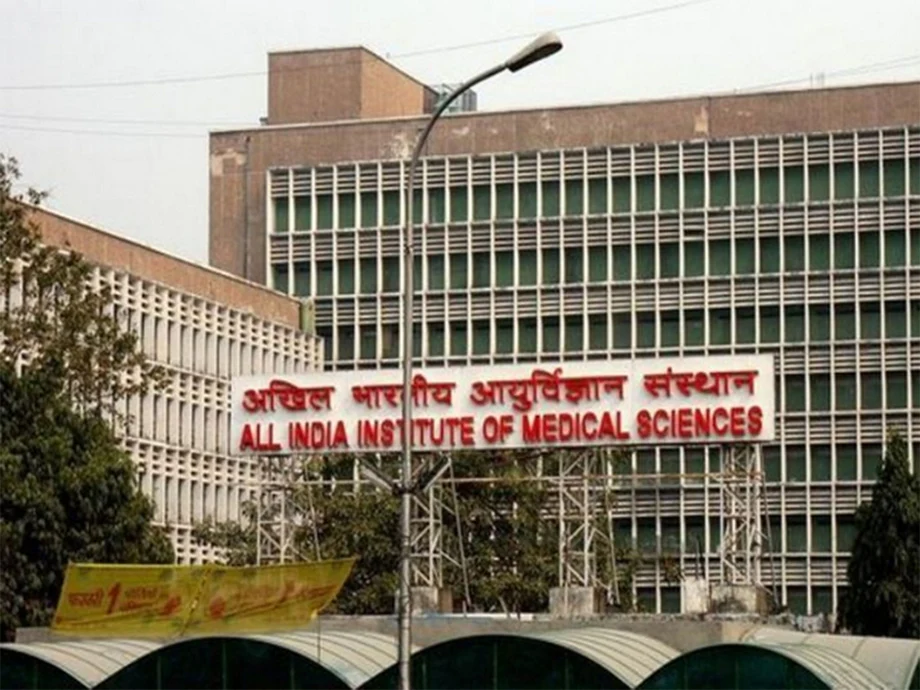
India now reaches 98% of children with a first dose of vaccine against measles and 95% with a second dose, yet World Health Organization experts say the country will miss the regional goal of eliminating measles and rubella in 2026. The contrast captures India's predicament: a vast immunisation programme is performing far above the global average, while remaining pockets of missed children allow the virus to keep spreading.
Contents
- A vaccination success with an unfinished target
- Why national averages are not enough
- Fewer deaths, but widening gaps around the world
- How elimination is won and lost
- Why measles can spread through small gaps
- Misinformation adds to an older delivery problem
- Bangladesh's outbreak brings the risk closer
- What India needs before 2029
- Key Points
Dr Santosh Gurung, Technical Officer for Measles and Rubella Control at WHO, set out a longer timetable when the agency released its latest global assessment.
The elimination target for 2026, the regional timeline for measles and rubella elimination, will not be met. But there is progress towards making an interruption by 2029 and then moving towards verification in 2032.
India reported 17,995 measles cases in 2025, down sharply from 65,150 in 2023. Provisional WHO surveillance data then counted 28,605 cases between January and September 2026, compared with 12,313 during the same nine months of 2025. WHO's South-East Asia Regional Verification Commission continues to classify India as endemic for measles transmission, meaning that the virus is still circulating within the country.
There has also been a major achievement. Despite an annual birth cohort of nearly 23 million children, India has dropped out of the ten countries with the largest numbers of unvaccinated children for the first time since the estimates began in 2001. Reaching such a large population makes the improvement especially consequential for global health.
Why national averages are not enough
The WHO and UNICEF estimates place India's coverage 14 percentage points above the global average of 84% for the first dose and 18 points above the average of 77% for the second. Dr Kate O'Brien, Director of the Department of Immunization, Vaccines and Biologicals at WHO, said those gains reflected years of sustained investment.
India is a country that has made absolutely extraordinary gains in immunisation, including against measles.
Another set of official figures gives a lower reading. India's Health Ministry put coverage for the measles and rubella vaccine at 93.7% for the first dose and 92.2% for the second in its Health Management Information System data for 2024-25. Those figures cover a different period and use a different measurement system from the WHO and UNICEF estimates for 2025. The government's elimination strategy accordingly focuses on achieving and maintaining more than 95% coverage with both doses in every district, rather than relying on a national average.
An earlier study based on National Family Health Survey data shows why that district focus matters. Among nearly 44,000 children aged 24 to 35 months, 11.5% had received no measles vaccine and another 29.8% had received only one of the two recommended doses. In 26 districts, more than 30% of children had received no measles vaccination. Rates of children receiving no dose were highest in the eight northeastern states.
The same study found that children from the poorest households had 66% higher odds of receiving no measles vaccine than children from the wealthiest households. Children whose mothers had no schooling had 54% higher odds than those whose mothers had more than 12 years of education. The survey predates the latest annual coverage estimates, but it identifies enduring obstacles involving poverty, education, geography and access to services.
O'Brien said the next task is to sustain high coverage while finding every small community still being missed.
Until the country reaches everyone, regardless of the size of community and distance from health facility, the country will continue to remain at risk of measles cases.
She warned that reduced investment would allow coverage to slip and leave children unprotected again, adding that this was not the time to take the foot off the gas pedal.
Fewer deaths, but widening gaps around the world
The WHO measles assessment, released on 27 November 2026, shows both the value of vaccination and the danger of uneven protection. An estimated 72,000 people died from measles worldwide in 2025, down 91% from approximately 770,000 deaths in 2000. WHO had estimated 95,000 deaths in 2024.
About 10 million people were estimated to have been infected in 2025, compared with roughly 38 million in 2000, a decline of 74%. Measles vaccination has saved more than 60 million lives since 2000. Two doses are about 97% effective at preventing the disease.
WHO Director-General Dr Tedros Adhanom Ghebreyesus said the historic reduction in deaths should not encourage governments to relax.
Measles deaths have never been lower, thanks to the extraordinary life-saving power of vaccines. But measles does not forgive complacency. Countries that had eliminated it are now losing that status. Elimination is not a finish line. It must be defended, with two doses of vaccine for every child, everywhere.
Global coverage for the first dose remained at 84% in 2025, unchanged from 2024 and below the 86% reached in 2019. Coverage for the second dose was 77%, matching its highest level. Beneath those averages, 20.8 million children received no measles vaccine in 2025 and another 8.3 million received only one dose, leaving more than 29 million without full protection.
Access remains unequal. Countries with low incomes reported coverage of 69% for the first dose and 57% for the second, compared with 93% and 91% in countries with high incomes. Children living through conflict and crises are also less likely to be vaccinated.
Fifty-nine countries experienced large or disruptive outbreaks in 2025: 18 countries with low incomes, 34 with middle incomes and seven with high incomes. The total included 28 countries in Africa and 13 in Europe, while 11 outbreaks occurred in places previously declared measles-free. Nearly half of all estimated cases occurred in WHO's South-East Asia Region even though its regional coverage for the first dose was 96%, demonstrating how a high average can conceal communities with little protection.
How elimination is won and lost
Measles elimination does not require a country to record no imported infection ever again. A traveller can bring the virus into a country without ending its elimination status if local transmission is stopped promptly. Verification requires evidence that indigenous transmission, meaning spread originating and continuing within the country, has been interrupted for three consecutive years.
A country loses that status when the same virus genotype and lineage circulate uninterrupted for at least 12 months, showing that endemic transmission has become established again. This explains why Gurung's timetable separates interruption of transmission by 2029 from possible verification in 2032.
The Pan American Health Organization announced on 17 November 2026 that the United States had lost its elimination status after a review found continuous transmission meeting that criterion. The country had maintained the designation since 2000. Mexico and Bolivia also lost their status in November 2026. Canada had lost its designation in November 2025, after endemic transmission was judged to have re-established in October, ending regional verification for the Americas.
The US Centers for Disease Control and Prevention recorded 6,039 confirmed cases by 24 November 2026, compared with 2,289 during all of 2025. Coverage for the measles, mumps and rubella vaccine among kindergarten children fell from 95.2% in the 2019-20 school year to 92.4% in 2025-26, leaving an estimated 280,000 children in that group at risk.
Across the Americas, cases rose eightfold since 2000 to 73,000 in 2025, while immunisation coverage declined from levels above 90% before the COVID-19 pandemic. The United Kingdom, Armenia, Austria, Azerbaijan, Spain and Uzbekistan also lost elimination status earlier in 2026. WHO verified 95 countries as having achieved or maintained elimination by the end of 2025; its latest global tally is 92.
Why measles can spread through small gaps
Measles is among the most contagious infections known. It spreads through the air when an infected person coughs, sneezes or breathes, and the virus can remain infectious in the air or on contaminated surfaces for up to two hours. Around 90% of susceptible people exposed to an infected person can develop the disease, and one infection can be transmitted to as many as 18 people who are not immune.
Symptoms usually appear 10 to 14 days after exposure. They include high fever, dry cough, runny nose, red and watery eyes, small white spots inside the mouth and a blotchy rash that generally begins on the face before spreading. An infected person can transmit the virus from four days before the rash appears until four days afterwards, allowing infections to pass unnoticed during the early stage.
Complications can include pneumonia, severe diarrhoea, ear infections, blindness and encephalitis, an inflammation of the brain that can cause permanent damage or death. Children younger than five, pregnant women, malnourished people and those with weakened immune systems face particular risks. Even apparent recovery can be followed by weakened immune defences lasting weeks, months or years, increasing vulnerability to illnesses such as pneumonia and diarrhoea.
O'Brien rejected deliberate exposure to infection, including gatherings intended to give children measles in the belief that this is a harmless route to immunity.
Exposing children to measles is a terrible idea, intentionally doing it is something that just shouldn't happen.
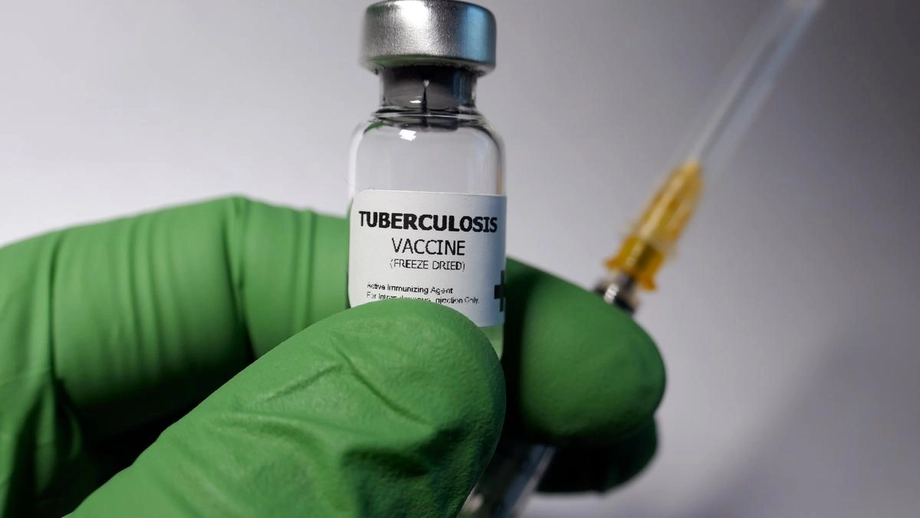
India provides the measles and rubella vaccine free through the Universal Immunisation Programme. The first routine dose is given at 9 to 12 months of age and the second at 16 to 24 months. WHO recommends at least 95% coverage with both doses to prevent outbreaks and maintain community immunity.
Misinformation adds to an older delivery problem
Diana Chang Blanc, Unit Head of the Essential Programme on Immunization at WHO, said false and misleading messages had become a newer obstacle for vaccination programmes already dealing with access and supply problems.
There has been an upscaling of social media and a bombardment of messages that are confusing to parents.
She urged leaders within families, politics and religion to communicate clearly that measles vaccines are safe and effective. O'Brien said vaccine discussions had become entangled in political and ideological polarisation in several countries. WHO also lists affordability, service quality, trust and disruption during the pandemic among the barriers that vary between communities.
Outbreaks carry costs beyond the children who become ill. Blanc said a robust response diverts money and specialist staff that could otherwise protect or treat patients elsewhere in the health system. Routine vaccination is the less costly defence, but it requires reliable supplies, accurate records and repeated contact with families rather than a single publicity campaign.
Bangladesh's outbreak brings the risk closer
Bangladesh's Directorate General of Health Services has reported 1,361 confirmed and suspected measles deaths in 2026, comprising 105 confirmed deaths and 1,256 suspected deaths. Its latest cumulative count reached 259,190 suspected cases, including 26,300 confirmed infections. Nine deaths, 1,283 suspected cases and 68 confirmed cases were added during the most recent 24-hour reporting period.
By 20 October, the October outbreak count stood at 215,768 suspected cases and 1,204 confirmed and suspected deaths since 15 March. The subsequent increase shows that the crisis continued to grow after emergency vaccination campaigns.
WHO's outbreak update on 23 April 2026 linked the spread to nationwide shortages of measles and rubella vaccines during 2024-25, gaps in routine immunisation and the absence of regular nationwide supplementary campaigns since 2020. Many patients had received no vaccine or only one dose, while some infants were infected before they were old enough for routine vaccination.
WHO classified Bangladesh's national risk and the regional risk as high, and described the risk of spread across borders as considerable. It identified Dhaka, Chattogram, Sylhet and Cox's Bazar as travel and transit hubs, and land crossings near Jashore and Chapainawabganj as points of concern along the Indian border. It also noted that India had reported rising measles cases during the preceding six months.
India's high national coverage provides substantial protection, but an imported infection can still ignite an outbreak where local children have missed doses. WHO has assessed a considerable risk of transmission across the border; it has not confirmed a direct spillover from Bangladesh into India. Surveillance at health facilities and rapid investigation of suspected cases are therefore essential alongside vaccination.
What India needs before 2029
India's elimination strategy combines more than 95% coverage with both doses in every district, stronger surveillance, quick outbreak responses and work against vaccine hesitancy. The operational challenge is to find individual children missed by routine services, including those in migrant families, remote settlements and communities with weak primary health care.
Ramanan Laxminarayan, who says he played a role in designing Mission Indradhanush, argues that India is skilled at mounting large campaigns but must apply the same commitment to repetitive public services. He calls for routine follow-up by health workers, functioning primary health centres, reliable disease surveillance, stronger cold chain logistics and greater accountability at district and block levels.
Mission Indradhanush was launched under then Union Health Minister JP Nadda to reach children and pregnant women missed by routine services. An evaluation found that full immunisation coverage rose from 50.5% to 69% following the intervention. National Family Health Survey figures subsequently recorded full immunisation rising from 62% in 2015-16 to 76.4% in 2019-21. Laxminarayan says systems built to find children missed by measles vaccination would also strengthen protection against rotavirus, pneumococcal disease and Haemophilus influenzae type b.
He also points to India's smallpox campaign as evidence that painstaking household work can succeed. India's last smallpox case was identified in Assam on 24 May 1975. Health workers subsequently searched 110 million households across more than half a million villages and 260 urban areas, and India was certified free of smallpox in April 1977.
- 2020: India's initial measles and rubella elimination deadline passed without elimination.
- 2023: A revised deadline also passed.
- 2025-26: The National Zero Measles-Rubella Elimination Campaign pursued the 2026 goal.
- January to September 2026: Provisional surveillance recorded 28,605 cases, more than twice the 12,313 reported in the same period of 2025.
- 2029 and 2032: WHO experts now describe 2029 as the aim for interrupting transmission and 2032 as the possible stage for verification.
International support continues through the Measles and Rubella Partnership, whose members include WHO, UNICEF, the US CDC, the American Red Cross, GAVI and the Gates Foundation. Its work covers routine immunisation, surveillance, outbreak response and community trust. For India, the immediate test is practical: every birth cohort must receive two doses, every missed child must become visible to local services, and every outbreak must be used to find gaps beyond its first reported cases.
Key Points
- WHO experts say India will miss the 2026 measles and rubella elimination target, with transmission interruption now aimed at 2029 and possible verification in 2032.
- WHO and UNICEF estimate Indian coverage at 98% for the first vaccine dose and 95% for the second, while Health Ministry data for 2024-25 gives 93.7% and 92.2%.
- India recorded 17,995 cases in 2025, but provisional surveillance counted 28,605 from January to September 2026.
- Global measles deaths fell to an estimated 72,000 in 2025, yet more than 29 million children lacked full protection and 59 countries had large or disruptive outbreaks.
- The United States, Mexico and Bolivia lost elimination status in November 2026, showing that gains can be reversed when coverage falls.
- Bangladesh has reported 1,361 confirmed and suspected deaths in 2026; WHO considers the risk of spread across borders considerable, but no direct spillover into India has been confirmed.
- India's next task is to exceed 95% coverage with both doses in every district, find children missed by routine services and maintain strong surveillance.