Six hours of surgery at 25 weeks of pregnancy
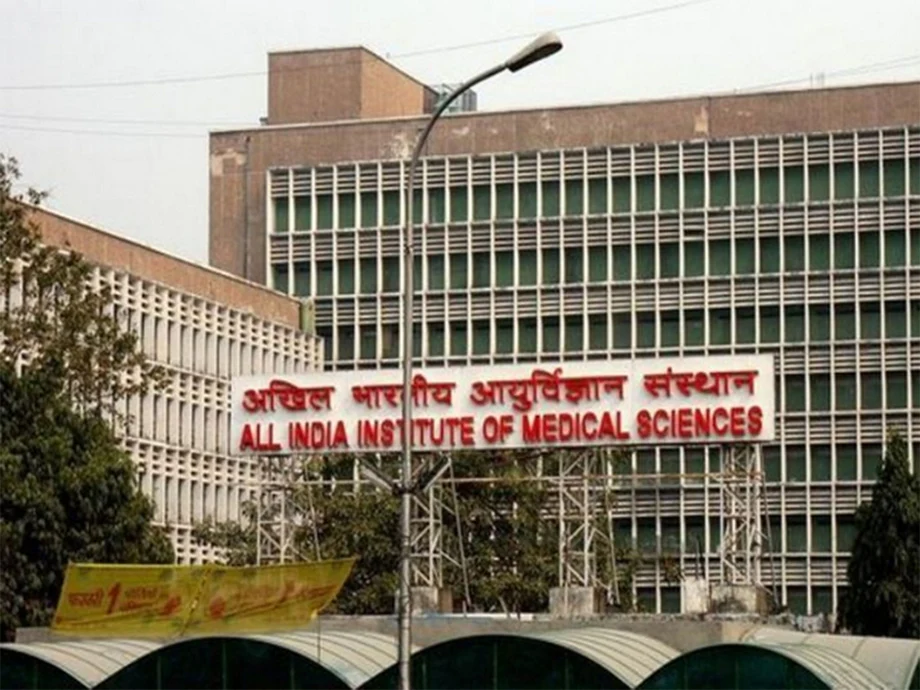
Doctors at the All India Institute of Medical Sciences (AIIMS), New Delhi, have repaired a severe spinal defect in an unborn baby at 25 weeks of pregnancy, in what the institute described as India's first open foetal surgery for the condition. The operation on November 12 lasted six hours and involved more than 30 clinicians and nurses.
Contents
- Six hours of surgery at 25 weeks of pregnancy
- Why repair the spine before birth?
- The specialists behind the operation
- From assessment to continuing care
- What the MOMS trial found
- Benefits must be weighed against risks
- Free treatment removes a major expense
- A capability developed over 14 years
- Prevention starts before pregnancy is recognised
- Key Points
The baby had a lumbosacral myelomeningocele, the most severe form of spina bifida, affecting the lower part of the spine. Spinal cord tissue and its protective coverings protruded through an opening, and cerebrospinal fluid was leaking from the defect. The team repaired it while the baby remained in the womb, aiming to protect exposed nerve tissue from further injury.
The procedure followed more than five weeks of imaging, counselling, anaesthetic preparation and surgical simulation. AIIMS provided it free to the family under the Government of India's Janani Shishu Suraksha Karyakram (JSSK).
The immediate achievement is a completed repair before birth. The mother and baby will continue to need specialist monitoring throughout pregnancy, delivery and the newborn period. Their subsequent clinical progress and the expected delivery date were not announced.
Why repair the spine before birth?
Myelomeningocele develops when the neural tube, the early structure that becomes the brain and spinal cord, does not close properly. Part of the spinal cord and its coverings can then extend through a gap in the developing spine, leaving delicate tissue exposed.
Children with this condition can develop paralysis, difficulties with movement and other lifelong neurological disabilities. Some also develop hydrocephalus, a buildup of fluid in the brain that may require surgery to drain it.
Traditionally, surgeons close the spinal defect after birth. Prenatal repair moves that intervention into pregnancy because exposed nerve tissue can suffer further damage before delivery. The aim is to limit that additional injury and improve some outcomes, rather than restore every function already affected.
Professor Deepak Gupta, who led the neurosurgical component and is president of the Indian Society for Pediatric Neurosurgery, explained the treatment's limits:
It is not a cure, and long-term multidisciplinary care remains essential.
The specialists behind the operation
Professor Neena Malhotra and Professor K Aparna Sharma led the maternal and foetal medicine and obstetric teams. Their work concerned both the pregnant patient and the unborn baby, whose safety had to be considered together at every stage.
Professors Vimi Rewari and Mihir Pandia, with Dr Rashmi Ramachandran and Dr Gyanendra Pal Singh, led the obstetric anaesthesia and neuroanaesthesia teams. These specialties manage anaesthesia for pregnancy and for procedures involving the brain, spinal cord and nervous system.
Dr Shashank Chauhan led the plastic surgery component. Dr Ramesh Agarwal and Dr Deepika Kainth formed the neonatology team, bringing expertise in the care of newborn babies. Nurses from the Neurosciences Centre and the obstetrics and gynaecology services also participated.
The operation took place at the AIIMS Neurosciences Centre, using advanced microscopy and continuous ultrasonography. Microscopy helps surgeons see small structures, while ultrasound uses sound waves to produce images that can guide care during pregnancy.
Malhotra credited the collaboration across specialties:
This accomplishment reflects the collective commitment of an exceptional multidisciplinary team.
From assessment to continuing care
Sharma initially screened and counselled the patient with Dr Anubhuti Rana, Dr Deepali Garg and Dr Saloni Kamboj. Dr Smita Manchanda, from radiodiagnosis and interventional radiology, supported the imaging and preparation before surgery.
Counselling was described as non-directive, meaning the family received information about the options, possible benefits and risks without being steered towards a particular decision. That matters when an intervention involves both a pregnant patient and a baby whose needs are closely connected.
- More than five weeks before surgery: specialists undertook detailed foetal imaging, counselling, anaesthetic preparation and operative simulation.
- November 12: the team performed the six-hour repair at 25 weeks of pregnancy.
- After surgery: AIIMS planned continued specialist monitoring through the rest of pregnancy, delivery and the newborn period.
Operative simulation allowed the teams to rehearse their roles before the procedure. The preparation brought together the specialists responsible for the spinal repair, pregnancy care, anaesthesia, imaging, tissue closure and newborn care.
What the MOMS trial found
The principal international evidence cited for prenatal repair comes from the Management of Myelomeningocele Study, commonly called the MOMS trial. It compared repair before birth with repair after birth in carefully selected pregnancies.
By 12 months of age, 40 per cent of children who underwent prenatal repair had required a cerebrospinal fluid shunt, compared with 82 per cent of those whose repair took place after birth. A shunt is a tube that drains excess fluid from the brain to another part of the body.
The difference was 42 percentage points. Put simply, among every 100 children in each trial group, about 40 in the prenatal surgery group needed a shunt, compared with about 82 in the group treated after birth. That is roughly half the rate, although a substantial number still needed the device after prenatal repair.
Prenatal surgery was also associated with better motor outcomes, meaning improvements in movement, and less Chiari II hindbrain herniation. In this condition, structures at the lower back of the brain extend down towards the spinal canal.
For families, the trial findings describe the kinds of benefits doctors hope to achieve: less need for some later procedures and better function for some children. The results come from selected pregnancies, so assessment of each mother and baby remains central to deciding whether surgery is appropriate.
Benefits must be weighed against risks
Open foetal surgery carries substantial risks, including premature birth and complications involving the scar left in the uterus. Prematurity means birth before the baby has completed the usual period of development in the womb, which can create additional medical needs after delivery.
The maternal operation is therefore a major part of the decision. Doctors must weigh the possible neurological benefit for the baby against the risks of surgery and its effects on the pregnancy.
Sharma, who helped lead the maternal and foetal medicine and obstetric teams, described the conditions needed to protect both patients:
The safety of both mother and fetus depends on detailed counselling, high-quality anaesthesia, and coordinated surveillance before and after surgery.
AIIMS said foetal repair should be offered only in carefully selected pregnancies at specialised centres. Its plan for continuing surveillance reflects the fact that care extends well beyond the operating theatre, through the remainder of pregnancy and into the baby's first weeks of life.
Free treatment removes a major expense
The family received the procedure without charge under JSSK, according to AIIMS. For a treatment requiring several specialties, extensive preparation and continuing maternal and newborn care, public funding removes a major immediate expense for the household.
Comparable combined care in the United States can exceed Rs 1 crore, depending on the institution and the clinical course. That figure includes foetal surgery, care for a pregnancy with increased medical risks, delivery and treatment of the newborn.
The US figure covers a broad package of care rather than the spinal repair alone. AIIMS did not publish a corresponding cost for its own treatment. For this family, the concrete financial outcome was that the procedure was provided free through the government programme.
A capability developed over 14 years
AIIMS said it now has the combined expertise to assess and offer foetal myelomeningocele repair to appropriately selected Indian families. The development brings together spinal surgery, maternal care, imaging, anaesthesia and newborn medicine within one institution.
Gupta described the achievement as a new capability for both foetal care and paediatric neurosurgery:
This establishes an important new capability for fetal care and paediatric neurosurgery in India.
The institute also recalled how long the work had been under discussion, and set out its next responsibility:
Fourteen years ago, we spoke of the possibility of foetal spinal surgery at AIIMS. Today, that possibility has become a reality. Our next responsibility is to make it safe and accessible to the Indian families who may benefit from it.
For families, access begins with specialist assessment rather than an automatic offer of surgery. The same coordinated team needed to perform the operation must also be able to explain the choices, select suitable pregnancies and provide continuing care.
Prevention starts before pregnancy is recognised
A 2024 systematic review combining 27 Indian studies estimated the prevalence of neural tube defects at 9.46 per 1,000 births. That is about nine to ten affected births in every 1,000, or approximately one in 106. The review also highlighted geographical variation and the need for stronger national surveillance.
Neural tube defects are a broader group than the particular spinal condition repaired at AIIMS. The estimate describes the wider burden that prevention and healthcare services must address across India.
The neural tube normally closes around 28 days after conception, often before a woman knows she is pregnant. This early timing explains why doctors stress folic acid counselling before conception, rather than waiting until pregnancy has been recognised.
Folic acid is a form of vitamin B9 that supports early development. AIIMS doctors called for counselling before pregnancy, food fortification with folates based on scientific evidence, and stronger surveillance to help reduce neural tube defects.
Fortification means adding nutrients to commonly eaten foods. Surveillance means consistently recording cases so health authorities can understand how often defects occur and where prevention and care are most needed.
The Delhi operation addresses the needs of a selected pregnancy after a serious defect has developed. Prevention has a different reach: reducing the number of babies who develop these conditions in the first place. AIIMS doctors stressed that both treatment and prevention remain necessary.
Key Points
- AIIMS Delhi said it performed India's first open foetal repair of myelomeningocele on November 12, at 25 weeks of pregnancy.
- The six-hour operation followed more than five weeks of preparation and involved more than 30 clinicians and nurses.
- The MOMS trial found shunt placement by 12 months in 40 per cent of children treated before birth, compared with 82 per cent treated after birth.
- Prenatal repair carries risks, including premature birth and complications involving the uterine scar, and requires careful selection.
- The family received the procedure free under Janani Shishu Suraksha Karyakram.
- Mother and baby require continuing specialist care, while folic acid measures and better surveillance remain central to prevention.