Delhi's pollution burden stretches across years
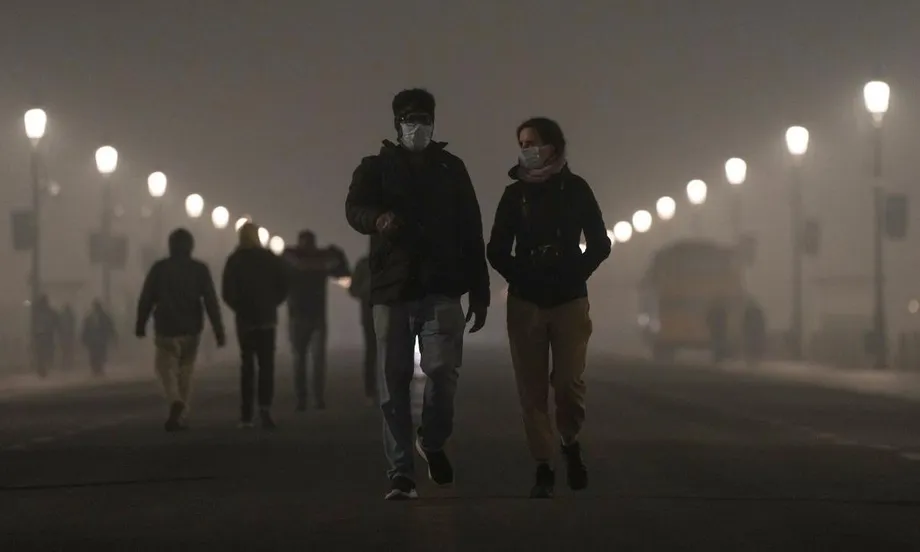
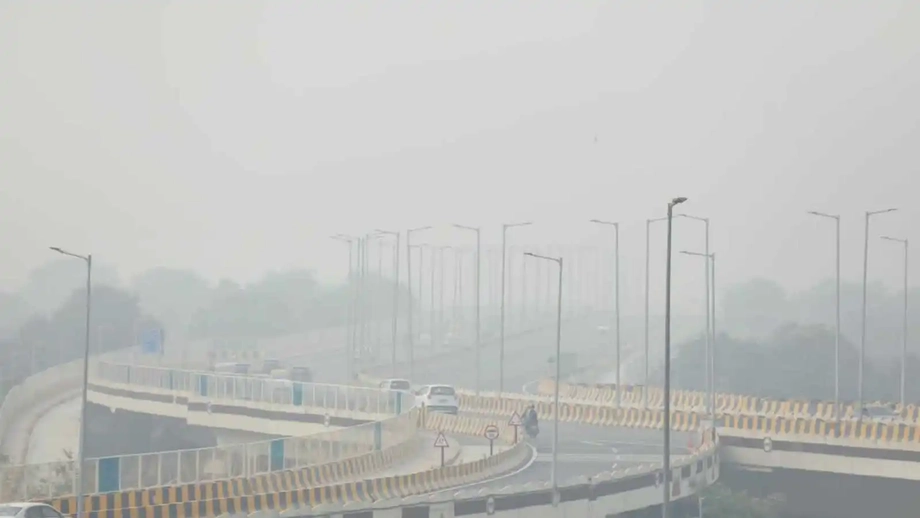
A February 2026 assessment by the Commission for Air Quality Management identified secondary particles, transport and biomass burning as the largest contributors to Delhi's winter PM2.5 pollution. Together, those three categories accounted for 70% of the burden in its analysis of studies from 2015 to 2025. For cancer prevention, the concern extends beyond the worst winter mornings to the air residents breathe over decades.
Contents
- Delhi's pollution burden stretches across years
- Why a daily AQI reading tells only part of the story
- How tiny particles can damage cells
- What the cancer findings mean for residents
- Why people who never smoked also need attention
- Where Delhi's winter particles come from
- A research timeline from classification to local studies
- Health concerns extend beyond cancer
- Prevention needs household action and cleaner emissions
- Key Points
A study in Scientific Reports examining Delhi's air between 2019 and 2023 found that daily PM2.5 measurements exceeded India's national standard on about 60% of measurement days and the World Health Organization guideline on 98.4%. Those findings describe exposure that continues well beyond a handful of severe smog episodes.
The International Agency for Research on Cancer, part of the WHO, classified outdoor air pollution and particulate matter in outdoor air as carcinogenic to humans in 2013. Its Group 1 classification means there is sufficient evidence that these exposures can cause cancer in people. The strongest established connection is with lung cancer.
A 2026 evidence review by the Union for International Cancer Control and the George Institute for Global Health, bringing together 42 systematic reviews and meta-analyses, associated prolonged PM2.5 exposure with an 11% higher risk of developing cancer. Understanding that finding requires looking at exposure duration, the chemicals in the particles and the other risks each person faces.
Why a daily AQI reading tells only part of the story
Delhi residents use the Air Quality Index, or AQI, to decide whether to exercise outdoors, send children outside or wear a mask. The index translates pollution measurements into categories that communicate the immediate condition of the air. In India's system, 301 to 400 is very poor and 401 to 500 is severe.
PM2.5 concentration measures something different: the mass of fine particles in a volume of air, usually expressed in micrograms per cubic metre. An AQI of 400 and a PM2.5 concentration of 400 are different measurements. Annual particle averages help describe sustained exposure, while daily readings help people respond to changing conditions.
Dr. Pooja Nandwani Patel, group director of radiation oncology at Sterling Hospitals, explains that someone breathing moderately polluted air for 20 years has a different exposure history from someone experiencing a few episodes of intense smog. Cancer can develop over many years, making a person's history of homes, workplaces and daily travel relevant.
A November 2, 2026 account identified PM2.5 as the main pollutant at 51 of Delhi's 58 monitoring stations, about 88%. It placed the city's annual PM2.5 average at approximately 102 micrograms per cubic metre. Against India's annual standard of 40, that is about 2.6 times as high; against the WHO annual guideline of 5, it is about 20 times as high.
How tiny particles can damage cells
PM2.5 refers to particles measuring 2.5 micrometres or less in diameter, roughly 30 times smaller than the width of a human hair. Their size allows them to travel deep into the lungs, reaching the small air sacs where oxygen passes into the blood.
These particles are a mixture rather than a single substance. Depending on their source, they can contain metals, organic compounds and other chemicals. Some very small particles and components can reach the bloodstream, extending exposure beyond the lungs.
The body's immune response to inhaled particles can produce repeated inflammation. Pollution can also trigger oxidative stress, a process in which reactive molecules overwhelm the body's protective systems and damage cells. DNA, the instruction system that controls how cells grow and repair themselves, is one possible target.
When damage accumulates and repair fails, cells can acquire changes that allow uncontrolled growth. Inflammation can also create conditions that help abnormal cells survive and multiply. The lungs receive direct, repeated exposure, which helps explain why the evidence connecting polluted air with cancer is strongest there.
Dr. Mehboob Basade, head of medical oncology and onco-surgery at Saifee Hospital in Mumbai, also identifies nitrogen dioxide and emissions from vehicles, industry, construction and fossil fuel combustion as concerns. Particle size, chemical composition and exposure duration all matter to understanding the mixture people breathe.
What the cancer findings mean for residents
The 11% increase identified in the UICC and George Institute review is a relative increase across the populations and exposure comparisons studied. To explain the arithmetic, if a comparison group had a risk of 10 in 100, an 11% relative increase would make it 11.1 in 100. Those numbers are an illustration, rather than measured cancer risks for Delhi.
A resident's actual risk depends on age, smoking, inherited susceptibility, workplace exposures and other factors. Researchers still need to determine how much a particular history of exposure in Delhi changes an individual's lifetime cancer risk. Studies of other cancer types are continuing, with evidence less established than for lung cancer.
The Rajiv Gandhi Cancer Institute and Research Centre addressed the issue in its November 14, 2024 institutional health warning. Dr. L.M. Darlong, its head of thoracic oncosurgery, highlighted severe health risks from Delhi's pollution, including respiratory illness and lung cancer, and discussed an association with EGFR gene mutations.
EGFR is a gene involved in signals that tell cells to grow. Certain changes in it can help cancer cells multiply. Examining tumour genetics alongside environmental exposure histories could help researchers understand why people with different backgrounds develop lung cancer.
Why people who never smoked also need attention
Tobacco remains a major cause of lung cancer, while polluted air creates another route of exposure to carcinogenic substances. Dr. Parveen Yadav, a consultant in thoracic and surgical oncology, describes Delhi-NCR pollution as an important lung cancer risk, including for people who have never smoked.
A review of lung cancer surgery patients cited in his account recorded a fall in the proportion who smoked, from 90% in 1988 to about 50% in 2018. Among patients younger than 50, 70% were described as nonsmokers, rising to all patients in the subgroup younger than 30.
Those figures describe patients selected for surgery, a group whose age, disease stage and access to treatment can differ from the wider population. Understanding the city's changing cancer burden requires population cancer registries that record cases across hospitals and communities, together with smoking and environmental histories.
Yadav also recommends discussing annual low dose CT scans for people over 40 who have lived in Delhi-NCR for at least 10 years. That is an individual clinician's recommendation. Screening decisions require medical assessment of expected benefits, radiation exposure, false alarms and the possibility of detecting abnormalities that would never cause illness. People concerned about their risk should discuss their own history with a clinician.
Where Delhi's winter particles come from
The CAQM assessment assigned 27% of Delhi's winter PM2.5 burden to secondary particles, 23% to transport, 20% to biomass burning, 15% to dust and 9% to industry, including thermal power plants. Its use of source studies spanning 2015 to 2025 brings together evidence across several years rather than a single pollution episode.
Secondary particles form in the atmosphere when gases react and become particles. Cutting them requires controlling the gases released by combustion and other activities, alongside reducing particles emitted directly. Biomass burning includes the burning of plant material, while transport and industrial activity contribute both particles and gases.
Delhi's winter weather compounds those emissions. Lower temperatures and weak winds can keep pollutants close to the ground, while smoke from crop residue burning adds to local sources. Vehicles, factories and construction continue contributing outside winter, extending exposure across the year.
A Scientific Reports study published in June 2026 found a 19% increase in Delhi's PM2.5 during Diwali 2024, with pollution remaining elevated in the following days. Such episodes add to an existing pollution burden. Their effect sits alongside the sustained emissions that determine what residents breathe through much of the year.
A research timeline from classification to local studies
Delhi's research needs connect two tasks: measuring what people have breathed and understanding the cancers they develop. Several milestones show how work has moved from recognising a cancer hazard to investigating local exposure and susceptibility.
- 2013: IARC classified outdoor air pollution and particulate matter in outdoor air as carcinogenic to humans.
- November 14, 2024: RGCIRC published its warning about Delhi's pollution, respiratory illness and lung cancer.
- February 2026: CAQM assessed studies from 2015 to 2025 to identify major contributors to winter PM2.5.
- March 2026: AIIMS Delhi launched AIRCARE to investigate prolonged pollution exposure and lung cancer.
- June 2026: A Scientific Reports study described the rise in PM2.5 during Diwali 2024.
- October 2026: The Integrated Atmospheric Chemistry and Aerosol Toxicity Analysis Laboratory was inaugurated in Delhi-NCR.
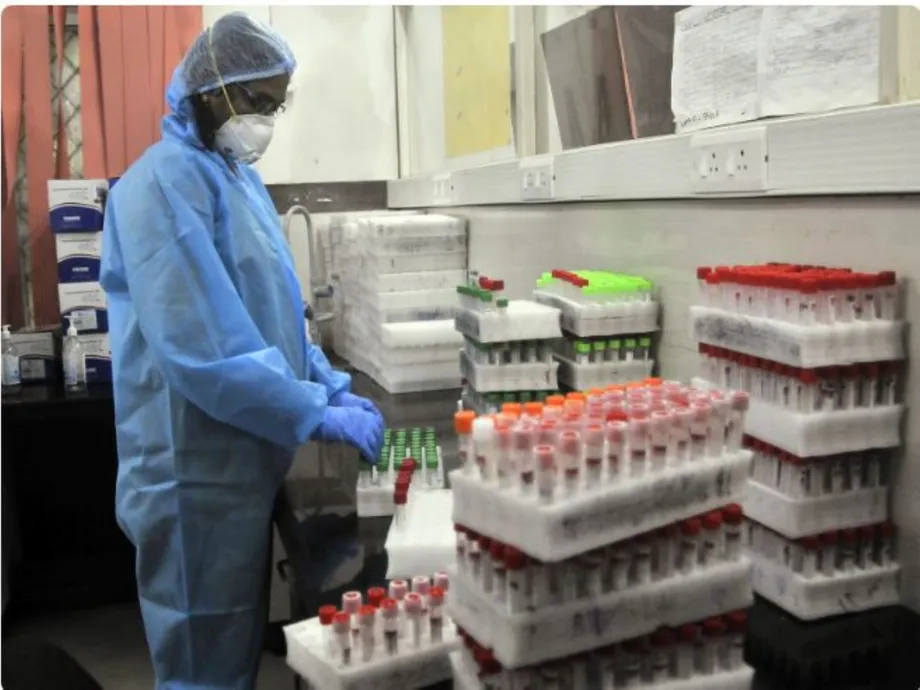
AIRCARE plans to study 1,615 people with lung cancer and an equal number of controls, making 3,230 participants in total. Comparing people with and without the disease can help researchers examine exposure patterns and possible genetic susceptibility.
The new laboratory, known as AATAL, is intended to investigate pollutant composition, sources and potential health effects. Together, detailed air chemistry and patient research could help connect the pollution measured at monitoring stations with the exposures experienced by particular communities.
Health concerns extend beyond cancer
Children, older adults and people with existing illnesses are particularly vulnerable to the broader effects of polluted air. Exposure can aggravate asthma and chronic obstructive pulmonary disease, a condition that restricts airflow and makes breathing difficult. Pollution can also affect lung development in children.
Elevated PM2.5 over periods ranging from hours to weeks has been associated with increased cardiovascular risk, including heart attacks. Research also examines links with children's cognitive development, cognitive decline in adults and depression. These concerns make cleaner air relevant to immediate health as well as diseases that take years to develop.
Environmental exposure can also occur through food and water. Research published in July 2026 reported lead above applicable food safety limits in some vegetables sampled from cultivation areas along the Yamuna floodplain. Industrial discharge, untreated wastewater, contaminated irrigation and pollutants settling from the air are possible routes for metals to enter agricultural environments.
The locations and crops sampled need targeted monitoring and food safety follow-up. For assessing health across Delhi, air measurements, water testing and agricultural sampling answer different parts of the exposure question. Each needs enough detail to identify which communities and products require action.
Prevention needs household action and cleaner emissions
Residents can reduce exposure during severe pollution by avoiding strenuous outdoor activity, using a well fitted N95 mask when necessary and improving indoor filtration where feasible. Ventilation should take account of outdoor conditions, since opening windows during a severe pollution episode can bring polluted air indoors.
Avoiding tobacco remains essential. Environmental exposure assessments can sit alongside established prevention measures such as tobacco control, vaccination and appropriate cancer screening. A person's residential and occupational history can give clinicians useful context when assessing symptoms and risk.
Public authorities and researchers need exposure maps covering many years, pollution measurements at neighbourhood level, chemical analysis and population cancer registries. Linking those records could help identify communities carrying the greatest burden and guide controls toward the sources contributing most.
The CAQM findings point to action across transport, burning, industrial emissions, dust and the gases that form secondary particles. Personal precautions offer some protection, but sustained emission reductions reach people who cannot buy filtration, change their commute or avoid working outdoors. For Delhi, cancer prevention belongs in the clean air discussion throughout the year.
Key Points
- IARC classified outdoor air pollution and particulate matter in outdoor air as carcinogenic to humans in 2013, with the strongest evidence for lung cancer.
- Delhi measurements from 2019 to 2023 exceeded the WHO daily PM2.5 guideline on 98.4% of measurement days in one study.
- A 2026 review of 42 evidence syntheses associated prolonged PM2.5 exposure with an 11% higher relative risk of developing cancer.
- Secondary particles, transport and biomass burning accounted for 70% of winter PM2.5 in CAQM's assessment.
- AIIMS Delhi's AIRCARE study plans to compare 1,615 lung cancer patients with 1,615 controls.
- Cleaner emissions, better exposure records and individual precautions all have roles in reducing harm.