A ₹11,000 injection and a ₹1.30 lakh hospital bill
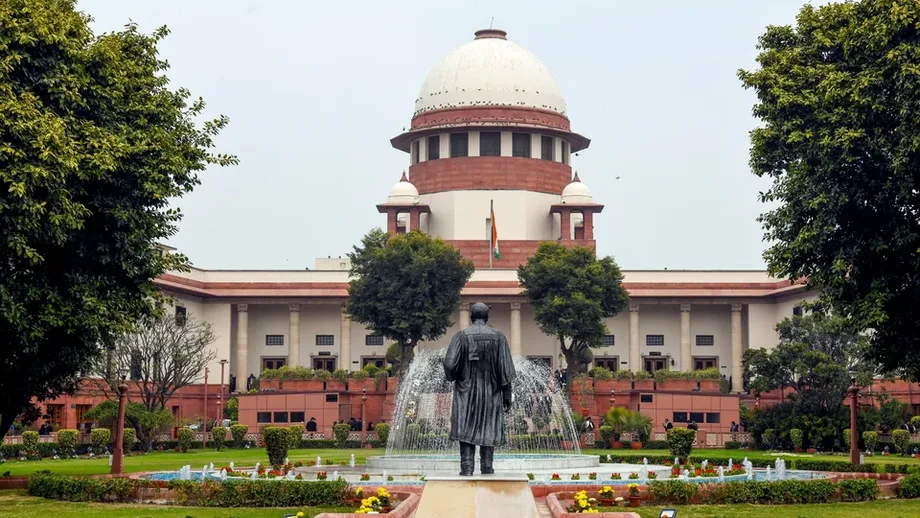
India's Supreme Court reserved its verdict on October 27, 2026, after questioning how a cancer injection available to a dealer for ₹11,000 could be charged to a patient at ₹1.30 lakh. The hearing put the government's medicine pricing rules, private hospital pharmacies and the National Pharmaceutical Pricing Authority (NPPA) under scrutiny.
Contents
- A ₹11,000 injection and a ₹1.30 lakh hospital bill
- What the price examples reveal
- Why a 30 per cent margin can mean a 42.86 per cent markup
- The rules beyond cancer medicines
- Why hospitals oppose tighter limits
- The Centre defends a broader policy balance
- Who benefits from the new cancer cap?
- Medicine savings and the full treatment bill
- How the dispute reached this point
- Key Points
A bench of Justices Vikram Nath and Sandeep Mehta was hearing two petitions concerning the gap between the maximum retail price (MRP) printed on medicines and the much lower prices paid by retailers and hospitals. The Centre defended a policy balancing affordability, medicine availability and pharmaceutical industry growth.
The bench questioned why such large gaps continued under government supervision. Justices Nath and Mehta said:
The government is allowing this to happen. It is under the government's own eyes that it is happening.
The immediate policy at issue is a 30 per cent trade margin cap covering 137 cancer medicines, with revised prices due to take effect on November 9. The Centre estimates annual patient savings of approximately ₹2,500 crore. The judges asked why margin controls should stop at cancer treatment and suggested considering a uniform 16 per cent cap across medicines.
No date was given for the judgment. The proposed 16 per cent limit remains a matter raised during the hearing, while the November 9 implementation date concerns the government's cancer medicine intervention.
What the price examples reveal
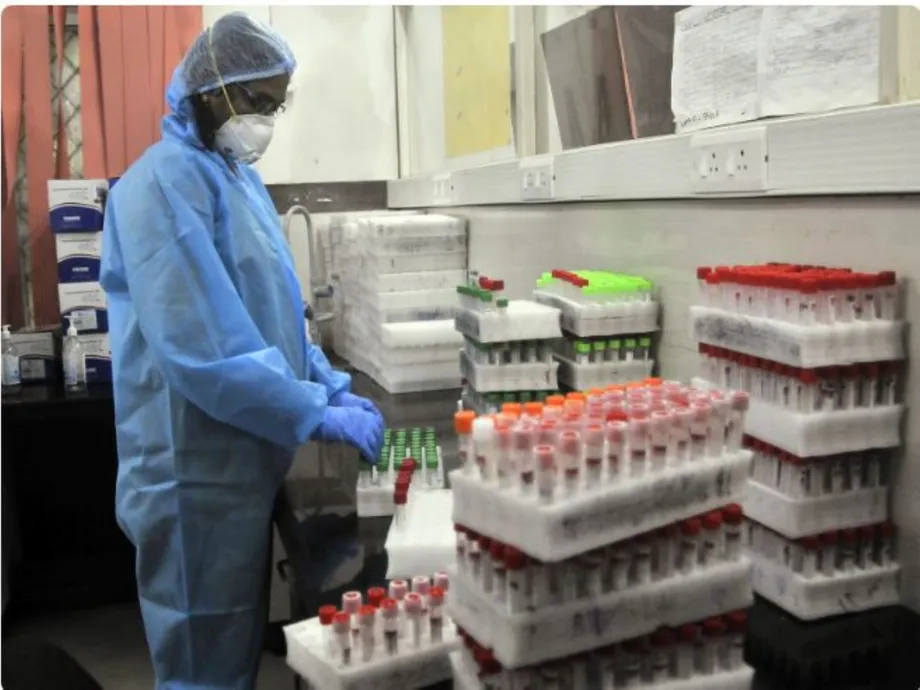
The injection example involved a cancer patient whose husband was a medicine distributor. According to the account presented in court, he could obtain the injection for ₹11,000, but the hospital quoted ₹1.30 lakh and refused to administer medicine purchased outside its pharmacy.
The hospital price was about 11.8 times the dealer price. The difference of ₹1.19 lakh amounts to a markup of roughly 1,082 per cent over ₹11,000. Justice Mehta also cited a drip line costing a retailer ₹15 but billed to a patient at ₹250, about 16.7 times as much.
The bench asked why a medicine carrying an MRP of ₹100 might be supplied to retailers for only ₹10 or ₹20. Private hospitals also acknowledged during proceedings that a medicine available for about ₹30 in the open market could cost around ₹100 on hospital premises.
The Centre's affidavit acknowledged hospital markups of 170 to 700 per cent or more on cancer medicines and 100 to 1,000 per cent or more on medical consumables. It said further assessment would require comparing hospital procurement prices with amounts charged to patients.
The judges questioned price increases reaching 300 per cent and asked how corporate discounts from manufacturers were accounted for. Their scrutiny covered several stages of the transaction: the supplier's price, the hospital's purchase price, the printed MRP and the patient's bill.
Why a 30 per cent margin can mean a 42.86 per cent markup
The Centre clarified that its cancer medicine cap is calculated as 30 per cent of MRP, rather than 30 per cent of the price paid by a retailer. Understanding the starting figure explains why a margin and a markup can look different.
Consider a medicine with an MRP of ₹100, excluding goods and services tax (GST). If the permitted trade margin is ₹30, the corresponding supply price is ₹70. That ₹30 is 30 per cent of the selling price, but 42.86 per cent of the ₹70 supply price.
The new arrangement uses the price to a stockist or distributor, referred to as PTS or PTD, in its calculations. The 42.86 per cent markup therefore describes the relationship between that supply price and MRP, excluding GST.
Malini Aisola, co-convener of the All India Drug Action Network, questioned whether this permitted markup was too generous where medicines move directly to hospitals or through short supply chains.
Officials estimate that revised MRPs could fall by 20 to 70 per cent, depending on existing prices. The size of an individual patient's saving will depend on the medicine purchased, its current selling price and any discounts or assistance already received.
The rules beyond cancer medicines
Petitioners Kishan Chand Jain and Sanjay Kulshreshtha have challenged gaps in the Drugs (Prices Control) Order, 2013 (DPCO). Jain's public interest litigation against the Ethics and Medical Registration Board and others seeks mandatory generic prescriptions, controls on the initial prices of medicines outside the scheduled list, and statutory margin caps for medical devices.
Scheduled medicines fall within a framework of government ceiling prices. For medicines outside that list, manufacturers generally have freedom to set an initial price, followed by a limit of 10 per cent on annual price increases. A high starting price can therefore remain a central concern even where subsequent increases are restricted.
The scheduled medicine formula uses average prices to retailers for qualifying brands and adds a retailer margin of 16 per cent. The court asked why a uniform trade margin limit of 16 per cent could not be considered more widely.
The extent of coverage was described differently during the dispute. The petitioners put scheduled medicines at 17 per cent of medicines available in the market; the bench was also quoted as saying nearly 90 per cent remained outside the DPCO. Separately, estimates based on sales value put medicines covered by the National List of Essential Medicines at about 17 to 20 per cent of pharmaceutical market turnover.
The Centre told the court that medicines for seven categories of disease were regulated. The judges asked how medicines were selected and raised concern that adding new salts could move products outside the controlled list.
Why hospitals oppose tighter limits
Senior advocate Mukul Rohatgi, representing private hospitals, argued that hospitals must maintain staff, equipment and facilities around the clock. He said pressure on public healthcare made private capacity necessary and warned that reducing medicine margins could threaten hospital finances.
Rohatgi said roughly 30 per cent of hospital income came from patients paying directly, with much of the remainder linked to insurance and government health schemes. Hospitals argued that reimbursements under these arrangements, including the Central Government Health Scheme, could be lower than their costs.
Hospitals also defended their own pharmacies on safety grounds, saying they could not guarantee the quality of medicines brought in by patients. Rohatgi raised the risk of counterfeit medicines when explaining restrictions on outside purchases.
The bench rejected using high medicine margins to support other hospital operations. It said hospitals charged separately for services and should take complaints about inadequate scheme reimbursements to the relevant authorities.
The dispute has a direct consequence for patients: permission to buy an injection elsewhere can determine whether they have access to a lower price. Hospitals' purchasing restrictions can leave patients dependent on the pharmacy attached to the institution providing their treatment.
The Centre defends a broader policy balance
Additional Solicitor General Aishwarya Bhati, appearing for the Centre, said medicine prices in India were among the lowest in the world. She argued that pricing decisions needed to protect access while supporting investment and the pharmaceutical industry.
Bhati described the government's policy position in these words:
"The entire ecosystem is not to be controlled".
The Centre identified availability, innovation, industry growth and employment as four pillars of its approach. It opposed blanket controls and argued that competition should operate within a fair market.
The bench responded that international price comparisons also needed to account for India's lower income per person. For a family deciding whether it can afford treatment, the relevant pressure is the bill compared with the money available to pay it.
The judges described the NPPA as appearing to be a "totally defunct" body. They also said three parliamentary committees had examined the issue, yet the Centre's affidavit omitted their recommendations and what had happened to them.
The court questioned the distribution of benefits within the supply chain. Alongside its criticism of a system favouring manufacturers, it observed that high margins on hospital pharmacy sales benefited hospitals rather than patients or drugmakers.
Who benefits from the new cancer cap?
The intervention covers 137 cancer medicines, building on a 2019 pilot involving 42 medicines outside the scheduled list. That earlier exercise reportedly generated annual savings of ₹984 crore across 526 brands. The new estimate of ₹2,500 crore is about 2.5 times that amount.
Pharmarack retail data for the year ending in September 2026 show that bevacizumab, nivolumab and abiraterone acetate are the three medicines among the leading cancer sellers covered by the new order. Six of the 10 leading cancer medicines in the retail channel already fall under essential medicine price controls.
Industry estimates put hospitals' share of cancer medicine sales at nearly 70 per cent. Retail rankings cover a different part of the market, excluding institutional sales and distribution through patient assistance programmes.
Manufacturer funded patient assistance programmes provide eligible patients with free or discounted medicines. For some expensive immunotherapies and targeted treatments, these arrangements can reduce expenditure by 30 to 60 per cent. Free quantities supplied under qualifying programmes are excluded from the new price calculations.
Tanvi Singh, a medical oncologist at MOC Cancer Care in New Delhi, explained why patients already receiving assistance may experience smaller changes:
The trade-margin cap is unlikely to reduce costs for patients enrolled in PAPs, because their medicines are already being provided free or at heavily discounted rates,
Singh said patients purchasing medicines outside these programmes, including through hospitals and pharmacies, would benefit more. Aisola argued that excluding free programme quantities understated trade margins and reduced the possible MRP cuts.
The NPPA requires manufacturers claiming programme exemptions to maintain records of patient identity, diagnosis, dosage and medicines received and consumed. Manufacturers must also submit price information through its Integrated Pharmaceutical Database Management System. The authority can seek details, inspect records and arrange independent verification.
Medicine savings and the full treatment bill
A lower medicine price addresses one part of treatment expenditure. Hospitals have argued that losing pharmacy income could lead them to raise other charges, including admission and chemotherapy fees. The practical outcome for families will therefore depend on the complete bill.
Mandeep Singh Malhotra, director of surgical oncology at Delhi's CK Birla Hospital, called for independent verification of sales data, transparent disclosures and periodic audits of assistance programme exemptions. These checks would help track whether the intended price reductions reach patients.
National Health Accounts estimates for 2022–23 put direct household payments at 43.4 per cent of total health expenditure, compared with 39.4 per cent in 2021–22. That is an increase of four percentage points, although the share remained below the 64.2 per cent recorded in 2013–14.
The 2025 household social consumption survey put medicine purchases at nearly 20 per cent of rural hospitalisation expenses and 15 per cent of urban hospitalisation expenses. Medicine prices therefore affect both the affordability of individual treatments and the savings available for other household needs.
Pharmaceutical company Cipla said the objective should be affordable healthcare, but declined to comment on either a proposed uniform 16 per cent margin cap or an MRP cap while policy discussions continued.
How the dispute reached this point
Related litigation over expensive cancer treatment has also developed in Kerala. Sarojam Radhakrishnan, a retired bank employee diagnosed with breast cancer in 2021, faced monthly treatment bills exceeding ₹63,000. She filed a petition in 2022 and died that September.
The Kerala High Court continued the proceedings as a public interest case titled In Re: Exorbitant Pricing of Life Saving Patented Medicines. Her experience placed the cost of prolonged treatment, rather than a single purchase, at the centre of the access debate.
The main milestones in the wider pricing dispute include:
- 2019: A pilot margin intervention covered 42 cancer medicines outside the scheduled list, with reported annual savings of ₹984 crore.
- 2022: Radhakrishnan filed her Kerala petition; the court continued the matter after her death in September.
- July 17, 2026: The Supreme Court took up concerns about excessive medicine markups on its own initiative.
- October 12, 2026: The Centre filed its affidavit, and the Supreme Court questioned limiting the margin intervention to cancer medicines.
- October 27, 2026: Justices Nath and Mehta reserved their verdict after hearing arguments about medicine and medical supply prices.
- November 9, 2026: Revised prices under the intervention covering 137 cancer medicines are due to take effect.
The government's immediate task is to implement the cancer medicine changes. The court's reserved judgment concerns the broader demands for regulation, including prices outside the scheduled list and margins on medical supplies.
Key Points
- The Supreme Court reserved its verdict on October 27 after questioning large gaps between medicine purchase prices and patient charges.
- A cancer injection available to a dealer for ₹11,000 was described in court as costing a patient ₹1.30 lakh.
- A 30 per cent trade margin cap covers 137 cancer medicines, with revised prices effective November 9.
- The Centre estimates annual patient savings of approximately ₹2,500 crore.
- The bench raised a possible uniform 16 per cent margin cap across medicines.
- Hospitals cited operating costs and medicine safety; the court rejected excessive pharmacy margins as a way to fund other services.
- Patients' savings will depend on actual selling prices, assistance programme benefits and other hospital charges.