A New Era for Indonesian Cardiac Care
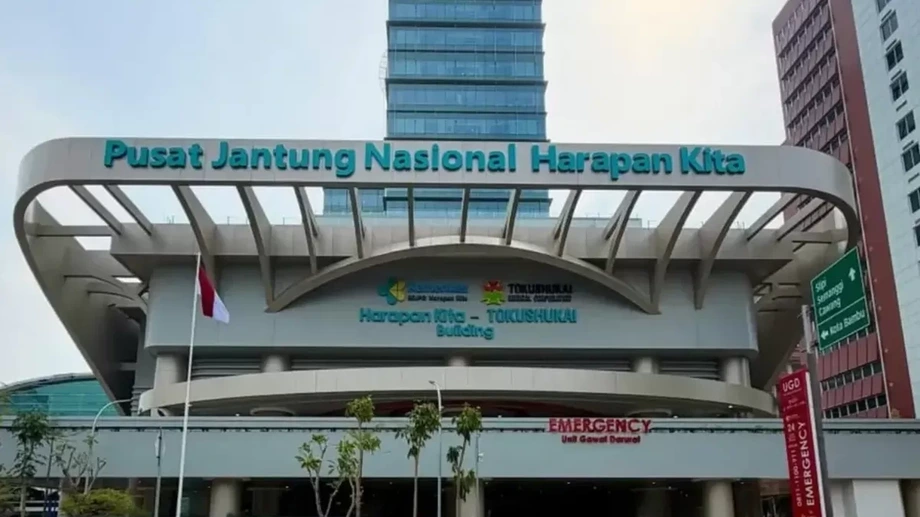
The Indonesian government has launched a major initiative to make heart bypass surgeries accessible to all citizens by 2027. This ambitious goal was marked by the inauguration of the Harapan Kita-Tokushukai Building at the Harapan Kita Heart and Vascular Hospital in Jakarta on Saturday, November 28. The 23-story facility, equipped with advanced robotic surgical technology, represents a significant leap forward in the country's fight against cardiovascular disease. President Prabowo Subianto, who presided over the ceremony, highlighted the building as a critical step toward providing internationally standardized cardiac care without forcing Indonesians to seek treatment abroad at high costs.
Contents
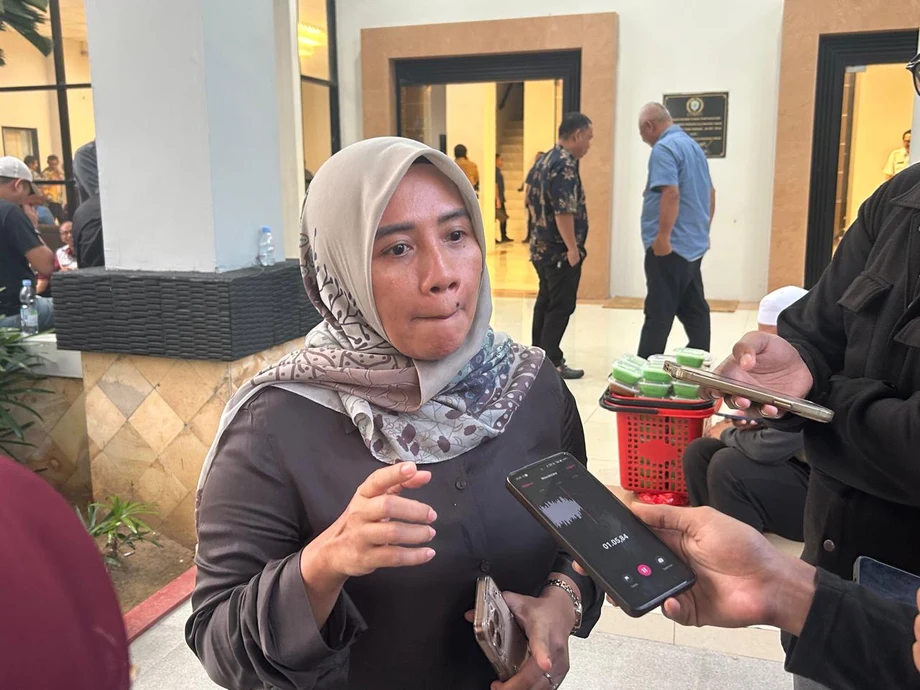
Health Minister Budi Gunadi Sadikin explained that cardiac surgery was initially available in only nine provinces. Today, that number has risen to 30. The remaining four provinces, which are Bengkulu, West Sulawesi, North Maluku, and Papua, are slated to be ready next year. This expansion is part of the government's strategy to raise Indonesians average life expectancy from 72 to 76 years, as outlined in the National Medium-Term Development Plan (RPJMN). The new building is expected to serve as a national training hub, further strengthening the country's medical capabilities.
Combating a Leading Cause of Death
Heart disease stands as the second leading cause of death in Indonesia, claiming roughly 300,000 lives annually. Minister Sadikin noted that this statistic translates to one person dying every two minutes from heart-related causes. The high mortality rate remains a significant hurdle for public health. The government's focus on expanding access to surgery aims to reduce these fatalities by ensuring that timely treatment is available across the archipelago. Speed is of the essence in cardiac care, as delays can be fatal.
The new facility is projected to become the largest dedicated cardiovascular care center in Southeast Asia. It features cutting-edge robotic surgical systems and modern infrastructure. The construction was completed by a joint operation between state-owned construction firms PT PP and PT Wijaya Karya, with a topping-off ceremony held in April 2026. The building spans 23 floors and includes emergency departments, intermediate care wards, operating rooms, and cardiac catheterization laboratories.
A Strategic Partnership with Japan
The inauguration of the Harapan Kita-Tokushukai Building underscores a strong collaboration between Indonesia and Japan. The cooperation with Japan's Tokushukai Medical Group is valued at Rp2 trillion. This amount includes Rp1 trillion for the construction of the new building and another Rp1 trillion for the procurement of medical equipment. The partnership extends beyond infrastructure to include human resource development. Senior Japanese physicians will visit the hospital to train younger Indonesian doctors, helping them adopt Japanese clinical practices and service standards.
Health Minister Sadikin emphasized that these upgrades will help curb the outflow of capital from Indonesians seeking medical treatment abroad. He stated that the improvements mean there will no longer be a need for US$10 billion to flow overseas annually. This retention of medical spending within the country is a key economic and health benefit of the new center. The facility will also serve as a national training center for medical specialists from across Indonesia, ensuring that knowledge and expertise are disseminated throughout the health system.
Reforms at Harapan Kita Hospital
The Harapan Kita Heart and Vascular Hospital has undergone significant institutional reforms over the past five years. Previously, many Health Ministry hospitals operated at a loss and struggled to pay for medications. Doctors often maintained outside practices to supplement their income. Today, the hospital has emerged as one of Indonesia's top-performing state-run referral hospitals. It generates Rp1.3 trillion in annual revenue and treats approximately 280,000 patients each year.
The hospital admits 20,000 inpatients and performs 5,000 cardiac stent placements annually. Around 3,000 open-heart surgeries, either bypasses or valve replacements, are conducted each year. Notably, 70 percent of these patients are covered by BPJS Kesehatan, Indonesia's national health insurer. The hospital's strong financial performance allows it to subsidize care for low-income patients with severe conditions, ensuring that financial barriers do not prevent access to life-saving treatments.
Expanding Access to Remote Regions
A critical component of the government's strategy is the expansion of services to remote and underserved areas. The number of regencies and cities capable of performing heart stent placements has increased significantly. In 2020, only 54 kabupaten/kota could provide this service. By late 2026, that number had risen to 210. This expansion includes remote islands such as Nias, Anambas, Taliabu, and Buru, bringing essential cardiac care closer to the populations that need it.
Minister Sadikin highlighted the importance of this geographic spread. He noted that heart attacks are time-critical, and the speed of treatment determines patient survival. Therefore, having facilities available at the kabupaten/kota level is vital. The collaboration with professional medical organizations, such as the Indonesian Cardiovascular Specialists Association (Perki), has been instrumental in mentoring regional hospitals and sharing expertise.
Government Vision and Future Outlook
President Prabowo Subianto expressed optimism that the new facility will reduce the need for Indonesians to travel abroad for treatment. He emphasized that the government will do its utmost to provide the best possible care. The inauguration was attended by key officials, including Coordinating Minister for Human Development and Culture Sugiono and State Secretary Minister Prasetyo Hadi. The event was marked by the signing of an inauguration plaque and a tour of the new facilities.
The government's commitment to raising public health standards is reflected in its detailed planning and execution. The Permenkes Nomor 12 Tahun 2025 provides a strategic roadmap for the health sector, focusing on strengthening primary and referral care, digital transformation, and reducing out-of-pocket expenses for citizens. The new cardiac center is a tangible realization of this roadmap, aiming to make high-quality heart care a standard rather than a luxury.
Key Points
- The Harapan Kita-Tokushukai Building, a 23-story robotic cardiac center, was inaugurated on November 28, 2026.
- Indonesia aims to have heart bypass surgery available in all 38 provinces by 2027.
- The partnership with Japan's Tokushukai Medical Group is valued at Rp2 trillion, covering construction and equipment.
- Cardiovascular disease causes 300,000 deaths annually, or one death every two minutes.
- The government hopes to retain US$10 billion in annual medical spending currently flowing overseas.
- Stent placement services are now available in 210 regencies and cities, up from 54 in 2020.