A State-Sponsored Cyber Pipeline Built on Math
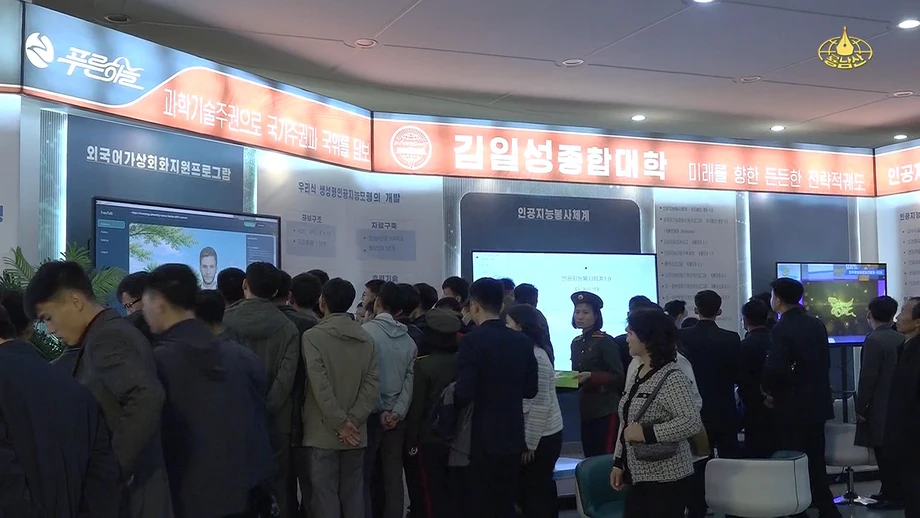
North Korea has transformed a poor, isolated nation into a formidable global cyber threat through a systematic pipeline that begins in the classrooms of Pyongyang. The foundation of this military-grade hacking force was established in the 1980s under the rule of Kim Il Sung. After observing South Korea's rapid economic growth, the former leader created special schools in the capital dedicated to science, technology, engineering, and mathematics, alongside foreign languages. The entrance to these schools is highly competitive, with students selected through a rigorous screening process.
Contents
Inside these schools, students had limited and closely monitored access to computers. Each year, the top 100 students in computer science were sent to military universities for further training. The most promising among them were then sent to China or Russia to study advanced programming and hacking. Some students also took part in exchanges with Western countries, including the United Kingdom in the early 2010s. These opportunities gave students valuable insights into the software systems used by major global corporations and broader knowledge about finance and engineering.
North Korea has done the same thing with young children with mathematical ability: They identify them young, they cultivate them.
The above statement comes from Nick Carlson, a senior investigator at cryptocurrency tracking firm TRM Labs. He compared the North Korean system to East Germany's state-sponsored sports programs during the Cold War, which trained children from an early age to become future Olympians. North Korea identifies children with mathematical abilities from a young age and cultivates them into hackers.
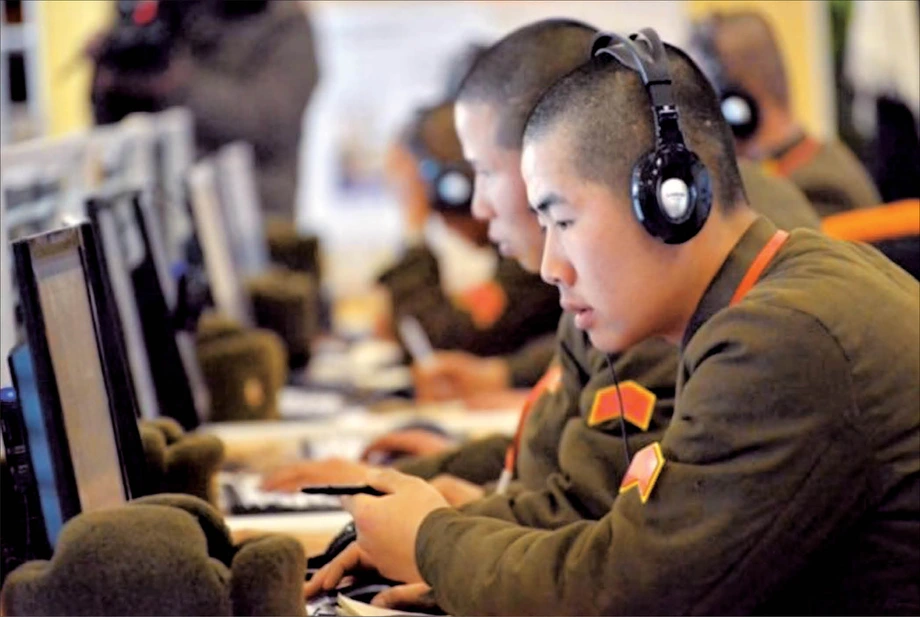
Upon returning to North Korea, the elite students were recruited into the military's Unit 121, also known as the Bureau 121. This unit carries out cyberattacks on the regime's orders, targeting foreign banks, government institutions, and critical infrastructure. The path was highly coveted in a largely impoverished country. Top recruits could bring their entire family to the privileged capital and were given large apartments in upscale neighborhoods, a significant upgrade from the harsh rural living conditions most North Koreans endure.
Jang Se-yul, a defector who studied computer science at a North Korean military college before fleeing to South Korea, highlighted these benefits. She noted that the opportunity to bring family to Pyongyang and receive large apartments was a massive incentive for citizens.
The Evolution from Hollywood to Financial Markets
The infrastructure for this cyber army was largely in place by the time Kim Jong Un, the grandson of Kim Il Sung, took power in 2011. A millennial who had lived and studied in Europe, Kim witnessed the rise of the internet firsthand and understood its strategic value. A 2013 briefing by South Korea's intelligence agency quoted him as saying that cyber warfare is an all-purpose sword that guarantees the North Korean People's Armed Forces ruthless striking capability, alongside nuclear weapons and missiles.
North Korea's cyber program drew worldwide attention in 2014 when a hacking group known as the Lazarus Group targeted Sony Pictures. The attack damaged internal systems, stole sensitive personal and commercial data, locked employees out of their computers, and leaked unreleased films and executives' emails. North Korea targeted the studio as it prepared to release The Interview, a comedy starring Seth Rogen and James Franco that depicted an assassination of Kim Jong Un.
Two years later, the same hackers were back and this time they were after money. After gaining access to the Bangladesh central bank through a phishing email, they sent fraudulent transfer orders seeking to move nearly one billion dollars to accounts across Asia over a holiday weekend. A keyword in the orders triggered an alarm and halted further transactions, but not before the hackers stole 81 million dollars.
As the US and other international bodies increased sanctions and sought to cut off North Korea's illicit revenue, cryptocurrency was growing as a financial system that was harder to track and regulate. Carlson called cryptocurrency theft a godsend for North Korea, saying the opportunity opened up for them exactly when they needed it. He estimates that North Korean hackers are likely behind tens of thousands, if not hundreds of thousands, of attempted cyber thefts every year.
The Record Binance Heist and Fund Recovery
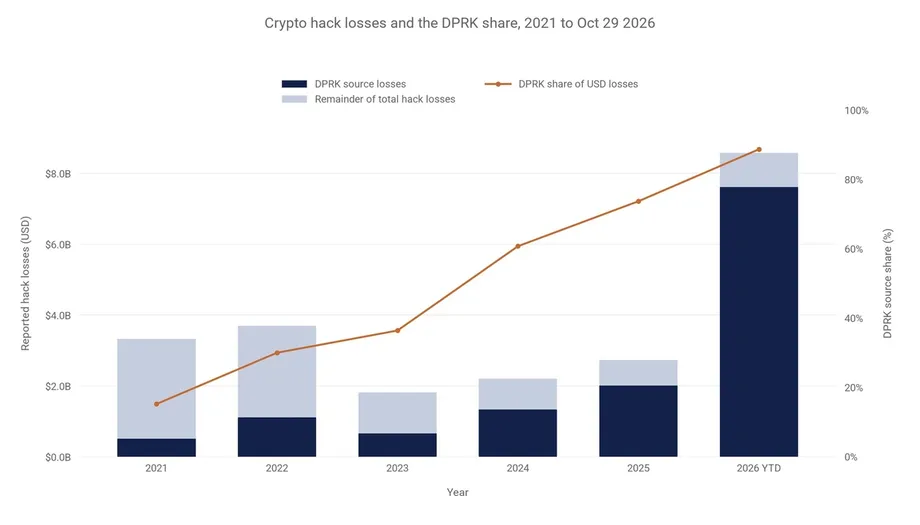
The most significant recent event was the theft of approximately 6 billion dollars from Binance, the world's largest cryptocurrency exchange. US officials attributed the attack to TraderTraitor, a North Korean state-sponsored hacking group active since at least 2020. The same unit was behind the 1.5 billion dollar theft from the Bybit exchange in February 2025.
The Binance hack began when one employee was tricked into a fake job interview and another employee accidentally downloaded hidden malware. Hackers then accessed Binance's digital wallets and removed more than 6 billion dollars in just 20 minutes. TRM Labs tracked the movement of funds across ten blockchains, noting that most of the money was moved within about a quarter of an hour.
Converting stolen cryptocurrency into usable cash requires further steps. In the Bybit attack, for example, hackers stole 1.5 billion dollars in Ethereum tokens and used bridges to convert the funds into Bitcoin. The different currency and platform provided tools to conceal funds and enough liquidity to handle the huge sums. Hackers then move funds repeatedly across blockchains and through mixers that obscure their origins, seeking a few hours' lead over investigators.
They can convert the stolen cryptocurrency into USDT, a stablecoin pegged to the US dollar, and sell it to illicit Chinese brokers. Carlson said North Koreans may receive a Chinese bank deposit, a Union Pay card, or physical cash that they then move in their own money laundering network. China banned cryptocurrency trading and mining in 2021, but illicit activity has continued, and authorities have vowed to crack down.
North Korea probably receives about 75 percent to 85 percent of what it steals, after transactions and conversions and funds frozen by governments or crypto platforms. Even that share of a Binance-sized theft is a large sum. The US Justice Department announced in November that it had frozen more than 12 billion dollars of the stolen virtual assets through court approvals.
Funding Weapons and Evading Sanctions
Cryptocurrency theft provides North Korea with essential revenue and a way to evade international sanctions that have long constrained its economy. A 2024 report by a UN-appointed panel of experts estimated that cyber operations account for half of the country's foreign currency income. The report also identified weapons programs as a priority.
One unnamed UN member state reported that 40 percent of North Korea's weapons of mass destruction are funded by illicit cyber means. Analysts say the thefts have helped leader Kim Jong Un fund his nuclear ambitions in violation of international law and despite heavy sanctions.
Michael Barnhart, a researcher at DTEX, linked the crypto hacks directly to weapons funding. He noted that the money could be used to buy supplies such as petroleum and materials for counterfeit cigarettes that North Korea often sells in China. The funds provide a flexible source of income that bypasses traditional banking channels restricted by US and UN sanctions.
Key Points
- North Korea has built a state-sponsored cyber pipeline since the 1980s, selecting math-gifted students and training them as hackers.
- The recent 6 billion dollar theft from Binance is part of a cumulative 13 billion dollars stolen by North Korean hackers.
- Unit 121 carries out cyberattacks on behalf of the regime, targeting foreign banks and infrastructure.
- Stolen funds are laundered through crypto bridges and mixers, with 75 to 85 percent reaching North Korea.
- UN reports indicate cyber operations fund half of North Korea's foreign currency income and 40 percent of its weapons programs.