North Korea Gives Swiss Envoy 48 Hours to Leave
North Korea declared the head of Switzerland's diplomatic office in Pyongyang, Sylvain Astier, persona non grata on Wednesday 25 November and ordered him out of the country within 48 hours, a deadline that fell on Friday 27 November. The Foreign Ministry also demanded that Switzerland close the office, which Bern had formally reopened less than four weeks earlier.
Contents
- North Korea Gives Swiss Envoy 48 Hours to Leave
- Why a Children's Camp in Wonsan Sparked the Dispute
- A Warning Came a Day Before the Order
- Switzerland Defends Two Separate Tracks
- From a Reopening in October to an Expulsion in November
- A Rare Western Channel Closes
- The War in Ukraine Behind the Ruling
- What Is Not Yet Known
- Key Points
Pak Hyon Su, director of the European affairs department at North Korea's Foreign Ministry, summoned Astier and handed him a memorandum calling for the closure. The state Korean Central News Agency (KCNA) confirmed the expulsion using the country's official name.
The Foreign Ministry of the Democratic People's Republic of Korea declared the head of the Swiss Diplomatic Office in the DPRK persona non grata and urged him to leave the country within 48 hours.
Persona non grata is the formal term for an envoy a host government will no longer accept. Declaring it is the strongest step a state can take against a foreign mission short of cutting relations altogether, and it requires the diplomat to be withdrawn. KCNA paired the announcement with a warning about the grounds for the decision.
Any act of violating the sovereign rights of the DPRK and the interests of its citizens can never be welcomed by us.
In Bern, the Federal Department of Foreign Affairs said it had been officially informed of the closure decision on Wednesday and was arranging for its representative to leave.
The [foreign ministry] regrets this decision and is arranging for the Head of the Office to return to the Embassy of Switzerland in Beijing.
Why a Children's Camp in Wonsan Sparked the Dispute
Switzerland added the Songdowon International Children's Camp, in the port city of Wonsan on North Korea's east coast, to its sanctions list. The camp hosts children from Russia, China and other countries, and it has been accused of involvement in transferring children from areas of Ukraine occupied by Russia. KCNA called the listing "a blatant hostile act".
A sanctions listing names a person or an organisation that a government considers off limits, usually barring its own citizens and companies from making payments or doing business with the listed party. For the camp, inclusion on the Swiss list means Bern treats a facility that welcomes foreign children as an institution tied to the war in Ukraine.
Kim Yo Jong, a department director in the ruling Workers' Party and the sister of North Korean leader Kim Jong Un, argued that the measure crossed a line into domestic affairs. She said the sanctions infringed on the country's sovereignty by denying what she described as the state's duty to give children opportunities for culture and recreation.
A Warning Came a Day Before the Order
Kim Yo Jong spoke on Tuesday 24 November, one day before the memorandum reached Astier. She condemned the Swiss move and warned that Pyongyang could shut the diplomatic office in response. Switzerland kept the camp on its list, and the Foreign Ministry followed through the next day.
Her intervention put the dispute in the language North Korea uses for sanctions it rejects: not a technical disagreement between governments, but an attack on the right of a sovereign state to run its own affairs. The camp, in that framing, was a place for children rather than a target for Western penalties.
Switzerland Defends Two Separate Tracks
Switzerland's Federal Department of Foreign Affairs answered the criticism on Tuesday, saying its sanctions policy runs separately from its diplomatic work. The ministry described the reopened Pyongyang office as part of what it called a universalist foreign policy, built to keep talking to governments it disagrees with.
Its aim is to maintain channels of dialogue, including with states with which we have differences on certain issues.
The ministry also said Switzerland "distinguishes between its sanctions policy and its commitment to maintaining dialogue with all countries", and rejected any suggestion that the presence of a Swiss office in Pyongyang softened its obligations under international measures. It said the reopening had no bearing on two separate sanctions regimes.
The reopening of the office in Pyongyang did not in any way affect Switzerland's implementation of UN sanctions related to North Korea's nuclear programme, nor its implementation of EU sanctions targeting North Korea in the context of Russia's war against Ukraine.
Those two sets of measures are distinct. United Nations sanctions on North Korea target its nuclear and missile programmes, while the European Union has added its own penalties over North Korean support for Russia's war. Switzerland is not an EU member but aligns itself with many EU restrictive measures.
From a Reopening in October to an Expulsion in November
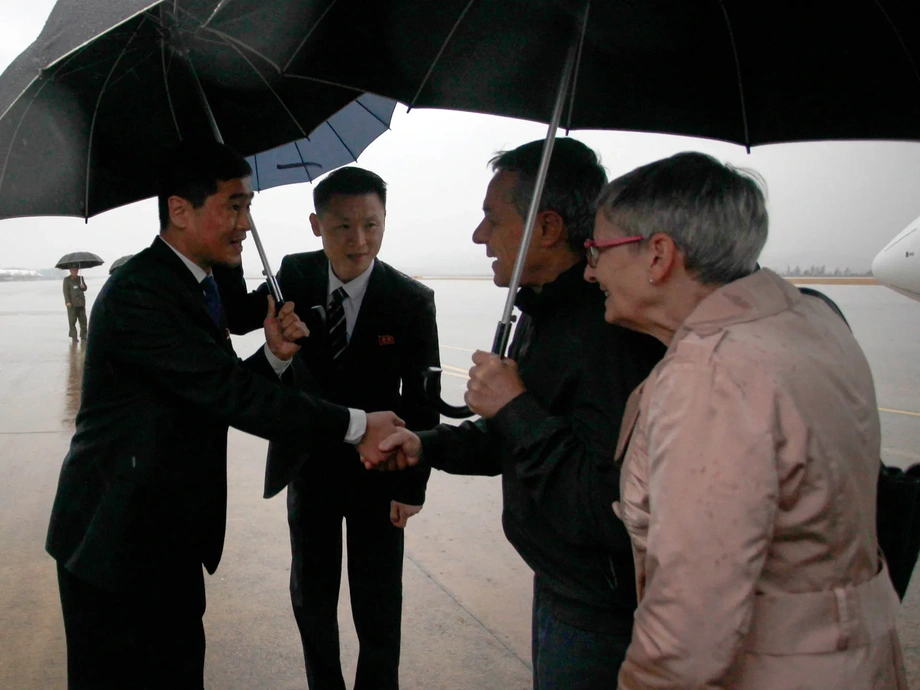
Foreign Minister Ignazio Cassis arrived at Pyongyang International Airport on Thursday 29 October with his wife, Paola Cassis, and was greeted by officials of the North Korean Foreign Ministry. He formally reopened the diplomatic office and discussed ways to normalise relations between the two countries, a visit that made the closure four weeks later unusually abrupt.
- 1974: Switzerland and North Korea establish diplomatic relations.
- 1997: Switzerland opens a cooperation office in Pyongyang.
- During the COVID-19 pandemic: the office closes and stays shut for six years.
- 29 October 2026: Cassis reopens the office in Pyongyang and raises normalisation.
- 24 November 2026: Kim Yo Jong condemns the Swiss sanctions and warns the office could be closed.
- 25 November 2026: Astier is declared persona non grata, given 48 hours to leave, and Switzerland says it regrets the decision.
A Rare Western Channel Closes
Switzerland is one of the few Western countries that still keeps a dialogue open with Pyongyang, which makes the loss of a physical office more than a bureaucratic inconvenience. Bern said it would maintain relations through North Korea's embassy in the Swiss capital and through the Swiss embassy in Beijing, the mission that will now host Astier.
The two countries have an unusually personal history. Both Kim Jong Un and Kim Yo Jong reportedly attended school in Switzerland as teenagers in the 1990s, a connection that has long been cited as one reason Bern kept a channel open when other Western capitals pulled back.
The War in Ukraine Behind the Ruling
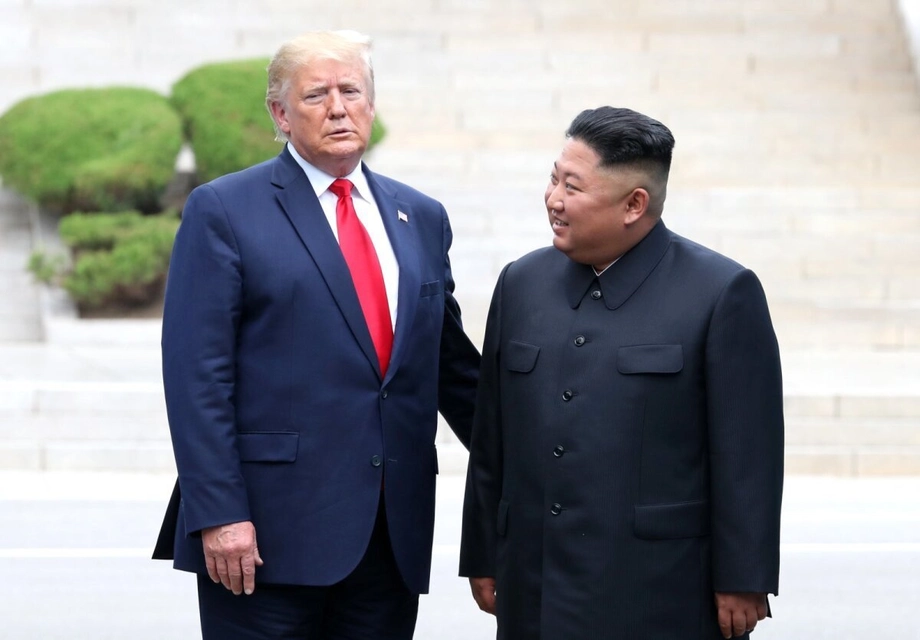
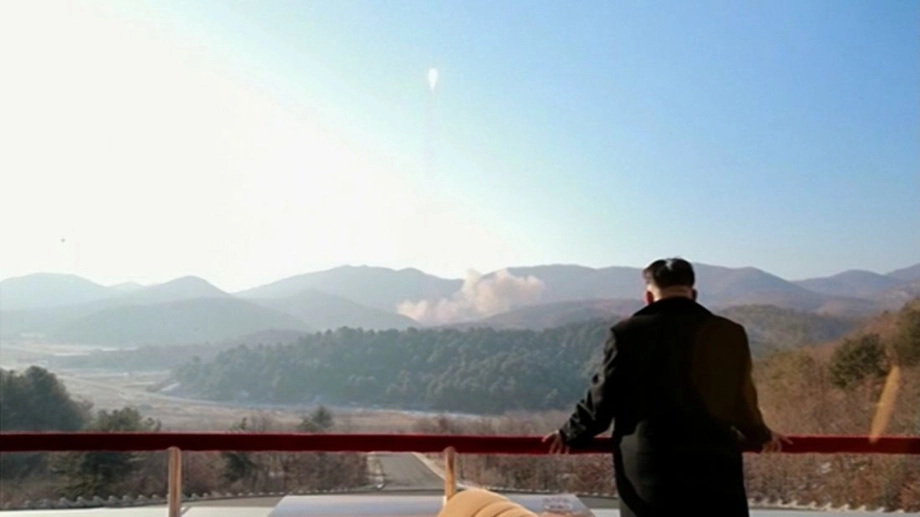
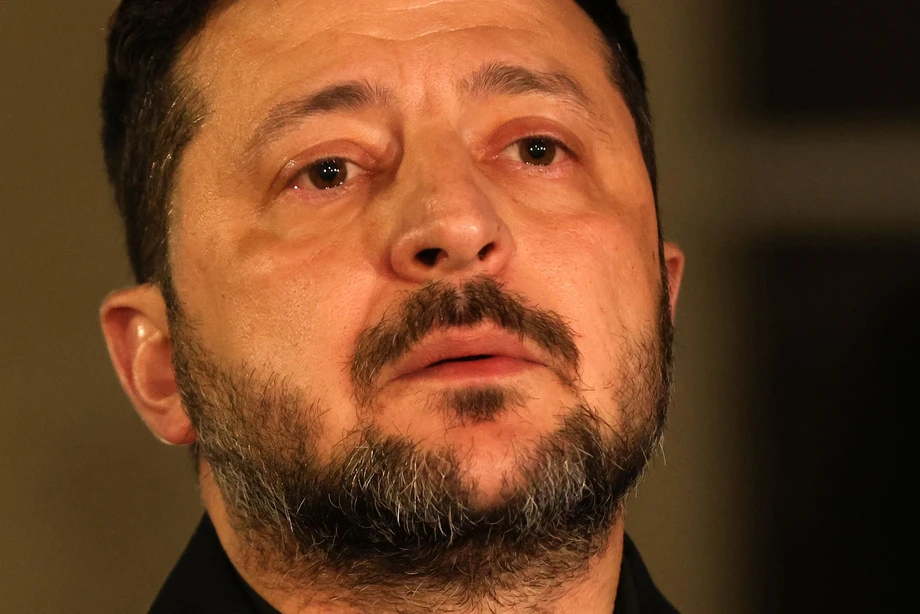
North Korea has moved closer to Moscow as the war in Ukraine has dragged on, sending thousands of soldiers and large shipments of weapons in recent years to support Russian President Vladimir Putin's invasion, possibly in exchange for aid and transfers of military technology. In August, Ukraine's President Volodymyr Zelensky accused Moscow of using North Korean missiles.
Days before the expulsion order, Kim Jong Un received credentials from the new ambassadors of 10 countries, including Russia and Sweden, in a ceremony in Pyongyang. He said North Korea wanted to widen relations with countries that respected its sovereignty and would oppose attempts to restrict the independent rights and the right to development of sovereign states, remarks that framed the Swiss sanctions as exactly such an attempt.
What Is Not Yet Known
The Songdowon camp remains on Switzerland's sanctions list, and Bern has given no date for any effort to reopen the office in Pyongyang. Switzerland's statement did not say whether it would seek to negotiate the envoy's return, and North Korea did not say what would happen to the building or to Swiss staff who worked there.
Switzerland has presented the closure as a diplomatic setback rather than a break. North Korea has presented it as the price of a sanctions decision it rejects, and the practical result for both sides is that one of the last Western listening posts in Pyongyang is now empty.
Key Points
- North Korea declared Swiss envoy Sylvain Astier persona non grata on 25 November and gave him 48 hours to leave by 27 November.
- Pyongyang demanded the closure of Switzerland's diplomatic office, reopened by Foreign Minister Ignazio Cassis on 29 October.
- The trigger was Switzerland's decision to sanction the Songdowon International Children's Camp in Wonsan, accused of involvement in transferring children from areas of Ukraine occupied by Russia.
- Kim Yo Jong, Kim Jong Un's sister and a Workers' Party department director, called the sanctions an infringement of sovereignty and warned of the closure a day in advance.
- Switzerland's Federal Department of Foreign Affairs said it regretted the decision and will work from its embassy in Beijing, with ties kept through North Korea's embassy in Bern.
- Diplomatic relations date to 1974, and the Pyongyang office opened in 1997 before closing for six years during the COVID-19 pandemic.
- North Korea has sent thousands of soldiers and weapons to support Russia's war in Ukraine, the context behind the EU measures Switzerland says it applies.