A Watershed Moment at the Peace Palace
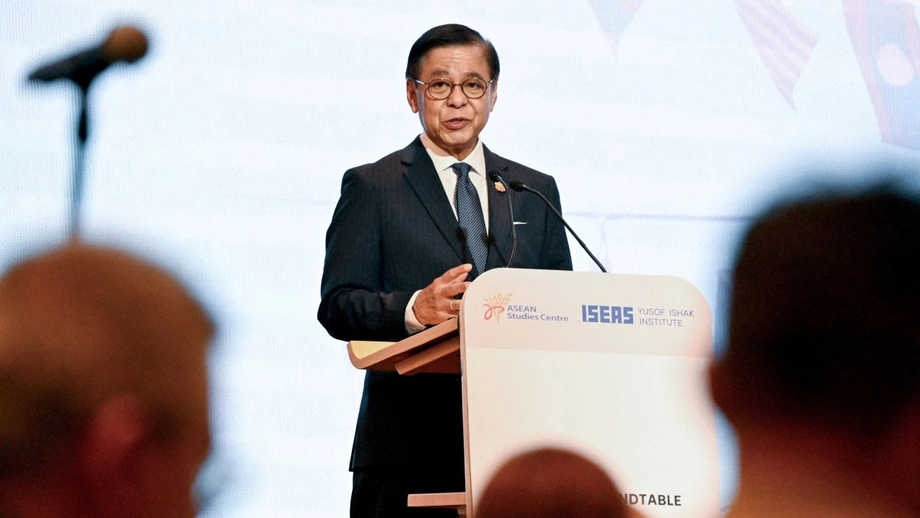
On November 19, 2026, the International Court of Justice delivered a groundbreaking verdict in the case concerning the Application of the Convention on the Prevention and Punishment of the Crime of Genocide brought by The Gambia against Myanmar. In a 9-6 majority decision, the UN's highest judicial body found Myanmar responsible for committing genocide against the Rohingya minority during military clearance operations in northern Rakhine State in 2017. Presiding Judge Yuji Iwasawa read the judgment in the Great Hall of Justice in The Hague, marking the first time in the 80-year history of the court that a sovereign state has been held accountable for genocide. The ruling concludes a seven-year legal battle that began when Gambia's genocide case against Myanmar was filed on November 11, 2019, invoking state responsibility under the 1948 Genocide Convention. Seven intervening states, including the Maldives, Canada, Denmark, France, Germany, the Netherlands, and the United Kingdom, participated in the proceedings to offer interpretations of treaty obligations.
Contents
- A Watershed Moment at the Peace Palace
- Understanding Genocidal Intent and State Responsibility
- The Immediate Impact on Bangladesh and Host Communities
- Timeline of Key Legal Milestones
- Repatriation Realities and Changing Power Dynamics in Rakhine State
- International Reactions and Diplomatic Divisions
- The Essentials
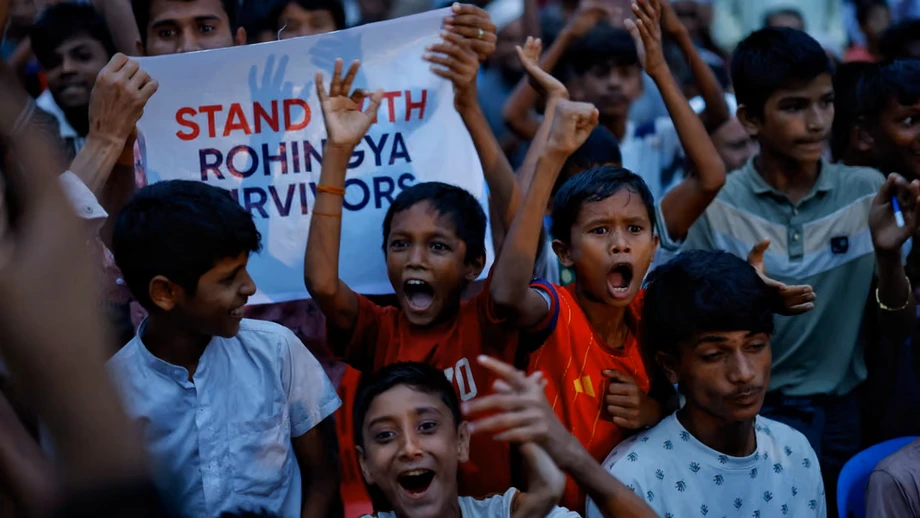
The court rejected Myanmar's defense that its military campaigns were legitimate counter-terrorism measures directed at insurgents from the Arakan Rohingya Salvation Army. Judges determined that the scale, brutality, and systematic nature of the violence left no other reasonable inference than an intention to destroy a substantial part of the Rohingya population. The judgment documented the violent killing of approximately 10,000 Rohingya, widespread sexual violence used to impair the population's ability to procreate, extreme violence against children, and the deliberate destruction of villages. For the more than 1.2 million refugees living in protracted displacement, the decision offered unprecedented legal recognition of their suffering. In the historic verdict, with a difficult test still ahead, crowds watching outdoor screens in the camps of Cox's Bazar celebrated a formal acknowledgment that the atrocities inflicted upon them constituted a state crime.
Understanding Genocidal Intent and State Responsibility
Proving genocide under international law requires meeting a demanding evidentiary standard. Prosecutors must demonstrate not only that mass atrocities occurred, but also that perpetrators acted with specific intent to destroy a protected ethnic, national, racial, or religious group in whole or in part. In international jurisprudence, governments rarely document explicit plans of extermination, making circumstantial evidence essential. The ICJ evaluated a comprehensive pattern of conduct, including online hate speech campaigns, restrictive population policies such as a two-child limit for Rohingya families, and the methodical burning of homes. Legal scholars noted that the court's rejection of Myanmar's counter-terrorism defense establishes a crucial precedent for evaluating similar state actions globally.
The judgment also carries profound implications for other international proceedings, including South Africa's separate case accusing Israel of genocide in Gaza. While the ICJ settles disputes between states and determines state responsibility, it does not prosecute individual military commanders. Individual criminal accountability requires separate proceedings before competent criminal jurisdictions, such as the International Criminal Court, where arrest warrants have been issued against military leaders. Furthermore, although ICJ judgments are final, binding, and without appeal under Article 59 of the court statute and Article 94 of the United Nations Charter, the institution possesses no independent police force or enforcement mechanism. Implementation depends entirely on compliance by the respondent state and the political will of the wider international community.
The Immediate Impact on Bangladesh and Host Communities
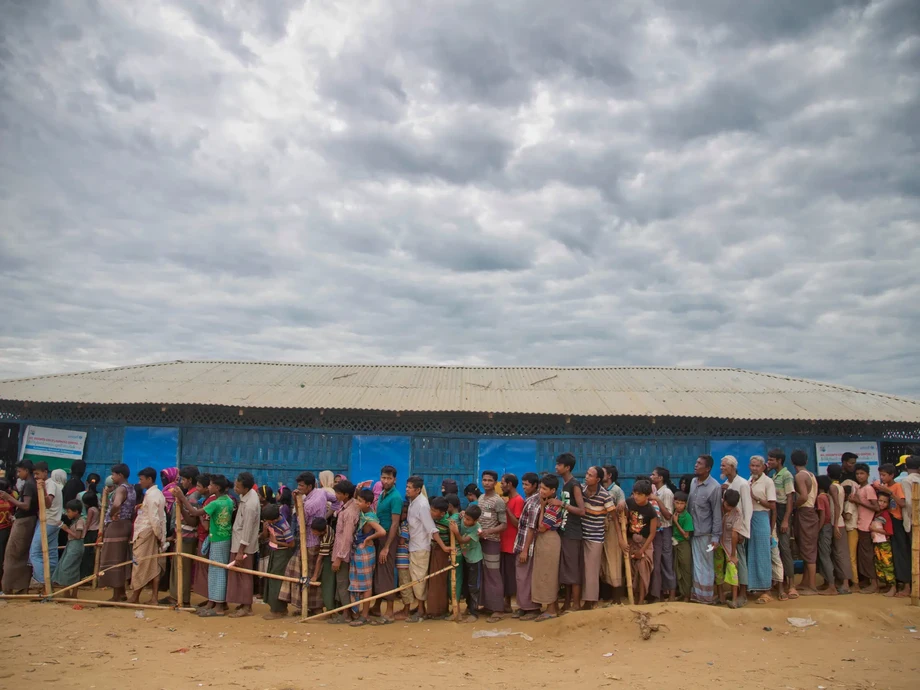
For Bangladesh, which opened its borders to hundreds of thousands of desperate people fleeing military persecution, the ruling validates a humanitarian response that has lasted nearly nine years. According to Government of Bangladesh and UNHCR population data, 1,208,018 Rohingya refugees resided in the country as of October 31, 2026, primarily in overcrowded settlements in Cox's Bazar and on Bhasan Char. State Minister for Foreign Affairs Humaiun Kobir and State Minister for Foreign Affairs Shama Obaed Islam welcomed the verdict in official briefings, emphasizing that the condemnation of Myanmar strengthens Dhaka's diplomatic leverage in pushing for a durable resolution. Officials noted that the crisis can no longer be treated merely as a domestic refugee management challenge for Bangladesh.
The financial and environmental burden on Bangladesh remains substantial. The United Nations 2026 Joint Response Plan requires approximately $710.5 million to support 1.6 million people, including vulnerable host communities affected by environmental degradation, deforestation, and competition for limited resources. While the judgment provides moral and legal backing, local authorities remain vigilant against potential security risks along the border. The UN Special Rapporteur on the situation of human rights in Myanmar had previously warned of fresh violence, prompting Bangladeshi border agencies to maintain close surveillance as political tensions mount across the region.
Timeline of Key Legal Milestones
- December 9, 1948: The United Nations General Assembly adopts the Convention on the Prevention and Punishment of the Crime of Genocide.
- November 11, 2019: The Gambia institutes proceedings against Myanmar at the International Court of Justice alleging violations of the Genocide Convention.
- January 23, 2020: The ICJ issues binding provisional measures ordering Myanmar to prevent genocidal acts and preserve evidence.
- July 22, 2022: The court rules that it has jurisdiction to entertain the application and that the case is admissible.
- July 3, 2024: The ICJ delivers its order admitting declarations of intervention from seven states.
- January 12 to 29, 2026: The court holds public hearings on the merits of the case in The Hague.
- November 19, 2026: The ICJ delivers its landmark judgment finding Myanmar responsible for genocide by a 9-6 majority vote.
Repatriation Realities and Changing Power Dynamics in Rakhine State
The ICJ explicitly ordered Myanmar to facilitate the safe, voluntary, and dignified return of displaced Rohingya, restore lost property, ensure family reunification, and provide physical and mental rehabilitation. The court also mandated that Myanmar submit a compliance report within two years detailing restitution measures and compensation modalities. However, putting these orders into practice faces severe geopolitical obstacles. In the Rohingya ancestral homeland of Rakhine State, the military junta that perpetrated the 2017 atrocities is no longer in undisputed control. An ethnic armed organization known as the Arakan Army now governs the vast majority of the territory, including border areas adjacent to Bangladesh, and has faced separate accusations of abuses against civilians. Meanwhile, the military junta has escalated airstrikes against civilian infrastructure in response to territorial losses.
Refugee representatives and community leaders expressed cautious optimism following the verdict while acknowledging the enormous gap between legal remedies and daily realities. Syed Ullah, president of the United Council of Rohingyas, emphasized that the community demands full citizenship rights and freedom of movement rather than permanent confinement in refugee camps. Rohingya youth leader Murshid Alam described the ruling as a turning point that ensures their history is recorded as a crime rather than an unavoidable tragedy. Yet, community elders noted that safe repatriation remains distant while Myanmar's leadership dismisses the Rohingya identity and Rakhine State remains an active conflict zone.
International Reactions and Diplomatic Divisions
Global responses to the verdict reflected sharp divisions among major powers. The United Kingdom announced immediate punitive measures, including the expulsion of Myanmar's defense attaché in London, the summoning of its charge d'affaires, and an urgent call for a United Nations Security Council session. Australia, Norway, the European Union, and United Nations human rights chief Volker Türk praised the decision as a triumph for international justice and accountability. Conversely, Myanmar's military-backed government rejected the ruling as unfair and illegitimate, pointing out that the decision was not unanimous among the 15 judges and criticizing The Gambia for initiating proceedings without direct geographical ties.
Other regional actors expressed reservations. China's foreign ministry cautioned against jurisdictional overreach by international judicial institutions while offering to facilitate bilateral repatriation talks. India acknowledged the judgment while reiterating its focus on humanitarian assistance through Operation Insaniyat and the return of refugees without explicitly endorsing the genocide finding. In Washington, the United States State Department stated that it was studying the ruling to assess its implications while stressing the importance of proper treaty interpretation and preventing political interference in the court. Because China and Russia hold veto powers on the United Nations Security Council, enforcing mandatory sanctions or military enforcement mechanisms remains highly uncertain.
The Essentials
- The International Court of Justice ruled by a 9 to 6 majority that Myanmar committed genocide against the Rohingya in 2017.
- The UN court ordered Myanmar to facilitate safe and voluntary repatriation, pay reparations, and report back within two years.
- Bangladesh welcomed the verdict, stating it strengthens diplomatic efforts to resolve the protracted refugee crisis involving over 1.2 million people.
- Myanmar rejected the judgment as unfair, citing the dissenting opinions of six judges on the bench.
- International enforcement remains complicated by regional conflicts and potential vetoes in the United Nations Security Council.