Supreme Court Review Clears Path for Parliament
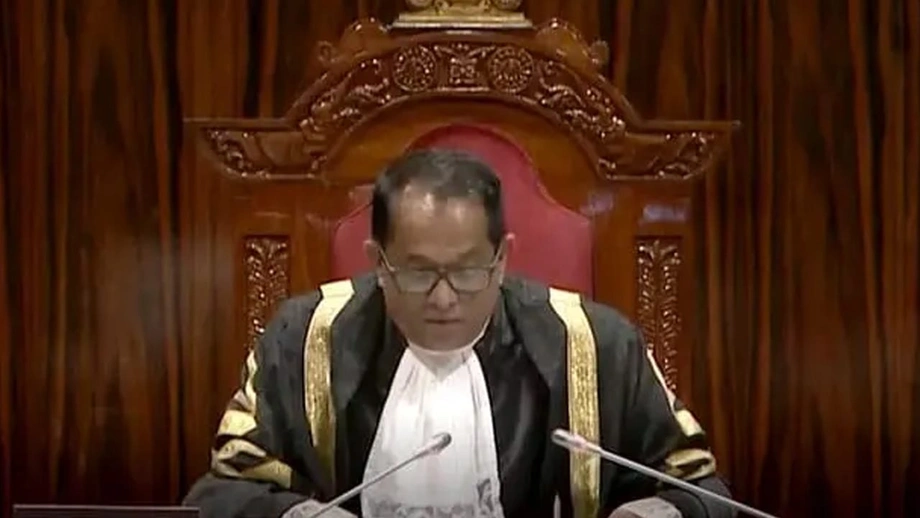
Sri Lanka has moved one step closer to changing its legal framework on crime after the country's highest court reviewed a major piece of proposed legislation. Speaker Dr. Jagath Wickramaratne informed Parliament on November 21, 2026, that the Supreme Court decided the Prevention of Organised Crime Bill does not contradict the national constitution. Lawmakers challenged the bill under Article 121(1) of the Constitution, which lets citizens and legal experts ask the court to check new laws before they pass. A total of 20 petitions had been filed to challenge the bill after it was tabled in Parliament on October 20, 2026. The court determined that the draft law can be approved by a simple majority rather than a demanding two-thirds vote, provided lawmakers make specific changes during the committee stage.
Contents
A simple majority means that a proposal wins when more members vote in favour than against among those present and casting a ballot. This threshold is much easier to reach than a special two-thirds majority, which requires support from at least two-thirds of the entire membership of the legislature. The ruling means the government can pass the legislation without needing broad cross-party consensus, though the text must first be revised. The process follows earlier legislative debates such as when two cricket bill clauses came under judicial scrutiny over freedom of association and equality before the law.
Required Amendments and Committee Stage Revisions
Lawmakers cannot pass the bill in its current form because the court and the Acting Attorney General insisted on dozens of alterations. Speaker Dr. Jagath Wickramaratne read out a long list of sections that need direct updates during the committee stage, which is the part of the legislative process where politicians examine and rewrite individual clauses. The required changes cover 51 separate sections, including Clauses 2, 3, 4, 5, 7, 8, 9, 10, 11, 12, 14, 15, 16, 17, 20, 21, 23, 24, 25, 29, 30, 31, 32, 33, 34, 36, 37, 39, 41, 42, 43, 44, 45, 46, 47, 48, 49, 50, 51, 52, 53, 54, 55, 57, 58, 61, 62, 63, 64, 65, and 66.
In addition to modifying those sections, Parliament must completely remove Clause 6 from the draft legislation. Speaker Dr. Jagath Wickramaratne confirmed that Clause 6, which previously allowed the prosecution of an individual who is not an official member of a criminal gang, would be deleted in accordance with the court directions. Furthermore, items 15, 16, 17, and 33 must be omitted entirely from the First Schedule of the bill. A schedule is an attachment at the end of a law that lists specific details, such as categorised offences or administrative lists. The Speaker ordered that the full text of the Supreme Court determination be printed in the official parliamentary record.
Controversy and Rights Groups Opposition
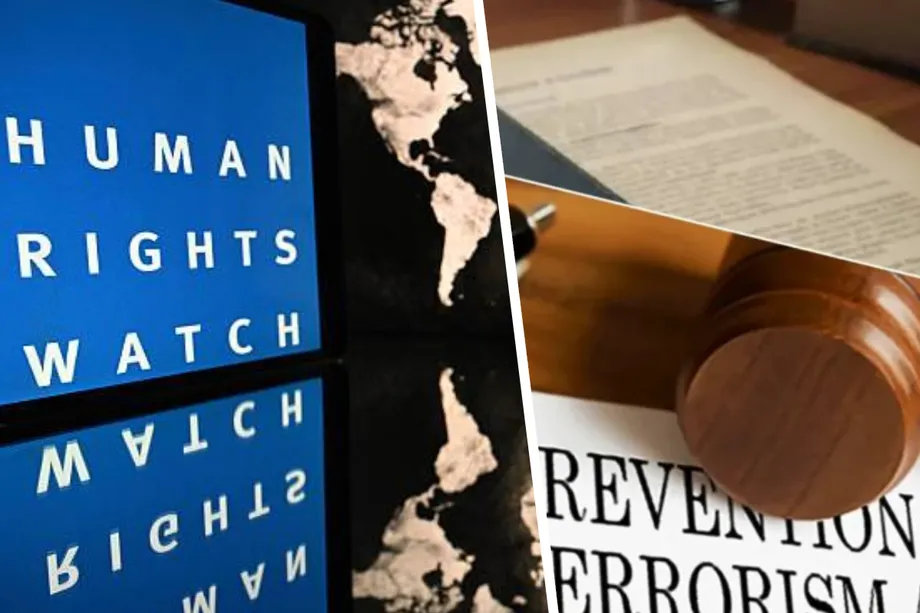
The legislation faced intense pushback from local and international organisations before reaching this stage in Parliament. Rights groups argued that the original text granted too much power to law enforcement agencies and threatened fundamental liberties. The Human Rights Commission of Sri Lanka called for the complete withdrawal of the bill. The Bar Association of Sri Lanka expressed grave concerns about its impact on judicial oversight and personal freedoms. International watchdogs also voiced alarm over the scope of the draft law.
Amnesty International joined local critics in demanding that the legislation be scrapped entirely. The New York-based Human Rights Watch stated that the proposed rules fell far short of international human rights standards. Critics particularly pointed to provisions concerning extended detention, strict restrictions on bail, police powers to conduct searches and arrests without warrants, and the admissibility of confessions made directly to senior police officers. Concerns were also raised regarding media freedom and broad police surveillance powers. The debate over these police powers echoes other recent financial and social relief measures, such as when Parliament approves funds for fuel relief and welfare support to ease daily economic pressures on households.
Broad Definitions of Organised Crime
Much of the public criticism centred on how the draft law defined criminal gangs and organised illegal activity. Opponents argued that the wording was so broad that authorities could label ordinary citizens as gang members based merely on their personal appearance or social associations. Clause 6 specifically targeted people outside formal criminal structures, which prompted the court and legal experts to demand its removal. These safeguards are designed to prevent the misuse of police powers against individuals who have no connection to actual syndicates.
The legal challenges brought by petitioners were intended to block measures that bypassed traditional judicial protections. By forcing these amendments, the Supreme Court addressed fears that law enforcement officers would gain unchecked authority over suspects. The situation shares parallels with international legal battles faced by citizens abroad, such as the diplomatic efforts that led to a Saudi Supreme Court ruling overturning a death sentence for a Sri Lankan construction worker. Both cases highlight how legal systems handle severe penalties and state authority.
Timeline of Legislative Developments
The journey of the anti-crime legislation through the courts and Parliament follows a specific sequence of official events.
- October 20, 2026: The Prevention of Organised Crime Bill is officially tabled in Parliament.
- October 27, 2026: The one-week constitutional challenge window closes after drawing 20 separate petitions in the Supreme Court.
- November 21, 2026: Speaker Dr. Jagath Wickramaratne announces the Supreme Court determination in Parliament, confirming the bill is constitutional subject to amendments.
These dates mark the transition of the bill from initial drafting to judicial review. No final date has been set yet for the committee stage debate or the ultimate parliamentary vote on the amended text.
What Remains Unresolved
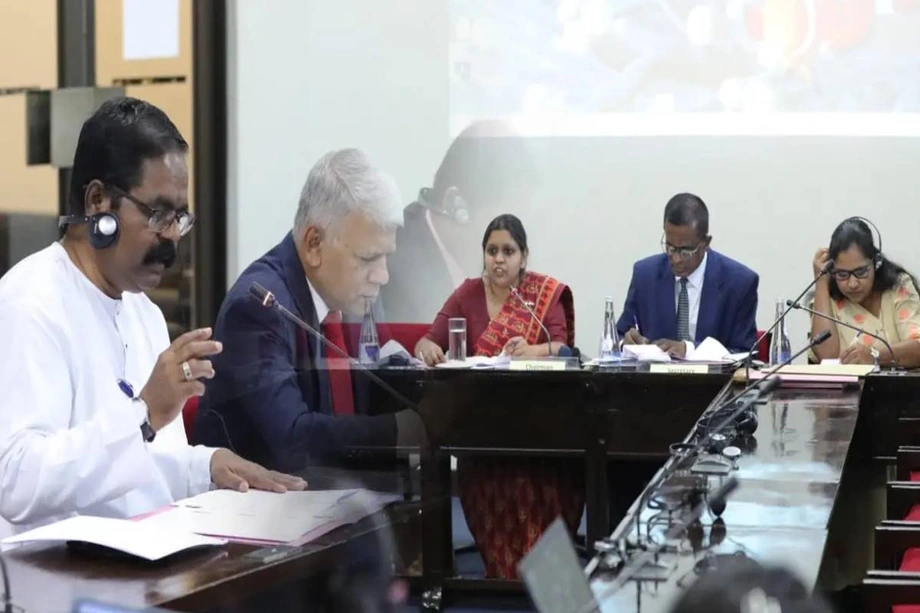
Several details about the future of the anti-crime legislation are not yet decided. The Speaker announced the court determination and listed the required alterations, but Parliament has not yet published the revised text of the bill. Lawmakers have not announced the exact date when the committee stage debate will begin or when the final vote will take place. Citizens and legal analysts must wait for parliamentary sessions to see the exact wording of the changes agreed upon by the Acting Attorney General.
The modifications ordered by the judiciary remove the most controversial parts of the draft law, but the practical effect on police operations will depend on the final text passed by lawmakers. The debate demonstrates how judicial review shapes legislative proposals in Sri Lanka. Parliament now holds the responsibility of incorporating the required revisions before putting the measure to a final vote.
At a Glance
- The Supreme Court ruled that the Prevention of Organised Crime Bill is consistent with the Constitution and requires only a simple majority.
- Speaker Dr. Jagath Wickramaratne announced the court decision in Parliament on November 21, 2026.
- Twenty petitions had been filed challenging the constitutionality of the bill under Article 121(1).
- Lawmakers must amend 51 separate clauses and remove Clause 6 during the committee stage.
- Items 15, 16, 17, and 33 must be deleted from the First Schedule of the bill.
- Local and international rights groups, including Amnesty International and Human Rights Watch, had previously criticised the bill over detention and bail rules.