Rs. 41 billion for fuel relief, Rs. 6 billion for welfare
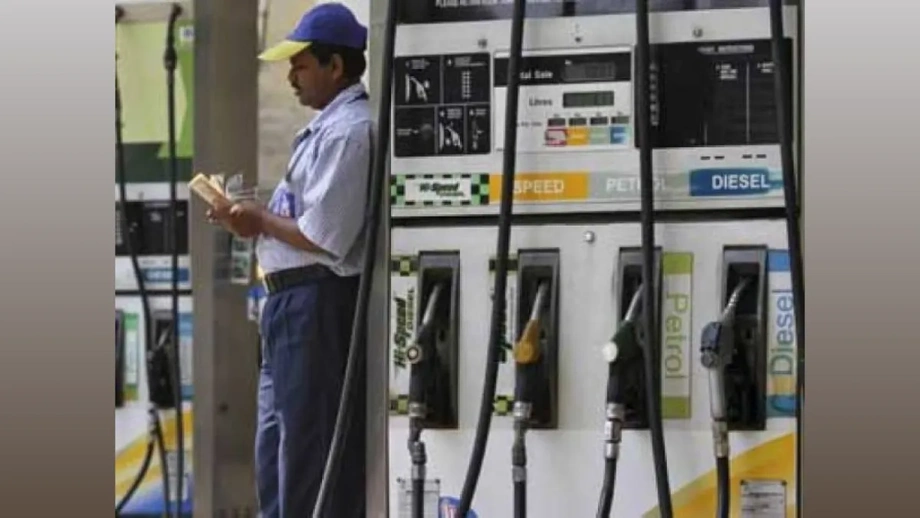
Sri Lanka's Parliament has approved a Rs. 47 billion supplementary estimate to cushion the impact of rising fuel prices and provide additional payments to people receiving support through the Aswesuma welfare programme. The package directs Rs. 41 billion to the Ministry of Energy and Rs. 6 billion to welfare assistance under the Ministry of Finance and Planning.
Contents
Dr. Anil Jayantha Fernando, Deputy Minister of Finance and Planning, presented the estimate on November 4. Approval followed its presentation the previous day. Fernando said the energy allocation would cover October, November and December, helping reduce the pressure on domestic consumers from fuel prices affected by the conflict in the Middle East.
Aswesuma beneficiaries classified as extremely poor are to receive an additional Rs. 6,250, while those in the poor category are to receive Rs. 4,000. The Rs. 6,250 benefit will be paid in two instalments and is a one-time payment.
Fernando said the government would find the money within existing spending allocations rather than increase its expenditure ceiling. The decision therefore concerns both relief for households and the redirection of money already provided for elsewhere in the budget.
How the Rs. 47 billion is divided
The Ministry of Energy accounts for about 87.2% of the package, with the remaining 12.8% going to Aswesuma assistance. Those shares come from dividing the respective Rs. 41 billion and Rs. 6 billion allocations by the Rs. 47 billion total.
Fuel relief therefore receives nearly seven times the allocation for additional welfare payments. The package uses two routes to address household pressure: funding intended to ease the impact of domestic fuel prices, and cash assistance directed at beneficiaries in two Aswesuma categories.
The Rs. 41 billion will sit under the Energy Ministry's expenditure heading, the budget category through which that ministry's spending is authorised. The Rs. 6 billion will be allocated through the operational programme of the Ministry of Finance and Planning for Aswesuma.
These separate budget entries matter because they identify which ministry will handle each part of the relief. The energy allocation addresses pressure reaching consumers through fuel prices, while the welfare allocation provides specified additional amounts to eligible recipients.
What Aswesuma beneficiaries will receive
Beneficiaries in the extremely poor category will receive Rs. 6,250 in total under the additional assistance. Although the money will arrive in two instalments, Fernando described it as a single benefit. The total across the two payments is therefore Rs. 6,250.
Beneficiaries in the poor category will receive an additional Rs. 4,000. The amount for the extremely poor category is Rs. 2,250 higher, or 56.25% more than the amount allocated to the poor category.
Both figures refer to extra assistance under the supplementary estimate. For a household receiving Aswesuma, the relevant category determines the additional amount announced through this measure.
Fernando said the Rs. 6 billion was intended to provide some relief from inflationary pressure. Inflation means prices are rising, so the same amount of money buys less. An additional cash payment gives a household more money to meet expenses while it faces that pressure.
The announcement did not specify payment dates, the size of each instalment for the extremely poor category, or the number of beneficiaries covered. It also left the precise fuel relief mechanism and the budget allocations being reduced unidentified. Those details will determine when households receive support and how the funding changes affect other spending.
Why fuel relief covers October to December
The Rs. 41 billion energy allocation covers October, November and December. Fernando linked the need for support to the effect of the Middle East conflict on fuel prices and, through those prices, on consumers in Sri Lanka.
The period begins before the estimate was presented in November. The allocation therefore spans an already started month as well as the remainder of the three-month period. Parliamentary approval provides authority for the additional allocation within that stated window.
Fuel costs can reach household budgets through several routes. People pay directly when they buy fuel, while transport expenses can also feed into the cost of moving goods. The government's stated purpose is to reduce the pressure that rising domestic fuel prices place on consumers.
Fernando also said the government was prepared to continue providing relief depending on how the Middle East conflict developed. Further support was presented as a response the government could make as circumstances changed. The approved measure sets out Rs. 41 billion for the specified three months.
What a supplementary estimate changes
A supplementary estimate allows Parliament to authorise a change to spending allocations after the main budget has been set. In this case, lawmakers approved additional provision under the energy and welfare headings to finance the relief measures.
Fernando said the Rs. 47 billion would be found by managing and reallocating existing budget provisions from other areas. Under that approach, the total spending ceiling stays the same while the distribution of money changes.
A simple household comparison helps explain the process. A family with a fixed spending limit may move money from one planned expense to another when an urgent bill arrives. Its allocation for that bill rises, but its total spending limit stays unchanged. The government's explanation follows that basic principle on a much larger scale.
For public finances, the practical consequence is a change in priorities within the existing budget. Energy relief and additional Aswesuma assistance receive funding, while money previously allocated elsewhere is redirected to meet those costs.
The approval and the delivery of relief are separate stages. Parliament has authorised the allocations; the responsible ministries must then put the fuel support and welfare payments into effect. For recipients, the immediate concern will be the payment arrangements. For other government programmes, the relevant issue will be where the redirected funds come from.
How the decision unfolded
The parliamentary sequence places the presentation before the approval. Fernando introduced the Rs. 47 billion estimate on November 4, and the approval announcement described that presentation as having taken place the previous day.
- October: The period covered by the Rs. 41 billion fuel relief allocation begins.
- November 4: Fernando presents the supplementary estimate to Parliament, setting out the energy and Aswesuma allocations.
- The following day: Parliament approves the Rs. 47 billion estimate.
- December: The stated three-month period for the energy allocation ends.
The November 4 account is dated 2026. Its description of the measure as presented, followed by the announcement of approval, reflects successive steps in the parliamentary process.
The decision brings together immediate consumer relief and targeted welfare assistance within an unchanged spending ceiling, according to Fernando. Its concrete commitments are the two ministry allocations, the October to December energy support period, and the additional amounts for the extremely poor and poor Aswesuma categories.
Key Points
- Parliament approved a Rs. 47 billion supplementary estimate for fuel relief and additional Aswesuma support.
- The Ministry of Energy receives Rs. 41 billion for relief covering October, November and December.
- Rs. 6 billion goes to additional Aswesuma assistance through the Ministry of Finance and Planning.
- Beneficiaries in the extremely poor category receive Rs. 6,250 in two instalments as a one-time benefit.
- Beneficiaries in the poor category receive an additional Rs. 4,000.
- Fernando said existing budget allocations would be redirected to fund the package without raising the spending ceiling.