A costly day in a falling market
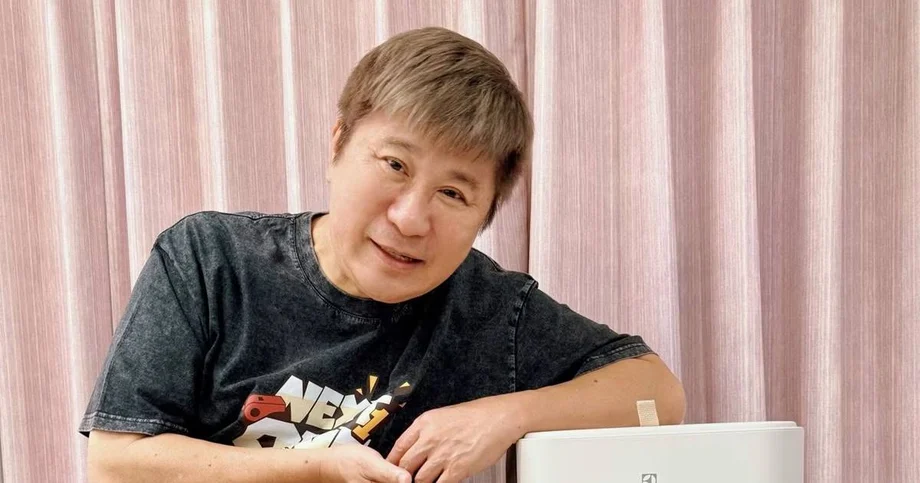
Taiwan entertainer Hu Gua bought five lots of Taiwan Semiconductor Manufacturing Co. shares on Nov. 19, paying about NT$2,100 a share and investing roughly NT$10.5 million. The next day, Taiwan's benchmark stock index fell 2,393.60 points, and the combined value of his reported 35 lots of TSMC and 170 lots of the Yuanta Taiwan 50 exchange traded fund was estimated at about NT$84.35 million, using Nov. 20 closing prices.
Contents
The Taiwan Stock Exchange's November trading data show the TAIEX closed at 36,033.29 on Nov. 20, down 6.23% for the day. It had already fallen 1,768.02 points on Nov. 19. The two days brought the index down from 38,426.89 to 36,033.29.
Hu, who has also said he owns 30 lots of electronics components maker Yageo, described himself as willing to wait through the volatility. The estimated NT$84.35 million covers only the reported TSMC and Taiwan 50 holdings, not his Yageo shares or other assets. A lot on the Taiwan market usually represents 1,000 shares, so five TSMC lots bought at about NT$2,100 each cost around NT$10.5 million before fees.
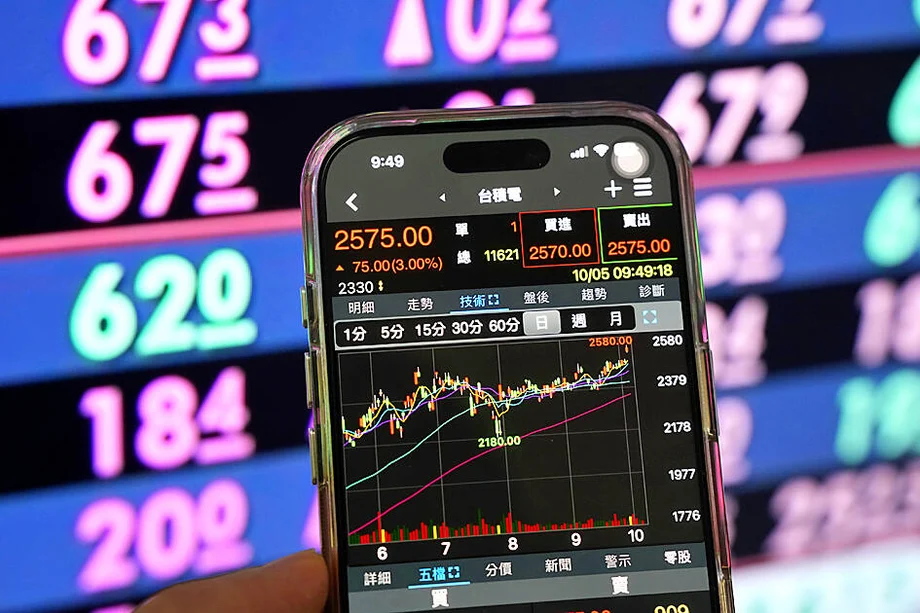
The market's steep fall put those personal figures against a day of heavy selling across Taiwan shares. The exchange recorded trading volume of 17.09 billion shares and trading value of NT$935.31 billion on Nov. 20. The Nov. 20 market rout also pushed TSMC down to NT$2,000 at the close.
How his holdings add up
Hu said he held more than 30 lots of TSMC and more than 170 lots of Yuanta Taiwan 50, commonly called 0050. Based on the stated 35 and 170 lots, the two positions were valued together at about NT$84.35 million at the Nov. 20 close. That is an estimate of market value, not the amount he originally paid or a measure of his total wealth.
A separate estimate using Nov. 18 prices put the two holdings at about NT$92.11 million. The difference reflects falling share prices and different calculation dates. On Nov. 20 at 11:30 a.m., TSMC was reported at NT$2,000 and 0050 at NT$85.15. Using those midday prices, the estimated value of the two positions was about NT$7.29 million lower than the earlier reference estimate, a decline of about 7.9%.
That midday calculation and the closing estimate use different points in the trading day. The TSMC price of NT$2,000 was also its closing price on Nov. 20, while the 0050 figure of NT$85.15 was reported during the session. Investors' account values move with prices, so estimates based on a morning snapshot can differ from calculations made at the close.
From early TSMC purchases to repeated trades
Hu's relationship with TSMC shares stretches back decades. He has said he bought shares in 2006 and 2007 at about NT$64 each, intending to keep them for years. The shares were frequently traded through his broker, however, and he sold his holdings before the global financial crisis.
He later returned to the stock, buying at different prices and sometimes selling part of his holdings when the price rose. Hu has described buying around NT$280 and selling near NT$330, then buying again around NT$270. Other accounts of his investing history say he bought below NT$200 and later sold some shares when prices were between NT$1,600 and NT$1,700. At his peak, he said, he held more than 80 lots.
Those trades show two approaches in his account: keeping shares for a long period and buying or selling in stages as prices move. Hu has also said TSMC's quarterly dividends matter to him, and that he calculates the payments. He has not given a specific total for his investment gains.
Why he keeps 0050 and Chunghwa Telecom
Hu has named 0050 and Chunghwa Telecom as holdings he is comfortable keeping for years. He said he has owned 0050 since before it underwent a share split and has continued to hold it. A share split changes the number of shares and the price of each share in a set ratio; it does not, by itself, change the total value of an investor's holding.
Unlike buying shares in one company, an exchange traded fund such as 0050 gives an investor exposure to a basket of stocks through a single listed fund. That can spread an investment across several companies, though its value still rises and falls with the shares it holds. Hu's account does not specify the exact number of fund units he owns beyond the reported 170 lots.
His preference for keeping 0050 alongside individual TSMC shares combines a fund holding with a direct investment in one company. Chunghwa Telecom is another individual stock he has praised as suitable for long term ownership. The reported comments do not give the size or current value of his Chunghwa Telecom position.
Yageo is the holding that turned red
Hu's investments have not all moved in his favour. He said he bought 10 lots of Yageo when the share price was above NT$600, then added more when it fell below NT$500. He has described his total holding as 30 lots. Yageo closed at NT$322.50 on Nov. 19, well below the prices he cited for his purchases.
Hu joked that his face had turned green and used the Taiwanese expression for being stuck in a losing investment, saying he was "living in a suite." The phrase describes a position whose market price has fallen below the investor's purchase cost. He said he would leave the shares alone for two or three years and treat the money as if it were sitting in a bank.
That comparison describes his intended patience, not a bank deposit: a stock can keep changing in value, and its eventual price is uncertain. Hu's comments do not state his exact purchase costs for all 30 lots or the size of his unrealized loss.
His rule: invest only money he can afford
Hu says he does not borrow money to invest and does not use margin financing, which lets investors borrow from a broker to buy more shares. Borrowing can magnify gains when prices rise, but it can also magnify losses and leave an investor owing money even after a share price drops.
The entertainer said he invests only with money he can afford to set aside. He also advises against checking prices every day after buying a company he believes in. His phrase for this is to learn to be like someone with "amnesia," leaving the shares alone rather than allowing daily price changes to drive decisions.
Hu has also said he is less interested in chasing every possible gain now and wants to focus on his entertainment work. His approach still includes active trades, as the Nov. 19 TSMC purchase shows, but he presents borrowing and money pressure as risks that could make it harder to wait through a downturn.
Key dates in Hu's investment story
2006 and 2007: Hu says he bought TSMC shares at about NT$64, then sold his holdings before the global financial crisis after frequent trading through his broker.
Later years: He returned to TSMC, used staged purchases and sales, and at one point held more than 80 lots.
Nov. 19, 2026: Hu bought five lots of TSMC at about NT$2,100 per share, investing roughly NT$10.5 million. The TAIEX closed down 1,768.02 points.
Nov. 20, 2026: The TAIEX fell another 2,393.60 points to 36,033.29. The reported 35 lots of TSMC and 170 lots of 0050 were estimated to be worth about NT$84.35 million at the close.
What to Know
Hu bought five lots of TSMC on Nov. 19 for about NT$10.5 million.
His reported 35 lots of TSMC and 170 lots of 0050 were estimated at about NT$84.35 million at Nov. 20 closing prices.
The TAIEX fell 2,393.60 points on Nov. 20, after dropping 1,768.02 points the previous day.
Hu has also said he owns 30 lots of Yageo, bought at prices above NT$600 and below NT$500, and plans to hold them for two or three years.
He says he avoids borrowing and margin financing, uses money he can afford to invest, and tries not to let daily price moves unsettle him.