A court ruling sets off a fight over the judiciary
South Korea's Democratic Party voted on November 20 to make impeachment of Chief Justice Jo Hee-de its official position, less than a day after the Supreme Court issued a ruling in the case of former Prime Minister Han Duck-soo. It is the first time a governing party has moved to impeach a sitting chief justice.
Contents
- A court ruling sets off a fight over the judiciary
- What reasons does the party give?
- How would impeachment work?
- Why is the court's independence at stake?
- What do the opposition and smaller parties say?
- Why is Jo's remaining term part of the argument?
- Has a chief justice been impeached before?
- What happens next?
- Key Points
The Supreme Court's full bench found Han guilty of taking part in an insurrection, while sending some parts of his case back to the Seoul High Court with guidance pointing toward acquittal on those allegations. The text of the ruling and the court's reasoning are not provided here. The Democratic Party's decision came about 21 hours after the ruling. Its leaders say the court's handling of major cases and other alleged conduct by Jo require action. Opponents say targeting the head of the judiciary threatens the separation of powers.
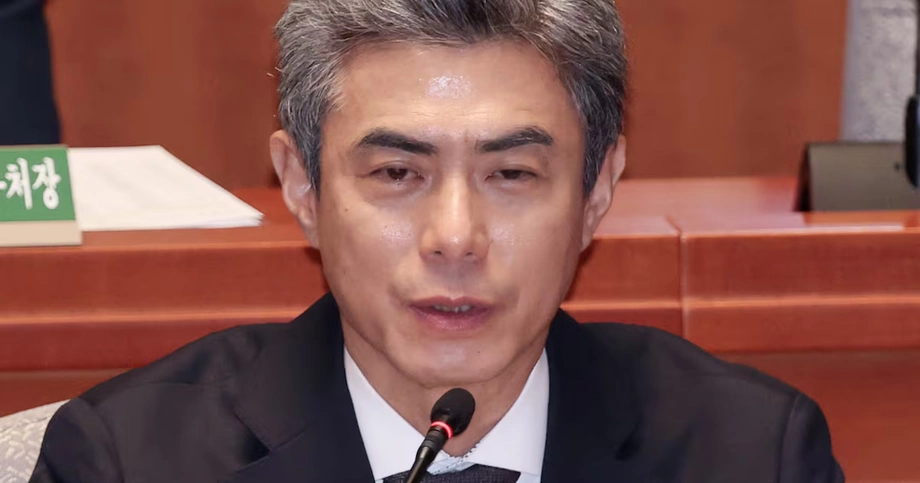
The party named lawmaker Yang Bu-nam, a former prosecutor general, to lead a group preparing the impeachment motion. Yang said it would be introduced and put to a vote as soon as possible, adding that the process would not carry over into the new year. That points to a possible vote during a December parliamentary session, although a date has not been set.
The conflict follows months of debate over Jo's leadership, including calls by a smaller opposition party for his resignation and a draft impeachment motion. The Democratic Party had not adopted impeachment as its official position at that point, as the earlier impeachment campaign showed.
What reasons does the party give?
Yang listed several possible grounds for the motion: the judiciary's response to the declaration of martial law on December 3, 2024; alleged procedural problems in the Supreme Court's review of President Lee Jae-myung's election law case; a dispute over the chief justice's role in recommending Supreme Court justices; alleged misuse of official spending; and Jo's refusal to testify or take an oath in parliament.
The grounds are still being discussed inside the party. Yang first said the Han ruling itself was not a reason for impeachment, then said the party's working group believed it should be considered. He argued that the Supreme Court's decision on Han's actions before the martial law declaration was wrong, and said the minority opinion in that case better matched public sentiment.
Those changing statements have made the Han ruling central to the dispute, even as the party's proposed grounds include other issues. The party's leader, Kim Min-seok, described the judgment as "historical treason." He said Democratic Party leaders had held back from impeachment for political reasons, including a focus on people's livelihoods, but that the ruling made it harder to delay what he called a historic decision.
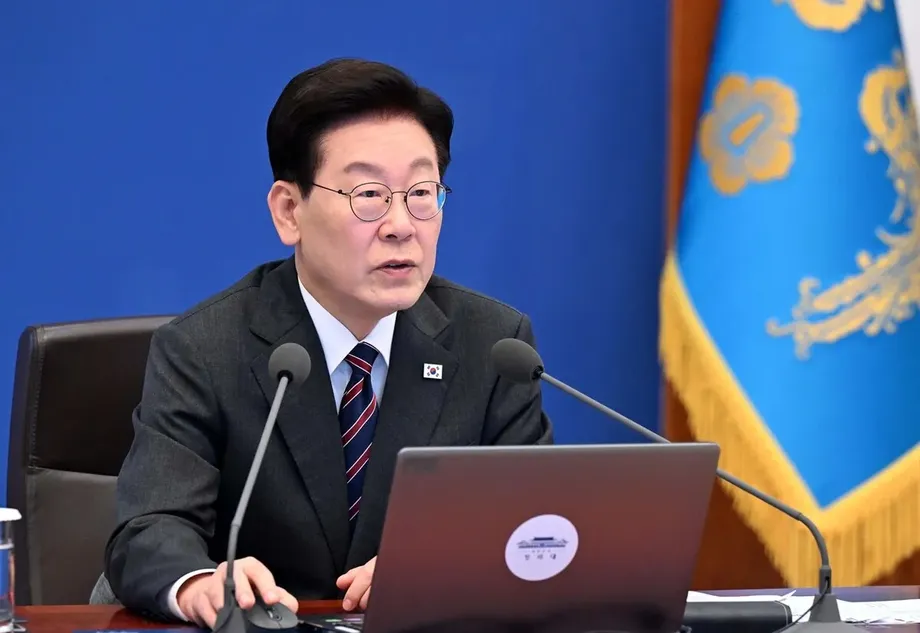
One disputed issue concerns a Supreme Court ruling in Lee's election law case. In May 2025, the court overturned an earlier decision that had cleared Lee and sent the case back to a lower court with guidance pointing toward a guilty verdict. The Seoul High Court postponed the proceedings indefinitely after Lee won the presidency the following month.
How would impeachment work?
At least one third of all National Assembly members must support introducing an impeachment motion. A majority of the full membership must then vote for it to pass. Because the Democratic Party holds a majority, it could advance the motion without opposition party votes.
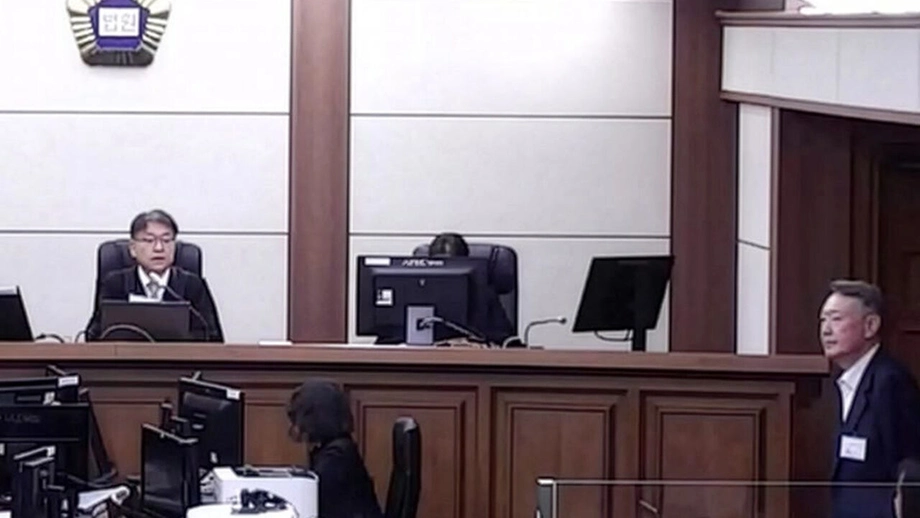
Passage would immediately suspend Jo from exercising his duties while the Constitutional Court considers the case. The court has up to 180 days from receiving the case to decide whether to uphold or reject the impeachment. At least six of its nine justices must support removal for Jo to be dismissed.
Suspension and removal are different steps. A parliamentary vote could take Jo out of his role while the court's review is under way, even though the court has not yet decided whether the alleged conduct meets the legal threshold for removing him. The Constitution requires a basis for impeachment in a violation of the Constitution or law while carrying out official duties.
Jo's term is due to end in June 2027. Some Democratic Party lawmakers have argued that passing the motion could keep him out of office for the rest of his term even if the Constitutional Court does not remove him. The outcome of the court process, and whether it would finish before his term ends, remains uncertain.
Why is the court's independence at stake?
South Korea's Constitution protects judges' independence, directing them to rule according to the Constitution and laws and their conscience. Legal critics of the impeachment plan say using a judge's handling or outcome of a case as a reason to remove that judge could conflict with this protection. The dispute is therefore about both Jo's conduct and how far lawmakers can go in challenging judicial decisions.
Democratic Party lawmaker Kwak Sang-eon has voiced a similar concern inside the party. He sent fellow lawmakers a message saying that a judge cannot be impeached simply because of the contents of a ruling. The party has not settled its final list of allegations, and the draft motion has not yet been introduced.
Claims about Jo's response to martial law also face a complication: a special counsel investigating the insurrection allegations closed that part of the inquiry with a finding of no suspicion, while a second comprehensive special counsel dismissed the matter. Those outcomes are part of the record lawmakers will have to consider as they prepare the case. The December 15, 2025, final findings of Cho Eun-seok's insurrection special-counsel team said it found no evidence, after questioning court administration and martial-law-command officials and checking communications, that Chief Justice Jo Hee-de or court administration chief Chun Dae-yup had held a meeting to prepare or discuss a response to martial law. The team said Jo arrived at the Supreme Court at about 12:40 a.m. on December 4, Chun at about 12:50 a.m., and martial law was lifted at 1:03 a.m.; it also said the court refused a request from martial-law command to send a liaison officer. The team dismissed the related allegations against Jo and Chun, as well as abuse-of-authority allegations against Judge Ji Gwi-yeon.
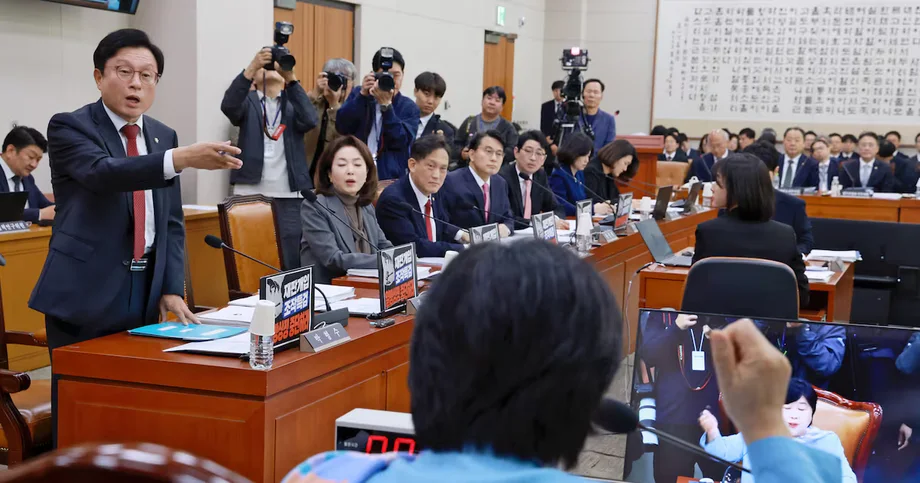
Democratic Party supporters argue that impeachment is justified by a pattern of conduct, including the judicial response to martial law, the election case and other alleged misconduct. Opponents counter that punishing a chief justice over court decisions could pressure judges to consider political consequences when ruling.
What do the opposition and smaller parties say?
The People Power Party has condemned the move as a direct challenge to the separation of powers. Its floor leader, Jeong Jeom-sik, said the impeachment push was "a frenzy and a national tragedy." He also accused the governing party of seeking revenge for the Supreme Court's decision in Lee's election case.
Jeong called on the courts to resume Lee's election case before special prosecutors could erase or end his five pending trials. Those comments reflect the opposition's argument that the impeachment campaign is connected to the president's legal position. The Democratic Party says the previous day's ruling created the grounds and urgency for its decision.
Other political figures have taken different positions. Reform Party lawmaker Lee Jun-seok said that if Jo were impeached, the Seoul High Court should proceed with Lee's returned election case. Former lawmaker Yoo Seung-min argued that there was no valid basis for impeachment and mocked the possibility of relying on official spending allegations as an open ended justification.
Cho Kuk Innovation Party leader Shin Jang-sik urged the National Assembly to receive a motion immediately and hold a vote on Saturday. His party has supported impeachment, while the People Power Party and other conservative politicians have opposed it. No parliamentary timetable has been confirmed.
Why is Jo's remaining term part of the argument?
The timing has drawn attention because Jo is due to leave office in June 2027. Some Democratic Party lawmakers say suspension after a parliamentary vote could remove him from his duties, including his role in court administration and appointments, for the remaining months of his term. That potential effect matters even if the Constitutional Court later rejects the case.
Some lawmakers and political observers have described the campaign as a warning to the judiciary or a way to unite Democratic Party supporters. The party is also dealing with internal tensions. Its leadership rejects the claim that impeachment is a political calculation and says the Supreme Court's Han ruling made action necessary.
The presidential office said it had no special position on Jo or the Supreme Court. That leaves the parliamentary parties, the chief justice and the Constitutional Court at the centre of the next stages.
Has a chief justice been impeached before?
No South Korean chief justice has been removed by the Constitutional Court. The current effort would be the second time a motion to impeach a chief justice has been introduced, if the Democratic Party files its plan.
In 1985, lawmakers introduced a motion against then Chief Justice Yoo Tae-heung, accusing him of unfair personnel actions involving lower court judges. The National Assembly rejected it. In 2009, lawmakers proposed impeaching Supreme Court Justice Shin Young-cheol over allegations that he interfered in trials linked to protests against US beef imports. That motion expired when the Assembly did not vote within 72 hours.
The earlier cases show that introducing a motion is not the same as removing a judge. In Jo's case, the Democratic Party has the votes to pass the parliamentary stage, but the Constitutional Court would still have to decide whether the allegations meet the constitutional standard for removal.
What happens next?
The Democratic Party's working group must settle the allegations and prepare the text before it is introduced. Yang has said the party intends to act before the end of the year. The smaller Innovation Party wants a faster vote, while the People Power Party is preparing to oppose the motion.
If the Assembly approves impeachment, Jo's duties would be suspended immediately and the case would go to the Constitutional Court. If the court rejects the case, Jo would return to his role if he still had time left in his term. If at least six justices uphold the motion, he would be removed.
The immediate test is whether the Democratic Party can turn its decision into a formal motion and pass it before year's end. The larger test would then move to the Constitutional Court: whether the alleged actions amount to a breach of the Constitution or law in the performance of Jo's duties.
Key Points
- The Democratic Party adopted impeachment of Chief Justice Jo Hee-de as its official position on November 20, after the Supreme Court's ruling in former Prime Minister Han Duck-soo's case.
- The party has cited the judiciary's martial law response, court rulings, judicial appointments, official spending and Jo's conduct before parliament. Its final grounds are not yet settled.
- A majority of National Assembly members can pass the motion. Approval would suspend Jo while the Constitutional Court reviews the case.
- At least six of the Constitutional Court's nine justices must uphold impeachment for Jo to be removed. His term ends in June 2027.
- The People Power Party says impeachment threatens judicial independence. A parliamentary vote date has not been announced.