A reset in relations meets practical tests
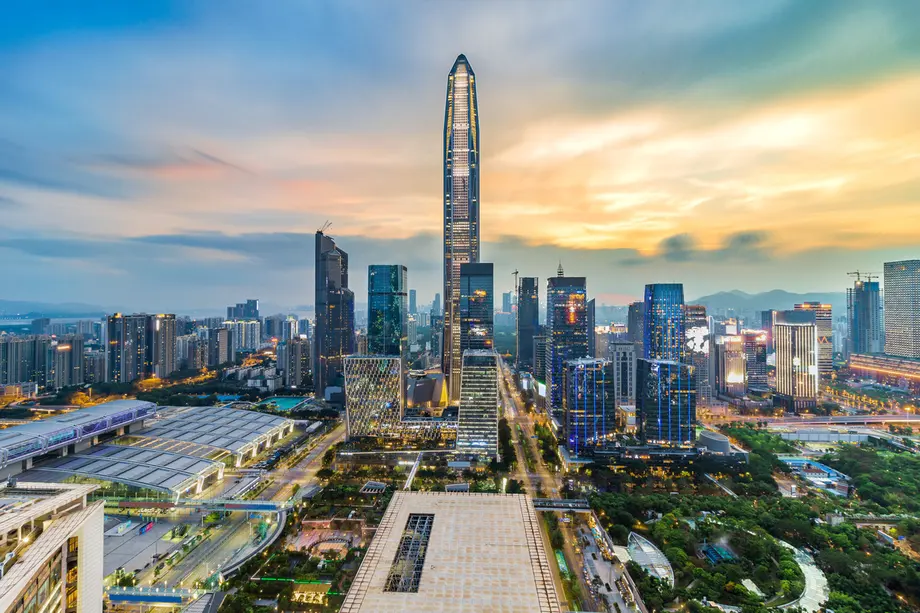
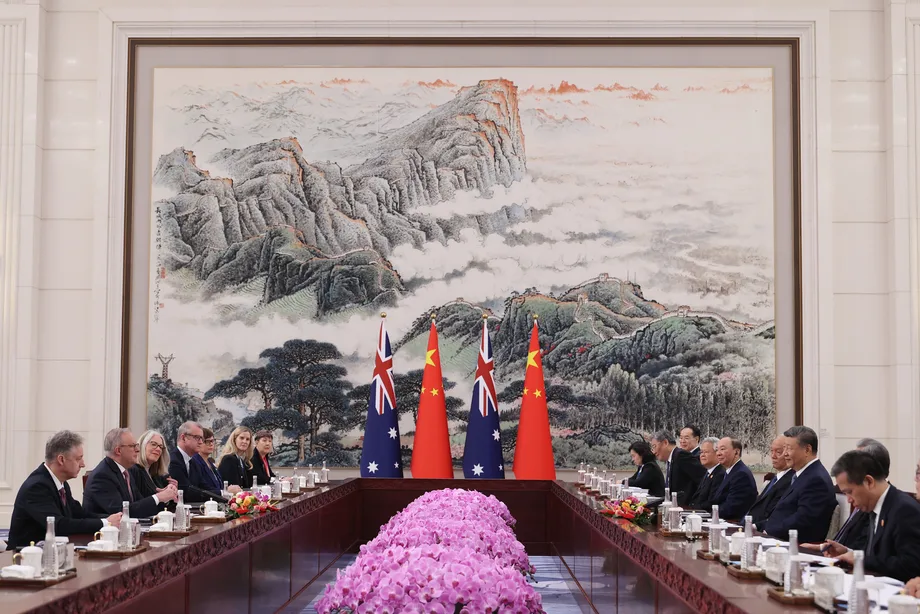
Chinese President Xi Jinping met Australian Prime Minister Anthony Albanese in Shenzhen on November 20, 2026, as the leaders sought to turn a recent improvement in relations into more cooperation on trade, artificial intelligence and climate change. Their meeting took place during the Asia-Pacific Economic Cooperation leaders' gathering, with Albanese also due in Beijing for talks with Premier Li Qiang and a business meeting.
Contents
- A reset in relations meets practical tests
- What does a "full turnaround" mean?
- Which areas are set for more cooperation?
- Why is 2027 a milestone?
- What are businesses seeking in Beijing?
- How do security disagreements sit alongside trade?
- What did the leaders agree on internationally?
- Key dates in the relationship
- What to Know
Xi said the relationship was stable and described the two countries as having no historic grievances or fundamental conflicts of interest. He called for them to become partners that trust one another and help each other succeed. Albanese said closer ties served both countries and that differences could be handled through direct discussion.
The meeting brought together two countries with a large economic connection and different security concerns. China is Australia's biggest trade partner. At the same time, Canberra works closely with the United States and other partners on regional security, while Beijing has objected to some of Australia's defence and technology cooperation.
The leaders' agenda therefore joined immediate economic opportunities with the harder task of keeping disagreements from derailing contact. A joint outcomes statement issued on November 20 set out plans ranging from a new AI dialogue to cooperation on cleaner steel production and border enforcement.
"China and Australia should be cooperative partners who trust each other and help each other succeed," Xi said.
What does a "full turnaround" mean?
Xi described the relationship as having made a "full turnaround" since it deteriorated during the previous Australian government. He said exchanges and cooperation had continued to deepen. Xi also said he and Albanese had met four times since the prime minister took office in 2022. Some accounts count the Shenzhen meeting as their fifth encounter, reflecting a difference in how earlier meetings are included.
The earlier strain had a direct commercial cost. China imposed restrictions and tariffs on Australian exports after disagreements that included Australia's call for an international inquiry into the origins of COVID-19 and its decision to exclude Chinese telecommunications company Huawei from its 5G network rollout. About A$20 billion worth of Australian exports faced tariffs, including barley, wine, beef, lobster, coal and timber. China has since removed many of the trade barriers, though beef duties of 55 percent remained in place under a quota system.
The recovery matters to Australian exporters because China buys a large share of the country's products. About one quarter of Australia's exports go to China, and roughly three quarters of its iron ore exports are sold there. Iron ore is a key material used to make steel, so its trade links Australian mining jobs and revenue to Chinese construction and manufacturing.
Albanese said Australia had worked hard to stabilise relations with its major trading partner. He described the relationship as calm and said it should not be defined by differences. Xi, for his part, called for both sides to respect each other's core interests while maintaining cooperation.
Which areas are set for more cooperation?
Xi urged the two countries to build on established trade in agriculture, energy and minerals, while widening work in newer fields. The proposed areas include the green economy, renewable energy, digital industries, artificial intelligence and responses to climate change. These plans combine sectors where the two economies already trade with technologies and industries that governments are trying to develop.
Albanese said Australia was ready to keep up regular contact between leaders and officials and to expand practical cooperation in trade, investment and AI. He also restated Australia's commitment to its One China policy and said disagreements should be managed carefully. The two governments reaffirmed their support for the comprehensive strategic partnership and said they would protect their national interests while managing differences.
The joint statement says the countries will establish an AI dialogue mechanism. Officials are to exchange views on AI safety, governance and applications. A dialogue is a formal channel for governments to discuss a subject; it can support cooperation even when the countries take different positions on wider technology policy.
The leaders also issued a joint statement on climate change and the transition to clean energy. They welcomed work on reducing emissions from steelmaking, including a first policy dialogue held in Canberra on November 2. The planned cooperation covers technology, markets for lower emission steel, and trusted standards and methods for measuring emissions.
For companies, common methods of measuring emissions can make it easier to compare products and show how much pollution was produced during manufacturing. The leaders said they wanted practical cooperation across the steel value chain, while also continuing trade in energy and resource products on market terms.
Why is 2027 a milestone?
China and Australia will mark 55 years of diplomatic relations in 2027. Xi called for the anniversary to become a new starting point for progress, and both governments said they would continue developing the relationship. They also designated 2027 as the China Australia Year of Tourism, with another tourism dialogue planned in Australia that year.
The tourism year is intended to encourage more travel and cultural contact between the countries. The joint statement also names education, sport, arts, research and aviation as areas for exchanges. Australia welcomed Chinese students and recognised their contributions to Australian society. It also encouraged young Australians to study or undertake internships in China, including in fields connected to the clean energy transition.
Cultural cooperation has specific projects attached. The leaders welcomed voluntary returns of important cultural objects between institutions in the two countries and plans for major museum exhibitions. A Terracotta Warriors exhibition is scheduled to open at the National Museum of Australia in Canberra in December 2026. An exhibition called "The Road of Songs" is planned for China's National Museum in 2027.
The statement also records progress on health cooperation, including the conclusion of talks on a memorandum of understanding between the two countries' health departments. Possible areas of exchange include mental health and hearing health. In law enforcement, the governments said they would continue cooperation against illegal tobacco trade, organised crime across borders, cybercrime and telecommunications fraud.
What are businesses seeking in Beijing?
Albanese's visit included a business roundtable with Australian and Chinese executives. Major Australian mining companies BHP and Rio Tinto were among the businesses expected to take part. Australian companies have been seeking greater certainty in trade and investment, including improved access for agricultural exports and fewer barriers for medical technology firms.
Australian business representatives have identified beef and rice market access as priorities. Companies in medical technology, including hearing implant maker Cochlear, have sought the removal of trade barriers and better recognition of Australian professional qualifications. The joint statement welcomed ongoing review of the China Australia Free Trade Agreement, which governs trade rules between the two countries.
The roundtable also gave business leaders a chance to discuss AI, agriculture and steel. Possible uses for AI on farms include analysing information about crops and supply chains to improve productivity. For mining and steel companies, the focus is how to reduce emissions while keeping production and trade commercially workable.
Beijing's centralised iron ore buying has also made negotiations with Australian miners more difficult. China Mineral Resources Group, a state buyer, has increased its role in purchasing iron ore, giving China more bargaining power in contract discussions. Australia's resources minister has warned that any manipulation of iron ore trade would break international rules and threaten government revenue.
How do security disagreements sit alongside trade?
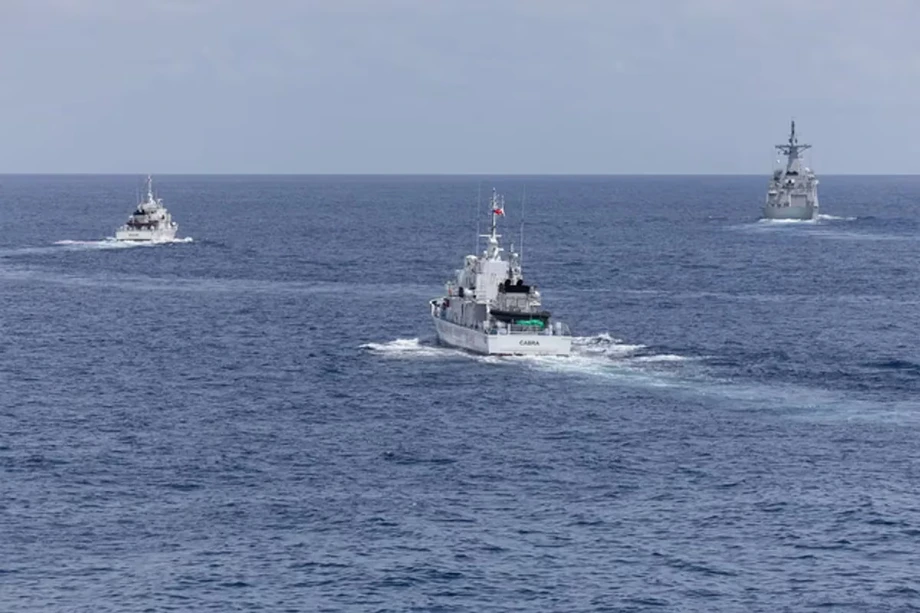
Economic ties have improved while strategic concerns remain. Australia has strengthened defence cooperation with the Philippines and works with the United States, Japan and India through the Quad, a four country partnership. Just days before travelling to China, Albanese joined a Quad meeting in Manila where leaders announced plans for a joint exercise next year.
Australia has also signed a US led agreement on protecting technology and supply chains used to develop advanced AI. Those steps come as Canberra seeks wider economic cooperation with Beijing. Before meeting Xi, Albanese said he would discuss the planned military exercises and his government's intention to end Chinese company Landbridge's 99 year lease of the Port of Darwin. The lease dispute is tied up in legal action, and its final outcome was not set out in the leaders' meeting statement.
Albanese has also spoken publicly about Russia's war in Ukraine. At the APEC gathering, he said Russia needed to stop the war and defended his decision to state Australia's position directly. He said dialogue was preferable to conflict and that Australia could discuss difficult issues with China directly.
The mix of trade, security and diplomacy shows why both governments stress managing differences rather than waiting for them to disappear. Australia relies heavily on sales to China, while it also maintains close security partnerships with Washington and other regional governments. China has its own concerns about those partnerships and about cooperation on advanced technology.
What did the leaders agree on internationally?
Xi called for China and Australia to coordinate more closely on global challenges and support an Asia Pacific community. He said they should uphold an international system centred on the United Nations and an international order based on international law.
The joint statement says the two countries will continue working together through the United Nations, the World Trade Organization, the Group of 20, APEC and the East Asia Summit. Australia congratulated China on hosting the APEC leaders' meeting in Shenzhen. Both governments welcomed the meeting's Shenzhen Outlook and backed practical work on regional connections, digital trade, the digital economy and AI.
Those forums allow governments to discuss shared rules and cross border issues alongside their direct bilateral talks. The statement also says the countries value cooperation under the Regional Comprehensive Economic Partnership, a trade agreement among Asia Pacific economies.
Albanese praised the APEC meeting and described China as a source of stability in a turbulent world. Xi's call for stronger multilateral coordination echoed that message, while the two leaders' separate security positions showed the limits of their agreement.
Key dates in the relationship
The November meeting was part of a sequence of diplomatic and practical steps, with further talks already planned:
November 2, 2026: The first China Australia steel decarbonisation policy dialogue was held in Canberra.
November 20, 2026: Xi met Albanese in Shenzhen during the APEC gathering. Albanese also travelled to Beijing for talks with Premier Li Qiang, while National People's Congress Standing Committee Chairman Zhao Leji met him.
December 2026: The Terracotta Warriors exhibition is scheduled to open in Canberra, and a new round of the Australia China High Level Dialogue is planned in Australia.
2027: The countries will mark 55 years of diplomatic relations, hold the China Australia Year of Tourism and stage the next annual meeting between their prime ministers.
The next major political checkpoint named in the joint statement is the annual leaders' meeting in 2027. It also says relevant bilateral dialogues are expected to resume that year, while the tourism and steel discussions move forward on separate schedules.
What to Know
Xi and Albanese met in Shenzhen on November 20, 2026, and both described stable relations as serving their countries' interests.
The countries will establish an AI dialogue and issued a joint statement on climate change and clean energy.
China Australia trade is recovering, but a 55 percent tariff on Australian beef remained in place.
The leaders designated 2027 as the China Australia Year of Tourism and will hold another annual prime ministers' meeting that year.
Trade cooperation continues alongside disagreements over defence, technology and the Port of Darwin lease.