Another expansion at Yongbyon takes shape
North Korea completed the exterior of another extension to its original uranium enrichment facility at Yongbyon by late October 2026, International Atomic Energy Agency Director General Rafael Grossi told the agency's Board of Governors on November 18. Construction had begun in mid September, adding another building to a nuclear production network that the agency has been tracking without access to the country since 2009.
Contents
- Another expansion at Yongbyon takes shape
- Two construction projects, with different timelines
- How the expansion unfolded
- What 28 centrifuge cascades means
- Monitoring from outside North Korea
- Kangson and other nuclear activity widen the concern
- UN demands meet a firm rejection from Pyongyang
- Possible talks alongside continued construction
- South Korea opens a separate safeguards discussion
- Key Points
The latest work follows the construction of a separate enrichment building at Yongbyon that the IAEA assessed could accommodate up to 28 centrifuge cascades, groups of connected machines that concentrate uranium. At Kangson, near Pyongyang, the agency also observed signs that an expanded facility began operating in January 2026.
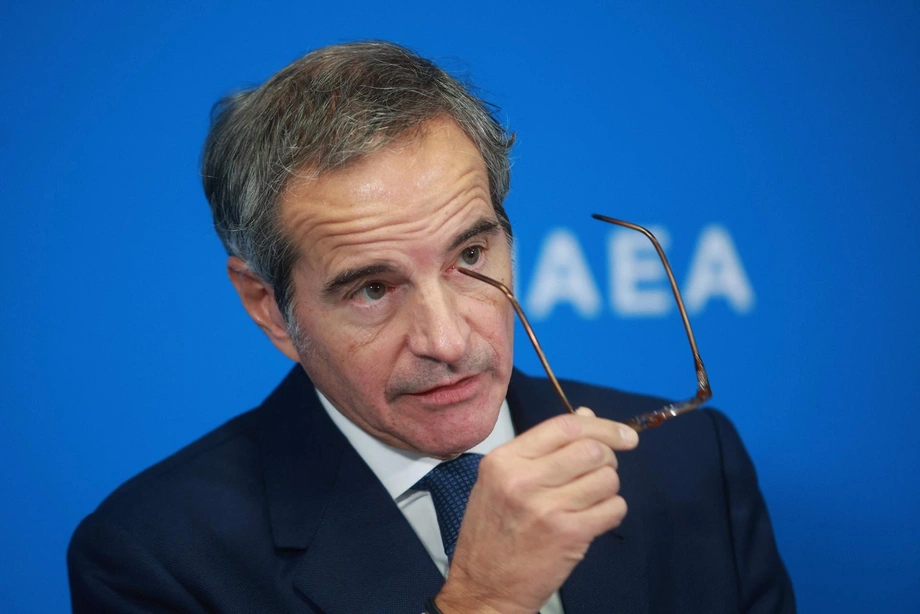
Grossi described the latest construction in his opening statement to the board:
Since mid-September 2026, a further extension to the original Yongbyon enrichment facility has been under construction with the new extension externally complete by late-October 2026.
The IAEA chief also set out the agency's concern about the broader programme, using the initials of North Korea's official name, the Democratic People's Republic of Korea:
The ongoing expansion of the DPRK's uranium enrichment programme remains a cause for serious concern.
The development comes as Pyongyang rejects demands to abandon its nuclear weapons and US President Donald Trump signals interest in another meeting with North Korean leader Kim Jong-un. Together, the construction and the diplomatic statements show the central challenge facing any talks: North Korea's production infrastructure continues to grow while the sides remain far apart over the goal of negotiations.
Two construction projects, with different timelines
Yongbyon's latest extension belongs to the original enrichment facility. The separate building assessed earlier in 2026 is the complex's second identified enrichment facility, with equipment visible on two floors. Keeping those projects separate helps explain how the site has expanded in several stages.
The original facility had already grown between 2021 and 2022, when an annex increased its total floor area by about one third. The IAEA subsequently observed signs of enrichment related activity in that annex. The extension described on November 18 adds another stage to that history.
Construction of the second enrichment building began in December 2024, and its exterior was completed in May 2025. Electrical infrastructure, emergency generators and cooling equipment followed. The agency observed one cooling unit operating early in 2026 and assessed in March that internal equipment installation was under way.
The latest announcement therefore follows earlier expansion at Yongbyon and Kangson, where the IAEA had already identified a growing network of enrichment infrastructure in September 2026. The November statement adds a further extension at the original Yongbyon plant to that picture.
How the expansion unfolded
The agency's observations span several years. The sequence shows construction, equipment installation and signs of operation occurring at different times and locations.
- 2021 to 2022: An annex increased the original Yongbyon enrichment facility's floor area by about one third.
- 2024: An extension was built beside the existing enrichment facility at Kangson.
- December 2024: Construction began on Yongbyon's second identified enrichment building.
- May 2025: Exterior construction of that second building was completed, followed by supporting equipment.
- January 2026: The IAEA observed signs that the Kangson extension had begun operating.
- June 3, 2026: Kim Jong-un visited a newly completed nuclear material production plant that the IAEA identified as the new Yongbyon enrichment facility.
- September 7, 2026: Grossi said the new Yongbyon facility could be operating or close to operation.
- Mid September to late October 2026: Another extension to the original Yongbyon enrichment facility was built and externally completed.
- November 18, 2026: Grossi described the latest extension to the IAEA board.
Yongbyon's earlier construction history also includes facilities that North Korea said it dismantled after negotiations and later restarted in 2021. The present concern extends beyond restarting old infrastructure to adding buildings and supporting systems at multiple sites.
What 28 centrifuge cascades means
The IAEA identified the second Yongbyon enrichment building by comparing satellite imagery with photographs released by North Korea in June. Those photographs showed centrifuge equipment on both floors, and the agency assessed that the building could hold up to 28 cascades of the type pictured.
A centrifuge is a machine that spins uranium gas to help separate different forms of uranium. Connecting many centrifuges in stages creates a cascade, which gradually increases the share of the uranium isotope needed for certain nuclear uses. Higher enrichment can produce material suitable for nuclear weapons.
A cascade therefore means a connected group of machines, rather than a single centrifuge. More cascades operating together can process more uranium over the same period. The IAEA's figure of 28 describes the space available for such groups inside the second building.
The agency has not confirmed the number or performance of centrifuges in each cascade, their operating rate, or the equipment and operating status inside the latest extension. Its assessment gives no production quantity or weapon total for the new building. Those details require information beyond the exterior and the photographs released so far.
North Korean photographs appeared to show centrifuges arranged for producing uranium at a low level of enrichment. The IAEA also considered the possibility that other parts of the building could produce highly enriched uranium. Grossi said the new facility resembled Kangson in both scale and supporting infrastructure.
Monitoring from outside North Korea
IAEA inspectors have been unable to enter North Korea since their expulsion in 2009. The agency instead uses satellite imagery and publicly accessible information, including photographs and statements released by North Korean authorities.
Satellite images can reveal buildings, cooling equipment, electrical installations and changes around a facility. Comparing images over time helps the agency track construction and identify activity consistent with operation. Photographs taken inside a building can provide another piece of the picture when its location can be matched to satellite images.
Grossi's September assessment drew on several such observations. Asked on September 7 whether the new Yongbyon building was operating, he described the agency's judgement:
The report includes a number of elements that lead to believe that the facility could be operational or very close to it…
Physical inspections would allow the agency to examine equipment, nuclear material and operating records directly. Until access resumes, its assessments depend on combining visible changes with other public information. Grossi said the IAEA was maintaining strengthened readiness for possible future verification of North Korea's nuclear programme.
Kangson and other nuclear activity widen the concern
Kangson's expansion matters because the increase in infrastructure extends beyond Yongbyon. The IAEA observed signs of operation from January 2026 in the extension built there in 2024. North Korea is also believed to have enrichment facilities at Kusong, although the latest statement gave no comparable construction details for that site.
Yongbyon's original enrichment facility continued to show signs of operation during the period covered by the agency's earlier assessment. The addition of another building and the latest extension place further infrastructure alongside that existing activity.
The agency also tracked activity involving plutonium, another material that can be used in nuclear weapons. It reported indications that work to separate plutonium from used nuclear fuel, a process called reprocessing, had been completed.
Grossi said in September that Yongbyon's reactor with a capacity of 5 megawatts appeared to remain in operation during its seventh fuel irradiation cycle. An irradiation cycle is the period when fuel is exposed to the reactions inside a reactor. He also said the site's light water reactor appeared to have restarted after late April.
Uranium enrichment and plutonium separation use different processes. Tracking both gives the IAEA a broader view of the infrastructure through which North Korea can produce nuclear material.
UN demands meet a firm rejection from Pyongyang
IAEA member states expressed growing concern about North Korea's increased nuclear activity in a resolution adopted at their annual conference in September 2026. The agency's annual conference has repeatedly called attention to the country's nuclear weapons programme.
Those resolutions reaffirm demands under UN Security Council resolutions for North Korea to abandon its nuclear weapons and nuclear programmes completely, verifiably and irreversibly. North Korea remains subject to multiple UN sanctions over its weapons development. Grossi has described the continued development of its nuclear programme as a clear violation of the relevant Security Council resolutions.
Kim Yo-jong, a senior Workers' Party official and the sister of Kim Jong-un, rejected the calls for denuclearization. In a statement, she described North Korea's status as a state possessing nuclear weapons as "absolute", called those hoping for denuclearization "idiots" and dismissed the efforts discussed at the IAEA conference as "familiar silly talk".
Pyongyang's position leaves a direct gap between the international demand for dismantlement and its own declared intention to retain nuclear weapons. For any future negotiations, the immediate practical issue is what restrictions North Korea would accept on facilities that are still being expanded.
Possible talks alongside continued construction
Trump has hinted at a possible meeting with Kim Jong-un during travel to Asia, with Shenzhen, China, where the Asia-Pacific Economic Cooperation summit is being held, mentioned as a possible setting. No confirmed meeting date or agreed agenda was announced.
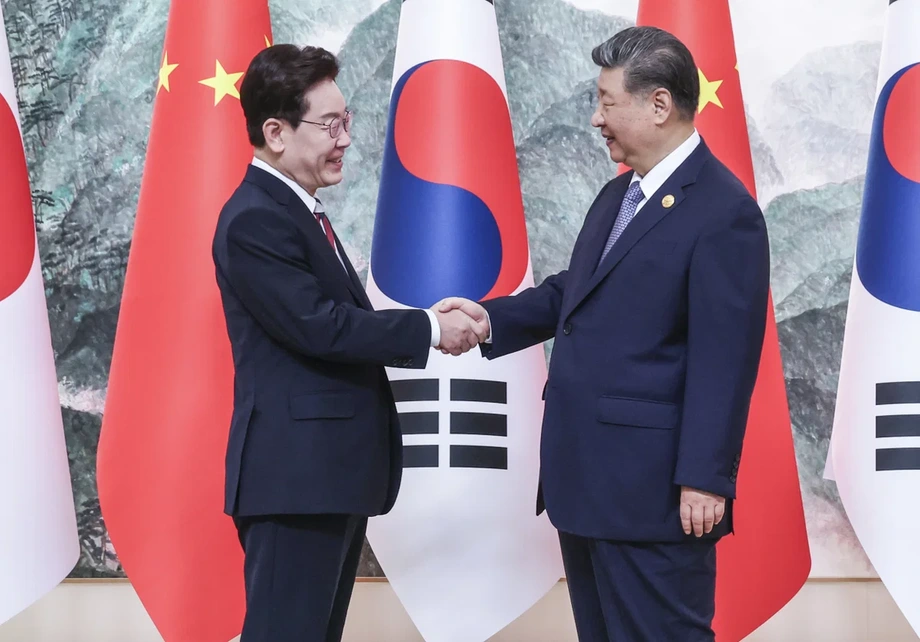
South Korean President Lee Jae-myung had proposed talks in August on formally ending the Korean War, presenting dialogue as a way to discuss effective measures to curb North Korea's growing nuclear capability. North Korea had not responded to that proposal.
Lee has also expressed support for a possible agreement between Trump and Kim to freeze North Korea's nuclear programme. A freeze would seek to stop specified activities or expansion, while denuclearization seeks the removal of nuclear weapons and the programmes supporting them.
The IAEA's construction record shows why the details would matter. An agreement covering only one building would leave other facilities and activities to be addressed. Monitoring arrangements would also need to account for enrichment at multiple sites and the separate production route involving plutonium.
South Korea opens a separate safeguards discussion
Grossi's September remarks also described a separate development involving South Korea. Seoul formally notified the IAEA that it intended to begin consultations on an arrangement under Article 14 of its Comprehensive Safeguards Agreement, in connection with plans for submarines powered by nuclear reactors.
Article 14 provides a process for arrangements involving nuclear material used in a permitted military activity, such as naval propulsion. South Korea submitted relevant declaration information and reaffirmed its obligations under the Nuclear Non-Proliferation Treaty, its safeguards agreement and its Additional Protocol.
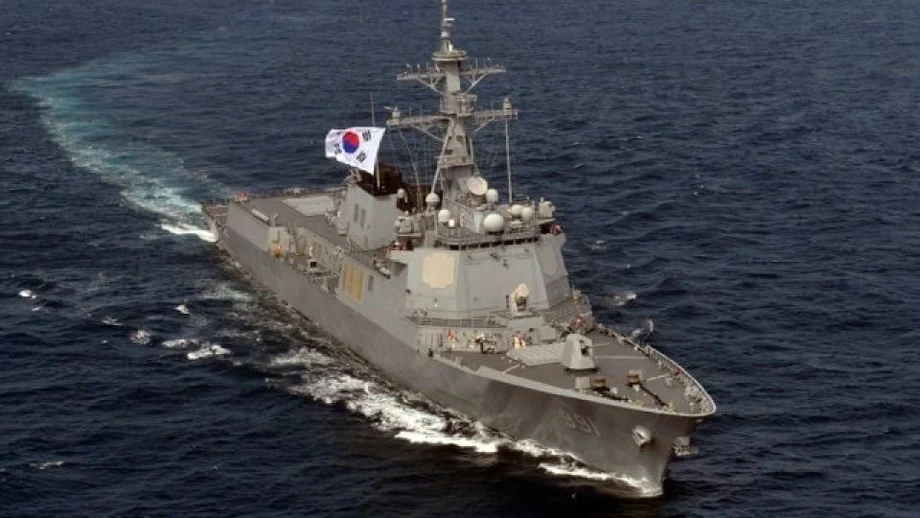
South Korea's Defence Ministry said in May that it aimed to launch its first submarine powered by a nuclear reactor by the mid-2030s and bring it into service later that decade. The ministry presented longer underwater endurance and greater mobility as capabilities for responding to threats including North Korean missiles launched from submarines.
That process places South Korea's proposed naval programme within consultations with the IAEA. For North Korea, the agency's immediate task remains monitoring an expanding nuclear programme from outside the country while preparing for any future return of inspectors.
Key Points
- The exterior of another extension to Yongbyon's original enrichment facility was completed by late October 2026, Grossi said on November 18.
- A separate Yongbyon enrichment building could accommodate up to 28 centrifuge cascades, according to the IAEA.
- The agency observed signs of operation at an expanded Kangson facility from January 2026.
- IAEA inspectors have had no access to North Korea since 2009 and rely on satellite imagery and public information.
- North Korea continues to reject denuclearization demands, while a possible Trump meeting with Kim remains unconfirmed.