A proposal to make medical admissions depend on more than one exam
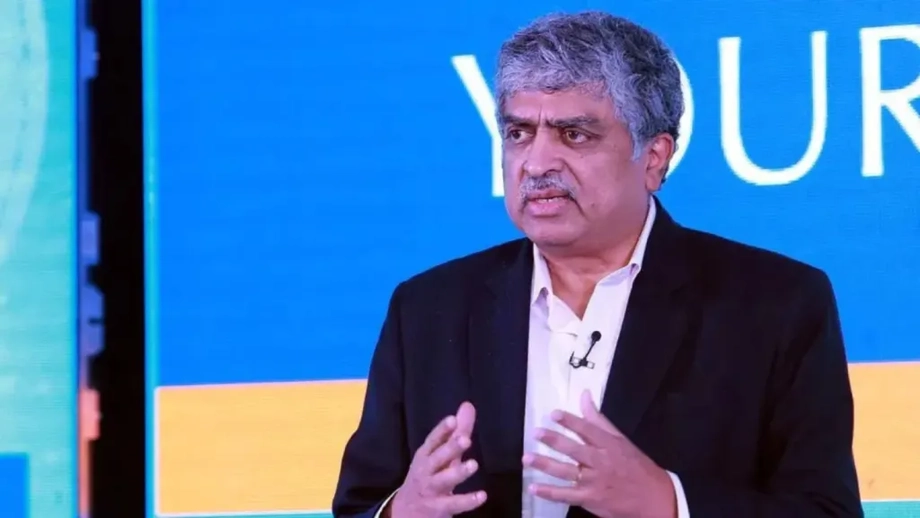
Several Indian states have proposed counting Class 12 board examination marks towards medical admissions and holding the National Eligibility-cum-Entrance Test Undergraduate (NEET UG) more than once a year. The proposals are before a six-member task force chaired by Infosys co-founder Nandan Nilekani, whose deadline has been extended from October 2026 to January 2027.
Contents
- A proposal to make medical admissions depend on more than one exam
- Why states want school marks to count
- More attempts could offer another chance within the year
- Tamil Nadu seeks a different admission system
- Could students take NEET on a computer?
- A centre in every district
- How the panel wants to protect question papers
- Who is reviewing the proposals, and when?
- What candidates should watch for
- Key Points
The panel has received more than 50,000 suggestions from students, parents, teachers, educational institutions, subject experts, industry organisations and examination agencies. Its discussions cover both how students are selected and how question papers can be protected against leaks.
States are also seeking better access to examination centres, investment in computers and a possible gradual move away from the existing pen-and-paper test. Most southern states have supported computer-based testing, while Tamil Nadu has taken a different position: it wants NEET and similar entrance examinations scrapped in favour of admissions based on Class 12 marks.
The central issue is how much a student's chance of entering medical college should depend on performance in one examination. The proposals would spread that assessment across school results, additional entrance test opportunities, or both. They remain under consideration, and candidates should continue preparing under the existing NEET UG rules until the authorities announce formal changes.
Why states want school marks to count
Several states told the task force that heavy dependence on NEET encourages students to put coaching ahead of regular school education. Their proposal would give Class 12 results a defined share of the admission score, rather than making entrance examination performance the sole deciding measure.
Weightage means that different results contribute specified portions of a final score. Under the approach being discussed, school board marks would have a direct role in selection alongside NEET performance. Students would therefore have an admission incentive to maintain their attention to school examinations.
Some stakeholders linked the current pressure to dummy schools, where students are formally enrolled but spend most of their time preparing at coaching institutes. States supporting board marks argue that changing the admission formula could encourage a better balance between school learning and entrance preparation.
The proposal brings school education into a discussion that otherwise centres on the entrance test itself. For students, the practical change would be that their Class 12 performance could affect their medical admission ranking, making preparation for school examinations part of the same goal.
More attempts could offer another chance within the year
States have also proposed conducting NEET UG more than once in an academic year. Candidates currently have one annual opportunity, leaving a single day's performance central to that year's admission prospects.
An additional sitting would give students another opportunity to improve their performance without waiting for the next annual examination cycle. States presenting the idea say this could reduce the pressure attached to one examination.
The proposal concerns the number of opportunities, while the board marks proposal concerns what counts towards selection. These changes address different parts of the same problem: one would let students try again, and the other would bring another measure of achievement into admissions.
Running additional sittings would also require examination centres, staff and secure question papers for each round. That makes the states' requests for better infrastructure closely connected to their call for more attempts.
Tamil Nadu seeks a different admission system
Tamil Nadu has asked for NEET and similar entrance examinations for medical and other higher education courses to be scrapped, with admissions instead based on Class 12 marks. The state conveyed its position during a meeting between Chief Minister C Joseph Vijay and Nilekani at the Secretariat.
Tamil Nadu's position would replace the entrance examination route. The proposal from other states to give board results weightage would retain NEET while changing how much influence it has on admission.
The difference matters for the task force's eventual recommendations. Counting school marks alongside an entrance score and selecting students through school marks alone would create different admission systems. The consultations are therefore considering more than adjustments to the timing or delivery of the existing test.
Could students take NEET on a computer?
Southern states other than Tamil Nadu have supported a gradual shift to computer-based testing. NEET UG currently uses a paper question booklet and an optical mark recognition sheet, commonly called an OMR sheet, on which candidates mark their answers.
In a computer-based test, students would read questions and enter answers on computers at examination centres. Officials have discussed initially allowing candidates to choose between computer and paper formats, giving them time to become familiar with the new method.
A similar choice was offered during the transition of the Joint Entrance Examination (JEE) towards computer-based testing. The Ministry of Health and Family Welfare will decide the final format for NEET UG.
The states' proposal links a change in format with preparation facilities. They want investment in computer infrastructure that students could use for practice before the examination, as well as for other national tests. Familiarity with the equipment would become part of preparing candidates for a different testing method.
A centre in every district
States have proposed at least one examination centre in every district to reduce the need for candidates to travel long distances. For families, a nearer centre could mean a shorter journey and less need to arrange travel or accommodation away from home.
The request accompanies calls for stronger coordination between central examination agencies, state governments and district administrations. These bodies would need to work together on the location and operation of centres, particularly if additional sittings or computer-based examinations are introduced.
Computer availability is therefore part of the access discussion, alongside distance. A district centre would bring the examination closer to students, while suitable equipment and opportunities to practise would help them use a new format.
These proposals connect the admission debate to the experience of actually reaching and taking the test. A change in scoring would affect selection; a wider network of centres would affect the practical arrangements candidates and families must make before examination day.
How the panel wants to protect question papers
The task force is examining security measures following the NEET UG paper leak controversy and wider protests over examination irregularities. Options include a secure question vault, a large bank of questions prepared and checked throughout the year, and digital transmission of papers shortly before an examination begins.
A question vault would be a protected store of examination content. A question bank would provide a pool of checked questions from which papers could be assembled. States have also suggested preparing question papers closer to the examination date.
These ideas could operate at different stages of the same process. Questions could be written and verified throughout the year, while the final paper could be assembled closer to the test and delivered to centres shortly before candidates begin.
Digital delivery and computer-based testing address different tasks. Digital delivery concerns how an examination centre receives the questions. Computer-based testing concerns how candidates read and answer them. The panel is considering technology across the examination process, from storing questions to delivering the test.
Who is reviewing the proposals, and when?
Nilekani heads a panel whose members bring experience in technology, security, education, administration and logistics. The other five members are former Indian Space Research Organisation chairman S Somanath, former Intelligence Bureau director Tapan Deka, IIT Madras director V Kamakoti, former education secretary Anita Karwal and logistics expert Amrit Lal Meena.
The six-member High Powered Task Force was constituted in July 2026 on Prime Minister Narendra Modi's directions to recommend measures to secure examinations and prevent question paper leaks.
The task force has completed consultations with southern states, Jammu and Kashmir, and Odisha. Discussions with northern states were expected next, with representatives from all states still to be consulted.
The panel held 18 high-level meetings and 40 consultative meetings in its first two months. According to sources, the Centre has also submitted an affidavit in the Supreme Court detailing the panel's progress. Stakeholder consultations were still underway when the government extended its reporting deadline from October 2026 to January 2027.
The review has followed this timeline:
- July 25, 2026: Dharmendra Pradhan resigned as Union education minister amid student protests at Delhi's Jantar Mantar over NEET examination paper leaks.
- July 26, 2026: Prime Minister Narendra Modi announced the task force following the NEET UG paper leak controversy, a day after Pradhan's resignation.
- October 2026: The panel was originally expected to submit its recommendations.
- January 2027: The extended deadline gives the panel more time to complete consultations and finalise its recommendations.
What candidates should watch for
The government has not announced the share that Class 12 marks might receive, how board scores would be combined with NEET results, the number of annual sittings, or how scores from different attempts would be used. No implementation date has been announced for these proposed changes.
Those details would determine how students plan their preparation. A board marks component would make school results part of admission scoring. Additional sittings would change the examination calendar, while a computer format would require candidates to become comfortable answering on a screen.
January 2027 is the task force's extended reporting deadline. Any changes affecting applicants will need a formal announcement setting out the rules and the admission cycle to which they apply. Until then, the existing examination pattern remains the basis for preparation.
Key Points
- Several states want Class 12 marks to count alongside NEET UG scores in medical admissions.
- States have proposed more than one NEET UG sitting each year to give candidates additional opportunities.
- Southern states except Tamil Nadu support a gradual move towards computer-based testing.
- Tamil Nadu wants NEET replaced by admissions based on Class 12 results.
- Other proposals include a centre in every district, computer practice facilities and tighter question paper security.
- The Nilekani task force has received more than 50,000 suggestions and has an extended deadline of January 2027.
- Candidates should follow the existing rules until formal changes are announced.