Two Thai trading streets win global recognition
Bangkok's Song Wat Road, a stretch of roughly 1.2 kilometres beside the Chao Phraya River, has ranked first among the world's 28 coolest streets for 2026. Chiang Mai's Chang Moi Road placed 15th, giving Thailand two entries in the annual selection announced by travel and lifestyle publisher Time Out on November 17.
Contents
- Two Thai trading streets win global recognition
- A road shaped by trade and a royal map
- Local businesses organise the revival
- Steamed buns, regional dishes and unusual desserts
- Art moves into warehouses and side alleys
- How to visit a street that still works
- Chang Moi brings Chiang Mai into the ranking
- What the other leading streets have in common
- The complete ranking of 28 streets
- Key Points
Song Wat's appeal rests on a particularly close mix of old commerce and new businesses. Spice wholesalers and family shops still trade among historic shophouses, while former warehouses and other buildings now accommodate galleries, coffee roasters, restaurants and independent fashion stores.
The neighbourhood's business collective, Made in Song Wat, has grown from 10 members in 2022 to about 60, a sixfold increase in four years. Its communal dinners and neighbourhood events help explain why the ranking recognised the street as a place where people gather, rather than simply somewhere to photograph attractive buildings.
Chang Moi offers a related story in northern Thailand. The former trading route between Chiang Mai's old town and Warorot Market now brings traditional basket shops and family businesses together with cafés, art studios, vintage stores and rooftop bars.
Time Out's city editors and local contributors nominated streets around the world. An editorial panel then assessed food and drink, shopping, nightlife, street life, community and distinctive local businesses. The result is an editorial selection based on local knowledge and preferences.
Grace Beard, Time Out's travel editor, described the thinking behind the selection:
In our eyes, a cool street is somewhere locals actually want to spend their time. It's unique to its city, home to indie businesses, events or festivals you wouldn't find elsewhere.
A road shaped by trade and a royal map
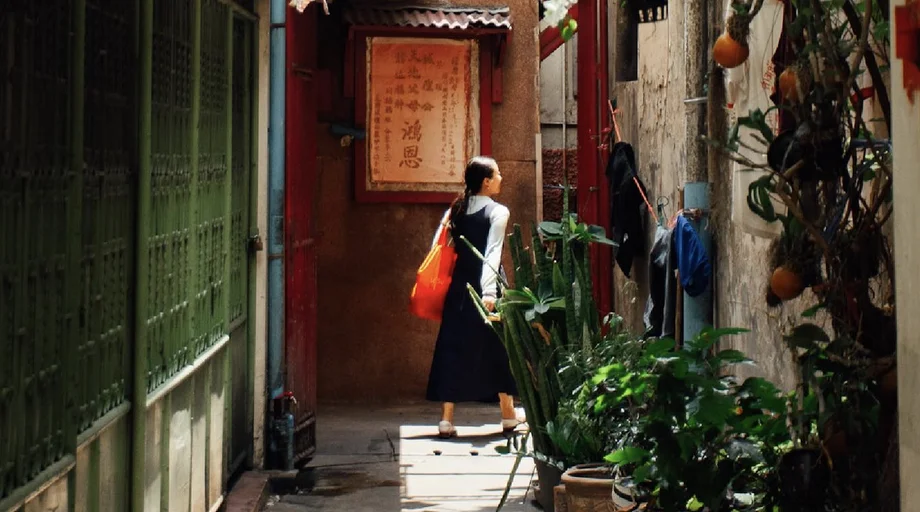
Song Wat runs parallel to the Chao Phraya in Bangkok's Chinatown, where river transport and warehouses helped make it an important commercial centre. Its history remains visible in Chinese lettering above shopfronts, open shops selling dried chillies and star anise, and buildings that continue to serve merchants.
The road was built to ease congestion after a fire in the Sampheng neighbourhood in 1906, during the reign of King Chulalongkorn, also known as Rama V. Its name refers to the king drawing its route on a map and is commonly translated as "drawn by the king".
Several stages of the street's more recent development help explain its current mix of commerce, art and hospitality:
- 1906: A fire in Sampheng preceded the construction of Song Wat to relieve congestion in Chinatown.
- 2016: Belgian artist ROA painted the street's large elephant mural for the Bukruk Urban Arts Festival.
- 2022: Made in Song Wat began with 10 local businesses.
- 2024: Artist Kitsune Jolene added another work to the neighbourhood's street art.
- 2025: The Ministry of Commerce began planning to promote Song Wat as a tourist destination.
- November 17, 2026: Song Wat took first place in the annual ranking, with Chang Moi at number 15.
Local businesses organise the revival
Made in Song Wat provides a link between individual businesses and the wider neighbourhood. The collective organises dinners, gatherings and other activities that bring businesses and residents together.
The ranking puts its membership at 60, while an October guide counted more than 60. Both figures describe substantial growth from the original 10 businesses in 2022. Younger people whose families have longstanding trading connections to the area have helped lead its renewal.
For visitors, that creates a street with several purposes at once. A person buying wholesale ingredients may pass someone heading to a gallery, while a restaurant occupies premises once used for storage. Traditional commerce remains part of the daily activity that makes the neighbourhood distinctive.
The Ministry of Commerce's promotion plans began in 2025 as Song Wat attracted visitors from China, other Asian countries and Europe. The international ranking now adds another reason for travellers to seek out a place already drawing attention at home and abroad.
Steamed buns, regional dishes and unusual desserts
Gu Long Bao is one of the clearest examples of Song Wat's continuing food traditions. The shop, described in the ranking as a century old, sells Teochew style steamed buns, connecting the street's present food scene with its Chinese trading heritage.
An October guide listed buns priced from 17 to 28 baht, with fillings including sesame, taro and barbecue pork, alongside a plant based barbecue option. It listed opening hours of 9am to 5pm, Monday through Saturday, with Sunday closing.
At e-ga, the menu draws on recipes from different parts of Thailand, including dishes less commonly found in Bangkok. Listed examples included crispy noodles and stewed pork with salted egg at 220 baht each, plus fried snakehead fish with fish sauce at 490 baht. Shared dishes make the restaurant an option for people visiting in a group.
Neighbouring FV takes a different approach to Thai ingredients. Its menu includes roselle and pandan juice, guava som tam, and watermelon granita served with sweet dried fish and crunchy shallots. A traditional wooden house built without nails stands inside the former storehouse, with seating upstairs. Despite its café setting, FV does not serve coffee.
Song Wat Coffee Roasters supplies that part of the neighbourhood's food scene. Its roasting machine is visible inside, and the October guide listed a Song Wat latte at 140 baht and a coffee made by pouring a double shot over milk shaved into fine ice flakes at 150 baht.
Art moves into warehouses and side alleys
ROA's upside down elephants cover a car park wall, giving Song Wat a large and recognisable artwork. Smaller pieces appear in alleys, windows and unexpected corners, encouraging visitors to look beyond the main road.
PLAY art house occupies a former shoe warehouse. Other galleries and shops use existing buildings for changing displays, ceramics and design pieces. These conversions give old commercial spaces new uses while keeping them part of the street's working fabric.
Soul Songwat, a recently converted warehouse complex beside the river, adds vintage shopping to that mix. Garçon Dept. is another independent shopping recommendation in the ranking. Together, such businesses extend a visit beyond coffee and a single mural.
Nightlife also occupies intimate spaces. We Didn't Land on the Moon Since 1987 moved to Song Wat after nine years in Chiang Mai. The small bar's owner makes the drinks and decorates the room, which contains family glasses, friends' letters and hanging travel bags. Listed drinks ranged from 150 to 260 baht, with opening hours from 6.30pm to midnight.
How to visit a street that still works
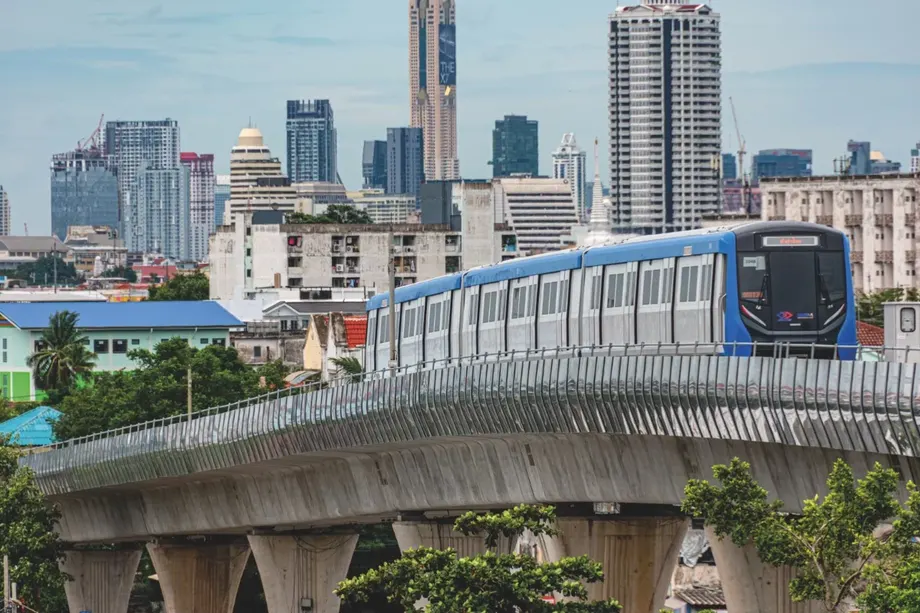
Wat Mangkon station on the MRT Blue Line offers a straightforward approach. From Exit 1, visitors can follow Plaeng Nam Road, cross Yaowarat and continue towards the river. The walk to Song Wat takes about 10 minutes.
A river arrival is another option. From Saphan Taksin BTS station, travellers can walk to Sathorn Pier and take a Chao Phraya Express Boat service that stops at Ratchawong. Boat stopping patterns vary, so checking the service before boarding matters. Song Wat is a short walk from the pier.
Late afternoon offers a useful transition between the area's different activities. Delivery traffic eases, some traditional shops begin closing, and daylight remains for seeing murals before dinner. Visitors wanting to see the older businesses operating should allow time before those shutters come down.
Song Wat can become busy with both local visitors and tourists, and parking around Chinatown is difficult. The short street also contains working shops, deliveries and narrow side lanes. Walking at an unhurried pace leaves more time for the smaller artworks and businesses that are easy to miss when moving between popular stops.
Chang Moi brings Chiang Mai into the ranking
Chang Moi Road lies east of Chiang Mai's old city moat. Its historic role was practical: it connected the old town with Warorot Market, one of the city's established trading destinations.
Traditional basket shops and family businesses remain part of the area, alongside cafés specialising in coffee, vintage retailers, art studios and rooftop bars. Street art adds another layer to a neighbourhood that continues to draw on its commercial roots.
The ranking's recommendations include Tai Toon Baan, The Bowl Spot, Monday Attack, HIDELAND.cnx and Honey Rattan. The selection points visitors towards several kinds of stops rather than one attraction around which to plan an entire visit.
Song Wat and Chang Moi share a concrete feature: both are older trading streets where newer businesses operate beside established merchants. Their locations and building histories give the cafés, shops and creative spaces a setting specific to Bangkok and Chiang Mai.
What the other leading streets have in common
Golborne Road in west London took second place. Portuguese, Moroccan and Middle Eastern eateries, including Lisboa Patisserie and Maramia Cafe, share the street with fashion shops, vintage retailer Rellik and newer restaurants and bars.
George Williams, head chef of the Fat Badger pub on Golborne Road, described the mix of communities behind its appeal:
There are brilliant Portuguese cafés, Moroccan restaurants and traditional food shops, reflecting the mix of different communities that make the area what it is.
Third place went to Fernández de Enciso in Buenos Aires, a pedestrian street in Villa Devoto with restaurants, outdoor tables and access to Plaza Arenales, where residents gather for activities and events. Helsinki's Vaasankatu placed fourth for its concentration of restaurants, bars and independent businesses, including relatively affordable places to eat and drink. Singapore's Neil Road completed the top five.
Europe accounted for seven of the 28 entries, exactly one quarter of the list. Asia accounted for nine, including Thailand's two. Kyoto and Fukuoka represented Japan, while Tokyo was absent, reflecting the selection's interest in destinations beyond the most familiar visitor routes.
Community activity takes different forms across the ranking. Birmingham's York Road became permanently pedestrianised in 2020 and hosts markets, music and street events. Heol Maengwyn in Machynlleth, Wales, has a Wednesday market with roots dating to 1291. Song Wat joins that wider picture through its continuing trade, reused buildings and organised neighbourhood gatherings.
The complete ranking of 28 streets
The 2026 selection covers 28 cities, ranging from small lanes to major roads and waterfront promenades. The full order is:
- 1. Song Wat Road, Bangkok, Thailand
- 2. Golborne Road, London, UK
- 3. Fernández de Enciso, Buenos Aires, Argentina
- 4. Vaasankatu, Helsinki, Finland
- 5. Neil Road, Singapore
- 6. Boulevard Saint-Laurent, Montreal, Canada
- 7. Upper Lascar Row, Hong Kong
- 8. Rua do Forno do Tijolo, Lisbon, Portugal
- 9. Beach Street, George Town, Malaysia
- 10. Karl-Heine-Strasse, Leipzig, Germany
- 11. Beco do Bragança, Rio de Janeiro, Brazil
- 12. East Passyunk Avenue, Philadelphia, US
- 13. Sanjo-dori, Kyoto, Japan
- 14. Wilshire Boulevard, Los Angeles, US
- 15. Chang Moi Road, Chiang Mai, Thailand
- 16. Ząbkowska Street, Warsaw, Poland
- 17. Atlantic Avenue, New York, US
- 18. York Road, Birmingham, UK
- 19. Ebenezer Place, Adelaide, Australia
- 20. Florida Road, Durban, South Africa
- 21. Yuyuan Lu, Shanghai, China
- 22. Heol Maengwyn, Machynlleth, UK
- 23. Mutrah Corniche, Muscat, Oman
- 24. Ward Avenue, Sydney, Australia
- 25. Oyafuko Street, Fukuoka, Japan
- 26. Calle Alejandro Cárdenas, Puerto Escondido, Mexico
- 27. La 70, Medellín, Colombia
- 28. Corniche des Almadies, Dakar, Senegal
Bangkok's winning entry brings international attention to a compact riverside district where old businesses remain active participants in its revival. Chiang Mai's inclusion extends that recognition to another Thai trading neighbourhood with a growing creative scene.
Key Points
- Song Wat Road ranked first in Time Out's 2026 selection, announced on November 17.
- Chiang Mai's Chang Moi Road placed 15th among 28 streets worldwide.
- Made in Song Wat grew from 10 businesses in 2022 to about 60 members.
- Traditional merchants operate alongside galleries, restaurants, cafés and independent shops on both Thai streets.
- The ranking considered food, shopping, nightlife, street life, community and distinctive local businesses.