108 flights cancelled ahead of November celebrations
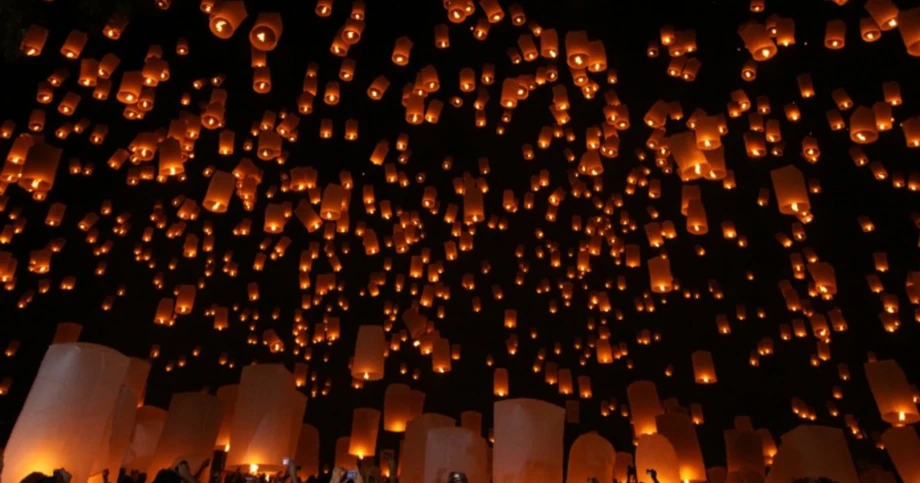
Chiang Mai International Airport is shortening its flight operating hours for the Yi Peng and Loy Krathong festivals on November 24 and 25, 2026, as more than 200,000 sky and smoke lanterns are expected within its aviation safety zone. Airlines have cancelled 108 flights, changed the times of 80 others and added 105 special services across November 21 to 28.
Contents
- 108 flights cancelled ahead of November celebrations
- Which hours will flights avoid?
- 293 schedule changes across eight days
- More traffic in a smaller operating window
- Why lanterns create an aviation risk
- Red zones remain closed to lantern releases
- Transport preparations for arriving visitors
- What departing passengers should prepare
- Key Points
Airport director Group Captain Sakan Udon announced the preparations on November 2, using lantern estimates and airline schedule information recorded as of October 30. The changes come as the airport expects about 210 flights a day during the festival, potentially reaching 232 on its busiest days, about 10% above normal.
Chiang Mai provincial authorities have asked airlines to avoid designated lantern release periods. Airport officials describe the resulting operating window as about 12 hours a day, compared with roughly 20 hours normally. That means passengers could face busier check-in areas, security queues and transport pickup points as flights move into fewer available hours.
The airport is responding with more inspections of its airfield, additional passenger and baggage screening points, and coordination with transport providers. Travellers booked during the eight days of schedule adjustments are being asked to confirm their flight status with their airline before leaving for the airport.
Which hours will flights avoid?
The requested flight avoidance periods include both a daytime interval and releases after dark. All times are local to Chiang Mai, and the evening restrictions continue past midnight into the following date.
- October 30: The airport recorded the lantern estimate and airline schedule changes used in its preparations.
- November 2: The airport director announced the safety and passenger service plans.
- November 21 to 28: Airlines apply cancellations, revised departure times and additional services.
- November 24: Airlines are asked to avoid flights from 10am to noon, then from 7pm until 1am on November 25.
- November 25: Airlines are asked to avoid flights from 7pm until 1am on November 26.
November 24 therefore has eight hours of specified restrictions, while the evening period beginning November 25 lasts six hours. Passengers should use their airline's revised timetable to establish their own departure or arrival time.
293 schedule changes across eight days
Airlines reported 293 cancellations, changes of time and additions combined as of October 30. The largest category was the 108 cancelled flights, followed closely by 105 extra services. Another 80 flights were moved to different times.
The cancellations and additions together leave three fewer scheduled flights across November 21 to 28, calculated from the airport's figures. For an individual passenger, however, the practical issue is which service operates and when. A new flight at another time can help carry festival traffic while a cancellation still changes the journey of someone booked on the original service.
The airport has not published a complete list of affected flight numbers or routes in its announcement, and schedules may change further. Travellers need confirmation from the airline handling their booking, including those flying on the days before or after the two main festival dates.
The eight days of adjustments also spread the travel impact beyond the hours when lanterns are released. Visitors arriving early for the celebrations or leaving several days afterwards should check their arrangements rather than assuming their flight is unaffected.
More traffic in a smaller operating window
Chiang Mai expects an average of about 210 flights daily during the festival and a possible peak of 232. Airport officials put that peak at approximately 10% above normal daily traffic, even as the time available for flights is reduced.
The stated reduction from about 20 operating hours to about 12 represents eight fewer hours, or a 40% cut in the daily window. Moving flights into the remaining periods can bring more passengers to check-in counters and screening lanes at similar times.
For airport staff, the challenge extends from aircraft scheduling to the flow of people through the terminal. A cluster of departures creates demand for document checks, baggage acceptance and security screening, while arriving flights bring groups of passengers seeking onward transport.
The airport's preparations consequently focus on matching services to each period's expected traffic. Counters, screening points, vehicles and staff are being coordinated around the revised flight schedule.
Why lanterns create an aviation risk
Airport officials expect more than 200,000 sky and smoke lanterns within the aviation safety zone, based on information available on October 30. Sakan warned that lanterns entering flight paths or areas near the airport could endanger aircraft and engines and disrupt flight operations.
The airport has issued notices to pilots and other aircrew identifying the lantern release periods. Such notices give crews information they need when preparing flights, including when a local hazard is expected.
Airfield teams will also inspect operating areas more frequently for fallen lanterns and other foreign objects. In aviation, a foreign object is something on an aircraft operating surface that does not belong there, including debris that could damage equipment.
Chiang Mai airport is coordinating with provincial officials, district authorities and agencies working inside the airport. The preparations combine action on the ground with changes to the flight timetable and public information about permitted lantern releases.
Red zones remain closed to lantern releases
Residents and event organisers are being asked to follow Chiang Mai province's rules specifying the places, dates and times where lantern releases are permitted. Releases are strictly prohibited in areas designated special surveillance Level 1, commonly called red zones.
Those red zones cover aircraft approach and departure paths, the corridors aircraft use when coming in to land or climbing away after takeoff. Keeping lanterns away from these routes is a central part of the airport's safety plan.
During the previous year's festival, provincial restrictions covered parts of six districts, including all of Mueang Chiang Mai and Hang Dong. Those rules carried penalties of up to five years in prison, a fine of up to 200,000 baht, or both. For the 2026 celebrations, the airport is directing organisers and residents to the province's announcement governing this year's release locations and times.
Yi Peng is a Lanna tradition associated with northern Thailand and attracts Thai and international visitors. Airport officials say the preparations are intended to allow the celebrations to continue while protecting passengers, aircraft and airport operations.
Transport preparations for arriving visitors
Four transport services, Airport Limousine, Airport Taxi Meter, Airport Shuttle Bus and RTC City Bus, are expected to provide a combined total of about 1,280 trips a day. The airport is coordinating with these operators to prepare vehicles and staff for festival arrivals.
Grab is expected to have about 2,500 vehicles available daily, alongside services from nine car rental operators. The figures describe different parts of the transport plan: daily trips for the four named services, available vehicles for Grab and the number of rental companies.
The airport's aim is to reduce crowding around the arrivals area and help visitors continue to their destinations. Matching transport availability to the revised arrival timetable matters because several flights landing close together can send large groups towards pickup areas at once.
What departing passengers should prepare
Departing passengers are advised to arrive at least two hours before a domestic flight and at least three hours before an international flight. The airport is allocating check-in counters according to expected demand in each period and plans to add passenger and baggage screening points.
Travellers are encouraged to check in online where available, use Common Use Self Service kiosks and make use of self bag drop facilities. The kiosks allow passengers to complete check-in through a machine, while self bag drop lets eligible passengers hand over checked luggage through an automated process.
The airport also asks passengers to review rules for liquids, gels and aerosols, along with prohibited items in cabin and checked baggage. Preparing bags and travel documents before reaching the terminal can reduce time spent resolving problems at counters or screening points.
For journeys between November 21 and 28, checking flight status before every trip is the airport's central instruction. Passengers should plan their arrival around the confirmed departure time, have documents and baggage ready, and follow staff directions as the revised schedule takes effect.
Key Points
- More than 200,000 sky and smoke lanterns are expected within Chiang Mai airport's aviation safety zone during the November 24 and 25 celebrations.
- Airlines reported 108 cancellations, 80 changes of time and 105 additional services for November 21 to 28, using figures recorded on October 30.
- Flight avoidance periods cover 10am to noon on November 24 and 7pm to 1am on the evenings beginning November 24 and 25.
- The airport expects about 210 flights daily, potentially reaching 232, with passengers concentrated into fewer operating hours.
- Lantern releases are prohibited in Level 1 red zones along aircraft approach and departure paths.
- Passengers should confirm flight status with their airline and arrive at least two hours before domestic departures or three hours before international departures.