Draft agreement advances as visa delays disrupt travel
Uzbekistan and Thailand have agreed to pursue the signing of an agreement on visa free travel, with the draft under Thai review, Uzbekistan's Foreign Ministry said on October 28, 2026. The announcement comes as Thailand considers a separate proposal allowing tourists from Uzbekistan, Colombia and Mexico to enter without visas for up to 15 days.
Contents
- Draft agreement advances as visa delays disrupt travel
- What the two proposals would change
- How the rules and negotiations developed
- Why an electronic visa still involves Moscow
- Searches and bookings fell sharply
- Airline complaints widen the problem beyond Uzbekistan
- Uzbek diplomats are working through several channels
- What the November committee meeting will consider
- Key Points
The diplomatic push follows Thailand's withdrawal of its previous exemption on September 15, which had allowed Uzbek citizens to stay for up to 60 days. Travellers now face an electronic application process that involves the Thai embassy in Moscow, including payment of the visa fee.
The disruption has reached airlines and holiday companies. Aviasales Uzbekistan recorded an 81% fall in searches for flights to Thailand and an 84% fall in bookings in September. Some Uzbek travel agencies have switched customers to Vietnam, while Emirates has complained about passengers from Mexico missing departures because their Thai visas were not ready.
Two routes to easier travel are now being discussed: a bilateral agreement between Uzbekistan and Thailand, and a Thai tourism ministry proposal for a shorter exemption covering three countries. Thailand's Visa Policy Committee is scheduled to consider the latter on November 9. No final approval of the exemption, signing date for the agreement or date for either arrangement to take effect has been announced.
What the two proposals would change
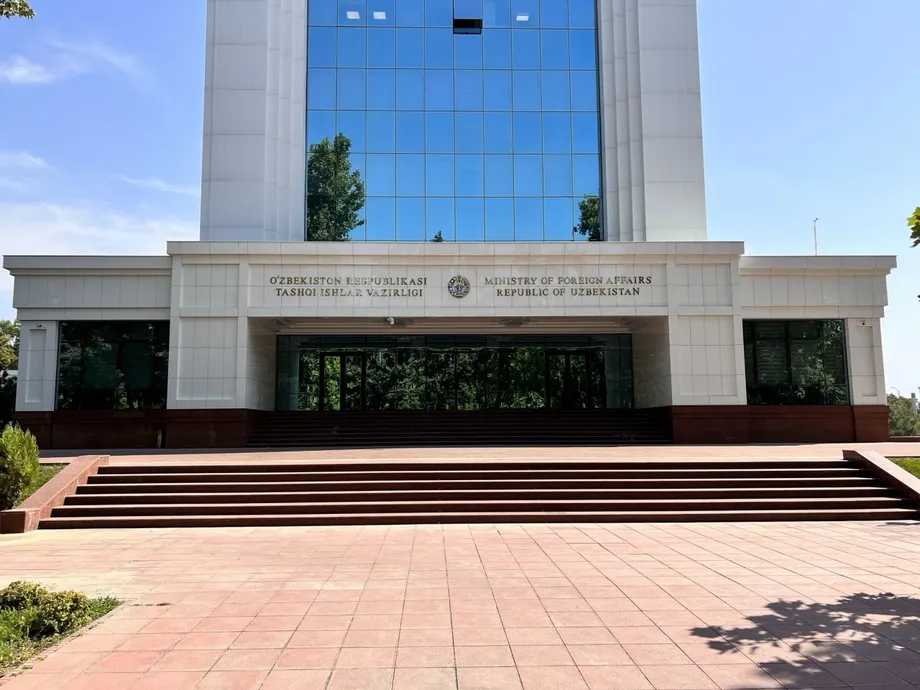
Uzbekistan's Foreign Ministry said direct talks with its Thai counterpart produced an agreement to sign a document covering visa free journeys between the countries. The Thai side is examining its text. A bilateral agreement sets out terms accepted by both governments, including which travellers qualify and the conditions for their visits.
Thailand's Ministry of Tourism and Sports is pursuing a more specific proposal: entry without a visa for up to 15 days for citizens of Uzbekistan, Colombia and Mexico. Tourism and Sports Minister Surasak Phancharoenworakul wants the committee to consider exemptions for countries assessed as presenting low security risks.
The proposed 15 days would be one quarter of the former 60 day allowance, a reduction of 45 days. It would restore easier entry for a short holiday while providing much less time than Uzbek visitors previously had for longer trips.
The bilateral draft's permitted length of stay and detailed eligibility rules have not been disclosed. Its terms will determine how it relates to the tourism ministry's proposal and what reciprocal arrangements would apply to Thai citizens visiting Uzbekistan.
How the rules and negotiations developed
Uzbekistan's Foreign Ministry says its broader diplomatic effort to improve travel conditions began in May 2026, several months before the September restrictions took effect. Further discussions then focused on the practical problems created by the new requirements.
The main dates show how the issue moved from a change in entry rules to negotiations over restoring easier access:
- May 2026: Uzbekistan began intensified diplomatic efforts to improve conditions for visits to Thailand.
- Late August: Thailand approved changes ending the previous exemption covering Uzbekistan and 92 other countries, alongside a new list of 60 countries eligible for stays without visas of up to 30 days. Uzbekistan was outside that list.
- September 2: Uzbekistan Airways warned Uzbek passengers that they would need Thai visas in advance from September 15.
- September 15: The previous 60 day exemption ended for Uzbek citizens, along with their option to obtain a visa on arrival.
- Early October: Uzbekistan's consulate general in Bangkok explained the electronic visa procedure and acknowledged problems with the application system.
- October 28: Uzbekistan's Foreign Ministry described progress toward a bilateral travel agreement. Further talks with Thailand's Foreign Ministry had also been scheduled for that date.
- November 9: Thailand's Visa Policy Committee is scheduled to consider the proposed exemption allowing stays of up to 15 days.
Thailand has explained its broader changes in terms of national security and managing visitor movements. The tourism ministry is now seeking a way to address the travel disruption within that policy.
Why an electronic visa still involves Moscow
Uzbek applicants submit their requests through Thai E-Visa, but the Thai embassy in Moscow handles their applications. The $40 fee for a visa allowing one entry cannot be paid directly through the application website and must be arranged through the embassy.
An electronic visa is permission obtained through an online application before departure. For Uzbek travellers, the online form is only one part of the process: payment and consular handling remain separate steps. That creates extra work for people arranging a holiday from Uzbekistan.
Applicants must provide a passport, flight tickets, hotel booking documents and a bank statement. The stated financial requirement is at least 20,000 baht for one person or 40,000 baht for a family. Those amounts concern evidence of available funds; the application fee is the separate $40 charge.
Uzbekistan's consulate general in Bangkok said applications were reviewed within 10 days after payment and described confirmation as arriving within 15 days. Travellers have also been advised to apply at least 14 working days before departure. Working days exclude weekends and applicable holidays, so that period can extend well beyond two calendar weeks.
The consulate acknowledged instances of incorrect operation in Thai E-Visa. Together, the payment arrangements, processing time and technical problems make it harder for travellers to coordinate an application with flights and accommodation already included in their paperwork.
Searches and bookings fell sharply
Aviasales Uzbekistan's September figures provide the clearest numerical indication of the change in demand: flight searches fell 81%, while bookings dropped 84%. The reported figures do not identify the comparison period or give the underlying number of searches and bookings.
The booking decline was three percentage points larger than the fall in searches. Both measures show a steep contraction on the platform during the month when advance visas became mandatory for Uzbek visitors.
Travel agencies experienced the change through cancelled Thailand packages and customers redirected to other destinations. Vietnam was among the alternatives offered. For an agency, switching destinations can preserve a customer's holiday booking when the original trip becomes difficult to arrange.
Thailand's tourism authorities are therefore addressing more than individual applications. Airlines and tour operators need enough confidence in the entry process to continue selling seats and holidays. When visas arrive too late, a planned journey can collapse even after a traveller has chosen flights and accommodation.
Airline complaints widen the problem beyond Uzbekistan
Emirates submitted a complaint to the Tourism Authority of Thailand after visa delays affected travellers departing from Mexico. According to the airline's complaint, an average of 20 to 30 passengers per flight from Mexico could not travel because their Thai visas had not been issued in time.
Mexico and Colombia have also faced persistent delays in visa approval and issuance. Those problems explain why the proposed exemption groups the two Latin American countries with Uzbekistan, despite the different routes and distances involved.
Chiravadee Khunsub, deputy governor for international marketing at the Tourism Authority of Thailand, said complicated procedures had prompted Uzbek travel agencies to cancel Thailand holiday packages. She also described delays preventing Mexican and Colombian travellers from arriving on their planned dates.
Khunsub identified restoring confidence among international airlines and tour operators as an aim of the proposed changes. A predictable entry process matters to companies selling travel in advance, because their customers need permission to enter before they reach the departure airport.
Uzbek diplomats are working through several channels
Uzbekistan's consulate general in Bangkok is holding regular meetings with Thailand's Foreign Ministry and Ministry of Tourism and Sports. Uzbekistan's embassy in Russia is also working with the Thai diplomatic mission in Moscow, where Uzbek visa applications are handled.
Omonulla Fayziev, spokesperson for Uzbekistan's Foreign Ministry, said the government had pursued intensified diplomatic work since May to create more favourable conditions for travel. The ministry separately described talks focused on the restrictions introduced in September.
Uzbekistan's Foreign Ministry explained when that focused response began:
We began negotiations with the Thai side immediately after the introduction of the new visa regulations for citizens of Uzbekistan,
The ministry also described continuing discussions with its Thai counterpart:
Further talks on this matter with Thailand's Ministry of Foreign Affairs are also scheduled,
The contacts serve two practical purposes: discussing immediate application difficulties with the authorities handling visas, and negotiating a broader agreement that could make future journeys simpler.
What the November committee meeting will consider
Thailand's Visa Policy Committee is expected to assess the economic and security effects of the proposed exemptions on November 9. The tourism ministry is seeking easier access for selected markets while the government maintains its wider controls on entry.
Surasak has acknowledged delays affecting travellers from Mexico and other countries. His ministry presents the proposed 15 days of entry without a visa as a lasting response to those difficulties, rather than a change limited to processing individual backlogs.
The economic case rests on concrete disruptions: falling searches and bookings in Uzbekistan, agencies replacing Thailand packages with trips elsewhere, and passengers from Mexico unable to use their flights. The security review will determine whether the committee accepts exemptions for the countries proposed.
For Uzbek travellers preparing a trip, the current practical requirement remains obtaining a visa before departure. Uzbekistan's Foreign Ministry has advised citizens to check Thailand's entry requirements with the relevant official authorities before travelling. The November meeting and the Thai review of the bilateral draft are the next steps to watch.
Key Points
- Uzbekistan says the two countries have agreed to pursue a visa free travel agreement, with its text under Thai review.
- A separate Thai proposal would allow citizens of Uzbekistan, Colombia and Mexico to visit without visas for up to 15 days.
- The Visa Policy Committee is scheduled to consider that proposal on November 9.
- Uzbek citizens currently need advance visas, with applications and fee payment involving the Thai embassy in Moscow.
- Aviasales Uzbekistan recorded September declines of 81% in flight searches and 84% in bookings for Thailand.
- Emirates complained that visa delays prevented 20 to 30 passengers per flight from Mexico from travelling.
- The proposed 15 day allowance would be 45 days shorter than Uzbekistan's previous exemption.