Suspicious bags can be opened without calling the owner
Thailand's airport security staff will be able to open suspicious checked baggage without waiting for its owner to be present under rules taking effect on October 16, 2026. The Civil Aviation Authority of Thailand (CAAT) says searches must be recorded, and a written inspection notice must be left inside the bag.
Contents
- Suspicious bags can be opened without calling the owner
- What gives officers grounds to search?
- How the inspection must be documented
- From February notice to October implementation
- Why a luggage lock may be broken
- What can be removed from a suitcase?
- What travellers should keep close
- Complaints and the aim of reducing delays
- Key Points
The authority's checked baggage guidance, published on March 11, 2026, sets out the start date and the power to inspect luggage when there are reasonable grounds to suspect prohibited objects. The arrangements apply across Thailand's airport system to bags checked in for carriage in an aircraft's hold.
Passengers face a practical change: a bag flagged during security screening can be opened while they are elsewhere in the airport. Officers may remove prohibited items and, if necessary, break a lock to complete the inspection. The rules provide no compensation for damage caused by breaking a lock when the bag cannot otherwise be opened.
CAAT says the purpose is to resolve security concerns without the delay of finding a passenger and bringing them to their luggage. Searches must take place in designated areas, with recordings and evidence retained so the procedure can be reviewed afterwards.
Airports of Thailand (AOT) has notified travellers about the arrangements. The Tourism Authority of Thailand has also advised passengers departing with checked luggage on or after October 16, 2026, to check the updated requirements before travelling. For passengers, preparation means checking both what is inside the suitcase and how it is locked.
What gives officers grounds to search?
Security screening must identify a reason for further examination before staff open a bag under the revised procedure. Examples include an X-ray image suggesting explosives, a prohibited article, dangerous goods or another object barred from carriage aboard an aircraft.
CAAT describes the threshold as reasonable grounds for suspicion. In everyday terms, officers need a security concern connected to the bag or its contents. The procedure is directed at luggage requiring further examination after screening.
A screening image can show an object that staff need to inspect more closely. Opening the suitcase allows them to identify it and determine whether it can travel. The passenger's presence will no longer be a prerequisite for that examination.
The rules concern checked baggage, meaning luggage handed over at check-in and carried in the aircraft's hold. Passengers should consult separate requirements for belongings carried into the cabin, because an item permitted in one part of the aircraft may be restricted in another.
How the inspection must be documented
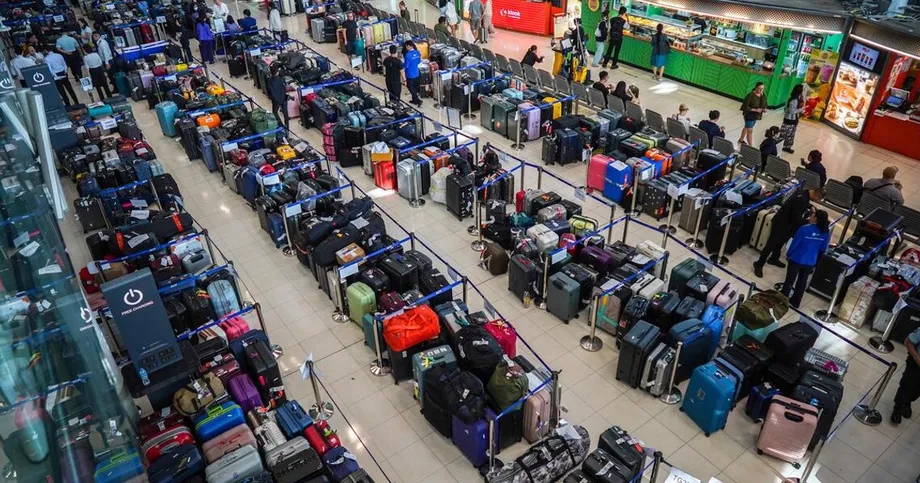
Airport staff must take flagged bags to designated inspection areas. The opening and search must be recorded on video, with footage and other evidence retained so reviewers can establish who conducted the inspection and what was found.
CAAT's published guidance also requires staff to place a document inside the luggage informing its owner that a search took place. Passengers may therefore learn about an inspection when they open their bag after collecting it.
Ploytalay Laksameesangchan, deputy spokesperson for the Prime Minister's Office, described the safeguards as a way to make searches traceable. Her explanation included recording images and preserving evidence at every stage, as well as notifying the owner afterwards.
The recordings and inspection notice give passengers a documented procedure to refer to if they later raise a concern about the handling of their luggage. They also give authorities material to review when checking how a search was carried out.
From February notice to October implementation
The CAAT notification on searching checked baggage to be carried aboard aircraft, B.E. 2569, was published in February to give airport operators, airlines and other agencies time to prepare. B.E. 2569 is the year 2026 in Thailand's Buddhist calendar.
In CAAT NEWS 28/2569, the authority identifies the measure as its Notification on the Inspection of Checked Baggage to Be Carried on Aircraft, B.E. 2569, and confirms that it takes effect on October 16, 2026, rather than immediately upon publication in February. CAAT says the interval allows airports, airlines and relevant agencies to prepare staffing, systems and passenger communications.
The implementation schedule separates the announcement from the date the revised arrangements begin. Existing screening procedures remain in effect until the October start.
- February 2026: The notification was published, allowing time to prepare staff, procedures and passenger communications.
- March 11, 2026: CAAT published passenger guidance setting out the inspection arrangements and October start date.
- October 16, 2026: The revised procedures take effect across Thailand's airport system.
Airlines and airports have used the preparation period to inform passengers about the change. Travellers with departures on or after October 16 should check current instructions from their airline, departure airport and CAAT before packing.
Why a luggage lock may be broken
CAAT recommends internationally recognised inspection compatible locks, such as TSA locks. These have a mechanism that authorised security personnel can open with specialised equipment, reducing the risk of damage during a necessary search.
TSA refers to the United States Transportation Security Administration. A compatible lock gives security staff a way to open secured luggage without cutting the lock or forcing its mechanism, when the appropriate equipment is available.
Officers may break a lock or locking mechanism if they cannot otherwise open a bag requiring inspection. Under the announced rules, compensation is not provided for damage resulting from that necessary forced opening.
Passengers should therefore consider the lock as part of their travel preparations, alongside baggage weight and size. CAAT presents a compatible lock as a way to reduce the risk of damage; staff still have authority to carry out a required search.
A complaint about damage can be submitted for review, although the rules expressly allow locks to be broken without compensation in the circumstances described. Travellers should keep that provision in mind when choosing how to secure checked luggage.
What can be removed from a suitcase?
Airport security personnel may seize explosives, prohibited articles, dangerous goods and other items considered a threat to aviation safety. They can also take further action under the relevant laws, regulations and security procedures.
Items confiscated under these provisions may be retained without being returned to the passenger. Packing an object that cannot travel can therefore mean losing the object as well as having the bag opened.
Passenger notices identify power banks, explosives, firearms and ammunition among the items travellers must check against baggage restrictions. Power banks belong outside checked luggage under the guidance described in the notices. Travellers carrying firearms or ammunition need to confirm the applicable legal and airline requirements before arriving at the airport.
Dangerous goods are objects or substances that can create a safety risk during transport. Batteries, for example, are subject to specific aviation rules because damage or a short circuit can cause heat or fire. Passengers should check the rules for the particular item rather than assume that something used safely at home can be packed anywhere on an aircraft.
What travellers should keep close
CAAT advises passengers against placing valuables, fragile belongings, important documents or essential personal items in checked baggage. Keeping permitted essentials in cabin baggage gives travellers access to them while the checked suitcase is being transported or inspected.
Passports, travel documents and other belongings needed during the journey deserve particular attention before a bag is handed over. Fragile and valuable items also require careful packing and a check of the airline's carriage conditions.
International passengers should review requirements at their departure airport, any transit airport and their final destination. An itinerary can involve several security systems and different national restrictions, so checking only the first flight's baggage allowance may leave a traveller unprepared later in the journey.
The Tourism Authority of Thailand advises checking with the airline, airport and CAAT. A baggage allowance tells passengers how much they may carry; prohibited item and dangerous goods rules determine what may go inside.
Complaints and the aim of reducing delays
Passengers who experience inspection related damage or other problems can contact their airline or submit a complaint through CAAT's complaints system at complaint.caat.or.th. Authorities can then review the circumstances and take action within their responsibilities. The passenger guidance does not give a deadline for resolving these complaints.
CAAT says removing the need to locate a bag's owner before opening it can reduce interruptions to baggage handling and flight operations. A flagged suitcase can be examined while the passenger continues through the airport, allowing staff to address the security concern sooner.
The regulator says similar procedures operate in Singapore, Japan, South Korea and the United States, as well as parts of Europe and the Middle East. Thailand's arrangements combine that ability to inspect in the owner's absence with designated search areas, recordings, retained evidence and an inspection notice.
For travellers, the central practical steps are straightforward: check restricted items before leaving home, use a suitable lock and keep essential belongings out of checked baggage. For airport staff, the change brings authority to act without waiting for the passenger, together with requirements to document the search.
Key Points
- The revised checked baggage inspection rules take effect across Thailand on October 16, 2026.
- Officers may open bags without passengers present when screening gives reasonable grounds to suspect prohibited or dangerous contents.
- Searches must take place in designated areas, be recorded and leave an inspection notice inside the luggage.
- Prohibited items may be confiscated, and locks may be broken without compensation when necessary to open a bag.
- CAAT recommends inspection compatible locks and advises keeping valuables, important documents and essential belongings out of checked luggage.
- Passengers can raise inspection concerns through their airline or CAAT's complaints system.