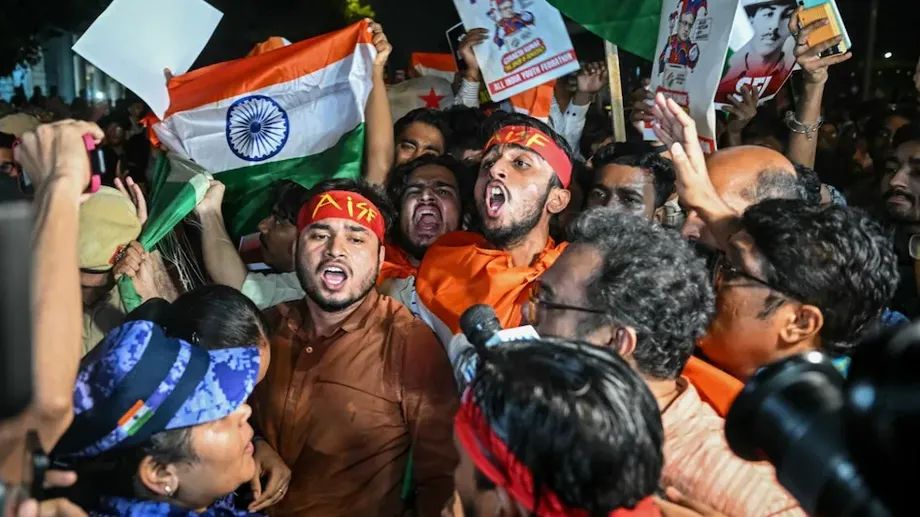
Flag march meets a police blockade in Connaught Place
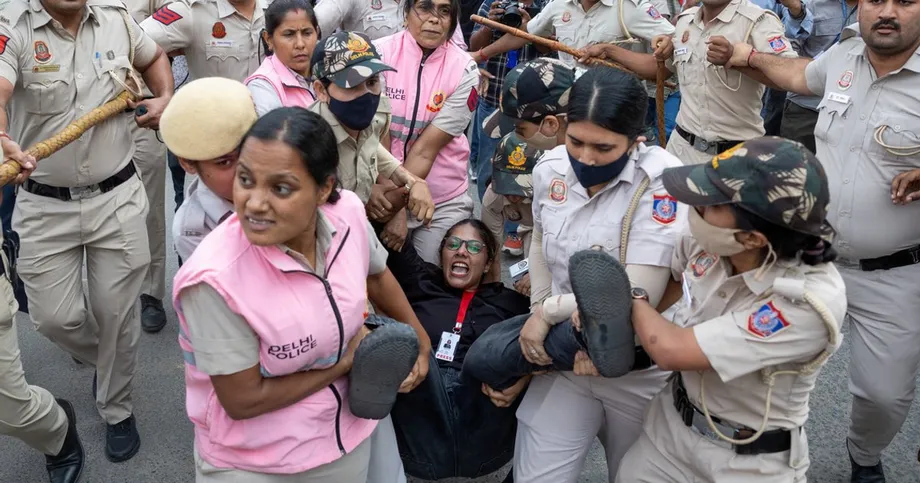
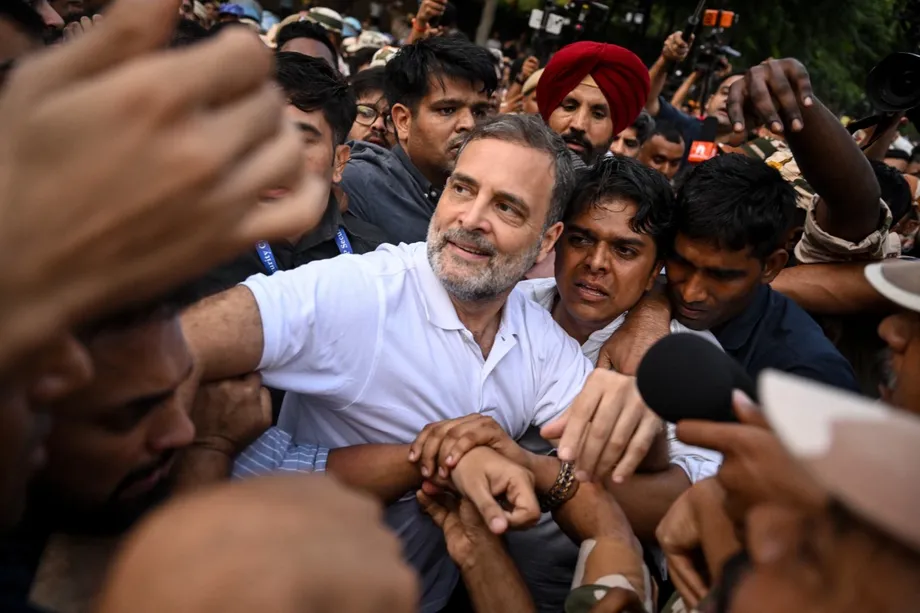
Delhi Police detained around 150 demonstrators on October 16 as activists carrying Indian flags attempted to gather around Central Park in Connaught Place to demand the resignation of Chief Election Commissioner Gyanesh Kumar. Among those detained were Cockroach Janta Party founder Abhijeet Dipke and All India Students' Association president Neha Bora.
Contents
- Flag march meets a police blockade in Connaught Place
- Why the voter list revision triggered protests
- Earlier arrests set the stage for October 16
- Two notices and a disputed detention
- Whereabouts and access to lawyers become urgent concerns
- Police cite crowds, transport links and emergency access
- Supporters gather despite the park closure
- Traders demand protection for their livelihoods
- Opposition and BJP clash over the meaning of protest
- The confrontation spreads into online games
- Key Points
The planned Lehra Do Tiranga march, called for 5 pm, brought together a dispute over voter lists, anger over earlier arrests and competing demands on one of Delhi's busiest shopping districts. Authorities closed Central Park for October 16 and 17, deployed police and paramilitary personnel, and warned that restrictions on public assembly were in force.
Dipke was detained while leaving the residence of Anish Gawande, a spokesperson for the Nationalist Congress Party faction known as NCP-SCP. Bora was detained near Mandi House. Supporters nevertheless reached Connaught Place with flags and slogans, while a group of Palika Bazaar traders demonstrated against the protest and voiced support for Kumar.
Police put the number detained across central Delhi at around 150; another tally placed it above 150. An estimated 200 to 300 people initially gathered outside Central Park, with more arriving later. The gathering continued around the park's perimeter after protesters found its entrances closed.
CJP accused authorities of suppressing peaceful dissent. Police said the proposed gathering lacked permission and posed risks to public safety, traffic and commercial activity. The argument centred on whether activists could assemble at the chosen location under restrictions that police had already announced.
Why the voter list revision triggered protests
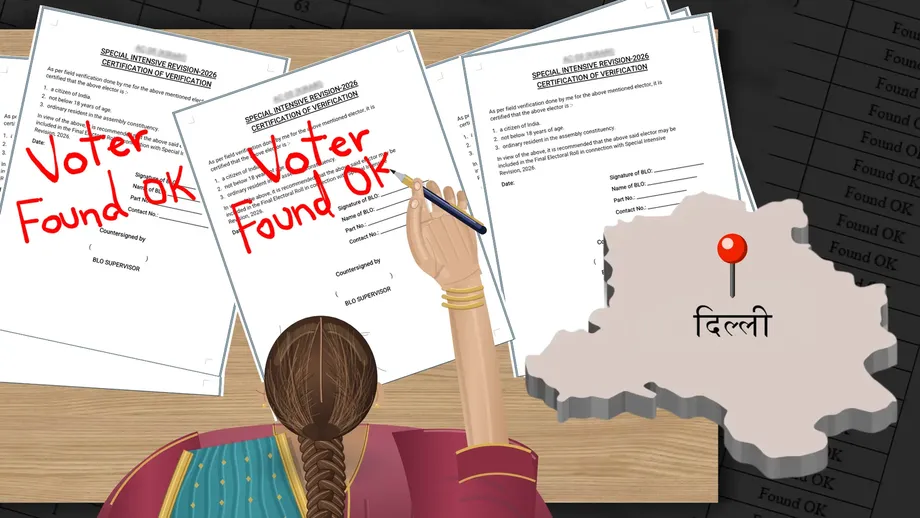
CJP and allied student organisations want Kumar to resign over the Special Intensive Revision, or SIR, of electoral rolls. An electoral roll is the official list of people registered to vote in a particular area. A person whose name is missing generally needs to have it restored before being able to vote there.
Dipke alleged that more than 13 crore voters, equivalent to 130 million, had been deleted during the revision. He argued that removals on that scale could affect election outcomes and accused the authorities of protecting the election chief. The figure was central to his appeal for supporters to join the march.
The Election Commission denied favouring any political party. It said the revision targeted entries belonging to people who were ineligible, had died or appeared more than once, and that eligible voters whose names were wrongly deleted could register again. The BJP also rejected allegations that the exercise was designed to benefit it.
For voters, the practical issue is whether a valid registration remains on the list and how quickly an error can be corrected. CJP's demand for Kumar's resignation turned those concerns into a wider confrontation over confidence in election administration.
Earlier arrests set the stage for October 16
The flag march also sought support for CJP leaders Saurav Das and Ashutosh Ranka, who had been sent to judicial custody for five days after returning to Jantar Mantar despite restrictions. Judicial custody means detention under a court's order, usually in jail.
Authorities had recently removed Jantar Mantar from the list of approved protest venues and identified three alternatives. Police said demonstrators crossed barricades or a locked gate and breached restrictions. CJP argued that moving protests away from the area pushed dissent further from Parliament.
- During the preceding weekend, police detained Dipke after boarding his aircraft when it landed in Delhi. He was released the following day.
- On Tuesday, Das, Ranka and CJP member Ajinkya Shinde returned to Jantar Mantar and were detained.
- On Wednesday, Das and Ranka were remanded to judicial custody for five days. Shinde was released on a personal bond, according to CJP legal team head Ratna Singh.
- On Thursday, Dipke announced the October 16 gathering at Central Park for 5 pm.
- On October 16, police detained Dipke before the gathering, while supporters continued towards Connaught Place.
The sequence left CJP's three principal leaders in custody again as supporters attempted the flag protest.
Two notices and a disputed detention
Police served Dipke with two notices before the march. One warned him against going to Central Park because restrictions on public gatherings were operating under Section 163 of the Bharatiya Nagarik Suraksha Sanhita, or BNSS. That provision allows authorities to issue urgent orders intended to prevent danger or public disorder.
The second concerned an alleged breach of an undertaking to maintain peace for one year. Police linked it to earlier preventive proceedings involving Dipke, Ashutosh and Saurav after their detention at the airport.
A police official told Dipke that officers were taking him into preventive detention, meaning custody intended to stop an anticipated breach of public order. During the exchange, Dipke challenged the basis for taking him away before he had reached the protest site.
I have not broken any law right now...how can you detain me
The police notice also cited Sections 29 to 33 of the Delhi Police Act, Section 223 of the Bharatiya Nyaya Sanhita concerning disobedience of an official order, and the Supreme Court's Mazdoor Kisan Shakti Sangathan judgment. Police invoked the judgment in arguing that demonstrations must be considered alongside traffic movement, public safety and public order.
Officers told Dipke that carrying or waving the national flag was lawful, while organising an unauthorised march or gathering in the restricted area could invite action. CJP framed the detention as an attempt to prevent young people from peacefully asserting their rights.
Whereabouts and access to lawyers become urgent concerns
CJP said it lost contact with Dipke after police took him away and alleged that he was held at an undisclosed location without access to lawyers. AISA also alleged that representatives were prevented from meeting Dipke and Bora.
CJP spokesperson Mehr Pasricha said the movement would continue despite the detention of its leaders. Gawande, who had hosted Dipke, also questioned the police action against him.
Delhi Police had not answered the allegations about Dipke's location and access to legal assistance when those claims were made public. No confirmed release time or next hearing date for Dipke or Bora was given.
Bora had also raised allegations about the treatment of journalists during earlier demonstrations, saying some were detained and had cameras taken away despite carrying press credentials. Those complaints added access for journalists to the movement's demands over detention and protest space.
Police cite crowds, transport links and emergency access
Connaught Place's role as a transport interchange was central to the police justification. The notice cited average daily footfall of around 200,000 at Rajiv Chowk Metro Station, which connects the Blue and Yellow lines beneath the commercial district.
Police warned that limited entry and exit routes could make an additional gathering difficult to manage, creating congestion and a risk of a stampede. They also cited possible disruption to hospital access, emergency services and roads near Parliament, the Central Secretariat and diplomatic areas.
More than 6,000 Delhi Police and Central Armed Police Forces personnel were deployed for the security operation. AAP Delhi president Saurabh Bharadwaj separately claimed that 50,000 personnel had been mobilised, a much larger figure that he used to criticise the scale of the response.
Additional Commissioner of Police for Traffic DK Gupta said advisories and possible diversions were in place around Connaught Place. He said officers were monitoring conditions and social media for indications of disruption.
Police also referred to alleged breaches of permission conditions and damage during earlier CJP demonstrations. Dipke defended the movement's record, saying it had held peaceful protests in Mumbai, Pune, Jaipur, Lucknow, Bengaluru and Nagpur, and alleged that he had been assaulted in Jaipur.
Supporters gather despite the park closure
Activists associated with SFI, DYFI, AISF and AIYF arrived with Indian flags, while AAP workers also joined demonstrations. Slogans were raised around Connaught Place, near Mandi House and at the entrance to Jantar Mantar.
Police offered a small group the option of waving the flag and singing the national anthem at another location. Special Commissioner of Police Rajiv Ranjan said police had received no request to allow selected participants to hoist the flag.
CJP instead urged supporters to enter Connaught Place in groups of fewer than five, display the flag, take photographs and leave. The plan shifted participation towards smaller actions around the district rather than a single gathering inside Central Park.
As darkness fell, officers used force against some demonstrators, and two people were observed injured during the police action. One protester fell and appeared to hurt a leg. Protests linked to the movement also continued in several other cities.
Traders demand protection for their livelihoods
A group of Palika Bazaar shopkeepers opposed the CJP demonstration and shouted slogans supporting Kumar, Delhi Police and Prime Minister Narendra Modi. The New Delhi Traders Association questioned why organisers had chosen a major market during the festive shopping season.
Traders said road restrictions and crowds could deter customers and interrupt business. They acknowledged the right to protest while asking organisers and authorities to consider employees, shopkeepers and others whose earnings depend on markets remaining accessible.
A separate appeal by Delhi trading organisations went further, asking Modi to help suspend political demonstrations in the capital until January 31, 2027. The letter carried the signatures of trade representatives Rakesh Yadav, Pradeep Gupta and Hemant Gupta.
The representatives described concerns about deliveries, workers' income, rent and wages during the festival and wedding seasons. They named Sonipat, Panipat, Gurugram, Faridabad, Noida and Ghaziabad as places from which customers travel to Delhi. Their January 2027 date was a requested endpoint for a suspension of protests; no government decision granting that request was announced.
Opposition and BJP clash over the meaning of protest
AAP national convenor Arvind Kejriwal condemned Dipke's detention and argued that displaying the Indian flag should be permitted in India. He described the action in a social media statement.
This is nothing but outright dictatorship. Is it a crime to hoist the tricolour? Abhijeet's arrest shows just how much Modi ji fears them.
Mamata Banerjee called the action an undeclared emergency and accused the government of intimidating young people. M.K. Stalin demanded information about Dipke and Bora and called for their immediate release. Bharadwaj said AAP supporters had earlier unfurled a flag measuring 270 feet near Rashtrapati Bhavan and Parliament.
The BJP's response focused on remarks about changing the government. Senior advocate Prashant Bhushan had described the agitation as a fight for regime change, while Bora had referred to Bangladesh's Gen Z movement. BJP leaders interpreted those remarks as support for removing an elected government outside elections.
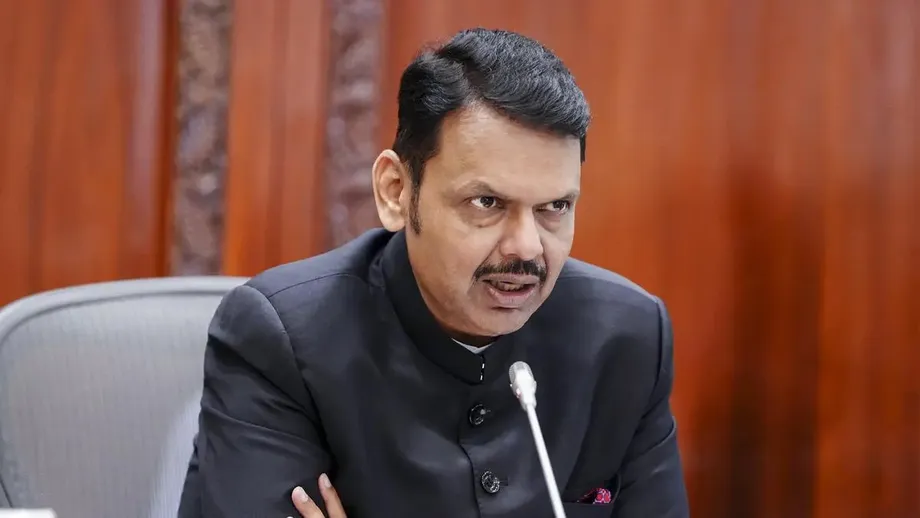
Defence Minister Rajnath Singh, speaking in Lucknow, accused opposition groups of using young people for a political agenda rather than pursuing concerns about SIR. BJP MP Sudhanshu Trivedi distinguished electoral change from attempts to topple a government through conspiracy or violence. Nitin Nabin alleged links with foreign powers.
Congress spokesperson Pawan Khera rejected that interpretation, saying the opposition sought a change of government through elections and citing the 1977 transition after the Emergency. Foreign Ministry spokesperson Randhir Jaiswal, asked about the student demonstrations, said India's institutions and agencies were monitoring developments and doing their work.
The confrontation spreads into online games
The demonstrations have also generated interactive political satire. Brothers Anav Nayar and Akshay Nayar created Bhaag Neha Bhaag, inspired by accounts of Bora being detained and returning to protests. Players guide a character past barricades and pursuers while collecting coins labelled Democracy.
Suraj Kushwaha, a software professional and Instagram creator aged 27 from Bareilly, created Jantar Mantar Chalo with assistance from artificial intelligence. Players can choose protesters trying to reach a demonstration or police attempting to stop them. The game labels its characters and setting as fictional satire.
A third browser game, CJP, It's Done, Bro, turns political claims and counterarguments into four arcade levels. Its section called The Receipts lists 36 claims alongside the creators' reality checks and sources. Reactions have included appreciation of the humour and criticism of its political framing.
The three games show how the confrontation is being retold beyond Delhi's streets. Detention, barricades and disputed claims have become subjects for both expressions of support and arguments against the movement, reaching audiences through gameplay clips and social media.
Key Points
- Delhi Police said around 150 demonstrators were detained during the October 16 protests, including CJP founder Abhijeet Dipke and AISA president Neha Bora.
- The march demanded election chief Gyanesh Kumar's resignation over alleged voter list irregularities and supported two CJP leaders sent to judicial custody.
- The Election Commission denied political bias and said eligible voters wrongly removed could register again.
- Police cited assembly restrictions, lack of permission and safety concerns around Connaught Place and Rajiv Chowk.
- CJP alleged Dipke was held at an undisclosed location without access to lawyers. Police had not answered those allegations when they were made public.
- Traders opposed disruption to markets, while opposition and BJP leaders exchanged accusations over the purpose and limits of the protests.