Forty more talukas brought under drought relief
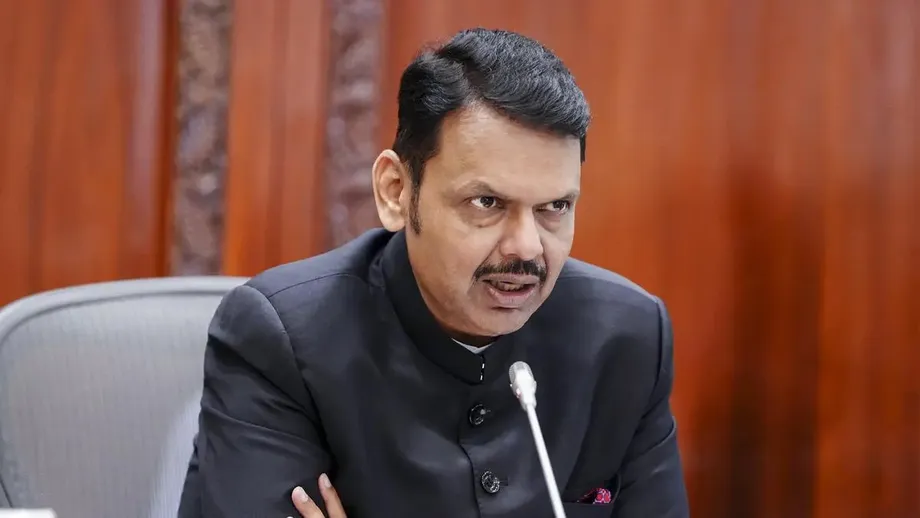
Maharashtra will transfer Rs 5,000 directly into affected farmers' bank accounts before Diwali, Chief Minister Devendra Fadnavis announced in Mumbai on October 14, 2026, after the government expanded its drought list to 305 of the state's 358 talukas. The payment is an advance against expected Central assistance, intended to reach farmers while crop damage assessments and administrative procedures continue.
Contents
- Forty more talukas brought under drought relief
- What the Rs 5,000 payment means
- How the drought response developed
- Field inspections will shape further compensation
- What the 12 relief measures cover
- Debt recovery curbs and education fee relief
- Drinking water and fodder need an early response
- Why farmers and opposition leaders want more
- Compensation demands and the next protest dates
- Key Points
The addition of 40 talukas brings the share covered by the drought declaration to about 85.2%, up from 74% when 265 talukas were listed. A taluka is an administrative subdivision within a district. The expansion means all 12 standard state drought relief concessions now extend to the newly included areas, covering measures such as crop loan restructuring, land revenue concessions, electricity relief and support for drinking water and livestock.
Fadnavis said a supplementary Government Resolution, the formal order used to implement the decision, had been issued after officials examined complaints about areas left outside the earlier declaration. Speaking to reporters after the cabinet meeting, he explained the change:
Drought was initially declared in 265 talukas. After evaluating complaints, 40 additional talukas were added, bringing the total to 305 talukas. All 12 standard state drought relief concessions are now extended to these talukas.
The announcement comes amid evidence of severe crop losses and mounting pressure for larger payments. An 11 member Central assessment delegation observed extensive damage, including zero yields in some areas. Farmers' organisations and opposition leaders argue that Rs 5,000 is too little to meet cultivation expenses, household needs and outstanding debts.
What the Rs 5,000 payment means
Fadnavis described the transfer as immediate assistance before the festival, with further support to follow when Central assistance arrives. He said the full administrative evaluations and Central assessment procedures take time and cannot legally be completed before Diwali.
The government is therefore moving on two tracks: an initial bank transfer for urgent needs, and a longer process to assess losses and determine further assistance. Maharashtra's interim request to the Centre sought Rs 17,500 crore in drought relief. That is the amount requested, while the next stage involves a detailed memorandum setting out crop damage, fodder shortages and expected water scarcity.
Earlier announcements had promised assistance calculated per hectare, meaning payment based on the area of damaged farmland. The October 14 announcement instead specifies a fixed initial amount of Rs 5,000 for each affected farmer. Crop loss assistance is to be determined through a separate government decision after field inspections and surveys.
The government has not given an exact transfer date, a final crop compensation rate or a confirmed date for Central assistance. Its immediate deadline is before Diwali, while officials have identified October 20 and October 23 as targets for completing assessments and submitting the final memorandum.
How the drought response developed
Maharashtra's initial declaration covered 265 talukas across 32 of its 36 districts, following rainfall shortages during the kharif season. Kharif crops are generally planted around the monsoon and depend heavily on rain during their growing months. Long breaks in August and September left standing crops damaged in many areas.
Fadnavis visited affected fields in Mohagavhan, in Mangrulpir taluka of Washim district, including those of farmers Anil Bhagre and Abdul Naeem Sheikh Rahim. During the September visit, he said the first drought order would use the assessment stage called Trigger-1, with areas omitted initially eligible for later consideration through Trigger-3.
- September 24: Fadnavis inspected damaged crops in Washim and promised direct assistance before Diwali.
- September 25: He said the first drought declaration order would be issued that day.
- October 12: Fadnavis said farmers with damaged crops in affected talukas and villages would receive help, putting crop damage at the centre of the response.
- October 14: The government announced the Rs 5,000 advance and confirmed expansion from 265 to 305 talukas.
- October 20 and before October 23: Officials targeted completion of crop loss assessments and submission of the final memorandum to the Centre, respectively.
Fadnavis said the October notification brought relief forward from the usual timetable of a declaration by late November and assistance in December. The response had already begun with September's initial declaration, followed by the October expansion.
Field inspections will shape further compensation
District collectors have been instructed to arrange inspections of damaged fields, supported by photographs and precise GPS coordinates. The inspections produce panchnamas, formal records documenting what officials find at the site. Reports are to reach the government through the agriculture commissioner.
The Central delegation, led by Muktanand Agarwal, joint secretary in the Union department of agriculture and farmers welfare, conducted a survey lasting three days. Its members examined affected villages in Marathwada, Vidarbha and parts of western Maharashtra, including Ahilyanagar and Solapur districts. A delegation member described instances of zero yield, alongside depleted water bodies and concerns about drinking water for livestock.
Fadnavis said soybean had suffered the most in many places after a break in rainfall lasting roughly two months. Cotton, tur and sugarcane were also affected. Tur is a pulse crop used to produce dal, a staple food in many Indian households.
Water scarcity could also limit farmers' ability to recover income through rabi or summer crops, Fadnavis warned. Rabi is the cropping season that follows the monsoon. A farmer who loses a kharif crop may normally try to earn money from a later harvest, but that option depends on enough stored water or irrigation.
What the 12 relief measures cover
Maharashtra's standard drought measures address several pressures at once: farm borrowing, public charges, education costs, employment, food, water and animal feed. Their extension to all 305 talukas widens access beyond the areas included in the first declaration.
The measures announced with the initial drought order included:
- Land revenue concessions, crop loan restructuring and a pause on recovery of loans connected with agriculture.
- Electricity bill concessions and protection against disconnection of agricultural pumps in villages declared to face scarcity.
- Examination fee waivers for school and college students.
- Relaxation of employment guarantee scheme rules so more work can begin.
- Drinking water tankers where needed, food grain supplies for farmers and agricultural labourers, and fodder arrangements.
- Water conservation work and planning for drinking water and water for livestock.
Crop loan restructuring changes the repayment schedule so a borrower has more time to pay. Revenue and fee concessions reduce other expenses while farm earnings are under strain. Employment guarantee work can provide wages when cultivation offers less work, making the package relevant to agricultural labourers as well as landholders.
Revenue Minister Chandrashekhar Bawankule said money earmarked for infrastructure and district planning could be redirected to drought relief if necessary. He also outlined work to strengthen water storage structures and protect supplies ahead of summer.
Debt recovery curbs and education fee relief
Fadnavis said District Central Co-operative banks and credit societies had received strict warnings against forced recovery, harassment or excessive pressure on farmers. The government was also working to extend similar safeguards to private banks and financial institutions.
An authenticated list of an additional 3.5 lakh farmers, or 350,000 people, has been processed for scheduled debt relief payments, he said. Those payments are being handled alongside the drought measures. The size of that list adds urgency to the administrative work, as farmers need access to credit for the next sowing season.
The government has removed conditions from a 1992 resolution that restricted educational fee waivers for farmers' children. Fadnavis said the exemption would now apply across the affected areas. The initial relief package specifically included examination fee waivers for school and college students.
Farmers are also to be protected from coercive recovery over unpaid electricity bills. Agricultural pumps with capacity up to 7.5 horsepower receive free electricity under existing state policy, while the initial drought measures also provided concessions for pumps with greater capacity. Horsepower describes the power of the pump motor.
Drinking water and fodder need an early response
Marathwada faces growing water pressure. Fadnavis said groundwater levels in observation wells had fallen below three metres, prompting preparations for early tanker deployment during October and November. Tankers will be tracked through GPS so their movements can be monitored.
Nearly 16,000 illegal water connections have been disconnected to preserve drinking water supplies, according to the chief minister. He said the government would take a zero tolerance approach to unauthorised extraction. The response combines delivery of water to places facing shortages with action to protect existing supplies.
Fadnavis put regional fodder reserves at between 90 days and seven months; during the meeting with the Central delegation, he had described stocks in various districts lasting 90 to 120 days. The figures point to different levels of pressure across regions, with some districts facing a much shorter buffer.
Farmers with access to irrigation or dam water have been urged to plant rabi jowar and fodder crops. Jowar, also called sorghum, can provide grain and material used to feed livestock. The government has committed to buying harvested fodder at the Minimum Support Price, or MSP, a stated government purchase price.
Fadnavis also outlined plans to increase fodder production in areas with water, purchase and store supplies, and obtain fodder from other states if needed. These arrangements matter because livestock still require daily feed even when a failed crop leaves a household with little income.
Why farmers and opposition leaders want more
The Rs 5,000 advance prompted protests outside the Goregaon additional tehsil office in Hingoli, where farmers scattered currency notes totalling Rs 5,000 and shouted slogans against the government. The protest reflected anger over the gap between the announced payment and the costs farmers say they face.
Shiv Sena (UBT) legislator Kailas Patil called the payment an "insult and mockery". Former home minister Anil Deshmukh criticised the government for moving away from its earlier promise of broad assistance. Congress legislator Vijay Wadettiwar questioned spending priorities, including the Kumbh Mela and Shaktipeeth Expressway.
Rohit Pawar, a legislator, called for at least Rs 1 lakh per hectare for farmers and Rs 25,000 for agricultural labourers. He sought an immediate advance of Rs 30,000 to Rs 35,000 for farmers and Rs 10,000 per labourer household.
Pawar put cultivation expenses at Rs 30,000 to Rs 50,000 per hectare. Using his figures, the Rs 5,000 advance would cover about 10% to 16.7% of cultivation costs for a farmer working one hectare. His calculation concerns production expenses, while the government's payment is a fixed advance before further assistance is determined.
Former minister Harshvardhan Patil also demanded Rs 1 lakh per hectare and urged the state to borrow money to provide direct support. The disagreement is about both the size of immediate aid and how quickly a fuller package can reach households.
Compensation demands and the next protest dates
The All India Kisan Sabha has demanded compensation matching the sums insured under the Pradhan Mantri Fasal Bima Yojana (PMFBY), the national crop insurance scheme. An insured sum is the value of crop cover under an insurance policy. The organisation wants that amount used as the basis for compensation rather than a small fixed payment.
In a joint statement, leaders including Ashok Dhawale, J.P. Gavit, Ajit Nawle, Yashwant Zhade and Umesh Deshmukh argued that Rs 5,000 would not cover basic spending on seeds, fertilisers, pesticides and labour. They also said overdue debt relief was putting farmers' access to fresh seasonal loans at risk.
The organisation sought immediate payment of the ninth and tenth instalments of the Namo Shetkari Mahasanman Nidhi scheme. It estimated unpaid dues at Rs 3,590 crore for nearly 8.9 million eligible farmer families. Farmers' leaders have made the timing of those payments another focus of their criticism.
Farmers plan vehicle convoys from Akole in Ahilyanagar toward Mumbai beginning October 26, followed by an indefinite Satyagraha at Azad Maidan from October 27. Satyagraha is a form of nonviolent protest. Their demands cover drought compensation, loan waivers, crop insurance and forest rights.
The government's immediate test is delivery of the promised advance before Diwali, followed by the assessment and funding decisions needed for further relief. At the October 14 meeting, the cabinet also passed a separate resolution congratulating Prime Minister Narendra Modi on 25 years as head of government, beginning with his appointment as Gujarat chief minister on October 7, 2001.
Key Points
- Maharashtra has declared 305 of its 358 talukas drought affected, about 85.2% of the total.
- Fadnavis promised Rs 5,000 per affected farmer before Diwali as an advance against expected Central assistance.
- All 12 standard drought relief measures now cover the additional 40 talukas.
- The state requested Rs 17,500 crore from the Centre and targeted completion of crop assessments by October 20.
- Relief includes loan recovery safeguards, education fee exemptions, electricity concessions, water tankers and fodder arrangements.
- Farmers' organisations want larger compensation and plan protests beginning October 26, with a Satyagraha from October 27.