Five photographs offer a glimpse of a larger naval ambition
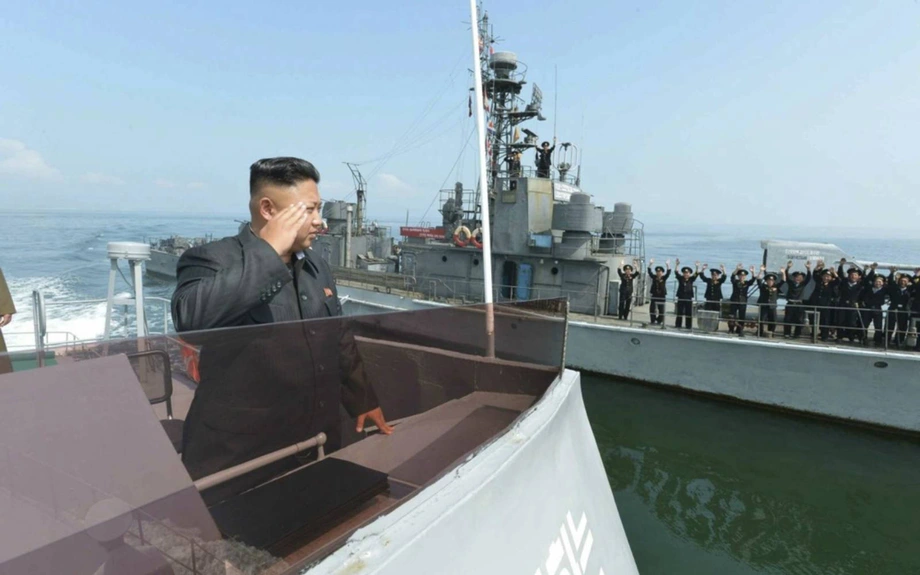
North Korea has partially revealed a warship under construction at Nampho Shipyard that a South Korean defense researcher estimates could belong to the 10,000-ton class, roughly twice the nominal size of the country's recently introduced destroyers. The disclosure accompanied Kim Jong Un's November 2 inspection of the yard, where he ordered greater automation, another ground dock and more recruitment of ship designers and builders.
Contents
- Five photographs offer a glimpse of a larger naval ambition
- What the hull photographs reveal
- A possible platform for longer distance strikes
- Kim orders a yard that can build and repair together
- Two existing destroyers frame the next step
- How the size compares with South Korea's ships
- Naval expansion carries a nuclear message
- The visit follows weapons tests and warnings to Washington
- Key Points
The Korean Central News Agency (KCNA), North Korea's state news agency, announced the visit on November 4 and released five photographs. One showed part of the unfinished vessel's lower hull. Shin Jong-woo, secretary general of the Korea Defense and Security Forum, assessed that the images could be the first public view of construction of a suspected 10,000-ton cruiser.
Kim described the ship as much larger than the destroyer built the previous year and said it was designed for several operational missions. His inspection connected two ambitions: putting larger combat ships to sea and rebuilding the industrial facilities needed to construct and maintain them.
North Korean authorities gave no technical specifications, confirmed displacement, weapons list, launch date or commissioning schedule for the vessel. Its identification as a 10,000-ton cruiser remains an outside assessment based on the photographs, earlier construction plans and information about activity at the yard.
What the hull photographs reveal
Shin compared the new images with photographs of a 5,000-ton destroyer released in March of the previous year. His assessment focused on the size and shape of the supports underneath the hull, which appeared thicker and arranged in a double structure.
The photographs also showed a red structure on the left that appeared to be a sonar housing and three yellow structures on the right that appeared to support the vessel. Sonar uses sound to detect objects underwater, helping ships locate submarines and other submerged targets.
Shin said satellite information had also prompted assessments that a vessel of about 10,000 tons was being built. Taken together, his comparison of the hull supports and the earlier satellite assessments provided the basis for identifying the construction site with North Korea's announced plans for larger ships.
Kim's own description reinforced the message of increased size. KCNA said he expressed satisfaction with the vessel's imposing appearance compared with the destroyer built the previous year. North Korea showed only a limited portion of the hull, while using the visit to promote the ship's intended military role.
A possible platform for longer distance strikes
Shin interpreted North Korea's reference to several operational missions as a sign that the vessel could be intended for attacks against land targets at long distances, with increased capacity for cruise missiles and other weapons.
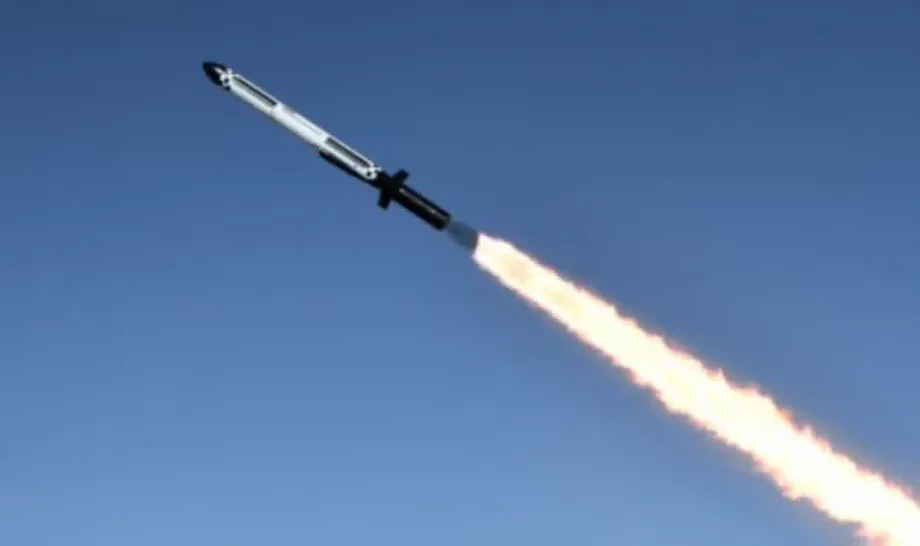
Cruise missiles use powered flight through the atmosphere to reach their targets. For a warship, carrying more missiles can increase the number of targets it can attack before returning to reload. A ship designed around that mission would extend the navy's strike role beyond defending nearby coastal waters.
Lim Eul-chul, a professor at Kyungnam University's Institute for Far Eastern Studies, suggested that possible weapons could include Hwasal strategic cruise missiles, tactical nuclear weapons, or missiles for attacking other ships and land targets. Those possibilities were his interpretation of the announced ambitions.
North Korea has previously sought large vessels equipped with numerous vertical launch cells. These are compartments that hold missiles upright and launch them from the ship. Depending on their design and the weapons installed, such systems can support attacks against aircraft, ships or land targets.
Kim, North Korea's leader, presented the unfinished vessel as a combat system with exceptional capabilities. KCNA quoted him describing it as having:
operational capabilities that no other country in the world has
The weapons possibilities identified by Shin and Lim help explain the military interest in the project: a larger hull could give North Korea more space for missiles and the equipment needed to operate them.
Kim orders a yard that can build and repair together
Nampho's modernization plan included a specific instruction to construct one additional ground dock so shipbuilding and repairs could take place at the same time. A dock provides a controlled work area where crews can reach a vessel's hull and carry out construction or maintenance.
Kim also ordered improvements to what he called an irrational arrangement of buildings. Moving large ship sections, machinery and materials through a yard depends on the placement of workshops, assembly areas and docks. His instructions addressed the organization of production as well as the ships themselves.
KCNA said Kim wanted a system that could coordinate the entire construction process through integrated digital controls, with high levels of automation throughout production. He directed the yard to pursue better quality, higher productivity and savings in labor.
Ship design and construction personnel were another priority. Kim called for recruiting more promising specialists and increasing the number of people working in the sector. Automation and workforce expansion were presented together, reflecting a push to increase both technical capacity and the amount of work the industry can handle.
Jo Chun-ryong, a Workers' Party secretary responsible for military industry, accompanied Kim. Officials from the ship research institute and the yard briefed the delegation. Kim reviewed the modernization master plan, construction progress and the organization of the work.
Two existing destroyers frame the next step
North Korea's 5,000-ton destroyers Choe Hyon and Kang Kon provide the immediate comparison for the larger vessel. Choe Hyon entered active service in June and was assigned to the west coast, while Kang Kon was commissioned in September for the east coast; a June date has also been given for Kang Kon's commissioning.
At Choe Hyon's June 23 commissioning ceremony, Kim called for two surface warships of that class or larger to be built every year, including vessels in the 10,000-ton class. The construction target has also been described as two ships exceeding 5,000 tons over five years, leaving conflicting public descriptions of the planned production pace.
The main developments leading to the latest disclosure were:
- June 23: Kim used Choe Hyon's commissioning ceremony to call for further construction of large surface warships.
- September: North Korea announced Kang Kon's commissioning and described it as part of a nuclear counteraction system.
- November 2: Kim inspected Nampho Shipyard, reviewed modernization work and examined the new vessel.
- November 4: North Korea announced the visit and released five photographs, including a partial view of the hull.
Commissioning means formally bringing a ship into naval service. Building the hull is an earlier stage. Between construction and regular operations, a warship needs its machinery, sensors and weapons installed and tested, alongside preparation of its crew.
How the size compares with South Korea's ships
The suspected 10,000-ton class would represent a substantial increase from North Korea's 5,000-ton destroyers. Using those stated class figures, the new vessel would be twice their size by displacement, the weight of water a floating ship pushes aside.
The South Korean comparison attracting attention is the Jeongjo the Great class of Aegis destroyers, described in the coverage of the new images as 8,200-ton combat ships. Against that figure, 10,000 tons would be 1,800 tons greater, or about 22 percent larger.
Naval displacement figures depend on whether a vessel is measured under standard conditions or with a full load of fuel, weapons and supplies. Those loading conditions matter when comparing ship classes. Sensors, missile systems, crew training and maintenance also shape how effectively a vessel performs its missions.
North Korea's proposed increase in hull size matters most concretely through the space it could provide for additional equipment, weapons and supplies. Shin's assessment links that extra capacity to a possible increase in missiles for attacks against land targets.
Naval expansion carries a nuclear message
Kim framed the shipyard program as a response to regional adversaries and what he described as nuclear threats. He called for rapid expansion of both surface forces, which operate above the water, and underwater forces, including submarines.
KCNA quoted Kim explaining why he wanted that expansion:
It is vital and important requirement of the times to rapidly bolster up the surface and underwater combat power for defending the national sovereignty in the sea under various threats.
North Korea described Kang Kon at its commissioning as part of a nuclear counteraction system and a nuclear deterrent at sea. Kim has also pledged to arm the navy with nuclear weapons. These statements place the shipbuilding program within Pyongyang's wider effort to create more ways to threaten retaliation against an attacker.
Nampho combines commercial and military importance as North Korea's largest trading port and a naval industrial center. Modernization activity has also been described at other shipyards and naval bases, extending the effort beyond a single construction site.
Kim's references to maritime sovereignty have particular weight around the Northern Limit Line in the Yellow Sea, a disputed maritime boundary between the two Koreas. His stated priorities connect new vessels, stronger bases and industrial expansion with North Korea's claims about control of surrounding waters.
The visit follows weapons tests and warnings to Washington
Kim's November 2 inspection followed a strategic cruise missile test the previous day and a separate test involving cluster warheads over the weekend. The sequence placed the naval announcement alongside demonstrations of other strike capabilities.
The shipyard visit also followed his October 29 drone and AI push, when he called for faster development of unmanned weapons and greater use of artificial intelligence. Both appearances put technical development and production capacity at the center of his military instructions.
Kim Yo Jong, the leader's sister and a senior political figure, warned on November 4 that North Korea would respond more strongly to Washington's policy toward Pyongyang. She said dialogue remained an option for peace, while arguing that talks must serve North Korea's interests.
In her statement, Kim Yo Jong described that position in these words:
The choice for peace includes dialogue of course, but this is not surely equated with national interests for us.
Pyongyang's message combined a conditional opening for talks with continued investment in military power. At Nampho, the practical instructions were specific: another dock, more automated production, a better yard layout and more specialists to build and maintain an expanding fleet.
Key Points
- North Korea released five photographs after Kim Jong Un inspected Nampho Shipyard on November 2.
- Defense researcher Shin Jong-woo assessed that the partially visible vessel could be a 10,000-ton cruiser.
- Kim ordered an additional ground dock, greater automation and more recruitment of shipbuilding specialists.
- Researchers identified increased missile capacity and attacks against distant land targets as possible roles for the vessel.
- The project follows the introduction of the 5,000-ton destroyers Choe Hyon and Kang Kon and broader pledges to expand the navy.
- North Korea has not announced the new vessel's specifications or a launch and commissioning timetable.