Defense commitments lead a broader push on energy
U.S. President Donald Trump said Washington had approved more than $5 billion in arms sales to the Philippines as he outlined expanded defense cooperation and possible American involvement in a Philippine civilian nuclear power project during talks in Manila on November 18, 2026.
Contents
Speaking with Philippine President Ferdinand Marcos Jr. on Wednesday, Trump also proposed a Philippine role in a planned Alaska natural gas export project. His remarks brought military support and two potential energy ventures into the same discussion about strengthening relations with a U.S. treaty ally.
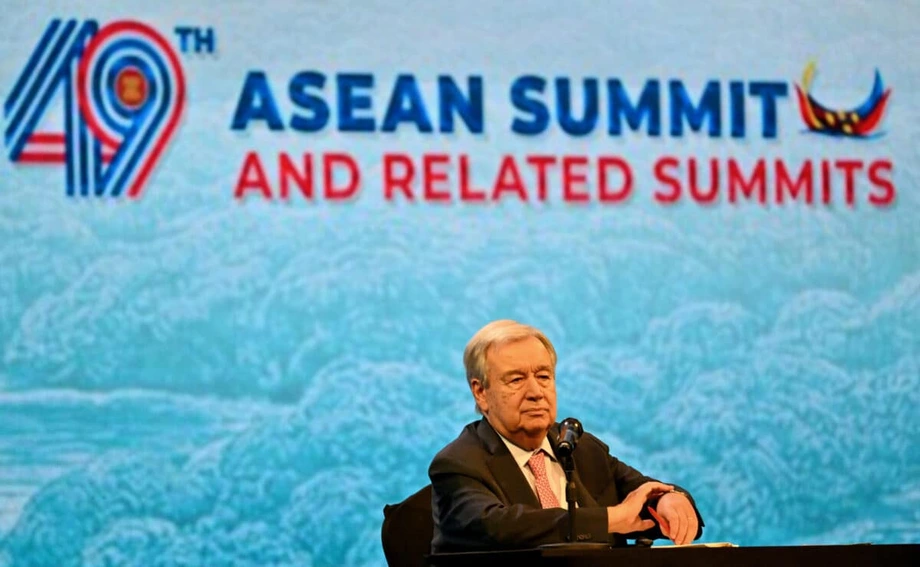
The bilateral meeting took place on the sidelines of the ASEAN-China Summit in Manila during Trump's state visit. He was scheduled to travel next to China for the Asia-Pacific Economic Cooperation summit, known as APEC.
Trump described the alliance as stronger than ever and presented closer defense cooperation as a foundation of regional security. The arms sales figure was the clearest financial commitment he cited. His descriptions of the nuclear and natural gas ventures focused on opportunities the two governments could pursue.
For the Philippines, the discussions connect two practical priorities: military support for national security and access to energy for homes and businesses. The proposals would involve different arrangements, with weapons supplied through defense sales and energy cooperation requiring decisions about technology, investment and purchases.
What the $5 billion arms figure means
Trump said Washington had increased military support for Manila by approving more than $5 billion in arms sales. Approval is a step that allows a proposed sale to proceed; equipment purchases also involve contracts, production and delivery arrangements.
A U.S. Defense Department arms sales notification details a proposed $5.58 billion F-16 sale to the Philippines, comprising $2.73 billion in major defense equipment and $2.85 billion in other items. The notification says the report was delivered to Congress on April 1, 2025. The document is dated January 7, 2026, and was published on January 12, 2026.
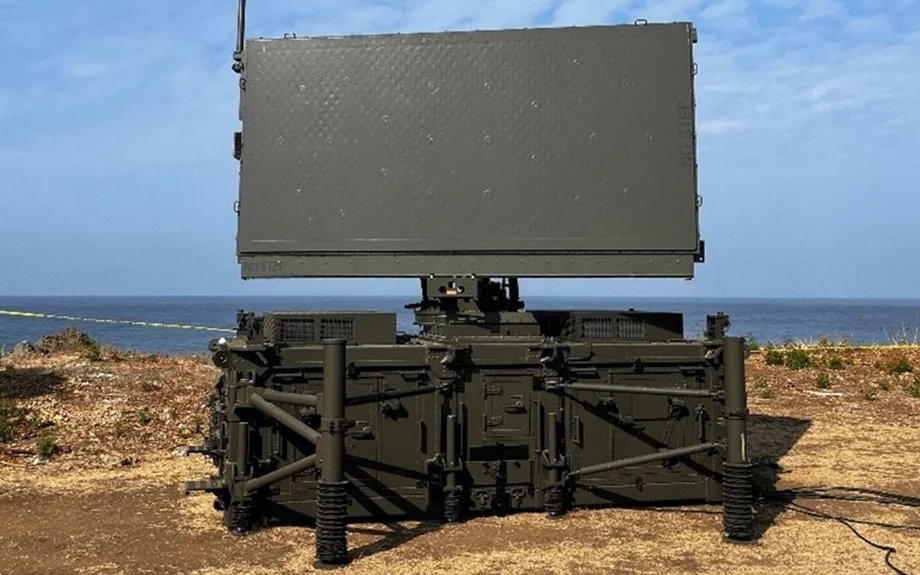
The proposed package includes 16 F-16 C and four F-16 D Block 70/72 aircraft, 24 engines and 22 AN/APG-83 radars. Its weapons include 112 AIM-120C-8 or equivalent air-to-air missiles, 40 AIM-9X Block II Sidewinder missiles, 36 GBU-39/B small diameter bombs, 60 MK-82 500-pound bombs and 60 MK-84 2,000-pound bombs, along with guided-bomb components, missile launchers, guns and targeting pods. It also includes electronic warfare systems, spare parts, training, maintenance and other support. The notification describes a proposed sale, not a completed or newly approved transaction, and does not establish that this package was the approval Trump cited in Manila.
The U.S. president placed the expanded cooperation within the broader security relationship. Describing his work with Marcos, he said:
Working with President Marcos, we're also expanding our defense cooperation, which has always been a key pillar of security for this part of the world.
The Philippines is a treaty ally, meaning its defense relationship with the United States rests on a formal agreement between the countries. Trump's announcement presented the arms approvals as one part of a wider effort to strengthen that relationship.
Trump also contrasted the current alliance with periods under previous U.S. administrations. He described those earlier relations as strained and credited the present cooperation with improving ties. That assessment was his political characterization of the relationship.
A possible nuclear project using American technology
Trump said American technology could play a role in a major Philippine civilian nuclear energy project. Civilian nuclear power uses energy released inside a reactor to generate electricity, rather than for military purposes.
The U.S. president framed the potential project as both an energy venture and a symbol of the relationship with Manila:
For the Philippines to embrace American technology in its first modern nuclear project would underscore the strength of the important relationship, and we're probably going to do something very big to do with nuclear.
His wording pointed to a project still being discussed. A nuclear power venture involves choosing a reactor technology, arranging financing, securing regulatory approval and preparing the systems needed to operate it safely. Those decisions determine how a proposal becomes an electricity source.
Trump also promoted nuclear power as safe, powerful and inexpensive. The cost and performance of a particular Philippine project would depend on its design, construction, financing and operation. His remarks offered political support for cooperation while leaving those project decisions for further work.
For electricity users, the practical issue is how a plant would fit into the country's power supply and what its electricity would cost. For the two governments, the proposed use of American technology would create another area of cooperation alongside defense.
Why Alaska entered the Manila talks
Trump identified a planned natural gas export project in Alaska as another possible opening for the Philippines. He described a major pipeline intended to help send American energy supplies to allies and partners across the Pacific.
The president presented the proposal as part of a broader American energy push, describing the United States as the world's leading producer of oil and natural gas. He said the Alaska project could provide abundant and affordable supplies to countries in the region.
Trump called Manila a potential participant and said discussions were underway:
The Philippines would be a very natural partner in this effort. We are working on that.
A pipeline moves gas over land. Supplying an overseas customer also requires export facilities, transport arrangements and a buyer willing to purchase the fuel. Philippine participation could therefore involve commercial negotiations as well as government discussions.
The nuclear and gas proposals would serve different roles. A nuclear project would generate electricity in the Philippines using a reactor, while the Alaska initiative would supply an imported fuel. Their shared political purpose in Trump's remarks was to broaden the relationship beyond military cooperation.
South China Sea reassurance without a detailed plan
Trump was also asked about the disputed South China Sea, a central security concern in the region. He responded with confidence and repeated his positive assessment of the U.S. alliance with the Philippines.
The U.S. president said:
I am not concerned at all. That'll be taken care of.
His reassurance accompanied the announcement of closer defense ties. For Manila, security cooperation with Washington and developments in the disputed sea are closely connected parts of the regional diplomatic picture.
The setting gave the remarks added weight. Trump discussed stronger ties with Marcos during a visit that included the ASEAN-China Summit, before his planned trip to China for APEC. Security commitments and economic cooperation were therefore part of the same stretch of regional diplomacy.
Which decisions still need to be made?
The defense and energy announcements were at different stages. Trump cited a dollar value for approved arms sales, while describing the nuclear project and Philippine participation in the Alaska venture as possibilities under discussion.
Key details were left open: the weapons covered by the approvals and their delivery schedule; the nuclear project's location, technology, cost and construction timetable; and any Philippine purchase volume, investment or start date for Alaska gas. Trump also gave no specific steps or timetable for addressing the South China Sea situation.
Those details matter directly to the people who would use the equipment or pay for the energy. Weapons deliveries determine when military units can put new equipment into service. Energy contracts and construction schedules determine when fuel or electricity becomes available and on what terms.
The central development was a stated expansion of defense cooperation, accompanied by an effort to build a larger energy relationship. The next substantive milestones would be specific defense arrangements and concrete commercial or government agreements for the proposed energy ventures.
Key Points
- Trump met Marcos in Manila on November 18, 2026, and said the United States had approved more than $5 billion in arms sales to the Philippines.
- A Defense Department notification details a proposed $5.58 billion package of 20 F-16s, missiles, bombs and support, but does not confirm a completed or newly approved sale or link the package to Trump's remarks.
- He described expanded defense cooperation as a central part of regional security and said the alliance had never been better.
- Trump proposed American involvement in a Philippine civilian nuclear power project, with major project decisions still open.
- The two governments were discussing possible Philippine participation in a planned Alaska natural gas export initiative.
- Trump expressed confidence about the South China Sea situation without setting out specific measures or a timetable.