A bigger grant and a new step in military assistance
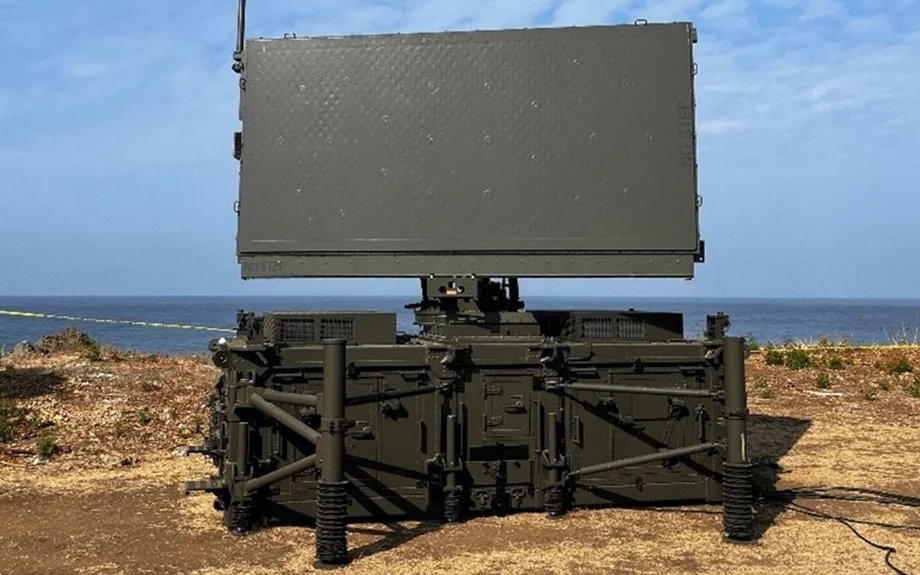
Japan signed a 4.3 billion yen security grant for the Philippines in Manila on November 9, 2026, funding a coastal radar system for the Philippine Navy and surveillance drones for the Philippine Air Force. The package, worth about US$27 million or PHP1.72 billion, is the largest project yet under Japan's Official Security Assistance program.
Contents
- A bigger grant and a new step in military assistance
- What the Navy and Air Force will receive
- Why the first complete system matters
- How the package compares with earlier assistance
- Why the Luzon Strait matters to both countries
- Shared concerns over China shape the partnership
- Equipment grants join broader military cooperation
- A separate agreement supports Cotabato water supplies
- Key Points
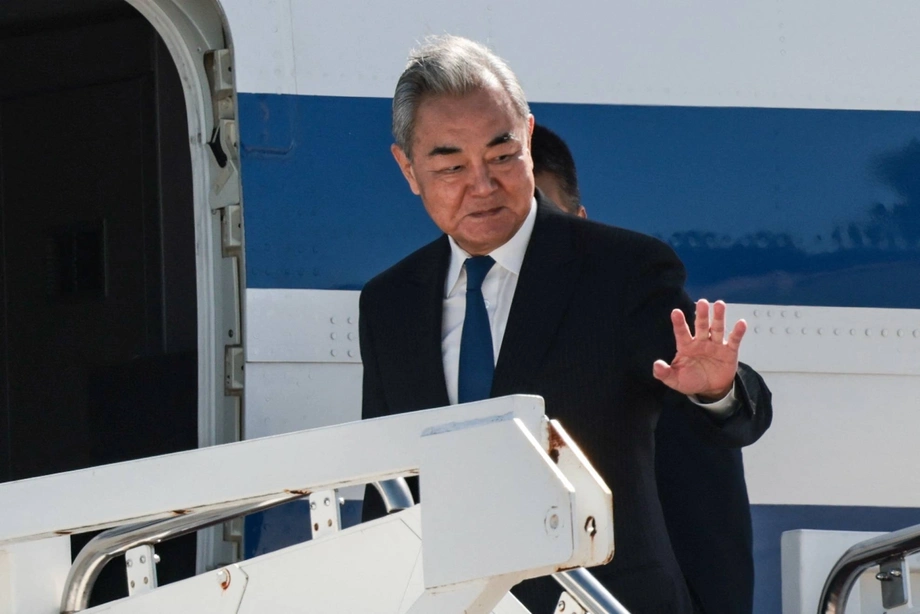
Foreign Affairs Secretary Maria Theresa Lazaro and Japanese Ambassador Kitagawa Katsuro signed and exchanged diplomatic notes for the fiscal 2026 project. Japan's Ministry of Foreign Affairs said the coastal radar would mark the program's first transfer of a completed Japanese defense equipment system.
The Philippines has received Japanese coastal radars before. The change concerns the classification of the new system: earlier assistance under the program covered equipment suitable for both civilian and military purposes, along with parts. This package introduces a complete system classified as defense equipment.
For Philippine forces, the immediate purpose is better surveillance of the country's waters and nearby shipping routes. For Japan, the grant supports a partner positioned beside the South China Sea and the Luzon Strait, waterways that connect the region's coastal seas with the Pacific.
The agreement comes as Manila and Tokyo deepen security cooperation while sharing concerns about China's military activity. Philippine and Chinese vessels have frequently clashed in the South China Sea, where the two countries have competing territorial claims.
Kitagawa, Japan's ambassador to the Philippines, said Japanese technology would improve Philippine maritime awareness and surveillance. He described its value for shipping routes:
will be of great help in safeguarding vital sea-lanes
What the Navy and Air Force will receive
The Philippine Navy will receive the coastal radar system, while the Philippine Air Force will receive unmanned aerial vehicles for monitoring and surveillance. An unmanned aerial vehicle, or UAV, is an aircraft operated without a pilot aboard.
Coastal radar uses radio signals to detect objects and follow their movement within its coverage area. Surveillance drones can observe from the air. Giving these tools to two military services supports the same task from different positions: watching activity around the Philippine archipelago.
Japan's foreign ministry described the intended benefit as stronger maritime domain awareness. In everyday language, that means having a better picture of which vessels and aircraft are nearby, where they are going and what they are doing. Such information helps authorities decide where to direct patrols and attention.
The announcement did not specify the radar manufacturer, drone models, number of aircraft, operating ranges, installation locations or delivery schedule. Those details will determine how much territory the equipment can watch and when Philippine forces can begin using it.
Why the first complete system matters
Japan launched Official Security Assistance, known as OSA, in fiscal 2023. The program provides grants for equipment, supplies and infrastructure to armed forces and other relevant organizations in partner countries, with the aim of strengthening security and deterrence.
Deterrence means discouraging hostile action by making it harder or more costly to carry out. In this project, Japan is supporting that goal through surveillance equipment, helping Philippine forces detect and follow activity around important waters.
OSA is separate from Japan's development assistance. Its direct focus on military and security organizations gives Tokyo a dedicated route for supporting the defense capabilities of countries it regards as partners.
The coastal radar moves OSA beyond its previous provision of products with civilian and military uses and individual parts. Japan is also considering complete equipment systems for other countries under the framework. The Philippine project therefore matters both as a grant to Manila and as a change in what Tokyo supplies through this program.
How the package compares with earlier assistance
Japan's first OSA grant to the Philippines, signed in November 2023, funded five coastal radar systems worth 600 million yen. Those systems arrived in January 2026 and were formally handed over on February 11, with the Philippine Navy as their user.
The new package is about 7.2 times the value of that first grant: 4.3 billion yen compared with 600 million yen. The earlier amount covered five radar systems, while the latest grant combines a coastal radar system with surveillance aircraft for another service.
A subsequent assistance package worth 900 million yen supported rigid hulled inflatable boats. Japan also agreed to fund facilities for the boats, bringing infrastructure into its OSA support for the Philippines. Philippine participation has continued across successive fiscal years since the program began.
The sequence shows how cooperation has expanded from individual equipment grants into support involving sensors, boats, facilities and aircraft:
- November 2023: Japan and the Philippines signed the first OSA grant, funding five coastal radar systems worth 600 million yen.
- January 2026: The five radar systems arrived in the Philippines.
- February 11, 2026: The systems were formally handed over to the Philippine side.
- November 9, 2026: The two governments signed the 4.3 billion yen grant for a new coastal radar system and surveillance drones.
Why the Luzon Strait matters to both countries
The Luzon Strait lies between Taiwan and northern Luzon. It is one of the main passages connecting the South China Sea with the Pacific, making it important to both maritime trade and military movement.
Japan and the Philippines sit along the first island chain, the arc of islands running from Japan through Taiwan to the Philippines. Ships moving between China's nearby seas and the wider western Pacific pass through gaps in that chain.
Japan's foreign ministry cited the Philippines' location beside important sea lanes as a reason for the grant. Better Philippine surveillance serves Manila's need to watch its maritime surroundings while supporting Tokyo's interest in the security of routes important to Japan.
Recent activity illustrates why the two governments view surveillance as a regional concern. On October 28, Taiwan's National Security Council Secretary-General Joseph Wu published a map identifying 53 Chinese naval and other official vessels across waters stretching from southern Japan to the east of the Philippines.
The 53 vessel deployment included 34 navy warships and 19 Coast Guard and other official vessels. The aircraft carrier Liaoning and accompanying ships were operating east of the Philippines. Taiwan described the movements as pressure affecting several places at once; China's defense ministry had described the carrier's operations as routine training.
Shared concerns over China shape the partnership
The Philippines faces China in territorial disputes in the South China Sea, where confrontations between their vessels have made the ability to observe movements especially valuable. Better surveillance can give Philippine authorities more information when deciding how to respond to activity near contested areas.
Japan has its own dispute with China over the uninhabited Senkaku Islands in the East China Sea, which Japan controls and China claims. Although the disputes involve different locations, they help explain why Tokyo and Manila have drawn closer on maritime security.
Japan and the Philippines are both US allies. Their expanding direct cooperation adds equipment assistance and practical military arrangements to that shared relationship with Washington.
The Japanese foreign ministry described the radar and drone project as important for bilateral security cooperation, the security of sea lanes vital to Japan, and regional peace and stability. It also placed the Philippines' role within Japan's updated Free and Open Indo-Pacific policy.
Equipment grants join broader military cooperation
Japan and the Philippines were already preparing closer military access arrangements in September 2025, when both governments had approved their Reciprocal Access Agreement. The pact provides a legal framework for visiting forces to take part in training and exercises in each other's territory.
Preparations for the military access agreement coincided with Philippine interest in Japanese radars, unmanned systems and shipbuilding expertise. The November 2026 grant turns part of that interest in surveillance equipment into a funded commitment.
The two countries also signed an Acquisition and Cross-Servicing Agreement earlier in 2026, allowing their forces to supply each other during joint exercises. Military access rules, supply arrangements and equipment grants address different practical needs: bringing forces together, supporting their activities and improving the tools they use.
Lazaro, the Philippine foreign affairs secretary, described the elevation of relations to a Comprehensive Strategic Partnership as a natural development in the relationship. She said the two countries:
took the natural and historic step
A separate agreement supports Cotabato water supplies
Lazaro and Kitagawa also signed notes for a separate grant to improve Cotabato City's water supply system. That agreement accompanied the military assistance signing but serves a different public need in Mindanao.
Lazaro said the signing reaffirmed the countries' commitment to Philippine defense capability and to initiatives supporting communities in Mindanao. Holding the two agreements together presented the partnership as one covering both security and civilian services.
The radar and drone grant now adds a larger surveillance commitment to that relationship. Its practical effect will depend on the equipment supplied, its deployment and its use by the Philippine Navy and Air Force. The signed grant establishes the funding framework for that next stage.
Key Points
- Japan and the Philippines signed a 4.3 billion yen security grant in Manila on November 9, 2026.
- The Philippine Navy will receive a coastal radar system, and the Philippine Air Force will receive surveillance drones.
- The radar will be the first completed Japanese defense equipment system transferred through OSA, which began in fiscal 2023.
- The package is the largest OSA project to date and about 7.2 times the value of the Philippines' first radar grant.
- Japan cited Philippine surveillance capability and the security of important sea lanes, including those near the Luzon Strait.
- A separate agreement signed at the same ceremony supports improvements to Cotabato City's water supply.