China pairs an investment invitation with a regional trade agenda
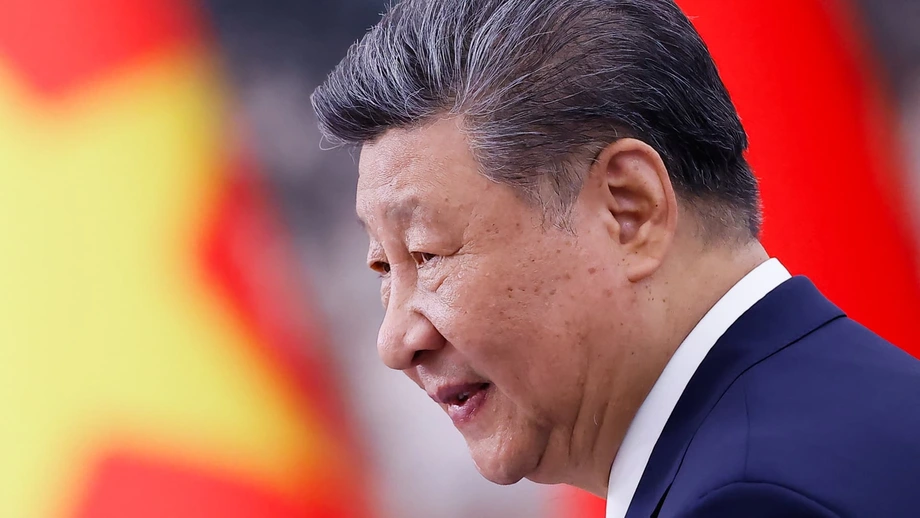
Chinese President Xi Jinping pledged lower tariffs, wider market access and further opening of manufacturing and services on November 18, 2026, as he addressed business leaders at the APEC CEO Summit in Shenzhen. He cited Chinese economic growth of 4.6% in the first three quarters and presented the country's 15th Five Year Plan as an invitation for global companies to participate in its development.
Contents
- China pairs an investment invitation with a regional trade agenda
- What would wider access mean for foreign companies?
- A larger role for consumers and imports
- Robots, AI and cleaner industry underpin the growth pitch
- Trade cooperation extends from the WTO to customs desks
- Security and fairer development form the other half of the message
- Shenzhen anchors the proposed bay area alliance
- Chip restrictions and trade disputes shadow the appeal
- The summit moves toward leaders' meetings
- Key Points
Speaking at the Qianhai International Conference Center, Xi also backed a proposed World Association for Bay Areas Economic Cooperation and called for closer regional work on artificial intelligence, digital trade and cleaner growth. China is hosting the Asia-Pacific Economic Cooperation forum for the third time.
The speech combined two messages: China wants more foreign goods, investment and technology partnerships, while seeking support for a trading system built around the World Trade Organization. Those appeals came amid renewed restrictions on China's access to advanced American AI chips and persistent criticism abroad of Chinese manufacturing policies.
Xi set out four priorities for the region: maintaining peace and stability, expanding open cooperation, turning innovation into economic growth, and spreading the benefits of development more widely. Chilean President Kast and Malaysian Prime Minister Anwar were among those attending.
What would wider access mean for foreign companies?
China's proposed opening goes beyond reducing tariffs, the taxes charged on imported goods. Xi said Beijing would also expand market access and pursue changes to rules, administration and standards. Those areas affect whether a foreign company can enter a sector and how it can operate once it gets there.
Manufacturing received a specific commitment: Xi called for foreign businesses to be able both to enter the market and to conduct business there. He also promised a steady expansion of access to services, a broad category that covers activities rather than manufactured products.
The full text of Xi's November 18 speech sets out those tariff, market-access and sector-opening commitments, as well as the consumer-market opportunities and regional trade proposals described below.
The speech gave no tariff schedule, list of service industries to be opened, or timetable for implementing these changes. For companies considering an investment, the practical details will be the applicable duties, operating permissions and regulatory requirements.
Xi linked those domestic changes to a wider promise of a more stable and predictable business environment. He also invited Asia Pacific companies to participate in Belt and Road cooperation, China's international infrastructure and development initiative.
A larger role for consumers and imports
China's consumer market was central to Xi's pitch. He described it as the world's second largest and said the country has the largest middle income population, with substantial potential for investment and spending.
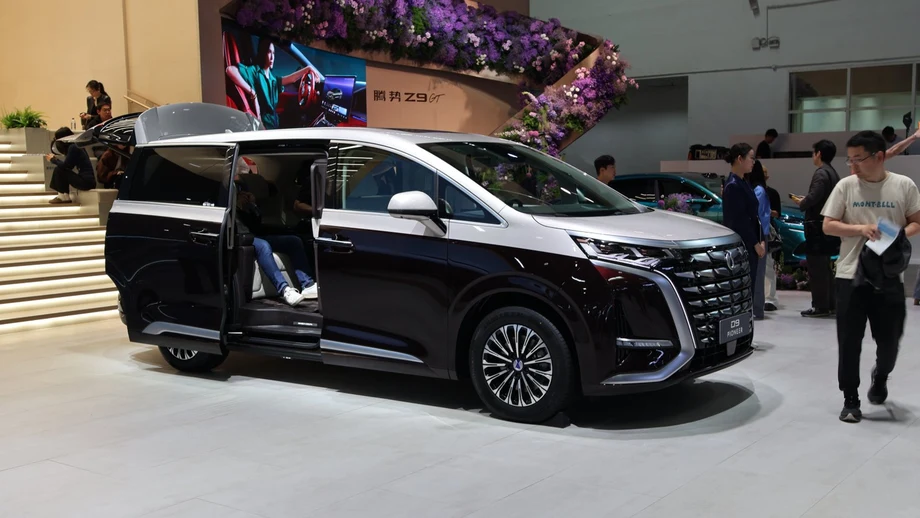
Xi named new energy vehicles, smart homes, the silver economy and snow and ice tourism as areas offering opportunities to foreign businesses. The silver economy means goods and services for older people. Grouped together, his examples span transport, household technology, care and leisure, giving the investment invitation a reach beyond factories.
Beijing would expand imports of quality products and services and continue holding activities under the Export to China banner, Xi said. He pointed to the ninth China International Import Expo, held in Shanghai days earlier, as a place where business executives had found opportunities for cooperation.
The emphasis on imports sits alongside a major international dispute over China's economic model. Western trading partners have criticised annual Chinese trade surpluses exceeding $1 trillion and argue that support for manufacturing comes at the expense of consumers. Beijing says its approach suits an economy still catching up with the richest countries.
For businesses selling into China, the consumer sectors Xi identified offer a different route from producing goods there for export. His speech promoted both routes: a larger market for foreign products and continued investment in China's industrial capacity.
Robots, AI and cleaner industry underpin the growth pitch
Xi described 2026 as the opening year of China's 15th Five Year Plan, the national planning framework that sets development priorities. He portrayed innovation and the transition toward lower carbon emissions as central to that programme.
His examples were concrete: robots working in businesses, robotic dogs used in farming, autonomous driving and food deliveries by drone. China, he argued, offers a large setting in which technologies can be tried in real situations, improved and turned into commercially useful products.
Xi said China would connect scientific research more closely with industrial development, upgrade traditional industries, expand emerging sectors and prepare for future technologies. He also called for technology partnerships across APEC, with deeper cooperation in the digital economy and artificial intelligence.
For the region, that agenda connects the invention of new tools with their everyday use. A robot needs more than research to become useful in a factory or on a farm: it must work reliably, fit the task and be affordable to operate. Xi's examples presented China as a place where those practical steps could take place at scale.
Trade cooperation extends from the WTO to customs desks
Xi urged APEC economies to defend the World Trade Organization and work toward a Free Trade Area of the Asia-Pacific. He also supported WTO reform and said China had fulfilled its commitments since joining the organisation in 2001.
The Chinese president put shared trade rules at the centre of his appeal to business leaders:
We must firmly uphold the rules-based multilateral trading system with the World Trade Organization at its core, support free and open trade and investment, maintain the stability and smooth operation of global industrial and supply chains,
Xi's regional proposals included digital trade, commerce across borders through online platforms, smart customs and closer cooperation among international production networks. Smart customs refers to the use of digital information and technology to process goods moving across borders.
These proposals address different stages of the same commercial journey. An overseas customer may place an order online, a factory may depend on components from several economies, and the finished product must pass through customs. Cooperation at each stage can make regional trade easier to organise.
Xi presented progress toward a regional free trade area as a continuing task. His speech focused on the direction of cooperation, while the proposed domestic market changes addressed the conditions foreign companies would face inside China.
Security and fairer development form the other half of the message
Xi linked the Asia Pacific's economic performance to its long period of regional stability. He called for protection of the postwar international order and for disagreements to be handled through dialogue and consultation.
His economic appeal also recognised differences among APEC members. Their histories, cultures and stages of development vary, he said, so cooperation should take those differences into account rather than apply the same approach everywhere.
Developing economies were singled out for stronger economic and technical cooperation. Xi proposed deeper work on transport, public health, energy, food security and efforts against corruption, alongside the removal of trade and investment barriers.
Those priorities broadened the speech beyond opportunities for large companies. Reliable transport helps goods reach buyers; energy supplies keep businesses operating; public health and food security affect households directly. Xi called for development gains to reach different economies, social groups and income levels while balancing efficiency with fairness.
Shenzhen anchors the proposed bay area alliance
Shenzhen supplied both the setting and an example for Xi's argument about opening economies. He described its transformation over more than 40 years from a small border town into an international metropolis during China's reform and opening period.
The city is part of the Guangdong-Hong Kong-Macao Greater Bay Area. Xi said bay area economies are marked by openness, cooperation among neighbouring places and economic activity that benefits surrounding areas.
China supports establishing a World Association for Bay Areas Economic Cooperation to deepen exchanges among these regions, he said. The proposal would add a channel focused on connected economic areas within countries, alongside APEC's cooperation among member economies.
The concept fits the location of the summit: Shenzhen's links with Hong Kong, Macao and other nearby cities were part of Xi's case for closer regional connections. He presented exchanges between bay areas as another way to pursue Asia Pacific economic cooperation.
Chip restrictions and trade disputes shadow the appeal
Washington's further restrictions on China's access to advanced AI chips from companies such as Nvidia sharpened the contrast with Xi's call for technology cooperation. Beijing has pledged retaliation, adding strain to a fragile trade truce.
The United States and China had also yet to implement a planned $30 billion reduction in duties on goods from each side. Meanwhile, the European Union and other trading partners have raised concerns about Chinese industrial overcapacity, meaning production capability that exceeds the demand available to absorb it.
China's Commerce Ministry said the first China-US trade council meeting discussed a reciprocal "$30 billion-for-$30 billion" tariff-cut arrangement, but did not announce an agreement. The proposed package, totaling $60 billion, followed Xi and Trump's September summit in Washington and included roughly $17 billion in US farm goods imported by China in 2024. It had not been finalised.
Xi addressed protectionism and unilateralism in broad terms, without naming American tariffs or the new chip measures. Chinese President Xi Jinping described Beijing's intended approach to international business cooperation:
China will not waver in its pursuit of win-win cooperation with all other countries,
George Chen, partner and chair of digital practice at The Asia Group, said the message was likely to appeal to many countries in the Global South and supported Beijing's effort to distinguish its technology approach from Washington's.
The commercial tension is concrete. Beijing is inviting foreign firms to sell more into China and participate in its industrial development. Trading partners are pressing China over the scale of its exports and the effect of its manufacturing policies on their own industries and jobs.
The summit moves toward leaders' meetings
Xi's business address preceded expected meetings with U.S. President Donald Trump and Russian President Vladimir Putin. Trade and AI were among the anticipated subjects, alongside the wars in Iran and Ukraine and nuclear weapons.
A spokesperson for China's Foreign Ministry confirmed that Xi, Trump and Putin would meet in Shenzhen on Thursday, November 19, on the sidelines of APEC. The White House also confirmed a Trump-Xi meeting there on Thursday.
The schedule placed Xi's economic proposals immediately before discussions involving the leaders whose decisions shape major security and trade disputes. The principal dates surrounding his message were:
- 2001: China hosted APEC leaders for the first time and joined the World Trade Organization.
- 2026: China began its 15th Five Year Plan and hosted APEC for the third time.
- November 18, 2026: Xi addressed the APEC CEO Summit in Shenzhen, presenting his market opening pledges and regional cooperation proposals.
- November 19, 2026: Xi and Trump were expected to hold a working lunch before meeting with Putin.
- December 2026: Trump and Xi were expected to meet again at the Group of 20 gathering in Miami.
For the executives in Shenzhen, Xi's central proposition was that access to China's consumers, industrial development and regional cooperation could create opportunities together. The immediate business decisions will turn on how Beijing translates its promises into tariff changes, operating rules and access to specific sectors.
Key Points
- Xi pledged lower tariffs, broader market access and further opening of manufacturing and services at the November 18 APEC CEO Summit.
- He cited Chinese economic growth of 4.6% in the first three quarters of 2026.
- Consumer opportunities named in the speech included new energy vehicles, smart homes, services for older people and winter tourism.
- Regional proposals covered AI, digital trade, smart customs, cleaner growth and a bay area cooperation association.
- New American AI chip restrictions and disputes over Chinese manufacturing policies formed the backdrop.
- The proposed reciprocal $30 billion-for-$30 billion tariff-cut package had not been finalised.
- China's Foreign Ministry confirmed a meeting of Xi, Trump and Putin on November 19; the White House also confirmed a Trump-Xi meeting.