A 3.9 kilogram bird emerges from Liang Bua
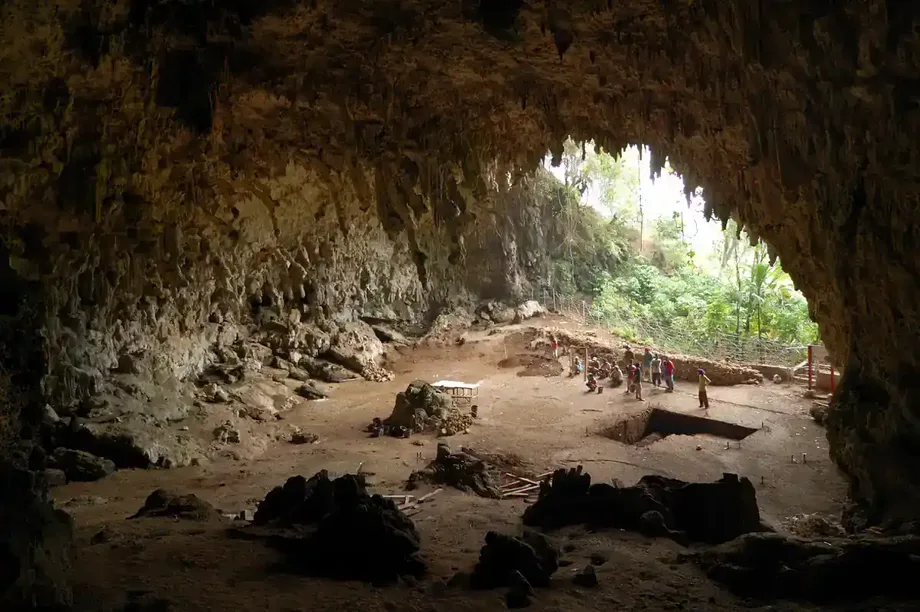
A single bone excavated in 2009 from Liang Bua cave on Indonesia's Flores island has revealed an extinct bird weighing an estimated 3.9 kilograms. Named Megapodius rokusi, the species is the largest known member of its genus and the first extinct megapode described from Wallacea, the island region between mainland Southeast Asia and Australia.
Contents
- A 3.9 kilogram bird emerges from Liang Bua
- How one bone became a new species
- How big was this prehistoric megapode?
- A name honoring an Indonesian fossil specialist
- Birds that let the ground warm their eggs
- Did the bird share Flores with the hobbit?
- A richer prehistoric island community
- What the missing bones could reveal
- Why overlooked bird bones matter
- Key Points
The fossil came from sediment layers dated to approximately 190,000 to 120,000 years ago. Researchers identified the bird by comparing the size and shape of its incomplete right lower leg bone with those of living and extinct relatives. Their findings appeared on October 22, 2026, in Alcheringa: An Australasian Journal of Palaeontology.
The study citation is: Hanneke J. M. Meijer et al., "A new species of megapode (Galliformes: Megapodiidae) from the Pleistocene of Liang Bua, Flores," Alcheringa: An Australasian Journal of Palaeontology, October 22, 2026, pages 1–12. DOI: 10.1080/03115518.2026.2741158.
Flores today has just one living megapode, the orange-footed scrubfowl, which weighs about 0.5 to 1.2 kilograms. Its extinct relative was several times heavier. The discovery adds a large bird to the island's unusual prehistoric wildlife and gives scientists a rare glimpse of birds from a poorly documented period at Liang Bua.
Hanneke Meijer, the study's lead author and a paleontologist at the University Museum of Bergen in Norway, described the finding's importance for Indonesia's fossil record:
Megapodes are common across many Indonesian islands, but this is the first fossil megapode from Indonesia.
Liang Bua is already famous for the 2003 discovery of Homo floresiensis, the small ancient human relative nicknamed the "hobbit." The bird now adds another chapter to the cave's history, although the relationship between its inhabitants requires careful attention to their different ages.
How one bone became a new species
The specimen is an incomplete tarsometatarsus, a bone in the lower part of a bird's leg that connects with its toes. This explains why descriptions of the discovery refer to either a lower leg bone or a foot bone. It was recovered from one of the cave's deepest sediment layers.
Researchers had recognized it as a bird bone, but its identity remained unresolved for years while much of the work on Liang Bua focused on mammals. Comparisons with collections of living and extinct megapodes eventually revealed a combination of features that distinguished it from previously named species.
The specimen was larger than the corresponding bone in any other known member of Megapodius. Its shape, as well as its size, supported the identification of a new species. The estimated body mass of 3.9 kilograms comes from the bone rather than a complete skeleton.
The discovery unfolded across several widely separated dates:
- Approximately 190,000 to 120,000 years ago: the period represented by the sediment layers containing the bird fossil.
- 2003: researchers discovered Homo floresiensis at Liang Bua.
- 2009: excavations recovered the bird's incomplete right lower leg bone.
- October 22, 2026: the study describing Megapodius rokusi was published in Alcheringa.
How big was this prehistoric megapode?
Megapodius rokusi weighed approximately 8.6 pounds, or just under four kilograms. For an everyday comparison, that is close to the weight of four one kilogram bags of sugar.
The orange-footed scrubfowl, Megapodius reinwardt, provides a more useful biological comparison. At 0.5 to 1.2 kilograms, the living Flores species weighs much less. Dividing the fossil bird's estimated 3.9 kilograms by that range makes it approximately 3.3 to 7.8 times as heavy.
Megapodius contains 12 living species. The newly described bird is the largest known member of that genus, a scientific grouping of closely related species. Megapodes belong to a broader family, so the genus record is a more precise description than calling it the largest megapode ever.
Meijer also compared the Flores bird with large extinct megapodes from Australia. Its size places it among those substantial prehistoric relatives, extending evidence of large megapodes into a region whose ancient birds remain much less thoroughly documented.
A name honoring an Indonesian fossil specialist
The name rokusi honors the late Rokus Due Awe, an Indonesian zooarchaeologist whose work helped researchers understand Liang Bua. Zooarchaeologists study animal remains from archaeological sites, using bones and other evidence to reconstruct past animals and their relationships with people.
Due Awe helped analyze the cave's animal fossils and first recognized human relative bones and teeth that later contributed to the identification of Homo floresiensis. He also recognized the newly studied specimen as a bird bone.
The authors describe Megapodius rokusi as the first megapode species named after an Indonesian scientist. The choice connects the discovery to the local expertise behind research at the cave.
Meijer, who is also a professor and curator of osteology, the study of bones, at the University Museum of Bergen, explained the tribute:
Due Awe was an incredible self-taught zooarchaeologist, and it is an honour to be able to name a species after him.
Birds that let the ground warm their eggs
Megapodes are relatives of chickens with strong legs, large feet and an unusual way of reproducing. Instead of sitting on their eggs to supply warmth, they bury them in soil, burrows or nesting mounds.
Heat can come from sunlight warming the ground, vegetation breaking down inside a mound, or geothermal activity beneath the surface. Decaying plant material releases heat, allowing a mound to act as a natural incubator. Different megapodes use different environmental heat sources.
Meijer and her fellow researchers described the family's defining habit:
Megapodes are a group of birds that incubate their eggs by burying them, exploiting environmental heat rather than body heat.
Megapode eggs contain an unusually large proportion of yolk, approximately 50% to 60% of their weight, according to the researchers. That food reserve supports extensive development inside the egg. Chicks hatch well developed and can move independently without parental care.
These family traits help explain why the discovery interests researchers studying ancient island ecosystems. A large bird that buried nutritious eggs could have been part of the food supply for other animals, even when the adult itself was difficult to catch.
Did the bird share Flores with the hobbit?
Homo floresiensis stood a little over one metre tall. Its discovery made Liang Bua internationally known, and the presence of a large extinct bird in the same cave creates an obvious possibility of contact.
The dates require a longer view. The bird fossil's sediment layers are approximately 190,000 to 120,000 years old, while skeletal remains of Homo floresiensis discussed in accounts of the discovery are around 55,000 years old. Older stone tools from Flores leave open the possibility that ancient human relatives were present during the bird's lifetime.
Researchers have suggested that megapode eggs could have provided nutrients for Homo floresiensis and, later, modern humans. Large yolks would have made them valuable food, while buried nests or communal nesting areas could have offered places to search for eggs.
Contact between Homo floresiensis and Megapodius rokusi remains unconfirmed, and there is no direct evidence that the ancient human relative ate this species. The proposed food connection comes from megapode biology and the history of human occupation on Flores.
A richer prehistoric island community
Flores once supported a striking mixture of animals, including dwarf Stegodon, an extinct elephant relative, giant storks and vultures. Megapodius rokusi adds another distinctive species to that community.
The giant stork Leptoptilos robustus stood more than 1.8 metres tall, towering above Homo floresiensis. Together, these animals show that the island's prehistoric wildlife differed substantially from what survives today.
Wallacea is known for its distinctive living birds, but its fossil bird record is sparse. Discovering an extinct megapode there gives researchers a concrete example of diversity that modern species lists cannot capture.
Climate change and a possible ecological chain reaction have been proposed as explanations for the disappearance of some of Flores' animals. A decline in dwarf Stegodon, for example, could have reduced food for animals that ate meat or scavenged carcasses. The cause and timing of Megapodius rokusi's extinction remain unknown.
What the missing bones could reveal
The single leg fragment leaves major parts of the bird's life unresolved. Scientists cannot yet determine whether it could fly because no wing or shoulder bones have been identified. Its diet and nesting behavior also require more evidence.
Researchers are uncertain whether the extinct species ever overlapped with today's orange-footed scrubfowl. One possibility is that the living species reached Flores only after its larger relative disappeared. Finding both species in securely dated layers could help establish how the island's megapode population changed.
Additional fossils could also help determine whether Megapodius rokusi vanished alongside other Liang Bua animals or much earlier. The age of the layer containing the known specimen places the bird within a period of the cave's history; researchers still need later remains to trace how long it survived.
Why overlooked bird bones matter
Meijer says bird fossils in Southeast Asia have historically received less attention than mammal remains, despite being present at many archaeological sites. The long interval between this bone's recovery and its identification shows how discoveries can emerge from material already collected.
Liang Bua's oldest bird remains are especially valuable because so little information exists for that period. Comparing stored specimens with a wider range of living and extinct birds can turn an unidentified fragment into evidence of an entire lost species.
Meijer believes more megapode fossils may await recognition. Her broader point is that Southeast Asia's celebrated living biodiversity represents only part of its biological history. Megapodius rokusi supplies a specific example: a large bird absent from Flores today, preserved in one incomplete bone.
Key Points
- Megapodius rokusi was identified from an incomplete right lower leg bone excavated at Liang Bua in 2009.
- The fossil came from layers dated to approximately 190,000 to 120,000 years ago.
- At an estimated 3.9 kilograms, it was the largest known member of Megapodius.
- The species is the first extinct megapode described from Wallacea and honors Indonesian zooarchaeologist Rokus Due Awe.
- Its flight ability, extinction date and possible contact with Homo floresiensis remain unresolved.
- The study was published in Alcheringa on October 22, 2026.