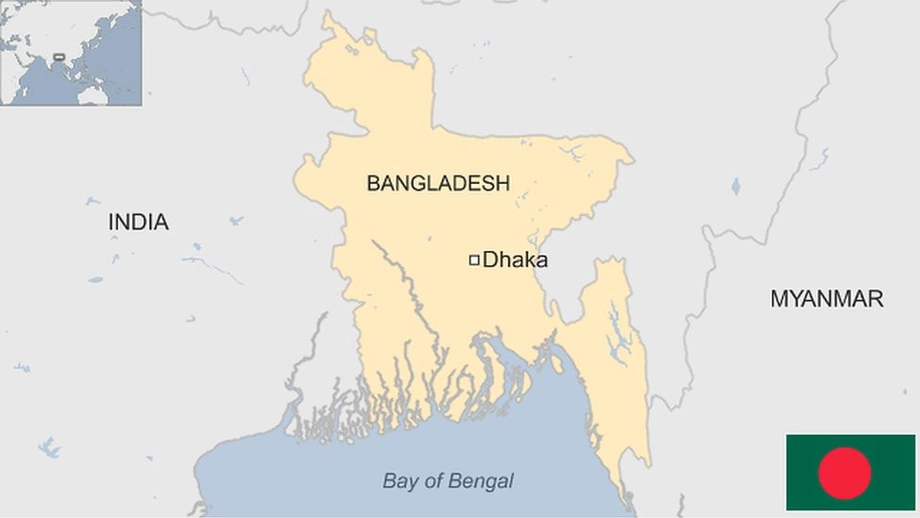
6,288 empty posts leave local hospitals short of doctors
Bangladesh's upazila health complexes have 6,288 vacant physician posts out of 13,036 approved positions, Health Minister Sardar Md Sakhawat Husain told parliament in a written response disclosed on November 17, 2026. The shortage leaves these local hospitals operating with 6,748 doctors, or just under 52 percent of their approved physician workforce.
Contents
- 6,288 empty posts leave local hospitals short of doctors
- How the latest vacancies compare with earlier figures
- What missing specialists mean for patients
- A timeline of services lost and recruitment promised
- Recruitment is moving through several different stages
- Why a larger pool of doctors has not filled public posts
- New hospitals must reach places where travel is difficult
- Vaccination exceeded its target, while heart deaths drew concern
- Private healthcare oversight matters as patients seek alternatives
- Key Points
The figures describe a particularly severe gap at the upazila, or subdistrict, level, where people seek treatment closer to home. Across government hospitals, upazila health complexes, union health centres and specialised hospitals, 11,336 of 42,549 physician posts are vacant, a rate of about 26.6 percent.
Upazila health complexes therefore account for about 55.5 percent of all physician vacancies in those public facilities, despite having only about 30.6 percent of their approved doctor posts. The shortage is concentrated in the part of the system meant to bring hospital care within reach of communities outside major cities.
State Minister for Health MA Muhit answered lawmakers' questions on behalf of the absent health minister. Reserved seat MP Mosammat Shammi Akter asked about upazila staffing during the Tuesday sitting, chaired by Speaker Hafiz Uddin Ahmad.
The national numbers have a concrete counterpart in Chandpur's Matlab North Upazila Health Complex: major operations, including caesarean deliveries, have been suspended for about two and a half years because essential specialist posts are empty. The government's response combines recruitment plans, proposed hospitals and accommodation for doctors, but several steps still require examinations, verification or project approval.
How the latest vacancies compare with earlier figures
The minister's latest figures put the upazila vacancy rate at about 48.2 percent. Figures presented to parliament in June put it at about 43.8 percent, with 5,782 vacancies among 13,211 posts. The latest count contains 506 more vacancies and 175 fewer approved positions.
Across the wider public hospital system, the latest total of 11,336 vacant physician posts compares with 11,495 out of 41,806 approved posts in the June figures. The broader vacancy rate has fallen slightly while the upazila rate has risen, pointing to different staffing conditions within the same public health system.
Earlier data from the Directorate General of Health Services' 2022 Health Bulletin recorded 4,341 doctors against 10,471 upazila positions, leaving 6,130 vacant, or about 58.5 percent. The approved workforce has expanded since then, but thousands of positions remain empty.
Sirajganj-4 MP Rafiqul Islam Khan also asked about other staff. Muhit said 21,656 of 57,306 class three positions, including healthcare worker posts, were unfilled. That is about 37.8 percent. These are administrative job categories covering staff whose work supports care, rather than another count of doctors.
What missing specialists mean for patients
Matlab North Upazila Health Complex has 35 approved physician posts, of which 16 are vacant. Two other doctors are assigned to work elsewhere, leaving 17 doctors at the hospital. The difference matters to patients: a position may be filled administratively while its doctor is serving at another facility.
The hospital's junior consultant posts in obstetrics, anaesthesia and surgery are empty. Surgery depends on a team, including someone qualified to administer anaesthesia, the medicines used to prevent pain during an operation. Without the necessary specialists, an operating room cannot provide its intended service.
Hospital staff estimate that 50 to 60 women each month miss the opportunity to have caesarean deliveries at government expense there. One woman described paying Tk15,000 for delivery surgery at a private hospital after being unable to obtain it at the public facility.
Upazila Health and Family Planning Officer Rajan Kumar Das said the hospital treats an average of 400 to 500 outpatients a day and has 30 to 35 admitted patients. He said repeated requests for recruitment had been sent to the health ministry and the civil surgeon's office, but the staffing gaps continued.
A timeline of services lost and recruitment promised
Matlab North's service closures developed as individual staff members left and equipment stopped working. The government's recruitment and construction announcements now sit alongside those prolonged interruptions.
- April 25, 2024: The hospital's obstetrics consultant moved on deputation to a hospital in Dhaka.
- May 19, 2024: Its anaesthesia consultant resigned. Major operations have been suspended for about two and a half years amid these specialist shortages.
- February 2025: The radiography technologist transferred elsewhere, after which X-ray services stopped.
- September 28, 2026: The Public Service Commission held an examination for 828 vacant senior staff nurse posts.
- November 16, 2026: Muhit outlined plans in parliament for hospitals with 151 beds in 503 upazilas and recruitment of nearly 8,000 doctors, nurses and midwives.
- November 17, 2026: The parliamentary staffing figures showed 6,288 vacant physician posts at upazila health complexes.
Matlab North's ultrasound service has also been unavailable for about a month because its machine is broken. Patients needing imaging must seek it elsewhere and face additional costs. The hospital's experience shows why restoring services requires functioning equipment and technical staff alongside physicians.
Recruitment is moving through several different stages
Muhit said recruitment was underway for 3,663 assistant surgeons through three Bangladesh Civil Service examinations: 1,682 through the 46th BCS, 1,331 through the 47th and 650 through the 50th. Assistant surgeon is the government service title used for these medical officers.
The nursing pipeline includes the examination for 828 senior staff nurse vacancies, proposals sent to the Public Service Commission for another 1,566 nurses, and proposals being processed by the Directorate General of Nursing and Midwifery for a further 1,775 posts.
For midwives, police verification was underway for 558 recommended candidates. Proposals for another 342 and 914 midwives had also been sent to the commission. Vacancies in grades 16 to 20 at institutions under the Directorate General of Health Services were being filled through outsourcing.
These stages represent different distances from a worker actually arriving at a hospital. A recruitment proposal starts an administrative process; an examination selects candidates; verification precedes appointment. The government gave no completion dates or facility allocations for the recruitment rounds, and no approval date for the hospital construction project.
Earlier recruitment drives brought thousands into government service. The 42nd Special BCS appointed 3,957 assistant surgeons in February 2022, while 3,263 doctors and dentists formally joined through the 48th Special BCS in 2026, including 2,984 assistant surgeons and 279 assistant dental surgeons.
Why a larger pool of doctors has not filled public posts
Bangladesh Medical and Dental Council data list about 134,568 registered general doctors, while medical colleges produce around 10,000 to 12,000 doctors annually, according to Professor Syed Abdul Hamid of Dhaka University's Institute of Health Economics. Registered totals include people who may have retired, moved abroad or left practice, while public hospitals need active staff in specific jobs and places.
On September 7, the health minister told parliament that Bangladesh required 88,909 doctors using a minimum benchmark of 0.5 physicians per 1,000 people. He put government hospital employment at 30,311 doctors. Approved public posts, the active national workforce and the number needed to serve the population are separate measures, each answering a different staffing question.
Professor Hamid argues that recruitment should continue as vacancies arise, rather than depend on occasional large examinations. He said:
There are enough doctors in the system. The immediate priority is to ensure that the existing posts in the public sector remain filled. There are around 13,000 vacant posts, so we need a continuous recruitment process to fill them.
His proposal would use a rigorous medical licensing examination and an updated list of qualified candidates, allowing authorities to recruit when a government post becomes vacant. Dr SM Ziauddin Hyder, special assistant on health affairs to the prime minister, has also acknowledged delays between appointment and formally joining a workplace.
Dr Taufique Joarder, an associate professor at the SingHealth Duke-NUS Global Health Institute, has called for stronger measures to keep doctors in rural areas. Recruitment fills a post initially; retention keeps the service running when doctors seek transfers, training or other employment.
New hospitals must reach places where travel is difficult
Muhit's construction plan calls for a hospital with 151 beds in each of 503 upazilas. The project, titled Construction, Reconstruction, Upgradation, Modernisation and Repair of Health Complexes at Upazila Level in Bangladesh, awaits approval of its Development Project Proposal, the formal document setting out a public project's scope and implementation arrangements.
The state minister said construction of a health complex in Madhyanagar, a newly formed upazila in Sunamganj, would begin after approval. Designs would include accommodation for doctors, intended to give staff in remote areas a safe place to live and reduce requests for transfers.
Sunamganj-1 MP Kamruzzaman Kamrul described severe shortages across his constituency, which includes Dharmapasha, Madhyanagar, Tahirpur and Jamalganj. He said Madhyanagar had no hospital, while neighbouring upazilas had very few doctors relative to their approved posts.
Poor roads compound those shortages in the haor region, an area of wetlands. Kamrul said critically ill patients and pregnant women sometimes travel to hospitals on motorcycles or pushcarts. He sought special attention for more than 800,000 residents. Muhit expressed hope for visible changes in the health sector within one to two years.
Vaccination exceeded its target, while heart deaths drew concern
Answering another question from Kamrul, Muhit said 21,791,259 children had received measles vaccination against a target of 18,015,064. That is 3,776,195 more children than planned, reaching about 121 percent of the target.
The percentage compares vaccinations delivered with the campaign's planned number. It means more children were reached than the target anticipated. The minister also said the government was providing vaccinations to children nationwide.
Pabna-5 MP Md Shamsur Rahman Shimul asked about heart disease. Muhit said deaths from heart disease and heart attacks among people aged 25 to 30, particularly men, had recently increased at an alarming rate.
The response provided no death count, comparison period or explanation for the increase. For local hospitals, the practical demands span prevention, routine treatment and urgent care, all of which depend on staff being available when patients arrive.
Private healthcare oversight matters as patients seek alternatives
Muhit told Tangail-7 MP Abul Kalam Azad Siddiqui that the government had issued 8,273 licences to private healthcare establishments in the 2026–27 fiscal year following inspections across the country. The total includes both new licences and renewals.
Authorities imposed financial penalties and sealed 250 establishments over irregularities, while nearly 500 others received warnings. The enforcement figures describe oversight of a sector that patients may turn to when a public hospital cannot provide surgery or diagnostic tests.
For families in Matlab North, that shift already means paying privately for services unavailable at their local government hospital. The immediate staffing task is therefore concrete: bring doctors and supporting workers into existing vacancies, restore interrupted services and make remote postings workable alongside the proposed expansion of hospital buildings.
Key Points
- Upazila health complexes have 6,288 vacant doctor posts out of 13,036, a vacancy rate of about 48.2 percent.
- Across the wider public hospital system, 11,336 physician posts and 21,656 class three positions are unfilled.
- Matlab North has suspended major operations for about two and a half years because essential specialists are missing.
- Recruitment is underway for 3,663 assistant surgeons, with nursing and midwifery recruitment at several administrative stages.
- The government plans hospitals with 151 beds in 503 upazilas, with the construction project awaiting approval.
- Measles vaccinations reached 21.79 million children, about 121 percent of the planned target.
- Authorities issued 8,273 private healthcare licences and sealed 250 establishments over irregularities.